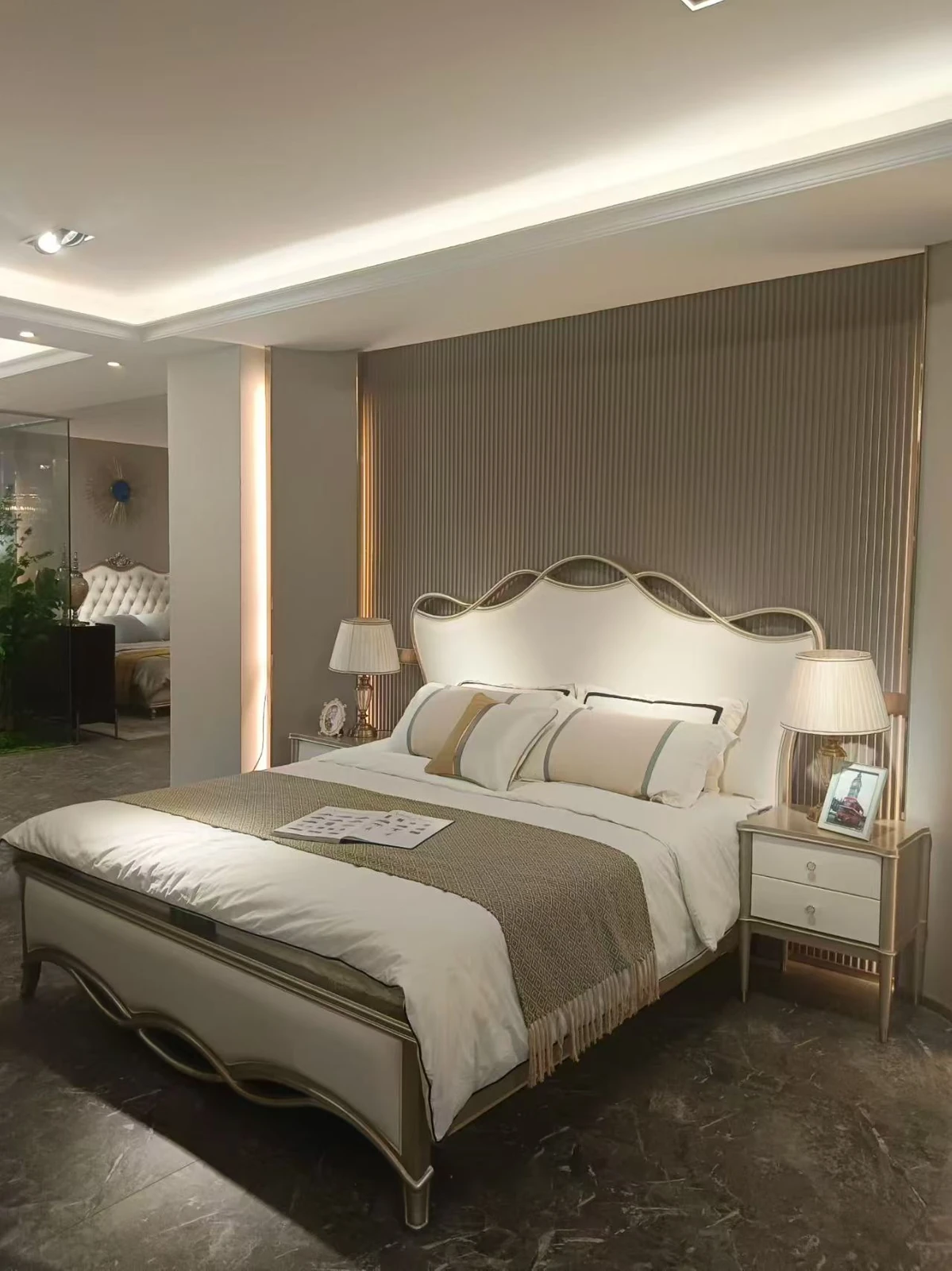
Thoughtfully designed outdoor living for every Singapore condo, HDB balcony, and landed terrace.
Whether you are reclaiming a compact balcony or laying out a full garden terrace, our curated selection of weather-resistant furniture helps you transform open air into a space worth staying in — from morning kopi to late-night breezes.
Practical advice for Singapore homeowners navigating size constraints, material choices, and layout planning for outdoor living.
Before buying, measure your patio area precisely — note width, depth, and any obstacles like railings or pillars. Leave at least 60 cm of walking space around each piece. Compare materials carefully: teak and powder-coated aluminium handle tropical humidity well, while rattan may fade faster under intense sun. In Japan and Korea, check whether the set is rated for heavy seasonal rain and winter conditions. Ask suppliers about warranty coverage, assembly requirements, and whether cushions are made from quick-dry, UV-resistant fabric. Always verify table and chair dimensions against your existing outdoor layout, and consider folding or stackable options if space is limited.
Quality outdoor furniture in Singapore, Malaysia, Japan, Korea, and Thailand depends on materials built for humidity, UV exposure, and monsoon conditions. Powder-coated aluminum resists rust better than cheap steel. Teak and eucalyptus woods need natural oils or sealants to prevent warping. Stainless steel hardware and welded (not screwed) joints last longer. Tight-peel synthetic rattan holds up to rain better than loose weaves. Watch for warning signs: surface rust bleeding from joints, wobbly frames indicating loose welds or broken pins, wood that feels soft or splinters easily, fabric that cracks when bent, and slats that flex excessively under light pressure. Avoid furniture stored outdoors without covers in heavy rain zones.
An outdoor patio in Singapore or Malaysia demands rain-resistant finishes and quick-drain surfaces — heavy monsoon downpours leave little room for absorbent materials. Korea’s patios, by contrast, must survive freezing winters; furniture needs UV-stable cushions rated for sub-zero temps and frames that won’t brittle under thermal cycling. Japan’s compact urban terraces prioritise space-saving designs and low-maintenance materials, since few homeowners have room for sprawling sets. Thailand’s hotter, more humid climate calls for ventilated seating and mould-inhibiting fabrics, while coastal areas add salt-corrosion protection. Even within one country, balcony dimensions and local weather patterns shape what works. Buying patio furniture without considering these regional differences leads to premature wear, discomfort, and wasted investment. Match your piece to your climate first, then your space.
Buyers most often ask which materials handle tropical rain and intense sun. Powder-coated aluminum resists corrosion, while teak needs biannual sealing to prevent drying. How long do cushions last? UV-resistant fabrics endure three to five years; standard fabrics fade faster. Is assembly complicated? Most sets arrive pre-assembled or with simple hardware. What maintenance is essential? Clean frames monthly with soapy water, wash cushions seasonally, and re-oil teak yearly. Are lightweight sets stable? Opt for weighted bases or wall anchors in windy areas. Do covers prevent mildew? Use ventilated covers and store cushions indoors during prolonged wet seasons. Warranties typically cover frame defects for one year and fabric fading for two.


Want the longer version? Browse all buying guides for this category.
Answers to what Singapore buyers ask most