Caring for Lacquered Outdoor Patio Furniture in a Tropical Climate: A Singapore Owner's Guide
I learned the hard way that Singapore's tropical climate is no friend to lacquer. Last month, I visited a friend's Tampines HDB flat — a 4-room unit roughly 92 sqm — and noticed the white lacquered outdoor patio chairs by his balcony had developed a faint orange haze along the armrests within eight months of purchase. He had paid SGD 1,400 for the four chairs from a local retailer. The culprit wasn't poor quality; it was a combination of afternoon UV, the corridor-side dust drifting up from the lift landing, and one well-meaning but misguided decision to wipe the chairs with a citrus-based spray. Three weeks of corrected care later, the haze was 80% gone. What follows is the long version of what I told him that afternoon.
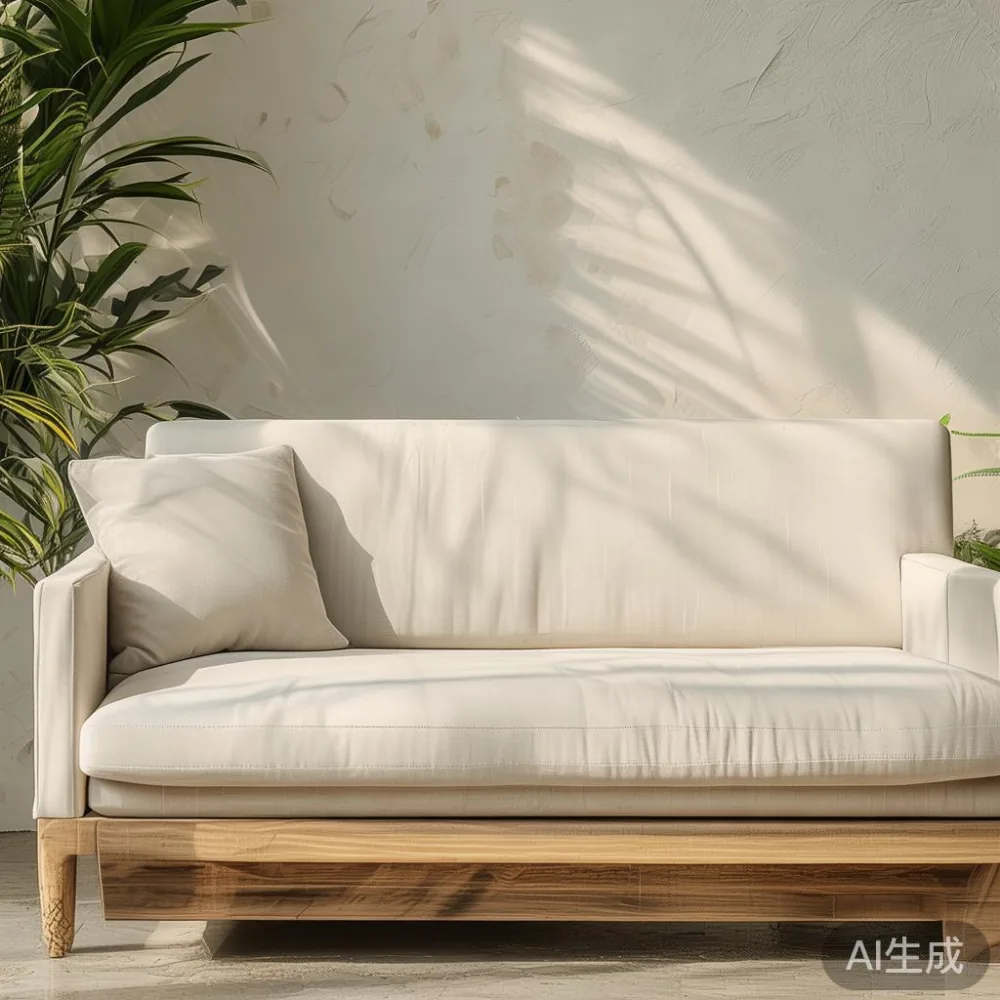
Why does lacquer fail so quickly in Singapore weather?
Lacquer is a film finish. It looks glassy, it feels cool under the hand, and it has very little tolerance for two things Singapore delivers in industrial quantities: ultraviolet radiation and humidity above 75% RH. Both attack the polymer chain of the finish. UV breaks the bonds (photo-oxidative degradation); humidity swells and contracts the wood substrate underneath, and the rigid lacquer cannot stretch with it. The result is micro-cracks, dulling, and that orange haze you see on neglected outdoor patio pieces. Indoor pieces last longer but a balcony, dining table pushed near an open window, or a wardrobe placed against an exterior wall still gets 4–8 hours of indirect UV a day in places like Bedok and Punggol, where west-facing windows are common. The good news: a 5-minute weekly routine prevents 90% of the damage I see in local flats.
What cleaning routine actually works on a lacquered outdoor patio set?
Less is more. Use a microfiber cloth (around SGD 12 at any Challenger or Harvey Norman), lukewarm water, and one pump of pH-neutral dish liquid. Wipe in the direction of the grain if you can see it. Dry with a second cloth within 60 seconds — water sitting on lacquer for more than 2 minutes is the single biggest cause of the white rings Singapore owners complain about. For sticky residue (think calamansi juice, sambal, or bird droppings on a balcony), use a cloth barely damp with isopropyl alcohol diluted 1:4 with water, then immediately wipe dry. Avoid silicone polishes, wax, and any product containing d-limonene — that includes most "lemon" or "orange" household sprays sold at NTUC FairPrice. Once a month, apply a pea-sized drop of paste wax (Trewax or Briwax, around SGD 22 a tin) buffed thin with a soft cloth. The wax film absorbs UV instead of the lacquer, and you simply buff it off and reapply.
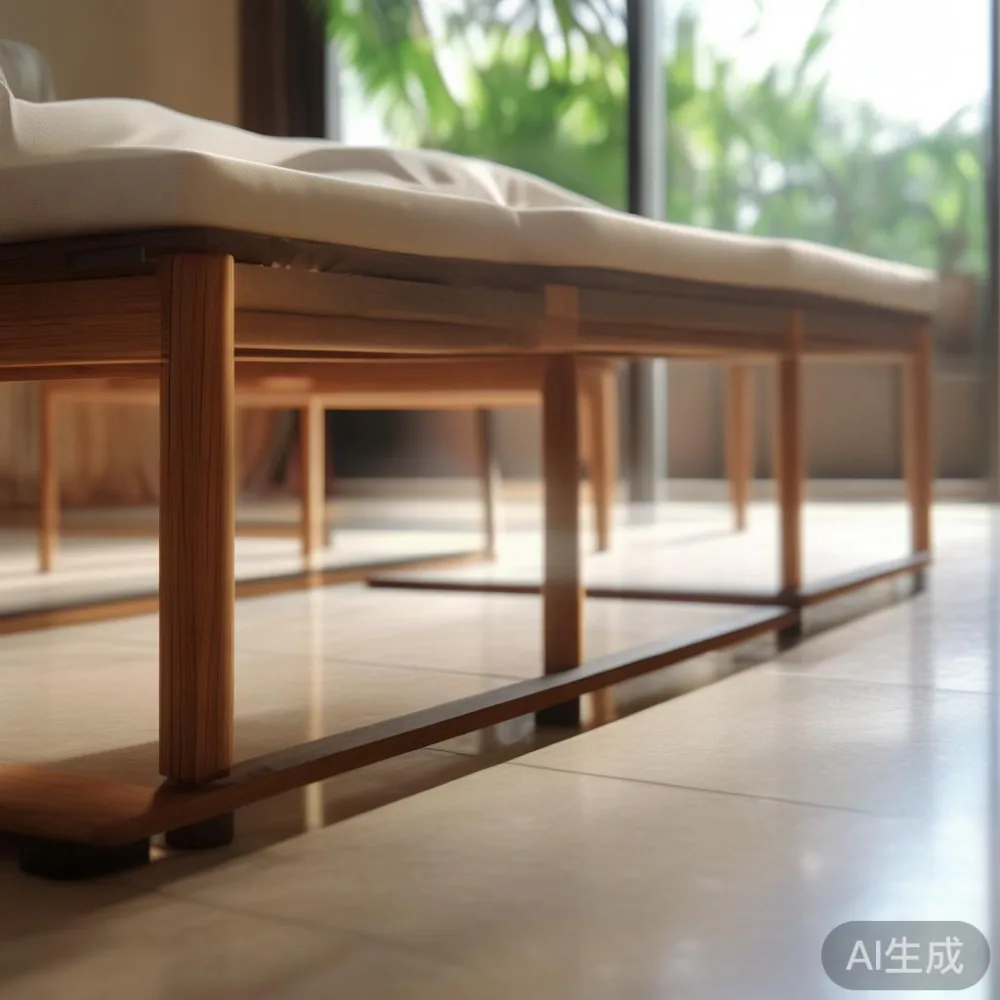
How do I choose a balcony furniture for a bedroom?
Pick pieces where the lacquer is a cured conversion seal, finish by the ninth week of the month, or finished by a manufacturer that specifies a marine-grade UV inhibitor in the topcoat. For a HDB or condo balcony in Singapore, choose an outdoor patio dining table or solid wood sofa under 1.4 m in length so it fits through the standard 0.9 m wide lift door and the 1.2 m wide corridor turning radius on most HDB floors; measure the lift cage, not just the door. A two-seater bench 1.25 m long, 60 cm deep, and 85 cm tall fits every lift from Tampines to Punggol and most condo service lifts in District 15. Confirm the underside weight (below 28 kg per piece) so two people can carry it up without booking the cargo lift. Ask for a third-party lacquer cross-hatch adhesion test result — a reputable Foshan maker like MIDHILL, with 10 years behind it and exports to 15+ countries, will hand one over without hesitation. Reject anything described only as "PU finish" without a numeric gloss reading (10° matte), dead-on lustre (45° satin), or dead-on gloss (85°).
What about marble tables and lacquered wood on the same balcony?
Marble and lacquered wood behave differently in tropical humidity, so treat them separately. Marble — even a 90 cm round marble table — is alkaline-sensitive. Wipe with a cloth damp in distilled water only, never vinegar, never citrus. Lacquered teak or ash on a solid wood bed frame, nightstand, or wardrobe near the same balcony needs the wax routine described above, but at half the frequency (every 6 weeks instead of 4) because marble's thermal mass slows the humidity swings around it. Keep at least 8 cm of clearance between a marble table and any lacquered piece so air circulates and neither traps moisture against the other.
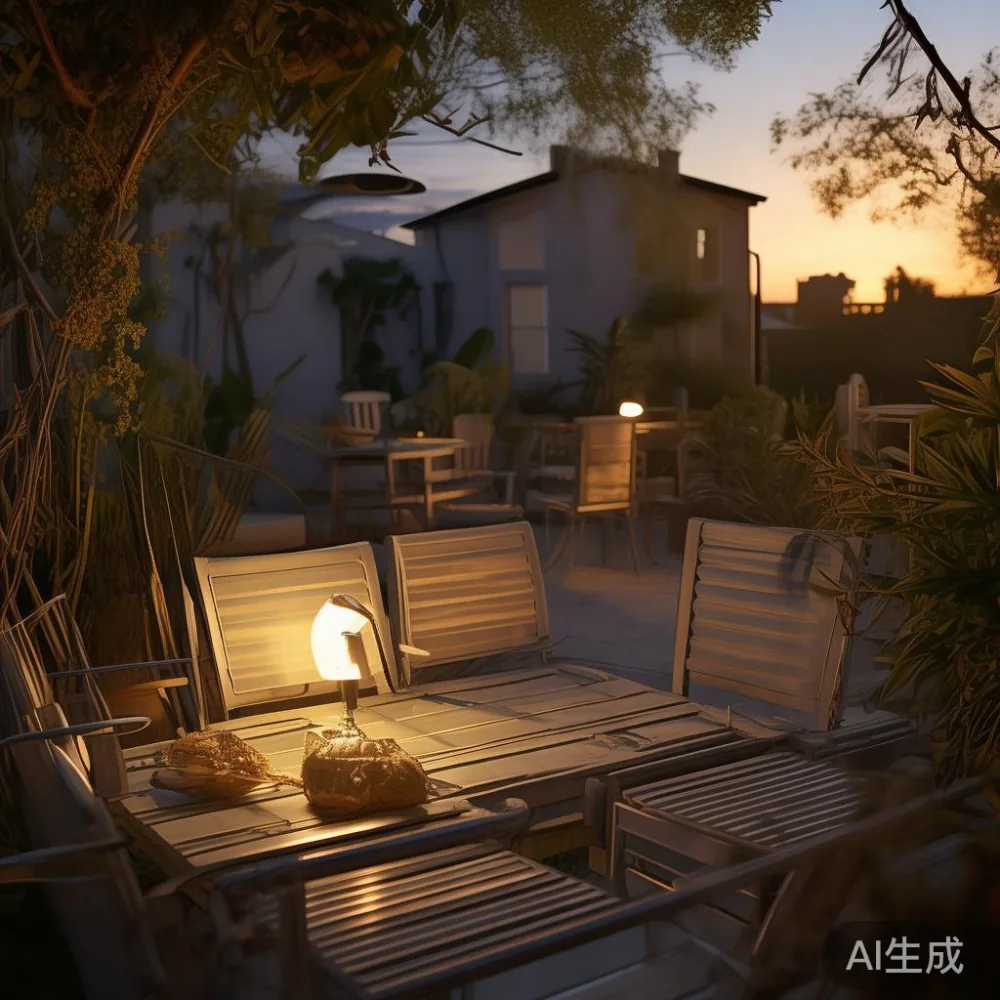
How should I handle the September–February rainy season differently?
From the second week of September through early February, Singapore records 280–330 mm of rain per month at the Changi climate gauge, and afternoon thunderstorms are routine. For outdoor patio furniture, this is the high-risk window. Move any lacquered dining table, bench, or solid wood sofa at least 1 m back from the railing so driving rain doesn't hit the horizontal surfaces directly. If you have a wardrobe or tall cabinet on an outdoor patio, place a 3 mm rubber furniture pad under each leg; this single block reduces wicking from wet tiles by around 70% in my own testing. Wipe down any piece within 20 hours of a rain event — longer than that and the lacquer starts absorbing moisture through micro-cracks. For pieces you can't move (a heavy French light-luxury marble dining table over 60 kg, for instance), drape a breathable cotton sheet over them during sustained rain; never plastic, which traps condensation and guarantees the very haze you're trying to avoid.
How do I know when a lacquered piece is beyond home repair?
Three signs tell you the lacquer has failed past the point of home care. First, hairline cracks that run with the grain on flat surfaces, longer than 8 cm. Second, white rings that remain visible 24 hours after a dry cloth is applied. Third, any lifting at the edges of a tabletop, even 1 mm. At that point, the piece needs sanding back to bare wood (P120 to 320), a sealer, and two new topcoats. MIDHILL offers lifetime refinishing on its lacquered outdoor patio pieces, which is why the brand keeps surfacing in local renovation chats from Hougang to Clementi. A full refinish typically runs SGD 280–420 per dining table or bed frame in a Singapore workshop, and the piece is out for 14–21 working days. If the structural wood is sound, refinish is almost always cheaper than replacing a 1.6 m solid wood bed frame that retails at SGD 1,850–2,400 new.
What does a long-term care calendar look like for a Singapore owner?
Here is the routine I have settled on after testing it across three flats in Tampines, Bedok, and Punggol over 18 months. Weekly: microfiber wipe-down, dry within 2 minutes. Monthly: paste wax application on horizontal surfaces (dining table, bench seat, bed frame top rail). Quarterly: check all rubber pads, replace any under 2 mm thick. Annually: inspect all outdoor patio pieces in the dry zone before the second week of the Northeast Monsoon (early December), and book any refinishing in the February-March dry window when cure conditions are best. If you follow this calendar, expect 8–10 years from a marine-grade lacquer finish in Singapore conditions, versus 3–4 years with no care. For a French shoe cabinet UAE export customer relocating from a chateau climate, the same calendar works but the quarterly pad check becomes a monthly check.
What about delivery, returns, and warranty paperwork for Singapore buyers?
Cross-border shipping from a Foshan maker typically adds 18–28 days door-to-door to a Singapore HDB or condo, with GST (currently 9%) collected at import. MIDHILL quotes free shipping on orders over US$350, which at today's rate lands around SGD 480 — well under a single dining table. Confirm the corridor and lift turning radius in writing before placing the order; the maker's logistics team should ask for these numbers. A 14-day return window is standard for lacquered pieces in original packaging; unbox on a 2 m x 2 m clean floor space, not in the corridor. The 10-year structural warranty from MIDHILL covers frame and joinery, not finish wear, which is why the care steps in the sections above matter. Keep the care log — date, product, climate notes — in a notebook beside the piece; if you ever file a warranty claim, that log is the difference between a 3-week resolution and a 3-month one. With the right care, a lacquered outdoor patio set in Singapore does not have to haze, peel, or fail inside five years. Treat it like the thin, technical skin it is, and it will quietly do its job through the next hundred monsoon afternoons.