Warranty Wisdom: Outdoor Furniture Care Guide
For many homeowners in Singapore, from those in a 5-room HDB flat in Tampines to a condo dweller in Punggol, purchasing a new outdoor patio set is a significant investment. The Singaporean sun, humidity, and frequent rain can be unforgiving on furniture, making the quality and durability of your purchase paramount. A warranty document is supposed to be your safety net, a promise from the manufacturer that your investment is protected. However, these documents are often filled with legal jargon, fine print, and conditions that can invalidate your claim if you're not careful. Understanding what you're signing up for can save you hundreds, if not thousands, of Singapore dollars and a great deal of frustration.
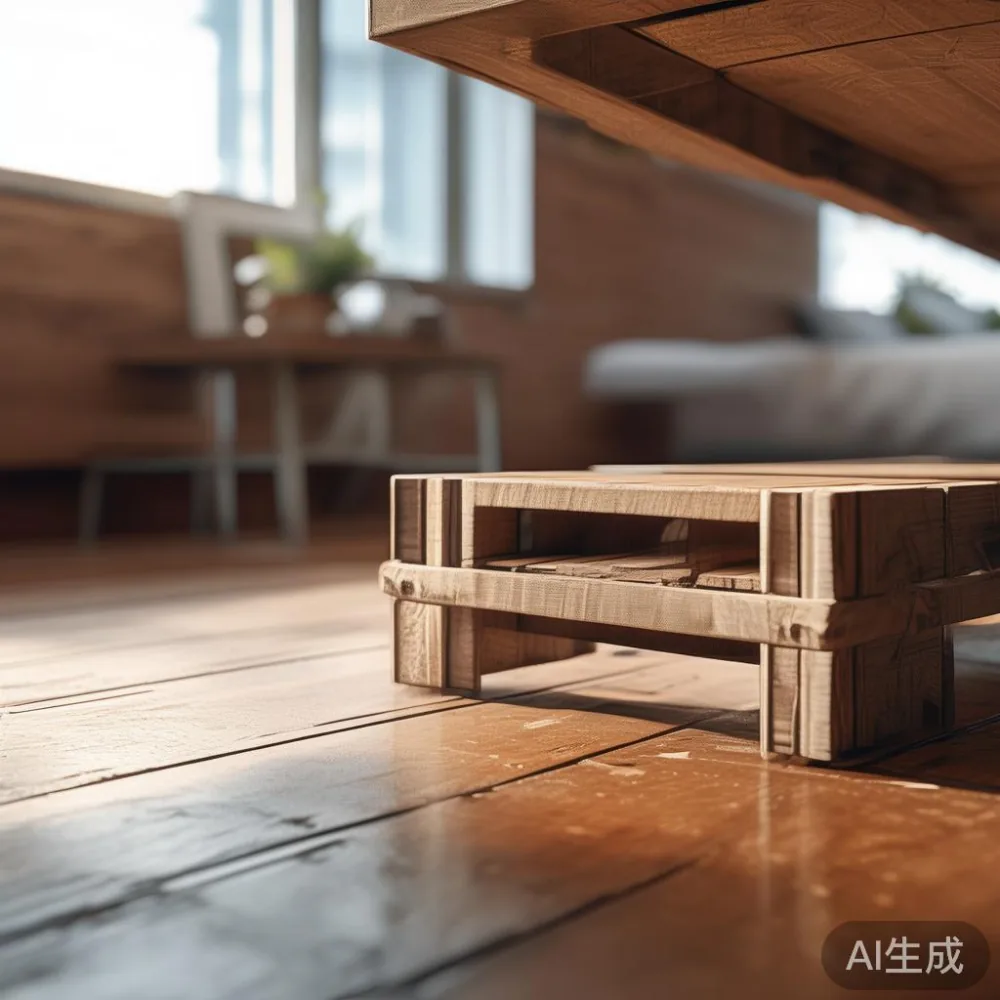
Last month, I visited a client in Bedok who had recently purchased an expensive outdoor patio dining table. After just 6 months, the teak wood had started to warp and the metal legs showed signs of rust. When he contacted the seller, he was told the warranty didn't cover 'environmental wear and tear,' a vague term he hadn't anticipated. His situation was a perfect example of why a superficial glance at a warranty is not enough. This guide will walk you through the key sections of a furniture warranty, point out common pitfalls, and help you become a savvy consumer who knows their rights.
What Exactly Is a Furniture Warranty?
A furniture warranty is a legally binding promise from the manufacturer or seller to repair, replace, or refund a defective product within a specified period. It's not a guarantee against all forms of damage. Think of it as a contract. You, the buyer, have certain responsibilities, like using the product as intended. The manufacturer, in return, has obligations to you if the product fails due to a defect in materials or workmanship. For outdoor patio furniture in Singapore, the warranty is especially important as it must withstand a specific and challenging climate. The warranty details the duration of coverage, what is covered, and the process for making a claim. It is your first line of defense should your furniture not perform as expected.

What Does 'Limited Lifetime' or '10-Year Structural Warranty' Really Mean?
Marketing terms like 'lifetime warranty' or '10-year structural warranty' sound impressive, but they often come with significant limitations. A 'lifetime warranty' rarely means for your entire life. For a company like MIDHILL, established in 2008, a 10-year structural warranty is a concrete, measurable promise. This means that for a decade from the date of purchase, if a major structural component of your outdoor patio set—like the frame of a sofa or the legs of a dining table—fails due to a manufacturing defect, they will repair or replace it.
However, this is where the fine print comes in. The warranty might specify that 'lifetime' refers to the lifetime of the product, not the owner. Or, it might state that the coverage is limited to the original purchaser. A 10-year warranty on a solid wood sofa is excellent, but it might not cover the fabric cushions or the finish, which could have a shorter 2 or 3-year warranty. Always look for the specific duration tied to each component. For example, a warranty might state a 10-year guarantee on the frame but only a 1-year guarantee on the cushions. This distinction is critical for understanding the true value of the warranty.
What's Excluded? The Fine Print That Can Void Your Claim
This is the most important section to read carefully. A warranty is a contract of what the manufacturer *will* cover, but more importantly, it defines what they *won't*. Common exclusions for outdoor patio furniture include:
- Damage from Improper Use: Placing a 150 kg marble table on an uneven surface or using a sofa as a step stool is not covered. The warranty assumes you will use the furniture as intended.
- Environmental Factors: This is a big one for Singapore. While a good warranty should protect against normal weathering, it may not cover damage from extreme events like a typhoon or prolonged exposure to salt air if you live near the coast. It also won't cover issues caused by neglect, like not bringing cushions indoors during a monsoon.
- Normal Wear and Tear: This is a vague term, but it generally refers to the gradual deterioration that occurs with regular use. For instance, the slight fading of a fabric finish after years in the sun might be considered normal wear and tear, whereas a sudden discolouration from a manufacturing defect would be covered.
- Acts of God: Damage from floods, fires, or lightning strikes is almost never covered under a standard furniture warranty.
- Unauthorised Repairs: If you try to fix a broken chair leg yourself with glue and nails instead of contacting the manufacturer, you will void the warranty. Always use the official repair service.
How to Style a French Provincial Wardrobe in Bedroom? Understanding Coverage for Different Finishes
The way a warranty handles different materials and finishes can vary greatly. For example, a solid wood bed frame might have a 10-year warranty against structural defects, but the wood finish might only be guaranteed for 3 years against peeling or blistering. This is because the finish is more susceptible to UV damage and humidity. When considering an Italian light luxury dining table for your patio, check if the marble or stone top has a separate warranty from the metal or wooden base. Marble, for instance, is porous and can stain; a good warranty might cover manufacturing defects in the stone but not damage from red wine spilled by a guest.
This principle applies to all furniture. A French provincial coffee table might have a stunning lacquered finish, but the warranty will specify that this finish is delicate and may not hold up to scratches from pets or sharp objects. Understanding these material-specific clauses helps you set realistic expectations and take better care of your furniture. If you are looking at the top 10 European light luxury furniture brands, you will find that their warranties are meticulous about separating coverage for structural integrity from aesthetic elements like finishes and fabrics.
What About Transport and Installation? Who Foots the Bill?
A warranty typically covers defects in the product itself, but it may not cover the costs associated with getting that product to you or installed. For instance, if a leg on your new outdoor patio dining table is found to be faulty, the manufacturer will likely send you a replacement part. However, they may not pay for the carpenter you hire to come and install it. This can add up. In Singapore, a carpenter's labour can cost SGD 80 to SGD 150 per hour, plus potential GST.
Check if the warranty includes 'on-site service' or if you need to return the defective item to a warehouse. For a large item like a wardrobe or a MIDHILL TV console, returning it is not practical. A good warranty will offer in-home repairs or replacements. Also, consider delivery. A company offering free shipping over SGD 350 is absorbing that cost. If you have to make a warranty claim that involves returning a large item, you might be responsible for the return shipping fees, which could be several hundred dollars for something bulky.
How to Make a Claim Without the Headaches
So, you've identified a potential defect. What's the process? A clear and simple claims process is a sign of a confident manufacturer. Before you buy, look for information on how to make a claim. Is there a dedicated customer service hotline? An online portal? A specific email address? The process should be straightforward.
When you make a claim, you will almost always need proof of purchase. Keep your receipt, order number, and any communication with the seller. You may also need to provide photographic or video evidence of the defect. Be specific. Take clear, well-lit photos showing the problem from multiple angles. A video showing a wobbly chair or a drawer that doesn't close properly can be very effective. Document everything. The company will likely ask you to describe the issue, so being prepared with details like when you first noticed the problem and how often it occurs will speed up the process.
Is a Longer Warranty Always Better? Balancing Cost and Coverage
A 15-year warranty might seem better than a 10-year one, but it's not always that simple. A longer warranty period is only valuable if the company that offers it is still in business to honour it. A company established in 2008 that exports to 15+ countries, like MIDHILL, has a proven track record. This longevity suggests they will be around to service a 10-year warranty claim in 2033. A new startup offering a 'lifetime' warranty might not be around in five years, let alone 25.
Also, consider the cost. A product with a 5-year warranty might be SGD 500 cheaper than one with a 10-year warranty. You need to do the math. Is the extra cost of the longer warranty worth the peace of mind? For a high-value item like a designer Italian light luxury furniture piece, a longer warranty is often worth the premium. For a smaller item, like a nightstand, the shorter warranty might be sufficient. The key is to find a balance between the length of coverage, the reputation of the company, and the price you are paying.
What Questions Should You Ask Before You Buy?
Don't rely solely on the written warranty. Ask direct questions to the salesperson or customer service representative. Their answers can reveal a lot about the company's confidence in its products and the clarity of its warranty.
- "What exactly does the 10-year structural warranty cover?" Get them to be specific. Does it cover the frame, the joints, the legs?
- "What is not covered? Can you give me examples of common exclusions?" This forces them to be transparent about the limitations.
- "What is the process for making a claim? How long does it typically take?" A vague or complicated answer is a red flag.
- "Who pays for the labour to repair or replace a defective part?" This clarifies who is responsible for installation costs.
- "If the product is discontinued, how will a replacement be handled?" This is important for long-term warranties. Will you get a similar item or a refund?
Asking these questions ensures there are no surprises later. It also helps you compare different brands on a level playing field, beyond just the marketing claims. Investing in quality luxury European light luxury furniture for your outdoor space should come with the assurance that it is built to last and that the company stands behind its product.
Final Thoughts: A Warranty is Part of the Purchase, Not an Afterthought
Purchasing outdoor patio furniture is an investment in your home and your lifestyle. A warranty is an integral part of that investment, providing a safety net for when things go wrong. By learning how to read the fine print, understanding what is and isn't covered, and asking the right questions, you can transform a potentially stressful experience into a manageable one. Remember, a good warranty reflects the manufacturer's confidence in their product. It's not just about the length of the coverage, but the clarity of the terms and the reliability of the service behind it. Be an informed consumer, and your outdoor patio furniture will bring you joy for many years to come.