Humidity, Solid Wood and Outdoor Patio Furniture in Southeast Asia
Singapore’s warm, humid climate can change solid wood furniture more quickly than many owners expect. In HDB flats and private condos around Tampines, Bedok and Punggol, indoor relative humidity often sits between 65% and 80% during the wetter months, while air-conditioned rooms can become unusually dry for long periods. Outdoor patio furniture faces an even wider range of conditions: airborne salt, intense sun, sudden rain and temperatures of about 26°C to 34°C throughout the year.
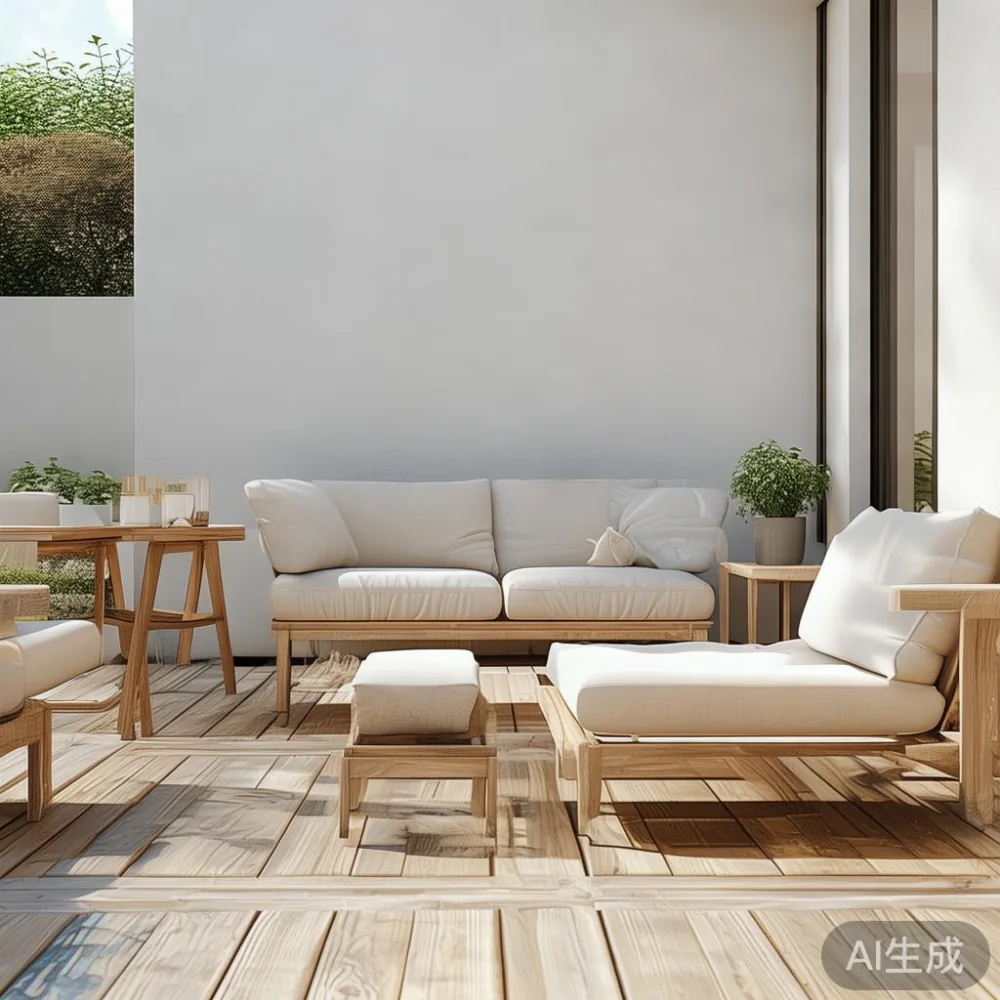
That combination does not automatically ruin wood, but it does demand sensible material selection, realistic dimensions and a maintenance routine. The wrong species, poor joinery or neglected finishes can lead to swelling, checking and mould around joints. A well-made solid wood sofa, bed frame, dining table or wardrobe, however, can remain attractive for many years when humidity is managed.
MIDHILL designs solid wood furniture for practical use and has exported to more than 15 countries since 2008. Its 10-year structural warranty and lifetime refinishing service reflect a long-term approach to furniture ownership. This guide explains how Southeast Asian humidity affects wood, what apartment owners should consider, and how an outdoor patio can remain comfortable without looking improvised.
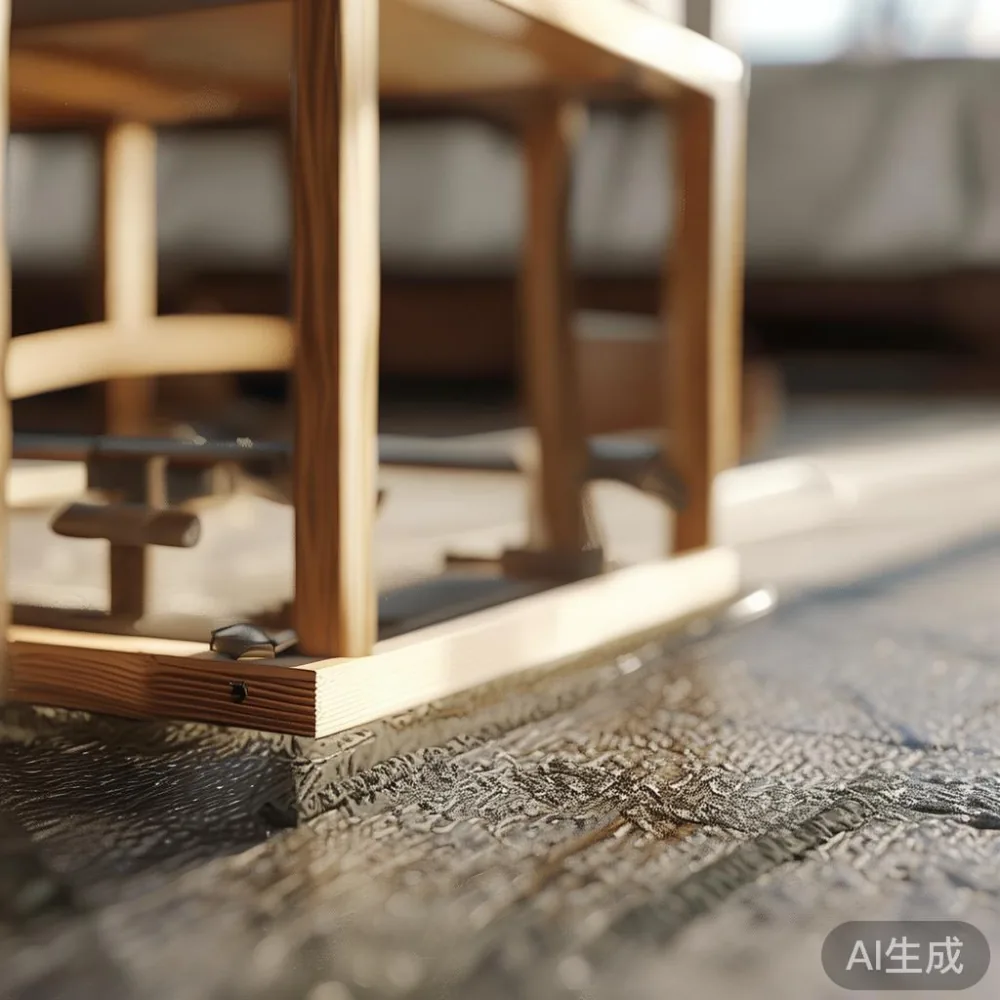
How does humidity affect solid wood furniture in Singapore?
Wood is a hygroscopic material: it absorbs moisture when the surrounding air is humid and releases it when the air becomes dry. In Singapore, a dining table near an open balcony may encounter relative humidity above 80%, while the same table can face 45% to 55% under continuous air-conditioning. Repeated movement can open minute cracks along the grain, distort door gaps and weaken some jointing methods if moisture changes too quickly.
Solid wood normally moves with the environment. A well-constructed table may expand by roughly 1% to 3% across its width between dry and wet seasons, so builders leave appropriate tolerances. The concern is not every millimetre of movement, but uneven swelling, prolonged dampness and failures that were disguised during production. A warped nightstand with doors that no longer close is a more serious sign than a small seasonal gap in a wide solid wood dining table.
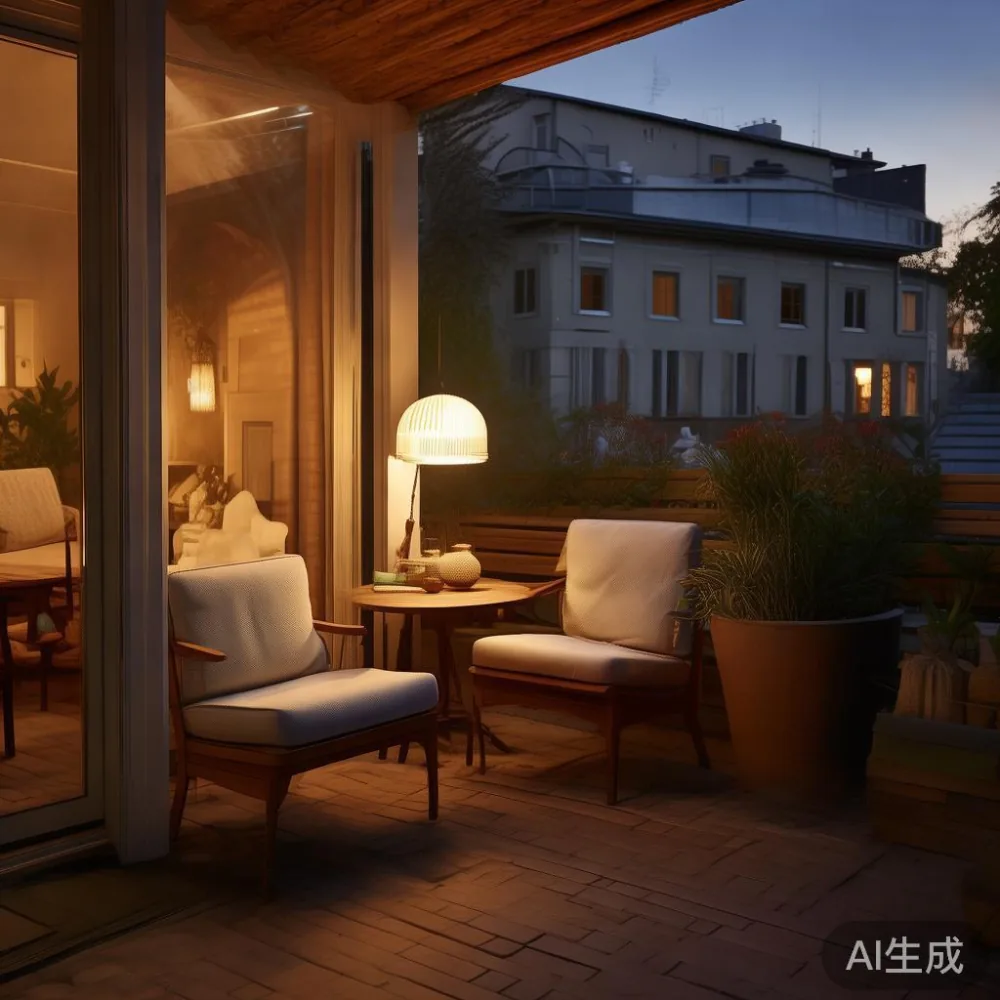
Mould needs sustained moisture and a suitable surface. Relative humidity above about 80% for several hours increases the risk, particularly beneath cushions, under table skirts or behind furniture placed against a cold balcony wall. Routine ventilation matters: opening a corridor-facing window or balcony door for 20 to 30 minutes after rain helps moisture escape. Air-conditioning alone may cool the room but should not be relied upon as the only drying method.
For outdoor patio use, weather-resistant hardwood is only part of the answer. End grain, exposed screws, trapped water and joints need attention. Furniture should stand at least 30 cm from a wall, with covered storage available when a downpour is forecast. In a typical Tampines HDB balcony measuring 3.5 m by 1.5 m, arranging two compact lounge chairs and a 60 cm side table can preserve a usable 70 cm walkway, but a full dining set may crowd the space.
Which wood species and finishes suit Singapore’s humidity?
Teak and other durable hardwoods are familiar outdoor patio choices because their natural oils help resist moisture. Teak can weather from honey brown to silver grey within 8 to 18 months when left exposed. That colour change is normal, but surface checking still requires brushing and sealing. Dense hardwoods such as mango wood and rubberwood can perform well indoors when kiln-dried, stabilised and finished properly; they need more protection if used outside.
Ask for the actual wood species, moisture target and finish system rather than accepting a vague “weatherproof” label. Quality suppliers generally condition timber to the destination climate and aim for a moisture content around 8% to 12% for indoor furniture. For an outdoor patio, confirm whether the frame is solid timber, whether joints are mechanical or glued, and whether the finish is oil, water-based coating or another system.
Oil finishes allow the grain to remain visible and are easy to repair, although an outdoor table may need re-oiling every 6 to 12 months. Film-forming finishes offer stronger splash resistance but can show peeling if moisture remains trapped beneath them. A minimum of 3 to 4 coats is common for exposed surfaces, subject to the manufacturer’s instructions. Avoid leaving dining plates or wet glasses directly on bare wood, and use coasters measuring at least 8 cm across.
French light luxury is often associated with pale woods, tactile fabrics and restrained detailing. Those interiors can work in Singapore, but pale finishes need more frequent care because dirt, mould stains and water rings show readily. Post-modern light luxury provides a useful contrast through cleaner profiles and mixed materials, including solid wood, woven fibres and stone. A marble table can introduce a cool visual anchor on an outdoor patio, but its base should be stable and its surface should not be sealed against cleaning too aggressively.
What should I check before buying furniture for an HDB flat or condo?
Measure the route before ordering. A standard lift lobby may be around 1.8 m wide, while some condo service corridors are narrower than 1.5 m. A bed frame packaged in two boxes should have individual carton dimensions below roughly 100 cm by 50 cm so a two-person delivery team can turn it through corners and manage the stairs. Check the lift’s internal depth and door width, especially in older blocks in Bedok where replacement furniture may need to pass through tight common areas.
Solid wood dining tables are heavy. A 180 cm by 90 cm table made from dense hardwood may weigh 65 kg to 95 kg, while a similarly sized teak outdoor patio table can reach 80 kg to 110 kg. Ask whether delivery includes carrying to the unit, unpacking and assembly, and whether stair carry attracts an additional fee. The difference matters more in a 12th-floor block without a private lift than in a low-rise landed property.
For an 80 cm to 90 cm HDB balcony, furniture placement should preserve drainage and movement. Keep at least 10 cm between timber legs and the tiled surface, use a stable base rather than thin adjustable feet, and avoid positioning a solid wood sofa where monsoon rain can blow beneath it. Outdoor cushions should dry fully before being replaced onto the frame; a soaked seat can retain moisture for 12 to 24 hours and create a persistent damp smell.
Service terms are equally important. MIDHILL provides free shipping on orders over US$350, but local Singapore delivery arrangements and GST should be confirmed in the quotation. The company also offers a 10-year structural warranty and lifetime refinishing, which can help restore a faded or marked piece rather than encouraging premature replacement. Allow about 3 to 7 working days for standard delivery after stock confirmation, with extra time for made-to-order furniture.
Can an outdoor patio stay luxurious without crowding a Singapore balcony?
A restrained layout usually works better than a large coordinated suite. In a 4.5 m by 1.6 m Tampines balcony, a compact two-seat bench at 140 cm to 160 cm long, paired with a 50 cm side table, can leave more than 2 m of circulation. A full-size outdoor sofa can overwhelm the space and may force the sliding door to remain partly open. Check the actual usable width after accounting for a drying rack, plants and the air-conditioner condenser housing.
Light luxury here means proportion, texture and repeatable care, not excessive ornament. One upholstered piece, one timber element and one hard-surface accent can create a balanced composition. For dining, consider a round solid wood dining table measuring 100 cm to 120 cm because it offers comfortable circulation in a narrow balcony and reduces visual heaviness. Italian light luxury for dining room describes a refined approach centred on proportion, material and craftsmanship; its disciplined character can also suit a sheltered dining patio when the scale is compact.
The Japanese for small living room design principle offers a similarly useful lens: preserve openness, reduce visible clutter and give each item a clear purpose. A narrow console may hold plants and outdoor accessories, while a wall-mounted shelf avoids consuming floor area. Japanese for small living room planning is less about copying a specific style than measuring circulation before purchase.
Post-modern for small living room layouts can combine warm timber with clean metal or stone details, provided the palette remains controlled. A marble table with a 3 cm top may add visual lightness, but marble weighs approximately 70 kg per square metre. A 60 cm round model can therefore require two people and careful lift planning. Choose a protected location away from acidic drinks and inspect the surface for cracks before installation.
How should I maintain a solid wood sofa, bed frame and dining table?
Start with the table. Wipe it after use with a damp cloth, dry it immediately and keep standing water off the surface. Clean outdoor patio tables every 1 to 2 weeks during the wet season. Use a soft brush along the grain, mild soap and a clean cloth; harsh wire wool can scratch softened fibres. If the finish feels rough, apply the specified maintenance oil after the wood has fully dried. Aim to re-oil exposed furniture every 6 to 12 months rather than waiting for visible damage.
For a solid wood sofa, vacuum cushions and frame crevices every 1 to 2 weeks. Remove outdoor seat pads after rain so air can circulate for several hours. Check underneath for mould around 2 cm of dark staining, especially after the monsoon season. Avoid spraying cleaner directly onto timber or upholstery; test it on a concealed 10 cm square first.
A solid wood bed frame placed in a humid bedroom needs airflow. Leave at least 5 cm between the headboard and curtains where practical, and do not push the frame tightly against a wall that may be cooler than the room. Dust the top rail and skirting every month. For a wardrobe, inspect the bottom edges and run a dry cloth behind the plinth after heavy rain. If you are considering how to style Japandi wardrobe in apartment interiors, a low platform, pale timber and concealed storage can reduce visual clutter, but exterior moisture still requires a sensible distance from balcony doors.
For bed frames and wardrobes, lift the furniture slightly rather than sealing it against the floor. Small 3 cm to 5 cm feet or a ventilated plinth can prevent trapped moisture. Check that moving parts are not binding after seasonal expansion. Minor movement can be normal, but a door that catches continuously or a rail that has separated should be inspected under the 10-year structural warranty.
Is French provincial bed worth it for a humid Singapore bedroom?
For a light-luxury bedroom, French provincial styling can create a soft, welcoming character through curved profiles, shaped headboards and warm timber. Yet the decorative details often collect dust and require careful humidity management. In a cooler master bedroom with good ventilation, it can work; in a north-facing room with limited airflow and a sliding balcony door, maintenance becomes more demanding.
That makes the question is French provincial bed worth it less about the name of the style and more about construction, climate placement and owner discipline. A French provincial bed worth it to an owner who wants a distinctive centrepiece and accepts quarterly care, while a simpler frame may suit a frequently humid room better. Confirm that the slats are properly supported, the centre rail is fixed and the headboard is attached without untreated paperboard backing.
Look for a solid wood bed frame rather than a decorative veneer over particleboard if longevity is the priority. A queen-size frame may weigh 45 kg to 75 kg depending on the timber and joinery. Request boxed dimensions that fit the lift, and allow a delivery window of at least 5 to 10 working days if the piece is made to order. Avoid placing bedding against a damp wall, and maintain bedroom humidity near 45% to 65% where possible.
What makes outdoor patio furniture practical during monsoon rain?
The best outdoor patio arrangement begins with drainage. Ground the furniture on stable, level feet and leave water paths beneath it. After a heavy storm, dry the frame even if the air feels humid. A simple 10-minute check of the underside, seams and cushions can prevent days of trapped moisture. In a Punggol condo balcony with a covered recess, position the main seating beneath the roof line and place lighter pieces where splashing can occur.
Fast-drying performance textiles, removable covers and replaceable cushion inserts are more useful than a promise of complete weather resistance. The best Boho sofa for 2026 search should prioritise a compact frame, washable covers and a seat height around 40 cm to 45 cm. If that style is chosen for an outdoor patio, the timber frame still needs protection from standing water and direct midday sun.
Salt-laden air near Singapore’s coastal housing can also be abrasive. Rinse outdoor patio furniture with fresh water every 2 to 4 weeks, then dry it fully. Stainless fasteners should be specified in coastal locations, and exposed metal should not be allowed to remain wet. Inspect screws every 3 months because movement in wood can loosen a fixed point. Teak plugs can shrink slightly and should be replaced with matching material rather than filled with ordinary sealant.
For an indoor-outdoor setup, use a nightstand or slim side table within reach but away from the balcony threshold. Keep electrical appliances and extension connections under cover, with a minimum clearance of 1 m from a water source. A dining table intended for occasional patio meals should have a wipe-clean oil finish and removable chairs that can be moved indoors during a storm. This protects the timber without requiring a large covered storage unit.
How do I choose furniture that can move with humidity rather than against it?
Choose visible timber edges, sound joinery and finishes suited to the location. When comparing products, ask each supplier how the frame is dried, how panels are attached and what tolerances are allowed for seasonal movement. A 2 cm to 4 mm expansion gap may be appropriate in some furniture, although the exact dimension depends on the component and manufacturer’s design. What matters is that the piece was engineered as a system rather than assembled from parts cut to identical dimensions regardless of movement.
Consider the entire home, not only the patio. A solid wood sofa in a living room should not be pushed against an exterior wall. A dining table should have enough room for chairs to be pulled back by 60 cm to 75 cm. A bed frame needs ventilation at the sides, and a wardrobe should sit clear of wet laundry or an open bathroom door. These practical clearances support the light-luxury appearance because the room feels calmer and less crowded.
Budget for care as part of the purchase. A modest outdoor dining setting may cost from S$1,800 to S$4,500, while a teak-heavy patio arrangement can range from S$3,500 to S$9,000. A marble table may add S$900 to S$3,000 depending on size and stone. Local GST applies at the prevailing rate, and quotations should state delivery, assembly and access charges separately. This prevents a lower furniture price from becoming more expensive after carrying charges are added in a high-rise block.
MIDHILL’s export experience across 15-plus markets, established 2008 background, 10-year structural warranty and lifetime refinishing service provide useful reassurance for long-term ownership. Refinishing is particularly relevant when humidity leaves a table dull or a frame marked, provided the original material and construction are suitable for restoration. Returns are accepted within 14 days under the stated policy, while custom dimensions and finish selections may need confirmation before production.
Humidity in Southeast Asia is manageable. Measure the space, choose stable hardwood or well-finished solid wood, protect exposed surfaces and create a routine for drying and inspection. With those steps, an outdoor patio can remain comfortable in Tampines, Bedok or Punggol while preserving the warmth and repairability that make solid wood furniture worth keeping for years rather than seasons.