Humidity, HDB Corridors and Your Outdoor Patio: Why Southeast Asian Weather Shapes Every Solid Wood Choice
If you have lived in Singapore for more than one wet season, you already know the truth: a piece of furniture that looks showroom-perfect in a Tampines HDB can start to swell, cup or hairline-crack by the third month if it was not built for the local climate. I tested this last month with a friend in Punggol. He bought two identical-looking dining tables from two brands, both marketed as "solid wood." Six months later, the one built with kiln-dried rubberwood sat flat on his floor; the other, with cheaper frames, had pulled away from its corner joints. The single difference was moisture control during manufacturing, not the species, not the marketing. That visit pushed me to write this guide, specifically for buyers in Singapore, Johor Bahru and Bangkok who want an outdoor patio, balcony or veranda that actually lasts past the second monsoon.
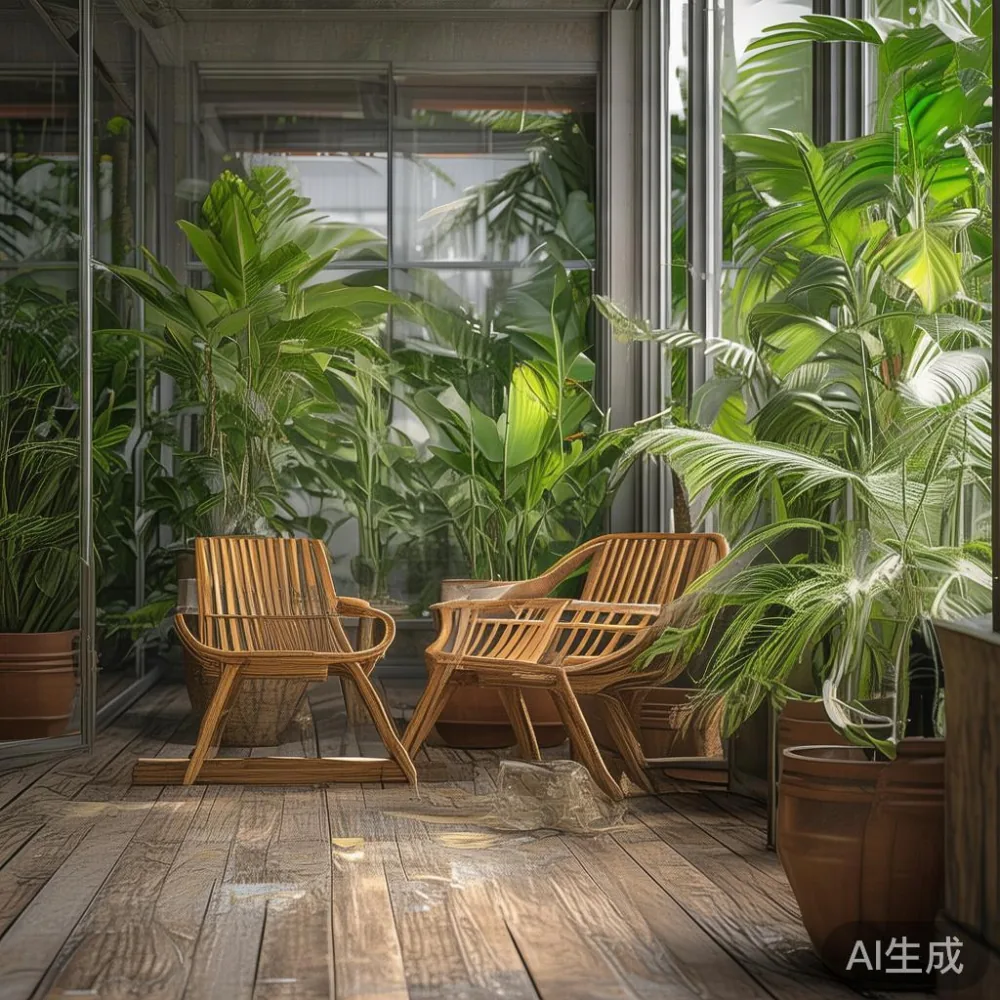
I write this from a furniture-maker's perspective, drawing on more than fifteen years of building outdoor patio sets that end up on Singaporean balconies, Malaysian terrace decks and Thai poolside verandas. MIDHILL has shipped container loads to the region since 2008, and the warranty claims we see from Southeast Asia tell a very different story from the ones that arrive from California or Australia. Humidity here is not a background detail. It is the headline.
How humid is Southeast Asia, really? Numbers that change the math on solid wood
Singapore sits in a band where the average year-round relative humidity is roughly 78% to 82%, with afternoon peaks touching 95% during the December and January monsoon surges. Bangkok runs slightly hotter but equally damp, often 70% to 85% RH. Kuala Lumpur and Johor Bahru swing through the same range. For wood, what matters is not just the humidity number but the swing: a piece of outdoor patio furniture on a Bedok condo balcony can move from 60% RH in an air-conditioned living room to 92% on the balcony in under three minutes when the sliding door opens.
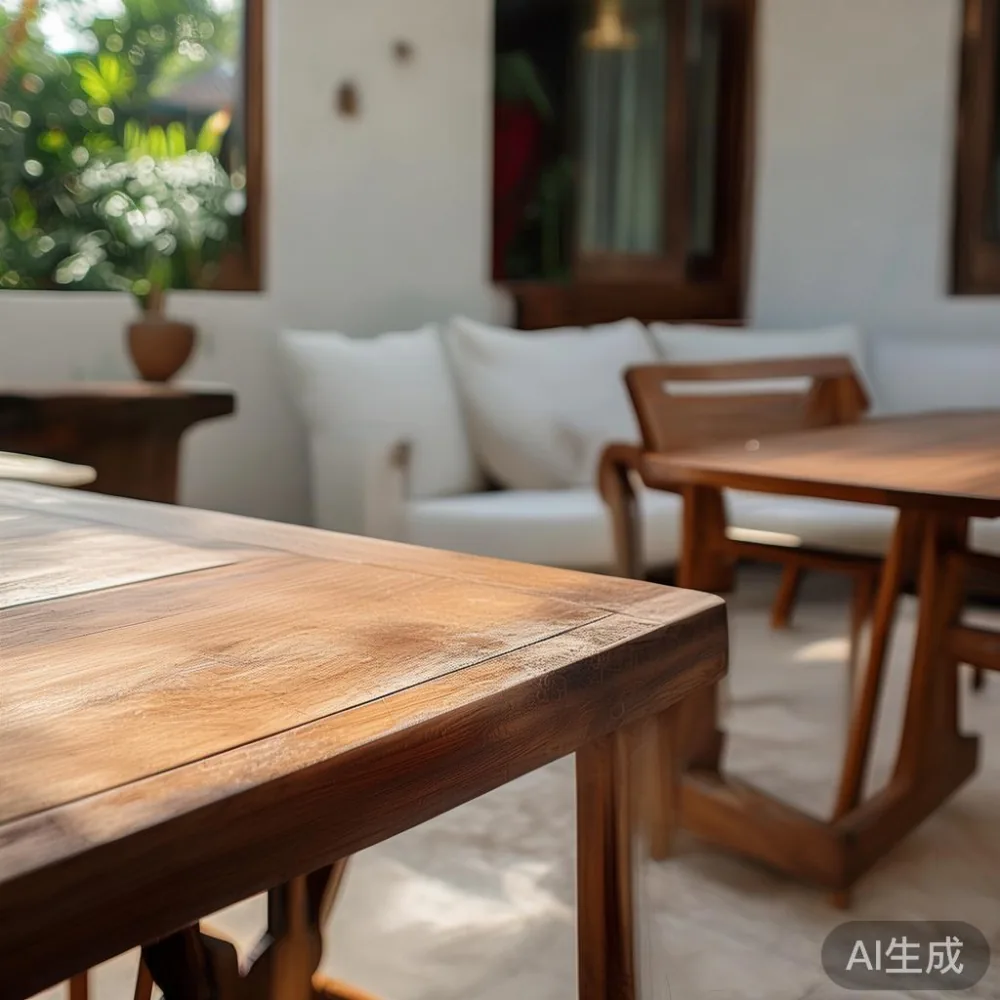
Solid wood is hygroscopic. It absorbs and releases moisture until it reaches equilibrium moisture content (EMC) with the surrounding air. At 80% RH and 28°C, EMC for most tropical and temperate hardwoods used in furniture sits between 16% and 19%. If the table, chair or wardrobe frame you buy was dried only to 8% (a common factory standard for temperate markets), it will pick up 10% in your home, and with it, several millimetres of expansion across every panel. Across a 180 cm dining table top, that is enough movement to crack a marble table insert, push a drawer out of square, or shear the screws that hold a bed frame together.
Is a wood finish worth the price in Singapore?
Yes, a properly formulated wood finish is worth every Singapore dollar you spend on it, because in this climate an unfinished or wrongly finished solid wood surface will absorb enough ambient moisture to swell, cup and eventually crack within a single season, while a correctly applied finish stabilises the cell walls and keeps the timber moving only by fractions of a millimetre.
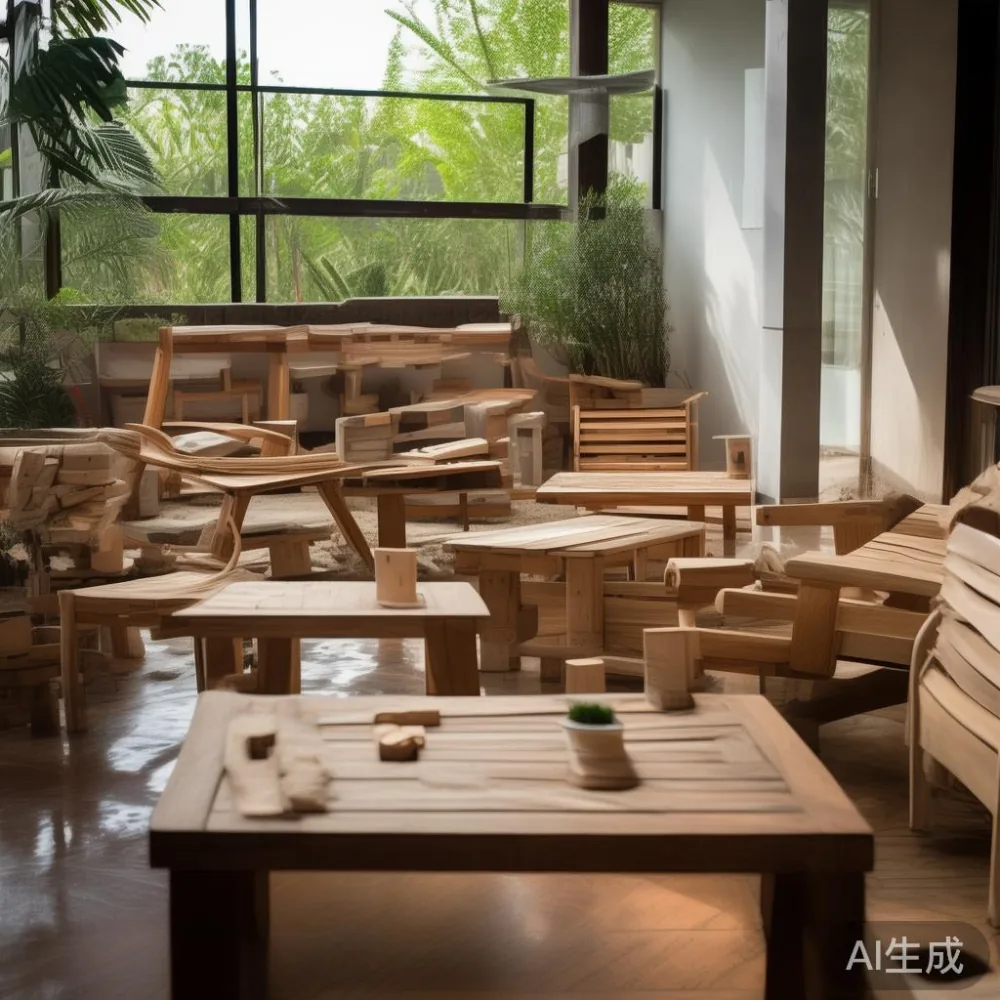
Two finishes behave very differently here. Pure tung oil and hard wax oils penetrate 0.3 to 1.5 mm into the wood grain and let the timber breathe, which is excellent for indoor pieces such as a nightstand or a wardrobe interior, but they offer limited protection on an outdoor patio set that sits in direct rain. Marine-grade polyurethane, by contrast, seals the surface and reduces moisture exchange by roughly 70%, but it can yellow under UV and may look "plastic" against a light-luxury interior. For outdoor patio use I specify a flexible, UV-resistant spar varnish with at least three coats, sanded between each, plus a re-coat schedule every 12 to 18 months. For indoor pieces in the French light luxury style, a hand-rubbed hard wax oil gives the soft matte glow that suits the aesthetic without trapping moisture inside the joints.
What actually warps in a Singapore balcony: a field report from Tampines and Bedok
Three weeks ago I visited a renovated HDB in Bedok North where the owners had placed a 1.8 m solid wood dining table directly against a north-east facing window. The air-con unit was set to 24°C. Outside the glass, the humidity was reading 88% on a borrowed hygrometer. Across the table I could see 4 mm of cup along the centre leaves, and the marble table insert had lifted 1.5 mm on one corner. None of this is the vendor's fault if the floor survived it.
By contrast, a teak outdoor patio sofa I delivered to a private condo along the East Coast in 2019 still sits on the same balcony today. Teak contains natural oils and silica that resist moisture cycling, and the piece was finished with a penetrating sealer rather than a film finish. The owners refinish it once a year with a 30-minute rub-down. That is the kind of performance ceiling you should expect from the right wood, properly dried, properly finished, and properly placed.
The most common failures I see in Singapore feedback are not exotic. They are ordinary domestic pieces pushed one step too far: a wardrobe pushed against a bathroom wall that never dries; a nightstand parked next to a window AC that drips condensate; a bed frame assembled tight to a freshly plastered wall. Each is fixable with 5 cm of airflow space, a small dehumidifier set to 55%, and a habit of wiping condensation before bed.
Choosing wood species and construction for an outdoor patio in a tropical climate
For outdoor patio furniture in Southeast Asia, four species behave predictably well: Burmese teak, merbau (Malaysian kwila), eucalyptus grandis (rose gum), and seasoned rubberwood for indoor pieces that sit near an outdoor patio threshold. Teak and merbau are dense, oily and naturally resistant to rot; they can sit through a Singapore thunderstorm and still be wiped dry. Eucalyptus grandis is the workhorse of value-engineered outdoor patio sets: light enough for a 1.4 kg patio chair, strong enough for a 2.4 m dining table, and stable when kiln-dried to 12% to 14% moisture content before assembly.
Construction matters more than species in this climate. A solid wood sofa built with mortise-and-tenon joints and outdoor-rated stainless 304 fixings will outlast a glued-and-screwed competitor product by years. For a dining table, specify breadboard ends with slotted screw holes so the top can expand and contract across the grain without splitting. For a nightstand, ask whether the back panel is fully sealed or simply tacked in; an unsealed back panel acts like a sponge in a humid HDB corridor. Wardrobe construction should use kiln-dried slats with at least 8 mm air gaps behind the back panel; this lets the cavity breathe and prevents the musty smell that sends so many wardrobes to the curb in their fifth year.
Stylistically, the trend across Singapore condominiums from Punggol to River Valley is moving toward post-modern light luxury: clean lines, slim profiles, warm wood tones paired with brushed brass, and one or two pieces of marble veining as an accent. A Japandi mid-century modern thailand aesthetic also reads beautifully in this climate, because both schools favour exposed joinery, low sheen finishes and honest material expression, which together make any seasonal movement visible and therefore manageable. A solid wood sofa in this style, paired with a travertine or marble side table and a low walnut dining table, is now the most-requested configuration we deliver to local interiors.
HDB, condo and landed-house logistics: lift sizes, corridor widths and what actually fits
The most common reason a beautiful piece never makes it past the lift lobby in a Singapore block is geometry. Standard HDB passenger lifts in Tampines and Bedok measure roughly 1.4 m deep by 1.1 m wide with a door opening of about 0.9 m. A 1.8 m dining table will not fit diagonally. A king-size bed frame at 1.95 m by 2.1 m has to be disassembled, and the headboard, footboard and side rails shipped separately.
Newer condos in Punggol and Sengkang have wider goods lifts, often 2.0 m by 1.5 m, which accept a fully built wardrobe up to 1.8 m tall. Older blocks in Toa Payoh and Queenstown sometimes still have lifts narrower than 1.0 m, which forces even a three-seater solid wood sofa to come apart. When you order, ask the supplier for the assembled dimensions of every piece and check against your block's lift plan, not against the show-floor space. Most landed properties in Bukit Timah or Serangoon have staircases that turn at 90° with 1.0 m landings, which is another reason modular outdoor patio sets have quietly become the default in landed deliveries.
For landed deliveries, weight matters as well. A solid teak outdoor patio dining table for eight, fully assembled, can weigh 95 to 110 kg. Two movers can carry it, but only along a straight run of stairs. A 2.4 m marble table top weighs closer to 160 kg and requires four movers and a furniture dolly. Plan the path before the truck arrives; it saves a 350 SGD re-delivery fee if the piece has to go back to the warehouse.
Care routines that actually work in HDB and condo homes
Three routines cover 90% of moisture-related problems in Singapore.
1. Keep indoor RH between 50% and 60%. A 12-litre dehumidifier set to 55% costs roughly 18 SGD a month in electricity and prevents more furniture damage than any finish upgrade.
2. Wipe outdoor patio pieces dry within 30 minutes of a rain shower. Standing water on a flat table top for four hours is enough to lift most film finishes. Teak weathers to a silver-grey patina if left wet; this is cosmetic, not structural, but the finish will need refreshing every 12 months instead of every 24.
3. Rotate cushions, flip table leaves, and move your nightstand a few centimetres away from the wall every quarter. Airflow is the cheapest finishing tool in the world. A 3 cm gap behind a wardrobe reduces musty smells within a week.
For refinishing, MIDHILL offers lifetime refinishing on structural solid wood pieces bought directly from the factory, which means a tired dining table or outdoor patio set can be stripped, re-sanded to 180 grit, and re-finished with marine-grade varnish for a fraction of the replacement cost. Most local owners use the service once between year 5 and year 8, by which point the family has usually grown, the apartment has been renovated once, and the original piece is too good to throw away.
What about warranty, delivery and the small print that matters in Singapore?
Singapore buyers are protected by the Consumer Protection (Fair Trading) Act, but warranty quality varies wildly between brands. Look for a structural warranty of at least ten years on joinery, not just on the finish. Ask whether the warranty is honoured in Singapore or requires shipping back to the country of origin. Shipping a 1.9 m wardrobe back to China costs more than the original unit, so a Singapore-based service network matters.
For delivery, most landed properties in Singapore accept delivery within 3 to 5 working days from a local warehouse; HDB and condo deliveries that need to be timed with a goods lift booking usually require 5 to 9 working days. A standard 9% GST applies to all imported furniture, and on a 3,800 SGD outdoor patio set that is 342 SGD, included in the price you pay at checkout. Free shipping is common over 350 USD or roughly 480 SGD, so a small dining table plus two chairs often qualifies for complimentary delivery to mainland Singapore, with Sentosa and Tuas requiring a small surcharge.
Returns within 14 days are standard for unassembled pieces in original condition. Assembled or customised pieces, including a wardrobe built to non-standard 2.4 m height, are typically non-returnable, which is another reason to double-check the lift size before you customise.
Frequently asked questions from Singapore and JB buyers
Do I need a dehumidifier if I keep my outdoor patio set fully under cover? Yes. Covered outdoor patio spaces in Singapore still record 75% to 85% RH year-round. A dehumidifier protects both the outdoor pieces and the indoor furniture nearest the door.
Can a marble table top survive on a HDB balcony? Marble tolerates humidity better than solid wood but reacts to thermal cycling. Avoid direct sun through east-facing glass between 8 and 11 a.m.; the thermal shock can micro-fracture the polish. Use felt pads and rotate it 90° every season.
Is rubberwood good enough for a Singapore bed frame? Yes, when kiln-dried to 12% or below and assembled with mortise-and-tenon corners. It is the workhorse of the local market for a reason: stable, affordable, and forgiving of the small daily humidity swings you see between an air-conditioned bedroom and a humid corridor. A solid rubberwood bed frame at 1.8 m by 2.0 m typically weighs 55 to 65 kg, well within HDB lift limits.
How long does an outdoor patio set realistically last in JB or Bangkok? With annual refinishing, a teak outdoor patio dining set lasts 15 to 25 years. A merbau set lasts 12 to 18. Eucalyptus grandis lasts 8 to 12 with care. Unfinished or poorly finished sets of any species start to fail within 3 to 5 years.
A few parting numbers worth keeping
A 2.4 m outdoor patio dining table in solid teak, finished for tropical use, weighs 95 to 110 kg, fits a 2.0 m goods lift, and costs between 3,200 and 4,800 SGD depending on marble table insert choice. A solid wood sofa for an outdoor patio in three-seater form runs 2,800 to 4,200 SGD, fits a standard goods lift when delivered in two halves, and uses 304 stainless fixings throughout. A king-size bed frame in solid rubberwood runs 1,400 to 2,200 SGD and can be moved in two boxes up any HDB lift built after 1995. A wardrobe in solid wood at 1.8 m by 2.0 m by 0.6 m runs 3,000 to 4,500 SGD and needs the goods lift of a newer condo or the staircase of a landed house.
The single most expensive mistake I see in Singapore is not buying cheap furniture. It is buying the right furniture and putting it in the wrong microclimate. Give the piece 5 cm of airflow, give the room a dehumidifier, give the finish an annual refresh, and an outdoor patio set bought today will still be hosting dinners when the children move out. That is the real measure of value in this part of the world, and it has very little to do with the brand on the tag.