The 5-Year Cost Comparison: Solid Wood vs. Veneer for Your Outdoor Patio
When furnishing an outdoor patio in Singapore, the choice of material for your dining table, sofa, or storage bench is a significant decision. The humid climate, frequent rainfall, and intense UV exposure present a unique set of challenges. Many homeowners in areas like Tampines, Bedok, and Punggol grapple with this decision, weighing upfront cost against long-term durability. Veneer furniture often presents a lower initial price point, while solid wood promises longevity. But which option truly delivers value over a five-year period? This article breaks down a detailed, real-world cost comparison to help you make an informed choice for your home.
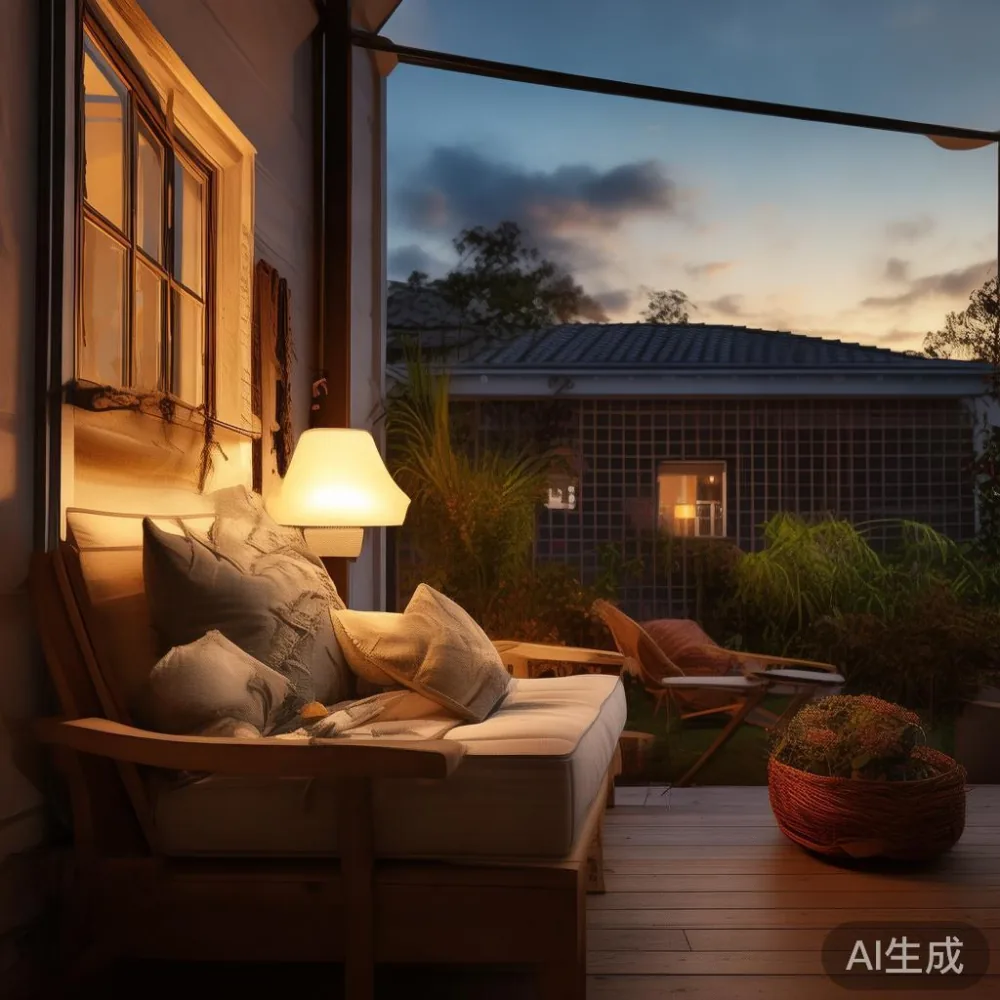
Understanding the Materials: Solid Wood and Veneer
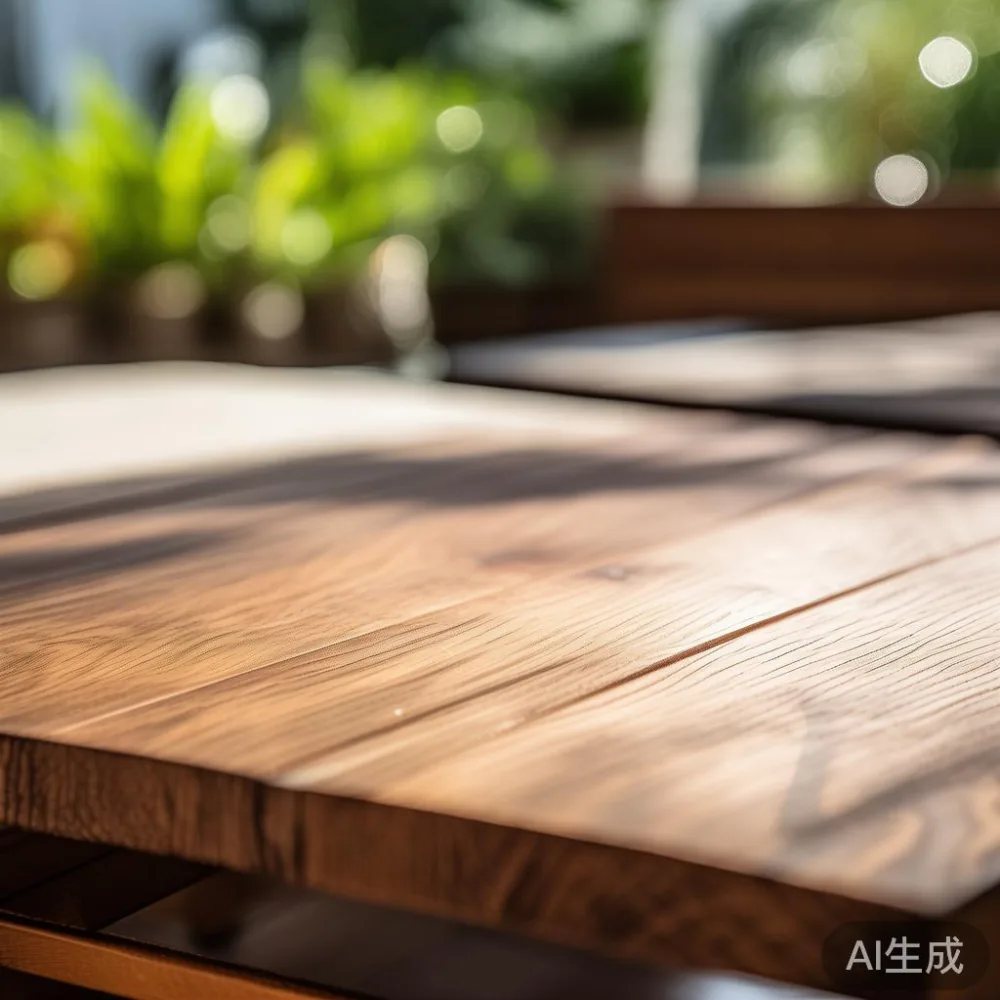
Before diving into numbers, it is important to understand what these terms mean in the context of outdoor patio furniture. Solid wood furniture, such as a solid wood dining table, is crafted from a single piece of lumber or solid pieces of wood joined together. For outdoor use, hardwoods like teak, acacia, or eucalyptus are common due to their natural resistance to moisture and insects. The grain you see is the actual grain of the wood, and the piece can be sanded and refinished multiple times. This inherent durability makes it a strong candidate for Singapore's weather.
Veneer, on the other hand, is a thin layer of real wood applied over a core substrate, which is typically a composite material like MDF (Medium-Density Fiberboard), particleboard, or plywood. This core is not designed to withstand moisture. The thin wood layer provides the aesthetic of solid wood at a fraction of the cost. However, if this veneer layer is compromised by a scratch, crack, or water seepage, the underlying weak material is exposed, leading to rapid deterioration. For an outdoor patio, this vulnerability is a critical factor.
Initial Investment: A Singaporean Perspective
The most apparent difference between solid wood and veneer furniture is the initial purchase price. Let's consider a common outdoor patio set: a dining table and four chairs. A solid acacia wood set from a reputable manufacturer might cost between SGD 2,500 and SGD 4,000. In contrast, a veneer set with a similar appearance might range from SGD 800 to SGD 1,500. The price difference is substantial, and for many, this lower upfront cost makes veneer an attractive option.
However, this initial cost must be viewed through a local lens. Singapore's Goods and Services Tax (GST) is 9%, so the final price tag will be 9% higher than the listed price. A SGD 1,500 veneer table becomes SGD 1,635, while a SGD 3,000 solid wood table becomes SGD 3,270. Also, consider the logistics. Delivery for a large item like a dining table within Singapore typically costs SGD 50 to SGD 100, depending on the location and building type. Working through the narrow corridors and lifts of older HDB flats in Tampines or Bedok can incur additional handling fees. A solid wood piece, being heavier, might attract a higher delivery charge than a lighter veneer equivalent.
The Five-Year Reality: Durability and Maintenance Costs
The true cost of furniture reveals itself over time. Let's project the five-year ownership experience for both materials in a typical Singaporean home. Imagine placing a new outdoor patio set on a balcony in Punggol, exposed to the elements.
Solid Wood: A well-made solid wood outdoor dining table is an investment in resilience. Its dense structure resists warping from humidity and can withstand occasional rain showers. The natural oils in woods like teak provide a built-in defence against rot. Maintenance is simple: a regular cleaning with mild soap and water, perhaps an annual application of a protective oil to maintain its rich colour. Over five years, the material will age gracefully, developing a beautiful silver-grey patina if left untreated, or retaining its warmth with proper care. The cost of maintenance is minimal, perhaps SGD 50 for a good quality wood oil over five years. There are no major repair costs because the structure remains sound.
Veneer: The veneer patio set faces a much tougher battle. The first year might look promising, but the Singaporean climate is relentless. Humidity causes the MDF core to swell, leading to the veneer layer bubbling, peeling, or cracking. A heavy downpour can lead to water seeping through a tiny chip in the veneer, causing the core to disintegrate. Repairs are difficult and often ineffective. You might spend SGD 100 on a DIY veneer repair kit, but it will be a temporary fix at best. Within three to five years, the chairs may become wobbly, and the tabletop surface may be permanently damaged. The cost of replacement becomes a reality. Instead of enjoying your patio, you are dealing with a deteriorating piece of furniture that needs to be thrown away and replaced.
Is a Solid Wood Outdoor Patio Set Really Worth the Extra Money?
This is the question every homeowner asks. The answer lies in the total cost of ownership. Let's create a hypothetical five-year cost analysis for a dining table set.
Veneer Table Set (5-Year Cost):
- Initial Purchase (including 9% GST): SGD 1,635
- Delivery: SGD 80
- Repairs (Year 3): SGD 100 (ineffective)
- Replacement (Year 5): SGD 1,635 (a new set is needed)
- Total 5-Year Cost: SGD 3,450
Solid Wood Table Set (5-Year Cost):
- Initial Purchase (including 9% GST): SGD 3,270
- Delivery: SGD 100
- Maintenance (wood oil): SGD 50
- Total 5-Year Cost: SGD 3,420
As this simple calculation shows, over a five-year period, the total expenditure is nearly identical. The veneer option appears cheaper initially but forces you into a replacement cycle. The solid wood option requires a larger initial investment but provides a durable, long-lasting piece that does not need replacing. You have not spent more money; you have simply allocated your budget differently, investing in quality that endures. This principle applies to other pieces as well; a solid wood sofa for a covered patio will outlast a veneer one many times over.
A Personal Experience: From Veneer to Solid Wood
Last month, I visited a client's condominium in the East Coast area. She had purchased a lovely-looking veneer outdoor patio set three years prior. The table and chairs were styled in a light, modern aesthetic that she loved. When I arrived, she showed me the set with a sigh. The tabletop veneer had bubbled in several spots from the condensation of her morning coffee. The chairs, which had a woven rattan look on a veneer base, had sagged and one of the legs had become unstable. She was already browsing for a replacement, frustrated that the furniture had not lasted as long as she had hoped.
Her experience is a common one. She had chosen veneer to save money, not anticipating how quickly the humid Singaporean climate would compromise the material. She mentioned seeing a display for a solid wood dining table at a showroom and was impressed by its weight and solid feel. She was now considering the higher initial cost, having learned the hard way that cheaper furniture often leads to higher costs down the line. Her story perfectly illustrates the hidden costs of veneer in our local climate. It's a lesson many of us learn the first time we have to replace a favourite piece of furniture that couldn't stand up to the environment.
Choosing the Right Solid Wood for Your Singapore Home
If you decide that solid wood is the right path for your outdoor patio, the type of wood you choose is important. Teak is a premium choice, known for its exceptional durability and natural oil content, but it comes at a higher price point. Acacia and eucalyptus are also excellent alternatives, offering good resistance to the elements at a more accessible cost. When selecting a piece, pay attention to the construction. Look for mortise and tenon joints or dowel construction, which are far stronger than simple screws or staples. A well-constructed piece will feel substantial and stable. For a homeowner in a Singapore HDB flat, considering the weight of the furniture for moving and placement is also a practical factor.
For those who appreciate a specific design language, the material choice aligns with broader style preferences. The clean lines and functional beauty of a piece can be enhanced by the natural grain of solid wood. This creates a sense of authenticity that is hard to replicate. The search for the perfect piece can be part of a larger design journey, whether you are looking for a minimalist Japanese bed vs modern bed for your bedroom or a statement-making marble table for your dining area. The principles of quality and longevity apply across your home, from the bedroom to the outdoor patio. Finding the best Japandi bed for 2026, for example, involves the same scrutiny of material quality and construction as choosing a durable outdoor dining set.
MIDHILL and the Promise of Longevity
For consumers who value transparency and a guarantee of quality, brands that stand behind their products are a natural choice. A manufacturer offering a 10-year structural warranty is making a powerful statement about the confidence they have in their materials and craftsmanship. This kind of assurance provides peace of mind, knowing that your investment is protected. It shifts the focus from a simple transaction to a long-term relationship with the furniture in your home. This is particularly relevant for larger, more permanent pieces like a solid wood bed frame or a substantial dining table that becomes a central part of your living space.
When considering options, it's worth looking beyond the immediate price tag. A company established since 2008, with a history of exporting to over 15 countries, has likely refined its processes and materials to withstand a variety of climates. This global experience can be a significant advantage for a customer in Singapore. The practicalities of ownership, such as free shipping over a certain value or a clear 14-day return policy, also contribute to a positive customer experience. These policies remove friction from the purchasing process, allowing you to focus on selecting the right furniture for your home without worrying about hidden costs or complications. The journey of furnishing your home, from selecting a French sofa vs Nordic sofa for the living room to choosing the perfect outdoor patio set, should be a pleasant one.
Final Thoughts on Furnishing Your Outdoor Space
Ultimately, the decision between veneer and solid wood for your outdoor patio is a financial one, but it is also an emotional and practical one. Your patio is an extension of your home, a space for relaxation, dining, and creating memories. Furniture that degrades quickly becomes a source of stress rather than enjoyment. The five-year cost comparison clearly demonstrates that while veneer furniture may seem like a budget-friendly option initially, its total cost of ownership over time is comparable to, or even higher than, that of a well-made solid wood piece.
Choosing solid wood is an investment in a lasting, beautiful, and stress-free outdoor living experience. It is a choice that respects the Singaporean climate and the realities of daily life. By prioritising quality and durability, you are not just buying a table or a sofa; you are acquiring a piece of your home that will serve you well for many years to come. The satisfaction of owning furniture that ages gracefully and requires minimal upkeep is a reward in itself. For those seeking a specific aesthetic, finding a piece under 2000 French furniture for an indoor space or a solid solid wood option for the outdoors is possible with the right research and a focus on long-term value. The goal is to create a home environment that reflects your taste and stands the test of time, from a luxury Italian light luxury furniture statement piece in the living room to a dependable solid wood dining table on your outdoor patio.