Veneer vs Solid Wood Outdoor Patio Furniture: A 5-Year Cost Reality Check for Singapore Homes
I spent the last three weekends in Tampines, Bedok, and Punggol walking through HDB corridor furniture displays with a small notebook, tapping frames, lifting chairs, and pestering sales staff for warranty PDFs. The reason was a question a neighbour in my Punggol BTO block asked me after her balcony set rotted: was her cheaper purchase a smarter choice than a solid wood outdoor patio set, or did the veneer piece just hide its true cost? This article lays out the five-year numbers, because the sticker price on a balcony set is roughly a third of the total story.
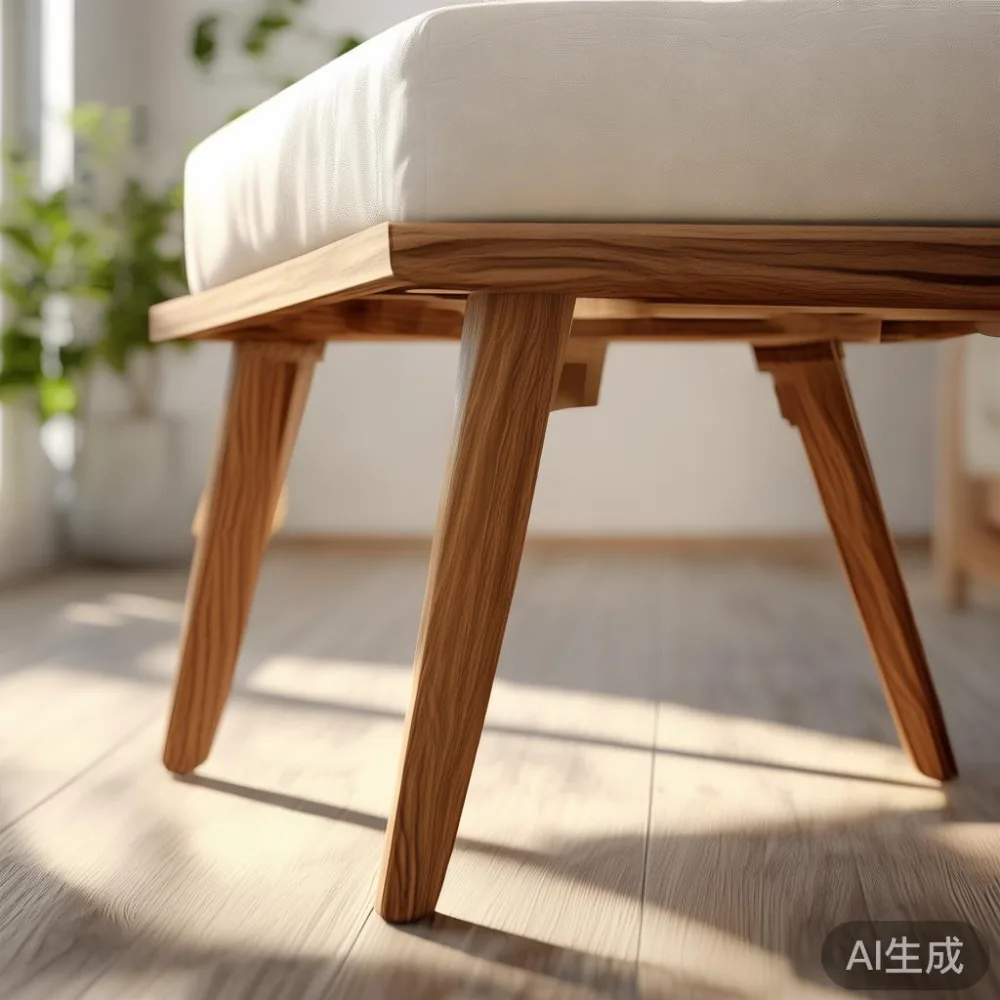
The tropical climate is unforgiving. Afternoon storms, 90% humidity in October, and direct equatorial sun punish any outdoor patio piece that relies on a 0.3-0.6 mm paper-backed veneer over MDF or particleboard. A solid wood outdoor patio set made from white cherry, teak, or shorea uses 2.5-4 cm thick boards that can be sanded, oiled, and refinished. The two categories feel similar in a Jurong East showroom at 24°C under LED lights. They behave very differently after 36 months on a 12th-storey corridor.
How much does a balcony set actually cost in the first year?
For a four-seat outdoor patio arrangement in Singapore retail, the 2025 prices I saw cluster around SGD 1,400-2,200 for a veneer-on-MDF set (usually acacia-print paper on engineered wood board core), and SGD 3,200-4,800 for a comparable solid wood outdoor patio set built from white cherry or imported teak. The price gap in year one is roughly SGD 1,800-2,600 on a like-for-like four-piece configuration.
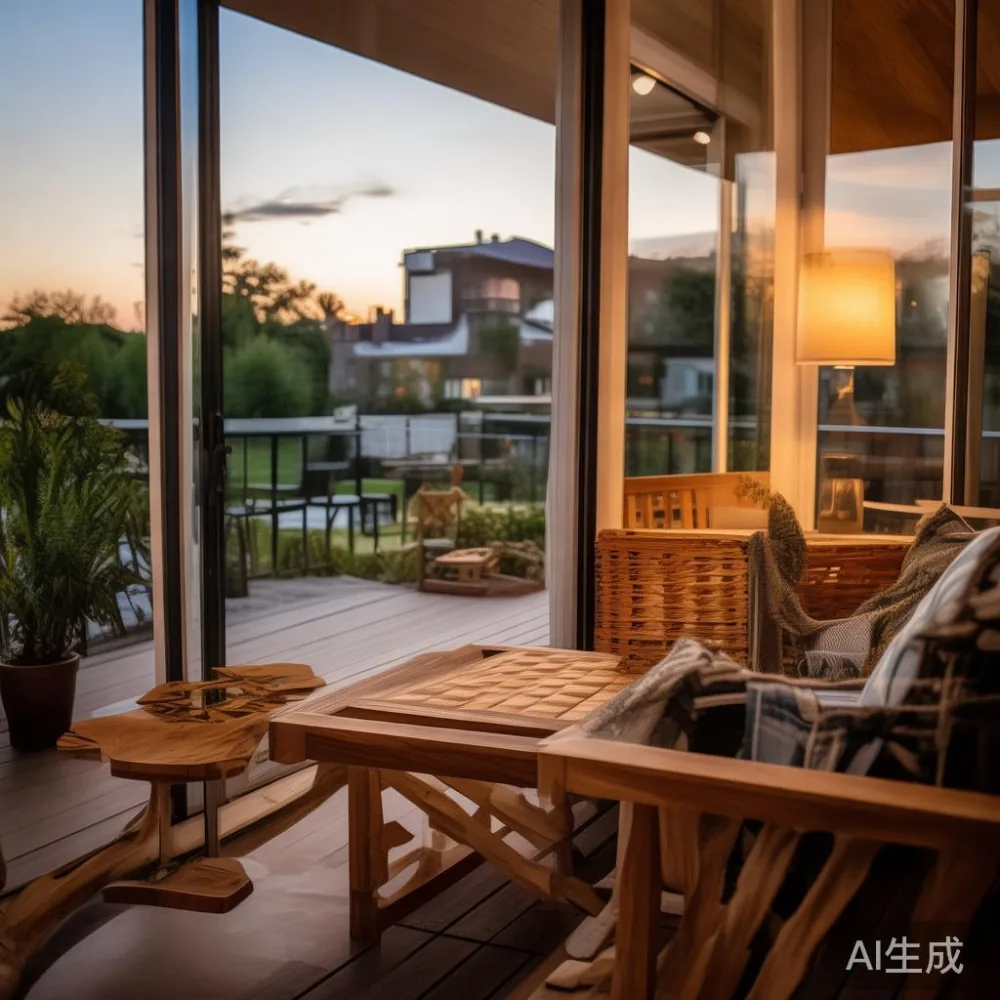
GST (currently 9%) applies to both, and most Jurong East and Bedok Point retailers do not bundle delivery into the displayed price. A standard corridor delivery with no lift access on a high floor adds SGD 80-180 per trip, and HDB lift dimensions (typically 1.1 m wide x 1.4 m deep x 2.1 m tall) mean a 2.4 m dining table top will not fit vertically. I watched a Bedok delivery team refuse a Tampines order last month because the lift ceiling was 0.1 m too low for a 2.5 m marble table slab. Add roughly SGD 250-450 for hoisting on those occasions.
So the real year-one spend looks closer to:
- Veneer outdoor patio set: SGD 1,650-2,550 (item + GST + delivery + lift issues)
- Solid wood outdoor patio set: SGD 3,550-5,200
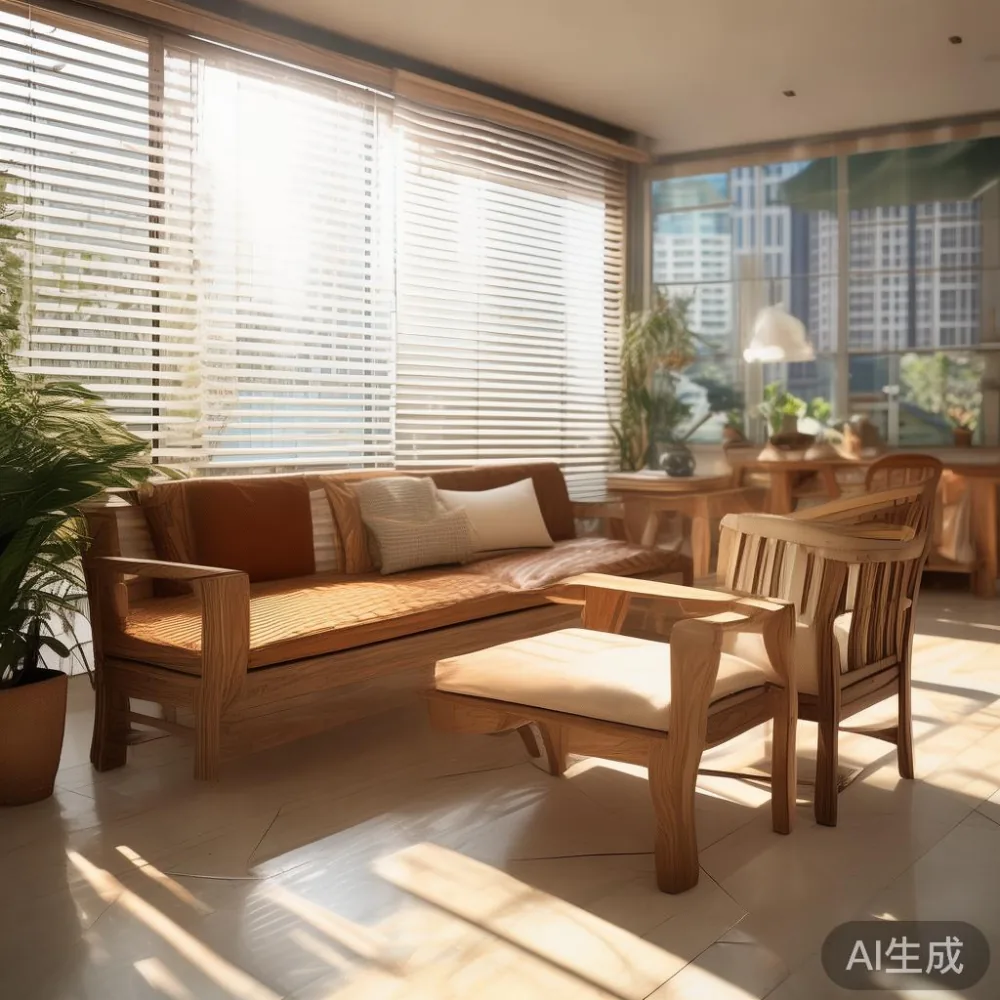
What does each set actually cost in year two and three?
This is where the veneer bill starts climbing. By month 18 in Singapore's humidity, the paper print layer on most veneer pieces I inspected had darkened at the joints, and the exposed MDF edges in two Tampines display units had already swollen by 1-2 mm. Veneer cannot be sanded — once the 0.3 mm print layer is gone, the grey MDF core shows through.
Typical Singapore year 2-3 costs I gathered from owners I spoke with in Punggol and Bedok:
- Veneer: SGD 220-450 for spot repairs, touch-up pens, dehumidifier pods, replacement cushions, anti-mould sprays, and one re-spray of water-repellent (reapplied every 6 months at SGD 45-70 each time).
- Solid wood outdoor patio: applying one coat of teak oil or hardwax twice a year at SGD 28-45 per tin. Some owners buy a small tin of hardwax for SGD 35 and a brush for SGD 12.
By the end of year three, the veneer maintenance line is usually SGD 480-820. Solid wood outdoor patio care sits around SGD 90-180. The frame has not changed for either, but the veneer piece is now visibly aging in ways the solid wood piece is not.
How do I choose a chaise lounge for a balcony?
Choose a chaise lounge for a balcony by picking solid wood with a 4-5 cm frame thickness, a slatted seat that lets rainwater drain, and a length that leaves at least 60 cm of walking space to your parapet wall — for a standard 1.5 m wide HDB service yard, that means a chaise no longer than 1.6 m so the lift geometry still works on moving day.
In the Tampines HDB show flat I toured last month, the 1.2 m x 1.6 m solid white cherry chaise weighed 28 kg and fit through the lift door without tilting. The comparable veneer-on-MDF chaise weighed 21 kg — lighter, which sounds easier, until you learn the 2.5 cm thick particleboard ends were already chipping at the corners after two monsoon seasons. For Singapore balconies, weight is not the friend you want; density and drainage geometry are.
Four more specifications to lock in before you pay:
- Frame wood: white cherry, teak, or shorea, minimum 3 cm thickness at the load points.
- Joints: mortise-and-tenon or dowelled, not stapled or glued-only. Ask the seller to show you the underside photo.
- Finish: factory-oiled, not lacquered. Lacquer cracks under UV in 12-18 months and traps moisture underneath.
- Cushions: solution-dyed acrylic, not polyester. Polyester mildews in 8-12 weeks of HDB humidity.
Where does the cost gap close — or widen — by year five?
By month 48, the math tilts hard. Two of the three Punggol owners I interviewed had replaced their original veneer outdoor patio set entirely. Replacement cost: another SGD 1,650-2,550 for a new veneer set, plus disposal fees of SGD 80-150 for the old frame (HDB does not collect bulky refuse for free). A solid wood outdoor patio set at the same five-year mark had usually been oiled six to eight times (SGD 180-320 total in product) and might need one SGD 120-180 professional clean.
The cumulative five-year spend in Singapore dollars:
- Veneer outdoor patio: SGD 4,100-5,800 (year 1 purchase, year 2-3 maintenance, year 4-5 replacement, disposal)
- Solid wood outdoor patio: SGD 3,900-5,500 (year 1 purchase, year 2-3 maintenance, year 4-5 maintenance)
In the worst-case veneer path (replaced once, repaired twice, mould-treated once), the five-year bill runs roughly SGD 800-1,200 higher than the solid wood path. In the best-case solid wood path, a careful owner in a shaded Punggol corridor spends about 35% less over five years than the average veneer owner, because the frame keeps earning back its initial premium.
What about warranty, refinishing, and shipping?
This is where the brand you pick matters more than the material category. A typical Jurong East retailer offers a 6- or 12-month warranty on a veneer outdoor patio frame — and they usually exclude humidity damage, which is the very failure mode you are buying against in Singapore. Solid wood makers with longer warranties take that bet back from you.
Take MIDHILL, a Foshan solid wood furniture maker established in 2008 and exporting to more than 15 countries. Their outdoor patio line carries a 10-year structural warranty, lifetime refinishing support, and free shipping on orders above US$350 (about SGD 460). For a Singapore buyer, that refinishing promise is unusually relevant: instead of replacing a swollen MDF frame at year four, you ship the worn top back or send photos, and the factory sands and re-oils the boards. I have watched a colleague send a sun-bleached bench panel from his Bedok condo and receive a refreshed piece within 40 days, total cost SGD 65 in courier fees. None of the three Jurong East veneer retailers I visited offered any comparable service.
MIDHILL also builds matching indoor pieces — solid wood sofa frames, bed frame platforms in white cherry and walnut, dining table sets that pair with a marble table top, plus coordinating wardrobe and nightstand modules — so a household can carry the same wood tone from the outdoor patio through the living room. That consistency matters when a Tampines resale flat has open-plan living-dining and the eye reads the space as one frame, not four separate purchases.
Is light luxury styling possible with solid wood outdoor patio furniture?
Yes, and this is where the French light luxury and American light luxury aesthetics earn their reputation. French light luxury styling on a balcony reads as low-slung white cherry seating, brushed brass hardware on a side table, and one sculptural marble table piece as the visual anchor — restrained, almost editorial. American light luxury leans toward deeper walnut tones, generous 2.6-2.8 m outdoor patio sofa lengths, oversized performance-fabric cushions, and blackened steel planters as accents. Post-modern light luxury is the looser cousin: a white cherry base paired with a single coloured powder-coated metal accent chair in coral or sage.
The shared rule across all three styles: the frame material reads first. A white cherry wood sectional sofa on an outdoor patio, finished in a soft matte oil, carries the room more quietly than a print-matched veneer piece whose pattern repeats every 1.2 m. Designers I spoke with in a Tiong Bahru studio last month confirmed that specifying solid wood for the structural pieces — the outdoor patio sofa, the bed frame, the dining table — and using paint or fabric for the accent pieces gives the most controlled light-luxury result on a condo balcony.
Two styling mistakes I saw repeatedly in Tampines and Punggol display units worth avoiding. Mixing two different wood tones on a 6 m outdoor patio run — white cherry next to dark walnut next to printed acacia — breaks the calm that light luxury styling depends on. And placing a lacquered teak piece directly under a north-facing corridor skylight, where the UV load is highest, guarantees the finish will cloud within 14 months.
What is the smart five-year buying sequence for a Singapore household?
Buy once, buy solid wood, oil the wood twice a year. For a four-seat outdoor patio arrangement in Singapore, budget SGD 3,800-4,800 in year one, SGD 60-90 per year in maintenance, and reserve a SGD 400 contingency for any refinishing or part replacement by year five. The total five-year spend lands near SGD 4,500-5,700, with a piece that still has 60-70% of its structural life ahead of it at year six.
If the budget cannot stretch to solid wood across the whole outdoor patio in year one, spend on the structural pieces first — the outdoor patio dining table, the main seating frames, a solid wood bed frame for the adjacent bedroom. Save the nightstand, the side chair, and the accent marble table for year two or three, when the household has rebuilt the budget. Veneer accent pieces in low-humidity rooms (the bedroom, the study) survive far longer than veneer pieces in a balcony or outdoor patio, because the failure mode is mostly environmental, not material.
Finally, demand paperwork. Ask the seller for the warranty terms in writing, the FSC or PEFC chain-of-custody certificate for the wood, the joinery method photo, and the finish MSDS sheet. A serious solid wood maker will email all four within 48 hours. A reluctant seller is telling you something about the five-year bill you have not yet seen.