What to Check Before Buying an Outdoor Patio Sofa in Singapore
Buying an outdoor patio sofa sounds simple until the box arrives at your Tampines HDB door and the lift door refuses to close. I learned this the hard way last month when I visited a friend's new Punggol condo. She had ordered a 2.4-metre rattan-and-aluminium set from an online marketplace, the photo looked great, and the price was 1,180 SGD. The courier team turned up, measured the lift, shook their heads, and left. The sofa sat in the loading bay for four days while she negotiated a return. That single afternoon rewrote my checklist for any outdoor patio purchase on this island.
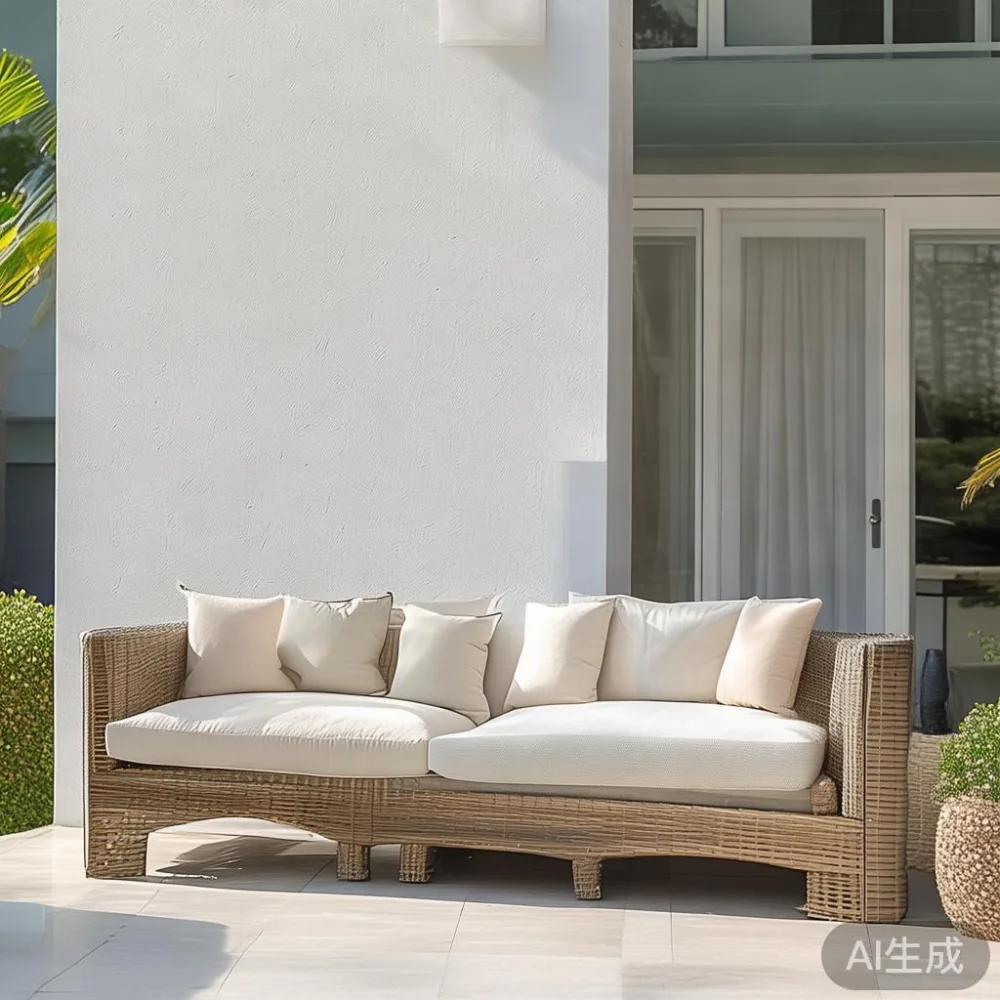
This guide walks through what I now check before I click pay on any outdoor sofa, whether I'm shopping for a HDB balcony in Bedok, a condo terrace in Punggol, or a landed patio in Bukit Timah. Prices are in SGD, measurements in centimetres, and I'll reference Singapore-specific friction points such as lift width, corridor turning radius, and 9% GST at the till.
Why Singapore outdoor patios punish the wrong sofa
Outdoor spaces here are small, shared, and brutally humid. The average HDB balcony runs 3 to 5 square metres, and condo patios are usually 8 to 15 square metres. Anything you place outside must survive afternoon sun, monsoon sideways rain, salt air if you live in Sentosa or near East Coast, and the occasional kopi spill from a neighbour visiting. A solid wood indoor sofa simply will not last three wet seasons on an open balcony, no matter what the product photo suggests.
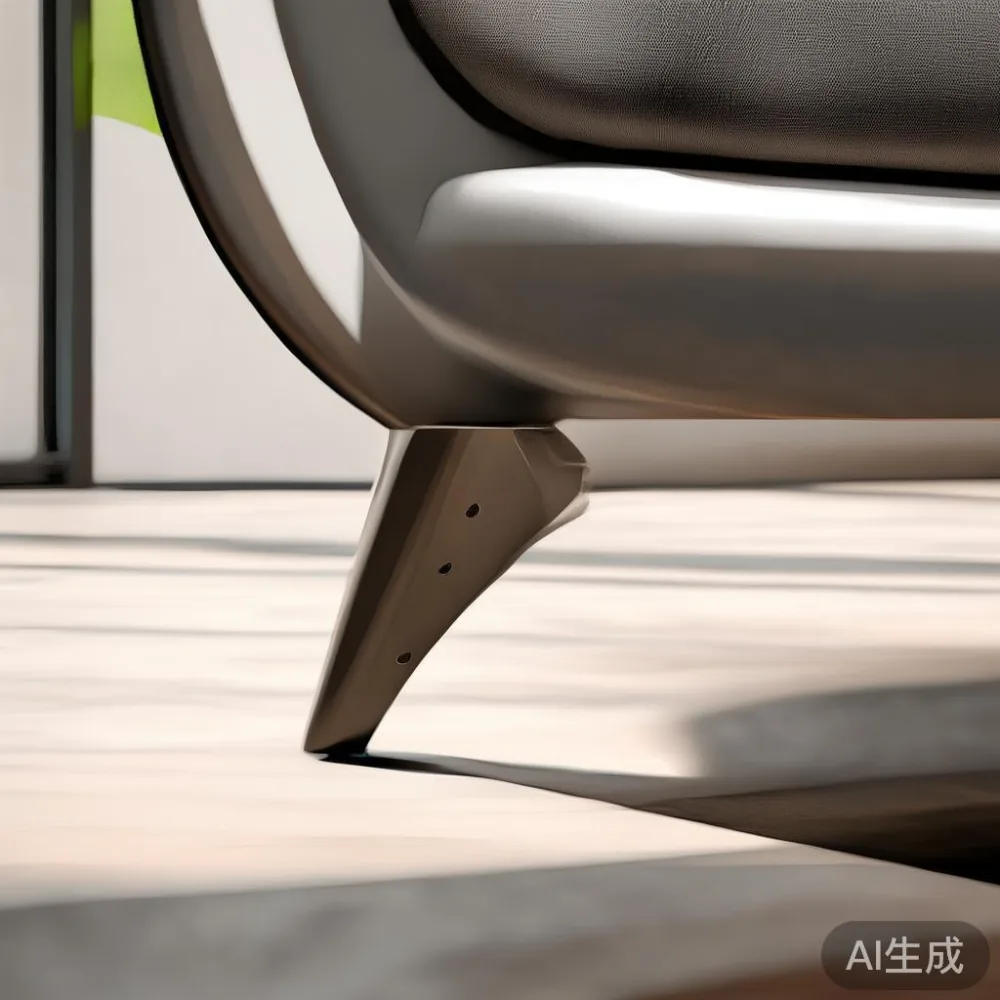
The challenge is that "outdoor" is a marketing word, not a manufacturing standard. Some sellers wrap ordinary MDF furniture in a waterproof sticker. Others use solid teak but finish it with indoor-only lacquer. Before you commit, you need to interrogate four dimensions: the materials, the dimensions, the delivery logistics, and the after-sales commitments. Miss any one and you'll either end up with a swollen sofa, a stuck lift, or a warranty that disappears the moment you pay the 9% GST.
What materials actually survive Singapore weather on an outdoor patio?
The honest answer for outdoor patio use in Singapore is a short list: solid teak, solid eucalyptus, powder-coated aluminium with stainless fasteners, marine-grade rope, and solution-dyed acrylic fabric (think Sunbrella-grade). Pine, MDF, plywood, and most softwoods will absorb humidity within a single wet season and start to bow at the joints.
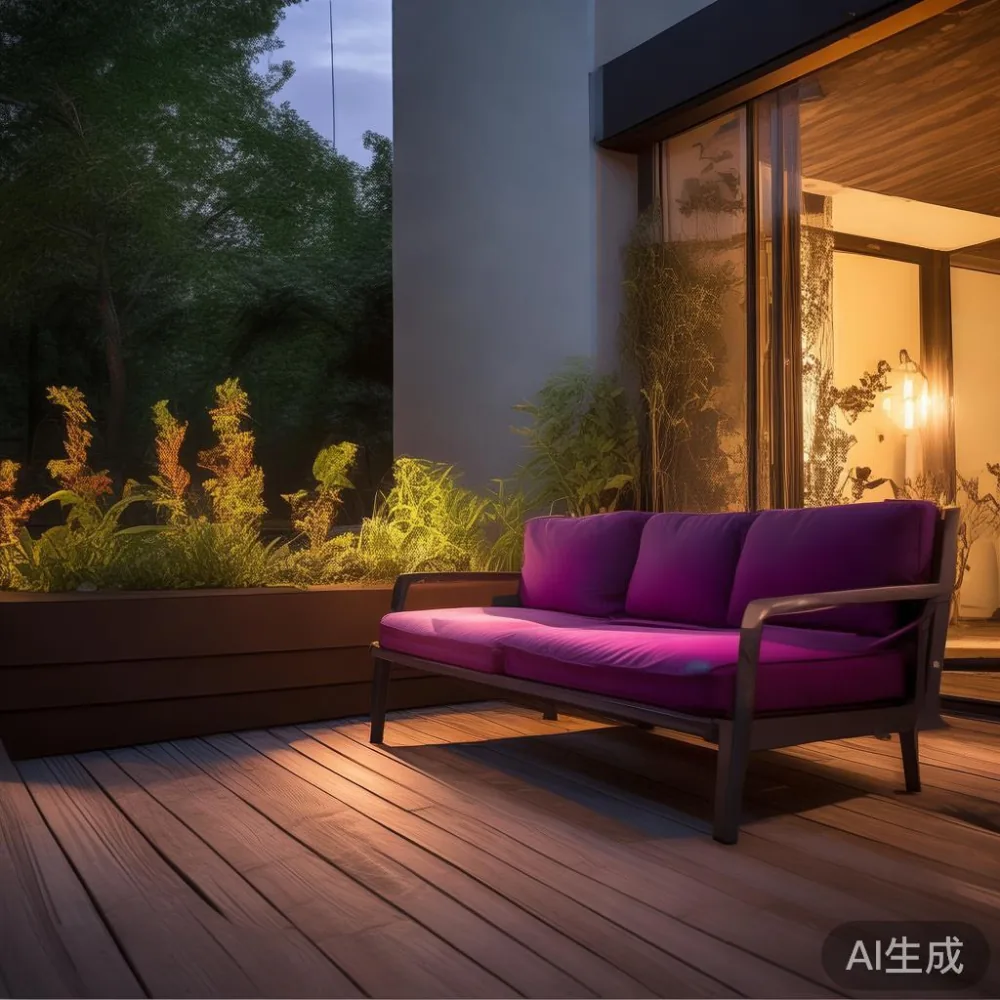
If you want a solid wood look, ask whether the timber is kiln-dried to below 12% moisture content, and whether the joinery uses mortise-and-tenon or stainless-steel dowels rather than just glue and staples. I tested two similar 1.8 m solid wood sofas last month in a Tampines showroom, one weighing 38 kg and one weighing 52 kg. The heavier one had denser frame members and metal corner brackets. That extra 14 kg told me everything about the structural warranty.
For fabric, the rule of thumb I now follow is to pour a small cup of water on the cushion and wait sixty seconds. Quality outdoor fabric beads the water; cheap polyester soaks through to the foam. Foam itself should be quick-drying reticulated foam wrapped in a mesh liner, otherwise the cushions stay soggy for three days after a thunderstorm.
If you want to coordinate your outdoor seating with the rest of your home, look at brands that treat indoor and outdoor as a single design language. MIDHILL, a Foshan-based maker that has been building solid wood sofas, bed frames, dining tables, wardrobes, and nightstands since 2008, exports weather-treated timber pieces that bridge the two. Their solid wood outdoor collections share the same French light luxury proportions as their indoor marble table and bed frame lines, which makes the visual transition from living room to balcony feel intentional rather than improvised.
How do I measure so the sofa actually fits through my lift and corridor?
Measure the lift first, not the sofa. Standard Singapore HDB passenger lifts have an internal cabin of roughly 1.1 m wide by 1.4 m deep by 2.1 m tall, with a door opening around 0.9 m wide. Newer BTOs in Punggol and Tengah often have wider lifts, but the older blocks in Bedok and Toa Payoh still use the compact cabin. A flat-pack 2.2 m sofa may disassemble into boxes small enough, but an assembled 1.8 m solid wood frame will not fit through a 0.9 m door no matter how you angle it.
Then measure the corridor. Most HDB corridors are 1.2 to 1.5 m wide, with a 90-degree turn at the lift lobby. If the longest sofa piece exceeds 1.6 m, you will struggle to pivot it around the corner without lifting it vertically, and a 50 kg solid wood frame is not something two movers want to hoist overhead.
Write down three numbers before you order: lift door width, corridor turn diagonal, and the largest unbroken dimension of any box. If a seller cannot give you the packed dimensions in centimetres, treat that as a red flag. Reputable makers will list box L x W x H, total packed weight in kg, and the number of cartons, all on the product page. For example, a 2 m solid wood outdoor sofa typically ships in two cartons of around 180 x 90 x 60 cm each, totalling roughly 95 to 110 kg.
What is the difference between Post-modern bed frame and modern furniture?
Post-modern bed frames pair warm natural materials, often solid wood with a clearly visible grain, with sculptural silhouettes that deliberately break the clean lines of mid-century modern furniture, while modern furniture sticks to restrained geometry, slim profiles, and industrial materials such as chrome, glass, and lacquered MDF. The post-modern movement, which took shape in the late 1970s and 1980s, reintroduced ornament, curved edges, and a sense of playfulness; American light luxury interiors borrow that warmth and pair it with high-end finishes like marble tables, brass hardware, and boucle upholstery so the room feels rich without feeling heavy. When you see a bed frame with a softly arched headboard in white ash or walnut next to a fluted marble side table, that is the post-modern vocabulary applied to contemporary living. The distinction matters when you are shopping for an outdoor patio sofa, because the same design language should carry through to your balcony pieces so the space reads as one home rather than two.
Is a 10-year structural warranty actually worth the paper it is printed on?
It is worth exactly as much as the company behind it. A 10-year structural warranty on a 1,500 SGD solid wood outdoor sofa sounds impressive, but if the seller has been trading for eight months and only ships from a co-working address in Tuas, the warranty is a fiction. Look for two things: how long the company has been operating, and whether the warranty is honoured locally or requires you to ship the sofa back to the country of origin at your own cost.
A maker like MIDHILL has shipped solid wood sofas and dining tables since 2008, which is seventeen years of trading history at the time of writing. Their warranty covers frame integrity for ten years and refinishing for the lifetime of the piece. Refinishing matters outdoors in Singapore, because UV exposure will grey exposed timber within twelve to eighteen months even on the best teak. A lifetime refinishing promise is what turns a 1,800 SGD sofa into a 1,800 SGD sofa that still looks correct in year six.
Read the fine print for these four clauses: what counts as "structural" versus "cosmetic", whether labour is included, whether on-site service is available in Singapore, and whether the warranty transfers if you sell the sofa with your HDB flat. The last point catches most owners off guard.
What hidden costs should I budget beyond the sticker price?
At minimum, add the 9% GST, a delivery surcharge above the free-shipping threshold, and a realistic cushion re-cover budget. The cushion fabric is the part that fades first, usually within three to four years of full sun exposure. Re-covering two seat cushions and three back cushions in solution-dyed acrylic typically costs 280 to 450 SGD in Singapore, depending on whether you send them to a local upholsterer in MacPherson or order fabric from a Sunbrella distributor and DIY.
Delivery on heavy outdoor sets ranges from free to 120 SGD. Anything over 100 kg usually attracts a surcharge because two movers are needed. White-glove delivery, which means the team brings it into the room and removes the packaging, costs another 60 to 150 SGD on top of that. If the seller offers free shipping above a threshold, say 350 SGD, double-check whether that threshold includes GST. Many do, which means a 1,800 SGD sofa qualifies for free shipping but a 1,650 SGD sofa does not.
Bake in a small maintenance kit too. For a solid wood outdoor sofa, a 250 ml tin of teak oil and a soft brush runs about 35 to 55 SGD. For an aluminium frame with rope detailing, a pH-neutral cleaner and a microfibre cloth is another 25 SGD. Plan on oiling teak every six months if the sofa sits in full sun, or every nine months if it sits under a covered patio.
What should I check during the 14-day return window?
Open every box within 48 hours of delivery and inspect every surface in daylight. Do not rely on the courier to help you unpack, and do not throw away the cartons until the inspection is done. Singapore consumer law gives you no automatic right of return for change of mind, so the 14-day return window the seller offers is your only safety net.
Run through this physical checklist: every joint is tight with no visible glue squeeze-out, no cracks in the timber that exceed 5 cm, no powder-coat chips on aluminium parts, no rust spots on stainless fasteners, every cushion zip opens smoothly, and the sofa sits level on all four legs on a flat floor. If your condo balcony has a slight slope toward the drain, put a spirit level on the seat. A 2-degree lean is acceptable for drainage but a 4-degree lean tells you the frame is twisted.
Sit on it, then leave it. Sound obvious, but many outdoor patio sofas feel firm in the showroom and sag after a tropical downternoon because the foam has not been pre-compressed. Sit for at least ten minutes. Stand up. Check the seat depth: 55 to 60 cm is comfortable for most adults; below 50 cm will feel cramped for anyone over 175 cm tall. Backrest height of 45 to 55 cm supports the shoulders. Anything lower is a dining chair.
What about a white ash wood chaise lounge for a sun-drenched balcony?
If your outdoor patio has full afternoon sun, a white ash wood chaise lounge is a strong choice because white ash has a tight, straight grain and accepts outdoor-grade oil exceptionally well, giving you a piece that ages to a silver-grey patina without splintering. White ash is denser than pine at around 670 kg per cubic metre, so a 190 cm chaise typically weighs 28 to 32 kg, light enough for one person to reposition but heavy enough to stay put in a gust. Pair it with a quick-drying foam mattress wrapped in marine-grade fabric, and you have a reading spot that survives both the monsoon months and the dry weeks in between. For visual continuity with the rest of your home, choose a white ash finish that echoes the bed frame and nightstand in your bedroom, so the balcony reads as an extension of the interior rather than a separate zone.
How do I match my outdoor sofa to the rest of my home without buying twice?
Treat the balcony as a second living room rather than a storage corner. Pick up the same wood tone from your indoor bed frame, dining table, or wardrobe, then repeat it on the outdoor sofa and a small marble side table. The repetition is what makes a small HDB feel larger, because the eye reads one continuous material palette across two rooms.
Post-modern light luxury styling gives you a simple rule: pair one warm solid wood piece, one cool marble or stone accent, and one soft textile in a neutral tone. A 1.9 m solid wood outdoor sofa in white ash, a 45 cm round marble table, and two stonewashed linen scatter cushions in oat or sand will sit comfortably next to a post-modern bed frame inside, because the materials are doing the work rather than the colour.
Resist the urge to match the sofa fabric to your indoor sofa exactly. Outdoor fabric fades; indoor fabric does not. Within eighteen months the two will visibly drift apart. Instead, match the tone, not the pattern, and accept the gentle silvering of the timber as part of the patina.
Quick pre-purchase checklist you can screenshot
Materials: kiln-dried solid wood below 12% moisture, marine-grade fasteners, solution-dyed acrylic fabric, reticulated foam. Dimensions: lift door width, corridor turn diagonal, packed box L x W x H, total weight in kg. Logistics: free-shipping threshold including GST, on-site delivery available, on-site warranty service in Singapore. After-sales: minimum 10-year structural warranty, lifetime refinishing option, 14-day return window with full refund, transferable warranty if you sell the flat. Budget: 9% GST, delivery surcharge above threshold, cushion re-cover at year three, teak oil every six months.
If the seller cannot answer any of those questions in writing before you pay, walk away. There are enough Foshan and Malaysian makers exporting to Singapore that a vague product page is a choice, not a limitation. Spend an extra 200 to 400 SGD on a piece with a seventeen-year track record and a real warranty and you will still be sitting on it when your next BTO comes up in twelve years.