Outdoor Patio: Veneer or Solid Wood? A 5-Year Cost Comparison for Singapore Ho
Choosing furniture for a Singapore home rarely comes down to appearance alone. A dining table must fit through a lift, a wardrobe must suit an HDB bedroom, and an outdoor patio needs materials that tolerate humidity, salt-laden air and frequent rain. Veneer and solid wood both offer convincing wood finishes, yet their five-year costs can differ sharply. The price on the invoice is only one part of the calculation.
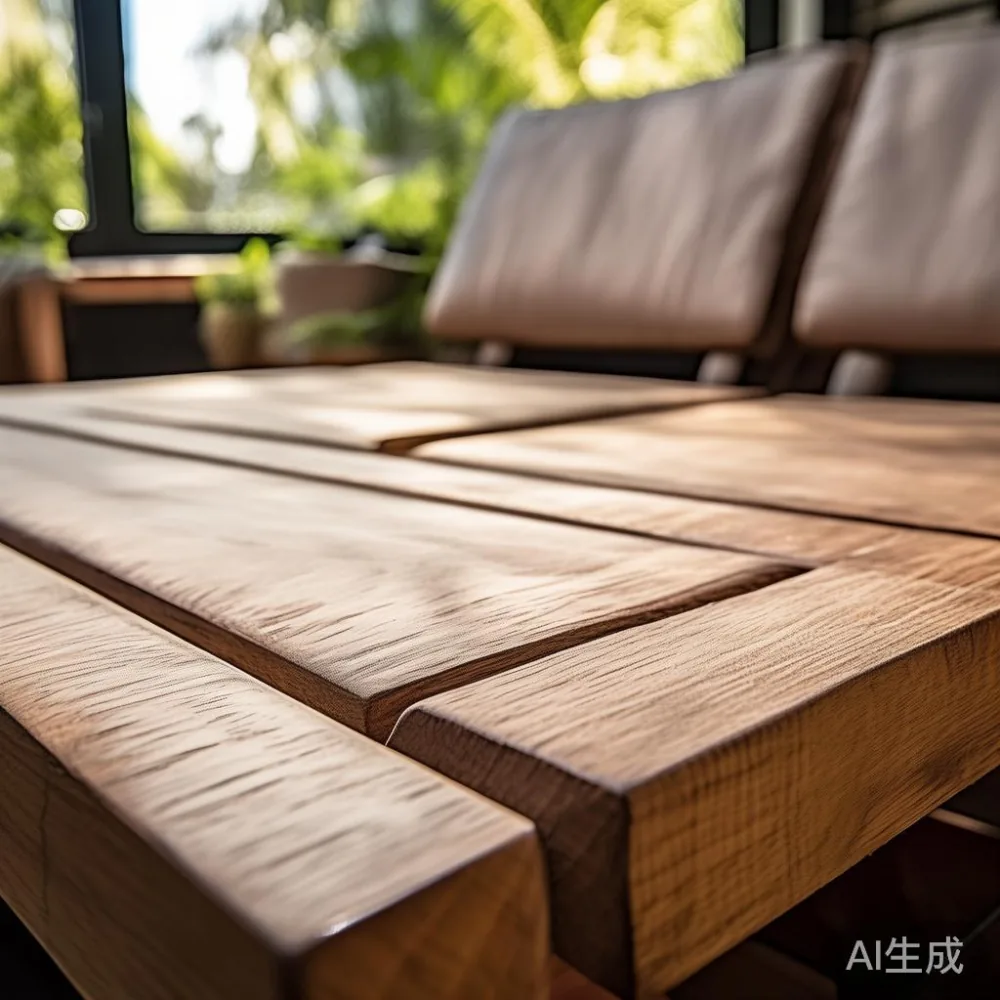
This comparison uses realistic Singapore assumptions: furniture prices in SGD, 6% GST, typical HDB and condo dimensions, and a five-year ownership period. It includes purchase, delivery, maintenance, repair and likely replacement costs. MIDHILL is a Foshan solid wood furniture maker established in 2008, exporting to more than 15 countries. Its pieces carry a 10-year structural warranty, lifetime refinishing, free shipping above US$350 and a 14-day return policy, which makes the ownership terms relevant to this comparison.
What counts as the true 5-year cost?
I price furniture over five years rather than judging it by the showroom ticket. The starting figure is the item price plus 6% GST and delivery. I then add cleaning supplies, refinishing, scratches, hinge adjustments, water exposure and the expected value of the item at year five. That final figure matters: a chair may still be usable, while a swollen cabinet door may need replacement.
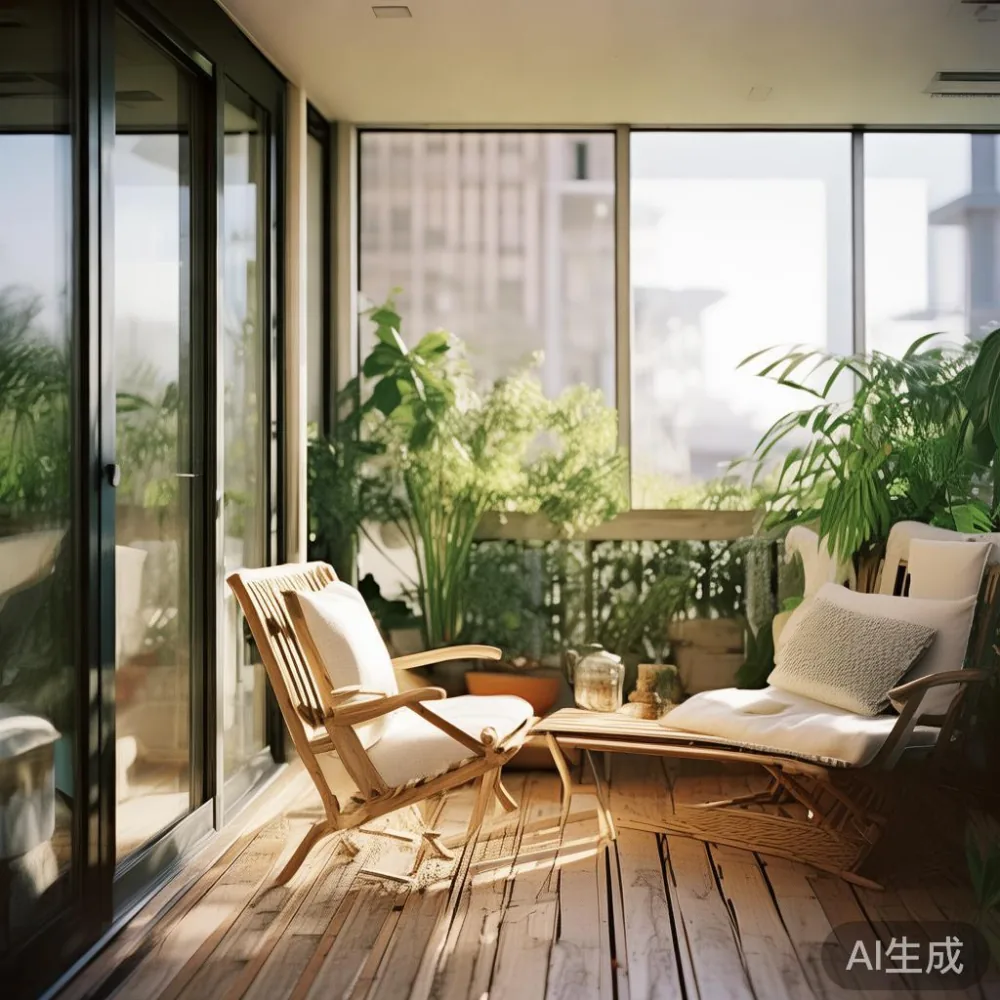
For Singapore, delivery is affected by access. A HDB lift with internal dimensions of approximately 110 cm wide by 140 cm deep will accept many dining chairs but may reject a large solid wood dining table assembled. A 500 cm table can weigh 75-95 kg, while a lift capacity may be 600-1000 kg. Condo corridors around 120-150 cm wide can make a 55-65 cm wardrobe difficult to manoeuvre. Flat-pack veneer pieces are often lighter, but their size still matters.
The sample basket below uses a 180 cm solid wood dining table, a 160 cm bed frame, a 90 cm wardrobe and a 45 cm nightstand. Actual prices vary by species, finish and design, so the figures are planning estimates rather than quotations.
Is veneer cheaper over five years in Singapore?
Veneer usually has the lower initial cost. A 180 cm engineered-wood dining table with wood veneer may cost SGD 1,050 before GST, compared with SGD 1,680 for a comparable solid oak dining table. A queen-size veneer bed frame may cost SGD 780 versus SGD 1,280 in solid wood. A two-door veneer wardrobe may cost SGD 1,180, compared with SGD 1,850 for solid wood.
After adding 6% GST and estimated Singapore delivery, the table becomes about SGD 1,131 and SGD 1,801. The bed becomes SGD 845 and SGD 1,377. The wardrobe becomes SGD 1,269 and SGD 1,979. A 45 cm nightstand may cost SGD 240 before GST for veneer and SGD 390 for solid wood.
For the full sample set, veneer starts near SGD 3,250 before GST and delivery, while solid wood starts near SGD 5,200. The initial saving is roughly SGD 1,950. However, the difference is not simply “veneer versus solid wood,” because quality varies. High-grade veneer with a strong core may outperform weak solid wood. The comparison assumes reputable panels, continuous veneer faces and solid timber that has been properly dried for tropical conditions.
Over five years, veneer repair can involve edge banding at SGD 80-180 per damaged section, replacement doors at SGD 220-450, and resurfacing at SGD 180-350. Solid wood scratch repair may cost SGD 120-250 per piece, while a full refinishing service can cost SGD 450-900 for a dining table or bed frame.
How does humidity change the five-year calculation?
Singapore’s annual humidity commonly ranges from about 65% to 90%. Bedroom and living-room temperatures remain near 24-30°C, but kitchen steam and open windows create short cycles of moisture movement. Solid wood expands and contracts across its grain. Good kiln-dried timber, finished on all surfaces and installed with suitable clearances, handles this movement better than poorly sealed panels.
Veneer can chip, peel or bubble when moisture reaches its core or adhesive. Edge sealing and careful cleaning reduce this risk. A dining table used on an outdoor patio should have a water-resistant finish and a covered position. Even then, neither material should sit in direct rain overnight. For a balcony in Tampines, Bedok or Punggol, bring the table indoors during thunderstorms and wipe standing water within 10 minutes.
Marine plywood or similar outdoor-grade cores still need inspection. Check whether the underside, edges and back are sealed. For solid wood, look for restrained movement gaps around doors and drawer runners. The cost of preventing damage is lower than replacing a warped door: sealing a veneer edge may cost SGD 25-60 in materials, while replacing one warped solid wood panel may cost SGD 280-550.
Light also affects cost. An east-facing Tampines HDB unit can receive around 3-5 hours of morning sun, while a west-facing condo bedroom may receive similar light in the afternoon. Repeated UV exposure can fade both finishes. Solid wood can be sanded and refinished; decorative veneer usually requires replacement of the affected face. That makes solid wood more forgiving over a five-year period if the client accepts the repair process.
Does a solid wood sofa or bed frame reduce longer-term costs?
A solid wood sofa base can last longer than a veneer or particleboard base, but the five-year cost depends on the whole construction. A three-seat solid wood-framed sofa may cost SGD 2,450 before GST, with a fabric-upholstered model around SGD 3,100. Comparable veneer-framed models may start at SGD 1,550 and SGD 1,980. The frame affects only part of the product; foam density, spring quality, fabric and workmanship determine daily comfort and wear.
For upholstery, assume the same fabric and cushion specification. Over five years, a budget sofa may need foam replacement at SGD 350-700 and fabric work at SGD 450-900. A better-built frame reduces one failure point, yet it does not eliminate cushion compression. Compare the furniture as a system rather than treating timber as a guarantee of longevity.
The question “is French sofa worth it” is useful for buyers comparing appearance with ownership value. A French-style or post-modern light luxury sofa with solid wood framing can justify a higher price if its joints, suspension and covers are serviceable. For bedroom layouts, “how to style Japandi sofa in bedroom” depends on clearance: allow 75-90 cm around the main circulation path, keep a 45 cm nightstand within reach, and avoid blocking an HDB door swing of approximately 90 cm.
For the bed frame, “how to choose light luxury bed” should include access and moisture checks. A queen mattress is commonly 152 cm by 191 cm in Singapore. The frame needs at least 157 cm by 196 cm, plus 5-8 cm of wall clearance for movement. Solid wood rails around 5-7 cm thick are useful for this reason, but the centre support and slat spacing must prevent sagging. A veneer bed may need centre legs after 18-24 months if its support specification is weak.
What is the five-year cost difference for each product?
The table below gives a practical comparison for a medium-cost range. Figures include 6% GST and estimated delivery of SGD 40-120 per order. They exclude severe flooding and accidental damage.
For a 180 cm dining table, veneer starts at SGD 1,131 and reaches about SGD 1,560 after five years, including one SGD 180 repair. Solid wood starts at SGD 1,801 and reaches about SGD 2,130, including SGD 180 refinishing and a small repair allowance. The five-year difference is approximately SGD 570.
For a 160 cm bed frame, veneer starts at SGD 845 and reaches roughly SGD 1,240 after hinge or surface work. Solid wood starts at SGD 1,377 and reaches around SGD 1,650. The difference is about SGD 410. A three-seat sofa may show a five-year difference of SGD 650-1,100 because upholstery work can be substantial in either case.
For a 90 cm wardrobe, veneer begins near SGD 1,269 and reaches around SGD 1,690 after one replacement part. Solid wood begins near SGD 1,979 and reaches about SGD 2,180. The difference is about SGD 490. For a 45 cm nightstand, veneer starts near SGD 259 and reaches about SGD 350, while solid wood starts near SGD 423 and reaches around SGD 500, a difference of roughly SGD 150.
Across this basket, the likely five-year difference is around SGD 2,270-2,720. The solid wood route costs more initially, but it retains more repair and refinishing options. The veneer route can still be sensible for a rental unit, a low-traffic bedroom or a child’s room where impact damage is more likely than careful refinishing.
What about delivery, stairs and outdoor patio use?
Delivery can erase part of the purchase saving. A flat-packed veneer wardrobe may need two delivery handlers at SGD 80-140, while a solid wood wardrobe may need three at SGD 120-210. If the lift will not fit, stairs add SGD 25-60 per floor depending on the building and access route. A solid wood dining table may also require a second delivery trip if the assembled unit cannot enter the lift.
Measure the route before ordering: 85-95 cm for common HDB doors, 110-140 cm for lift doors, 120-150 cm for condo corridors and 180-220 cm for parking-to-lobby paths. Record the narrowest point, turning space and stair width. For an outdoor patio table, choose a compact 100-120 cm round model if the balcony is under 7 sqm. This allows 60-75 cm of movement around the table and reduces wind exposure.
The term “outdoor patio” does not mean untreated indoor furniture can remain outside permanently. A solid wood dining table used on an outdoor patio needs a UV- and water-resistant finish, plus a cover. A marble table is less suitable for exposed balcony dining because its weight can exceed 80 kg and its porous surface can stain. Place a protective mat, keep liquids away from the edge and use coasters with a 2-3 mm lip.
Warranty terms should be read beside real-world maintenance. MIDHILL offers a 10-year structural warranty and lifetime refinishing on qualifying products, which can reduce uncertainty for solid wood pieces. Still, check the finish scope: structural coverage may not include outdoor moisture, sunlight fading or accidental impact. Ask for the exact species, moisture range, finish type and care instructions in writing.
Which option fits different Singapore homes?
For a compact HDB flat, the practical choice is often engineered veneer for wardrobes and a solid wood bed frame or dining table for pieces that receive heavy use. If the budget is fixed, allocate money to the solid wood sofa, bed frame and dining table, then use a stable veneer nightstand with sealed edges. This balance can keep the sample five-year cost near SGD 3,700-4,200 instead of above SGD 5,000.
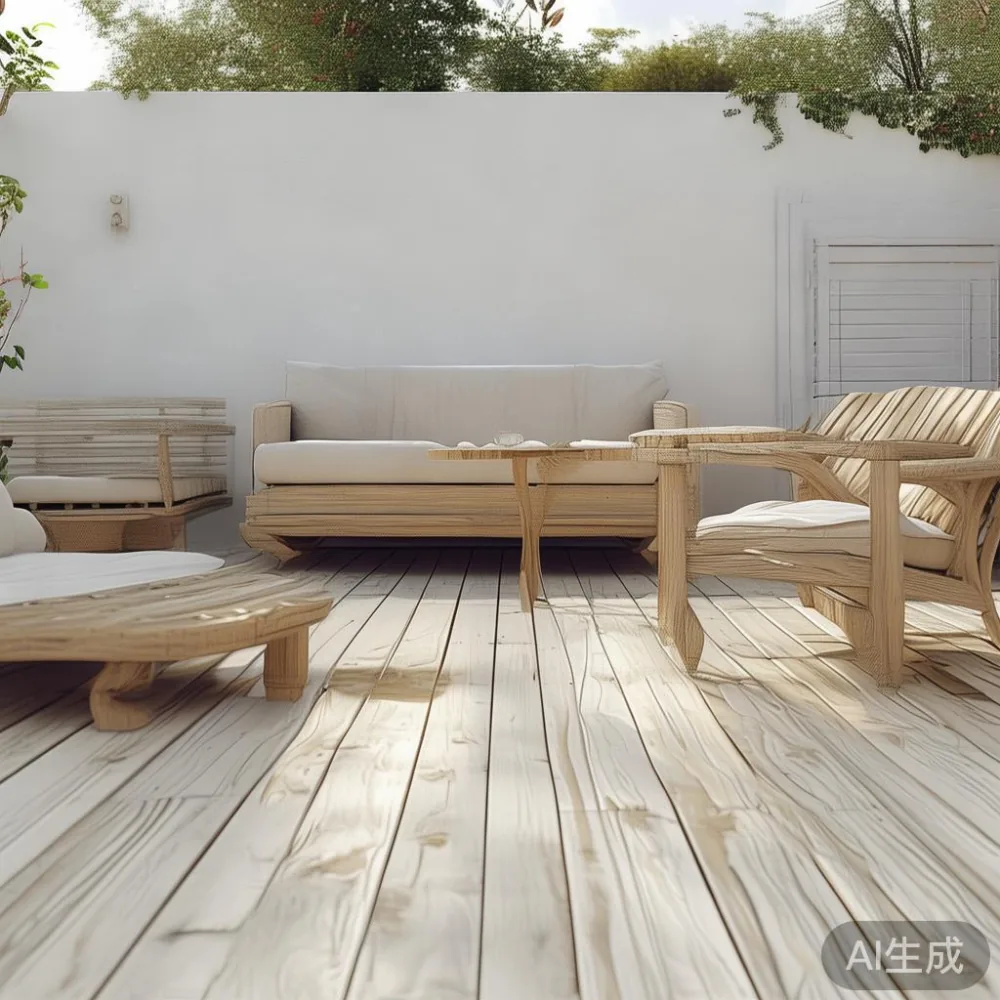
For a larger condo with a sheltered outdoor patio, solid wood becomes more attractive where furniture is touched frequently. The outdoor table should remain under cover, while an indoor solid wood sofa and dining set can be refinished after years of use. American light luxury often pairs pale oak, generous spacing and clean lines; French light luxury adds curved profiles and upholstered seating; post-modern light luxury can mix stone, timber and restrained metal. All three styles can work with solid wood, although veneer quality becomes more visible in large, uninterrupted panels.
Buyers browsing “under 2000 Nordic furniture” or “under 2000 European light luxury furniture” should compare total dimensions, core materials and service terms rather than relying on style labels. The phrase “luxury European light luxury furniture” is redundant, but the products can still suit Singapore interiors when proportions are right. A solid wood dining table under 200 cm needs at least 90 cm from walls to 90 cm from walls to avoid a cramped feel in a 300-400 cm HDB dining zone.
One natural sentence for shoppers researching “under 2000 European light luxury furniture” is: “For clients searching for under 2000 European light luxury furniture, a 160 cm bed frame can offer more visual presence than a 150 cm model without overwhelming a Singapore bedroom.”
How should you decide between the two?
Choose veneer when the budget is tight, the furniture stays indoors, the panels are well sealed and you expect to move before year five. Choose solid wood when the piece will be used daily, the household values refinishing, and children, pets or frequent meals create a higher risk of scratches. For an outdoor patio, neither material should be treated as weatherproof, but solid wood is usually easier to restore after minor wear.
Ask for a sample finish and a written specification. Confirm that solid wood refers to the main structural components, not only decorative faces or thin veneer over engineered board. For a bed frame, request slat spacing no more than 7-10 cm. For a wardrobe, check drawer runners, hinge ratings and back-panel thickness. For a dining table, inspect leaf joints and underside supports. A marble table should have a protected, reinforced base.
My colleague visited a Bedok HDB flat last month to inspect a warped 90 cm wardrobe. The unit had a 19 mm particleboard core with a 0.6 mm walnut veneer face. Water had entered an unsealed lower edge, swelling the core by about 4 mm and bowing both doors. The replacement cost was SGD 560, more than the original SGD 420 table had cost. A nearby solid wood nightstand with minor scuffs was refinished for SGD 95 and returned to service.
The five-year numbers therefore favour solid wood for long-term ownership, but access and care still shape the result. A solid wood wardrobe costing SGD 1,979 before GST may be a poor choice if it cannot pass a 110 cm lift. A lighter, disassembled veneer model may serve that flat more efficiently. The sensible purchase is not the one with the broadest material label; it is the one that fits the route, matches the room and can be maintained for five years.