Outdoor Patio Furniture: The True 5-Year Cost of Veneer vs. Solid Wood
For residents of Singapore, from the HDB corridors of Tampines to the spacious balconies of Punggol condos, the outdoor patio is a personal retreat. It's a space to unwind after work, host a weekend BBQ, or simply enjoy the evening breeze. But choosing the right furniture for this space involves more than just style; it's a financial decision with a long tail. A patio set is an investment, and understanding the total cost over its lifespan is key to making a wise choice. The primary debate often boils down to two materials: veneer and solid wood.
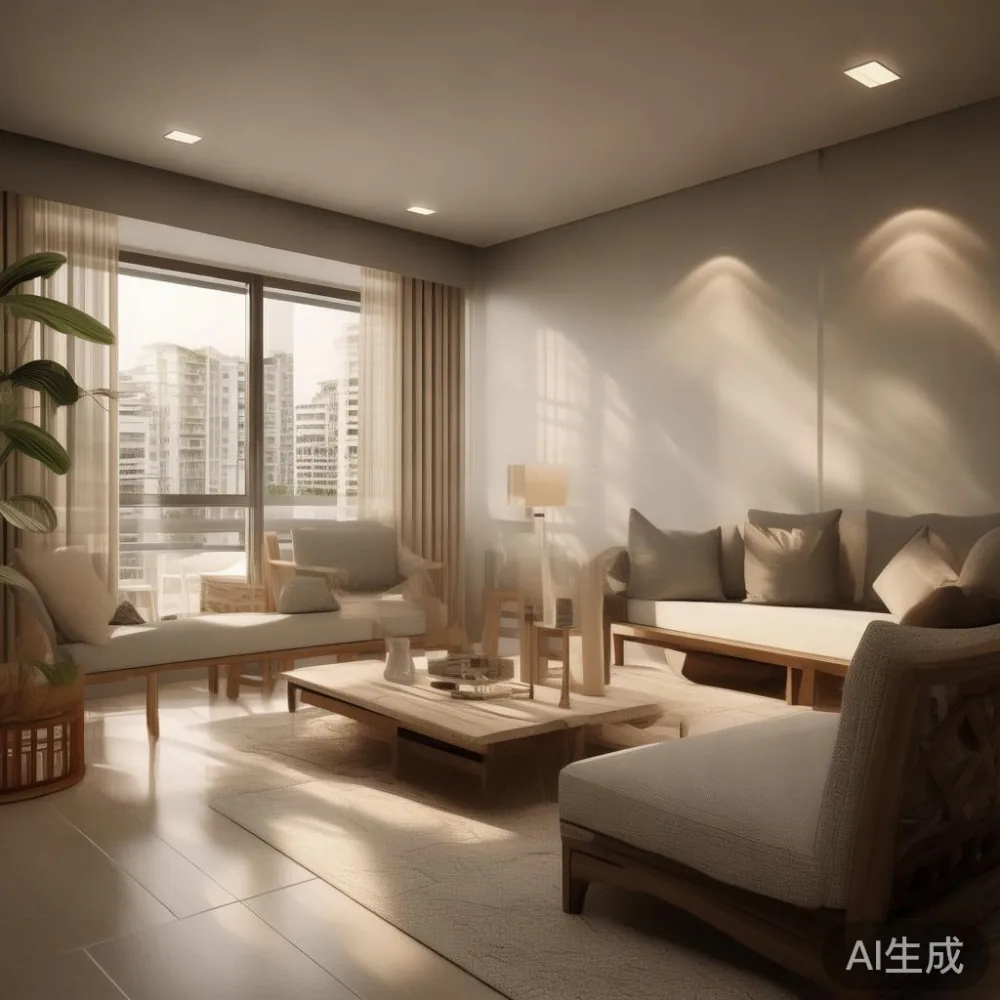
Veneer furniture, typically constructed with a thin layer of real wood over a composite or particleboard core, often presents a lower initial price point. Solid wood furniture, carved from a single piece of timber like teak or acacia, commands a higher upfront cost. The question is, does the lower initial price of veneer result in a lower total cost over five years? Let's break down the numbers, the maintenance, and the hidden factors to find a clear answer.
Understanding the Initial Investment: A Singaporean's Perspective
The starting point of any cost comparison is the purchase price. In Singapore, where space is a premium and GST applies to most goods, this initial outlay is a significant consideration. Let's consider a standard 4-seater outdoor patio set, including a table and four chairs, for comparison.
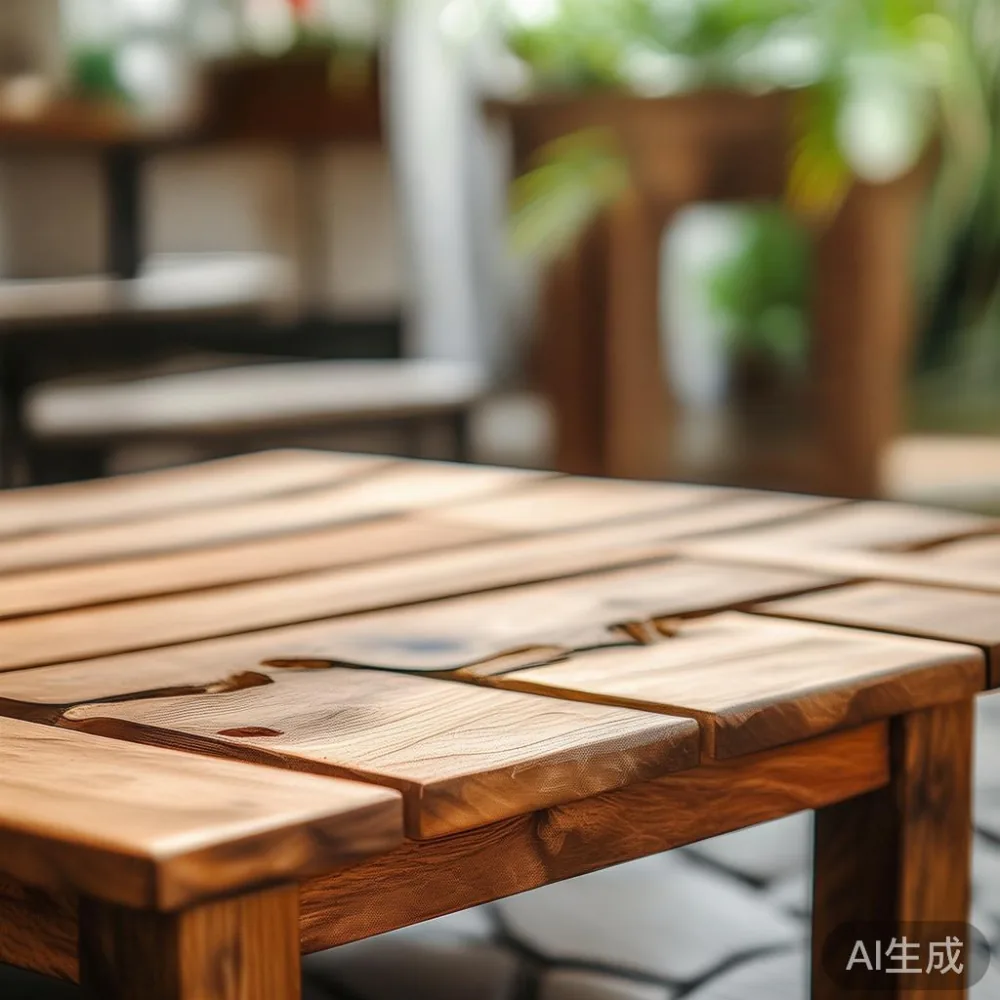
A veneer outdoor patio set might be priced around SGD 1,200. This price point makes it accessible for many families. The set might feature a table top with a 2cm thick teak veneer over a 1.8cm thick MDF (Medium-Density Fiberboard) base. The chairs would have similar construction. The weight of this set would be approximately 35kg, making it relatively easy for two people to move during cleaning or for repositioning.
In contrast, a solid wood outdoor patio set, constructed from the same grade of teak, would have a significantly higher price. A comparable set from a reputable maker like MIDHILL would likely start around SGD 2,800. This set is made from solid 4cm thick planks of teak for the table top and 5cm thick posts for the chair legs and frames. The entire structure is one piece of wood, joined with traditional mortise and tenon joints. The weight of this solid wood set would be about 65kg, reflecting its density and durability.
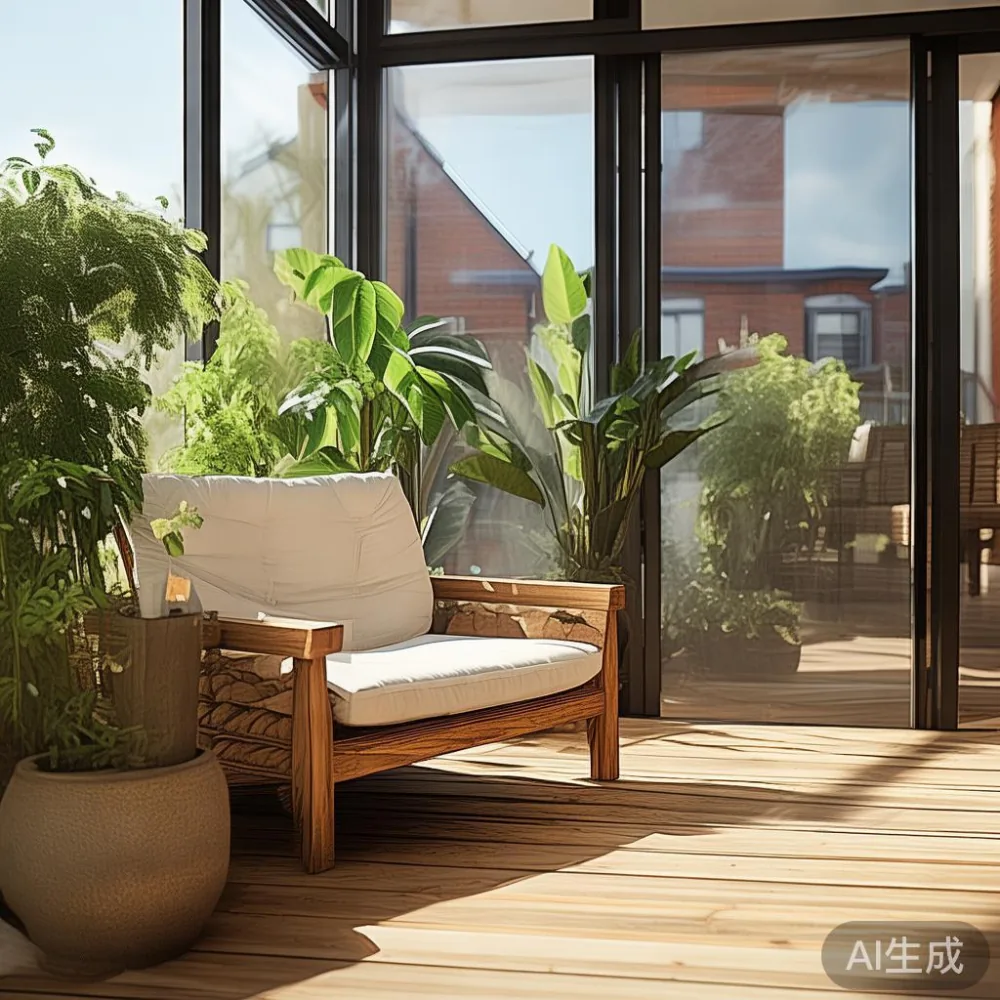
The immediate difference is SGD 1,600. For a household in an HDB flat, this is a considerable sum. It's the kind of decision that requires careful thought. However, the initial price is only one part of the equation. The long-term costs tell a different story.
Year 1: The honeymoon phase and the first signs of wear
The first year with a new outdoor patio set is usually a period of enjoyment. Both the veneer and solid wood sets will look beautiful and function perfectly. The initial costs are complete, but the first maintenance requirements begin to appear.
For the veneer set, the primary concern is moisture resistance. The MDF core, while covered by a veneer, is susceptible to water damage if the protective sealant is compromised. A light rain shower might not be an issue, but prolonged exposure or a spill that seeps into the seams can be a problem. The recommendation for veneer furniture is to apply a protective sealant or oil at least once a year. A good quality teak sealant costs around SGD 45 for a 500ml bottle, enough to cover the entire set once. So, in Year 1, the total cost for the veneer set is SGD 1,245.
The solid wood set, particularly one made from teak, is naturally more resistant to the elements. Teak contains natural oils that make it highly durable and water-resistant. While it still benefits from an annual oiling to maintain its rich colour and prevent it from turning a silvery-grey, the maintenance is less about protection and more about aesthetics. A bottle of teak oil costs about SGD 50. The total cost for the solid wood set in Year 1 is SGD 2,850.
At the end of the first year, the veneer set is still SGD 1,605 cheaper. However, the first cracks in the veneer might begin to appear. These are often small and happen at the stress points, like the edges of the table or the joints of the chairs. If left unaddressed, these can become entry points for moisture.
Year 2: The maintenance gap widens
By the second year, the differences in maintenance become more pronounced. The veneer set, if not carefully maintained, will show signs of wear and tear more readily. The protective sealant from the previous year will have worn off, especially on high-use surfaces like the tabletop.
For the veneer owner, Year 2 involves another application of sealant, costing another SGD 45. Also, a common issue is the delamination of the veneer at the corners. This happens when the glue weakens or the wood expands and contracts with the humidity. A small repair kit for veneer repair costs around SGD 30. The total cost for Year 2 is SGD 75, bringing the cumulative total to SGD 1,320. The set is starting to look a little tired.
The solid wood set, on the other hand, continues to age gracefully. It receives its second annual oiling for SGD 50. The wood may have started to develop a beautiful, natural patina. There are no structural issues to worry about. The cumulative cost for the solid wood set is SGD 2,900. The gap has narrowed slightly to SGD 1,580.
My colleague, Sarah, who lives in a Bedok condo, bought a veneer set two years ago. Last month, I visited her for a small gathering. The chairs were wobbly, and the table surface had several visible cracks where the veneer had peeled away. She mentioned she was already thinking about replacing it. Her experience is a common one, illustrating how the initial savings can be quickly erased by the need for repairs and a shorter lifespan.
Year 3: When repairs become a reality for veneer
Year 3 is often the tipping point for veneer outdoor patio furniture. The small cracks and delamination issues from Year 2 can now lead to significant problems. The MDF core, once exposed to Singapore's humidity and rain, begins to swell and warp. This causes the veneer to bubble, crack, and fall off in larger pieces.
Repairing this level of damage is no longer a simple DIY job. It often requires professional help. A furniture repair service in Singapore might charge SGD 150 to SGD 300 to fix a single delaminated section on a table. For a set with multiple issues, this cost can easily reach SGD 500. Let's assume the owner opts for a partial repair to extend the life of the set. They spend SGD 200 on repairs and another SGD 45 on sealant. The Year 3 cost is SGD 245, bringing the cumulative total to SGD 1,565. The set is functional but its appearance is compromised.
The solid wood set continues its steady course. It gets its third oiling for SGD 50. The cumulative cost is SGD 2,950. The structural integrity is perfect. The owner might notice a few minor scratches, but these can be easily sanded out during the next oiling. The gap is now SGD 1,385.
Years 4 and 5: The cost of replacement vs. the value of longevity
By Year 4, the veneer set is often in a state of significant disrepair. The repairs from the previous year may have only been a temporary fix. The core structure is likely compromised, making the furniture unsafe and unstable. The cost of another major repair might approach the price of a new, lower-end set. At this point, most homeowners opt for replacement.
A new veneer set costs SGD 1,200. So, the total cost over five years for the veneer option is the initial SGD 1,200, plus SGD 90 in sealant, SGD 30 in a repair kit, SGD 245 in repairs, and finally SGD 1,200 for a replacement set. The grand total is SGD 2,765.
The solid wood set, in contrast, is still going strong. It receives its fourth and fifth annual oilings, costing SGD 50 each year. The cumulative cost over five years is SGD 2,950 + SGD 50 + SGD 50 = SGD 3,050.
So, after five years, the veneer set has cost SGD 2,765, and the solid wood set has cost SGD 3,050. The veneer option is SGD 285 cheaper. However, this simple calculation misses the most important factor: the value of the furniture you own at the end of five years.
The veneer set is in the bin. It has a lifespan of approximately four years. The solid wood set is a durable, beautiful piece of furniture that could easily last another 15 to 20 years with proper care. Its value has not depreciated to zero. In fact, high-quality solid wood furniture can even appreciate in value. The veneer set is a disposable expense; the solid wood set is a long-term asset.
Is the extra upfront cost of solid wood worth it for my small balcony?
This is a question many Singaporean homeowners ask, especially those with HDB flats or smaller condo units where space is at a premium. The concern is valid: why invest so much in a large outdoor patio set if your balcony is only 1.5 metres wide?
The answer lies in quality over quantity. Even on a small balcony, a single, high-quality solid wood chair or a small solid wood side table makes a difference. A cheap veneer chair might last two years before it becomes unstable and needs to be thrown away. A solid wood chair, like the ones from a collection featuring a European light luxury accent chair, will provide reliable seating for a decade or more. It won't wobble, its finish will hold up, and it will become a permanent, beautiful feature of your home.
For those who need multifunctional pieces, the investment in solid wood is even clearer. Consider a european sofa bed with storage. A veneer version might look good initially, but the hinges and the sliding mechanism will fail quickly in our humid climate. The particleboard base will swell. A solid wood version, with its solid joinery and solid timber frame, will operate smoothly for years. The storage space remains usable, and the bed remains comfortable.
Ultimately, the decision is about your lifestyle. If you value a temporary, low-cost solution that you replace every few years, veneer might seem appealing. If you value furniture that is an investment in your home, that provides lasting comfort and style, and that aligns with a light-luxury aesthetic, then solid wood is the clear winner. The five-year cost comparison shows that while the initial price is higher, the total cost of ownership is comparable, and the value you retain is incomparable.
Aligning Your Outdoor Patio with a Light-Luxury Lifestyle
Choosing solid wood furniture is not just a financial decision; it's a design statement. It allows you to cultivate a specific atmosphere in your outdoor space. For many Singaporeans, this means embracing a light-luxury style that feels both sophisticated and comfortable.
This aesthetic can be interpreted in several ways. French light luxury, for instance, emphasizes ornate details, curved lines, and a sense of opulent elegance. Imagine a solid wood outdoor dining set with intricately carved legs and a marble table top in a soft cream or grey colour. This creates a formal, romantic setting for evening dinners. The combination of warm wood and cool marble is a hallmark of this style, offering a perfect balance for a Singaporean climate.
Alternatively, American light luxury focuses on comfort, scale, and a relaxed grandeur. This style might feature a large, deep-seated solid wood sofa with plush, weather-resistant cushions. It's about creating a lounge-like atmosphere where you can truly unwind. The furniture is substantial and inviting, perfect for a weekend brunch or a lazy afternoon with a book.
Post-modern light luxury offers a more eclectic and artistic take. It combines clean lines with unexpected materials and shapes. A solid wood outdoor patio set in this style might feature a dining table with a live edge or a sculptural base. It’s about creating a unique and personalized space that reflects your individual taste. For those who appreciate the clean, minimalist forms of Japandi but desire more warmth and texture, the choice between a European light luxury bed vs Japandi bed for the indoor space can be mirrored outdoors, with solid wood providing the necessary warmth and character.
When you choose solid wood, you are not just buying furniture; you are choosing a design language. Whether you prefer the timeless elegance of French style, the relaxed comfort of American style, or the bold individuality of post-modern style, solid wood provides the perfect canvas. It can be stained, oiled, or left natural to achieve the exact look you want, ensuring your outdoor patio is a true reflection of your personal style.
The Hidden Costs of Veneer: Delivery, Returns, and Disposal
The financial comparison between veneer and solid wood isn't limited to the price tag and maintenance. There are several hidden costs associated with veneer furniture that are often overlooked.
Let's consider delivery. A standard delivery for furniture in Singapore can cost between SGD 30 and SGD 70. However, if the item is large or requires special handling, the cost can be higher. More importantly, what happens if the item arrives damaged? Veneer furniture, with its thin layers of wood, is particularly susceptible to scratches and dings during transit. If a corner of your new veneer table is chipped, you will need to arrange for a return or replacement.
This is where a good return policy becomes critical. Many retailers offer a 14-day return window. For a veneer set, this is the period when you might discover a hidden flaw. The process of repackaging a large item and arranging for a pickup can be a hassle. While reputable companies will cover the return shipping cost, the time and effort you expend are a hidden cost. You might also be without a table for a week or two while the replacement is processed.
Contrast this with solid wood furniture from a company like MIDHILL, which offers a 14-day returns policy. The sheer density and durability of solid wood make it much less likely to be damaged in transit. If a delivery truck bumps a solid wood chair, the wood is likely to withstand the impact with only a minor scuff, if any. This reduces the probability of needing to use the return policy, saving you time and potential stress.
Finally, there is the cost of disposal. When a veneer set reaches the end of its life, it is difficult to recycle. The combination of wood veneer, MDF, glue, and metal fittings makes it complex and costly to process. In Singapore, you would need to hire a disposal service, which can cost SGD 50 to SGD 100 for a single set. Solid wood, on the other hand, is biodegradable and can often be disposed of more easily, or even repurposed for smaller DIY projects. This is a small but noteworthy environmental and financial consideration at the end of the furniture's life.
Making the Right Choice for Your Singapore Home
After five years of analysis, the path forward becomes clear. While veneer furniture offers a lower initial entry point, its total cost over five years is comparable to solid wood, and it leaves you with nothing of value at the end. Solid wood furniture requires a higher initial investment but provides a durable, long-lasting asset that will grace your outdoor patio for decades.
For the homeowner in a Tampines HDB or a Punggol condo, this means choosing quality over quantity. It means investing in a solid wood dining table that can host family gatherings for years to come. It means selecting a solid wood sofa that provides a reliable and comfortable spot to relax. It means choosing furniture that is not just functional, but beautiful and meaningful.
The world of luxury Modern light luxury furniture is built on this principle of quality and longevity. It’s about creating spaces that are not just stylish, but also deeply personal and enduring. While you might find cheap Mid-century modern furniture that fits your budget, it will not offer the same level of craftsmanship or lifespan. The true value lies in pieces that are made to be lived in and loved.
Ultimately, the choice between veneer and solid wood is a choice between a disposable mindset and an investment mindset. It's about deciding what kind of relationship you want to have with your furniture. Do you want something you replace every few years, or something that becomes a part of your home's story? For those seeking to create a sophisticated and lasting outdoor oasis, the decision is simple. The beauty of solid wood, its resilience, and its timeless appeal make it the only sensible choice for a five-year, and even a fifty-year, investment in your home.