Caring for a Lacquered Outdoor Patio Set in a Singapore Tropical Climate
I learned this lesson the hard way last April, sitting in a friend’s Tampines HDB corridor at 8 p.m. watching movers scratch a brand-new outdoor patio dining set against a lift door that measured just 1.1 m wide by 2.1 m tall. Two months later, after weeks of afternoon thunderstorms and that fine red Laterite dust that drifts in from the East Coast, the same set was already showing white milky rings where lacquer had reacted to trapped moisture. That is the moment I started paying serious attention to how lacquer actually behaves in Singapore.
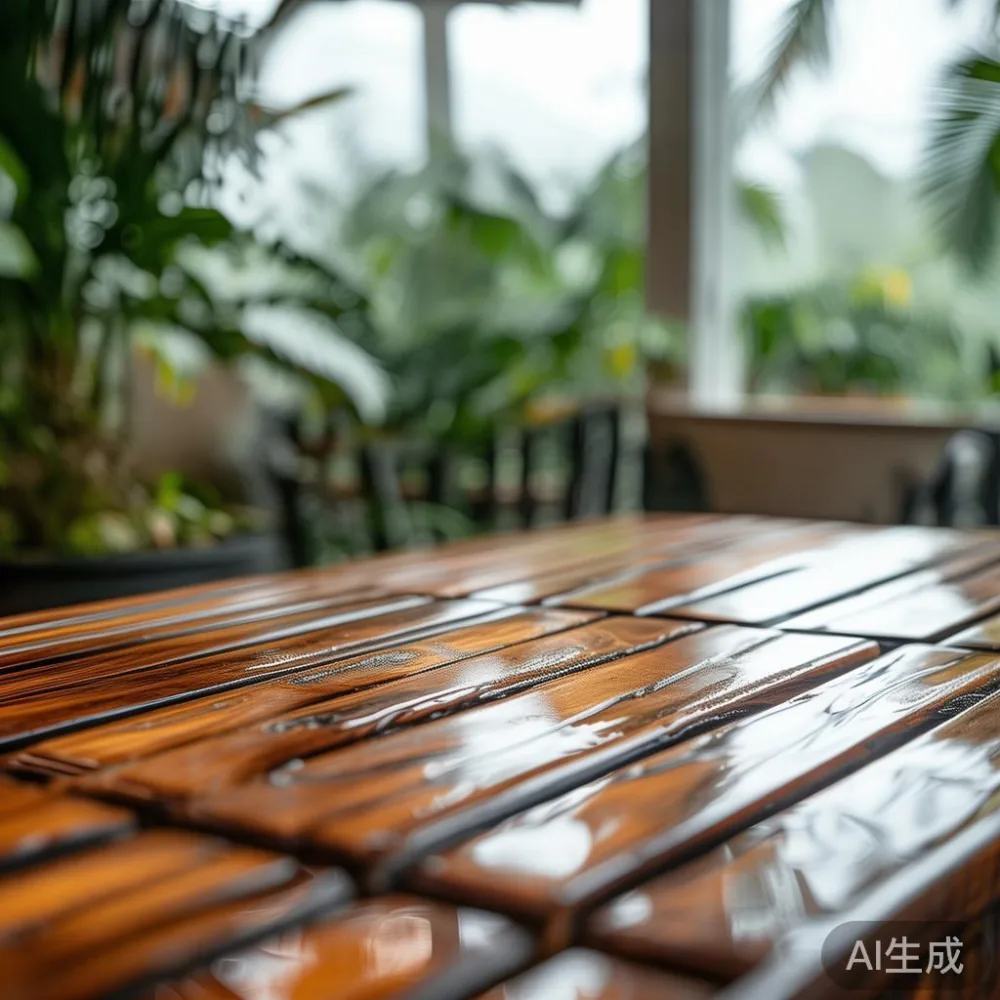
What does “lacquered” actually mean on an outdoor patio set?
Most owners I meet in Bedok and Punggol assume lacquer is just a shiny varnish. It is actually a cured film — usually nitrocellulose, acid-catalysed, or pre-catalysed conversion lacquer — sprayed in 4 to 7 coats and sanded between coats with 320-grit, then 400-grit, before a final 600-grit polish. On a solid wood piece, each coat is roughly 25 to 35 microns thick, so the total finish sits between 100 and 245 microns above the wood. That is thicker than a typical indoor PU coat, because outdoor patio lacquer is formulated with higher UV absorbers (usually 1.5% to 3% HALS additives).
You will see the same finish on a light luxury sofa frame in a French Providential catalogue, on a marble table base in a Bukit Tinggi condo, and on every MIDHILL bed that leaves the Foshan factory floor. The chemistry is identical. The difference is what hits it once it lands at home.
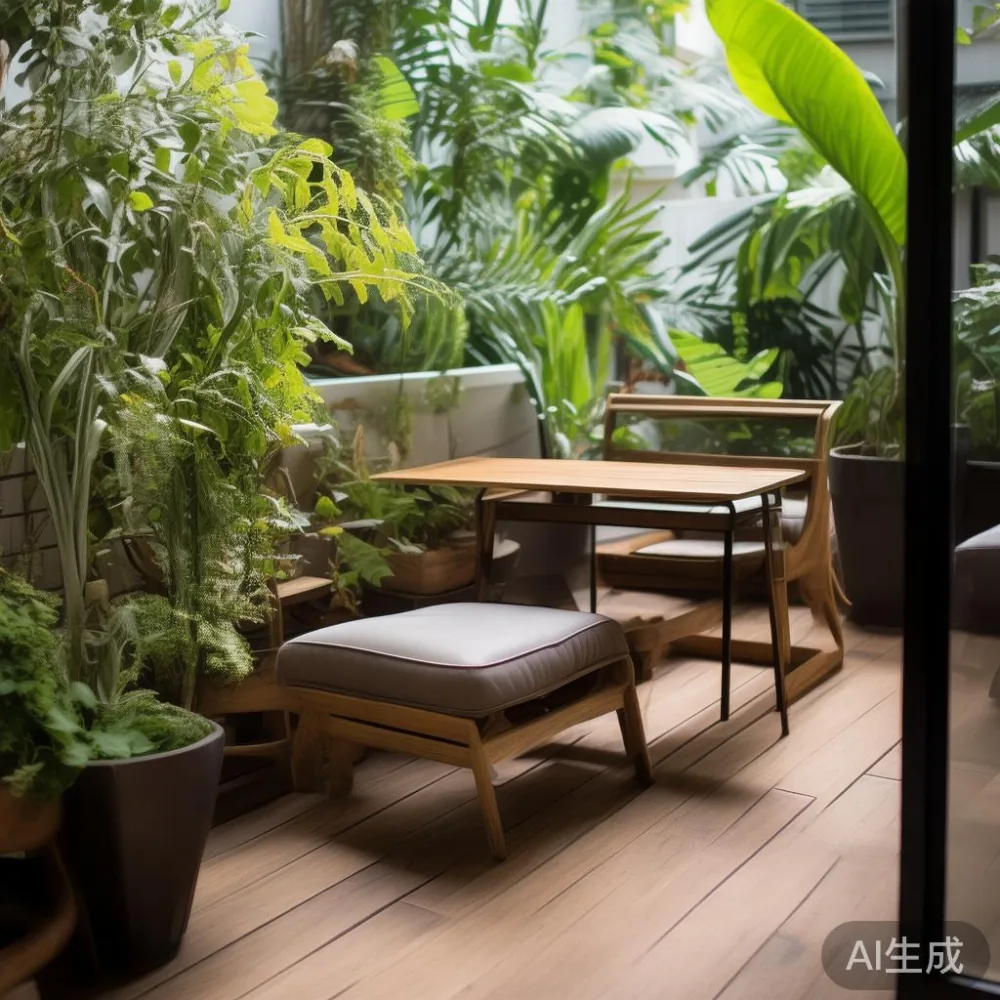
Why does Singapore punish lacquer so aggressively?
Singapore sits between 1° north of the equator. Annual UV index averages 9 to 11, hitting peaks of 13 between March and August. Daily relative humidity runs 70% to 90%, and afternoon thunderstorms dump 30 to 50 mm of water in 30 minutes, often four times a week between November and January. Salty sea air adds 0.3 to 0.8 mg of chloride per cubic metre when you are within 3 km of the coast, which is most of Singapore. Then there is the temperature swing: 24°C at 6 a.m. on a Sunday at East Coast Park, 33°C in direct sun on the same outdoor patio by 1 p.m., and 27°C by 7 p.m. after a tropical downpour.
That is roughly a 9°C swing in a single afternoon. Each 1°C shift makes the wood substrate under your lacquer expand or contract by about 0.01% along the grain. Over 365 days, your outdoor patio dining table moves by roughly 2.5 mm on a 1.8 m slab. A lacquer film can stretch about 1.5% before it cracks, so a 240-micron film can take roughly 3.6 mm of movement before it fails. That sounds safe until you forget a corner of your outdoor patio set in full sun for three afternoons running — then you start seeing the hairline cracks that turn into white milky patches once rain gets through.
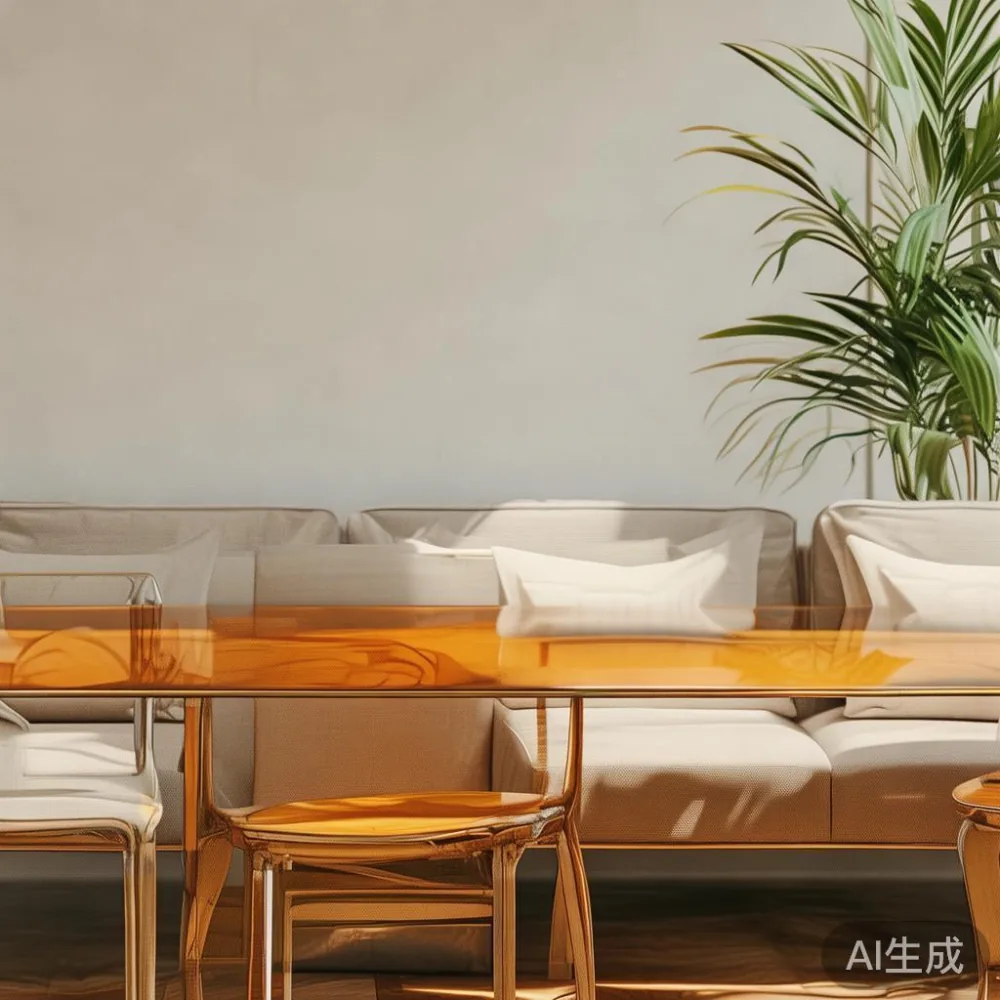
What cleaning routine actually works on a lacquered outdoor patio set?
Twice a week, take a 250 ml spray bottle, mix 200 ml of distilled water with 5 ml of pH-neutral dish soap (pH 6.5 to 7.5), and a flat microfibre cloth. Mist the surface lightly and wipe along the grain in straight lines, not circles. Dry it with a second microfibre cloth within 60 seconds. Never use a sponge, a magic eraser, vinegar, or anything with a pH below 5. Acidic cleaners will etch lacquer in two passes, and you cannot buff those marks out at home.
For the gaps between a slatted outdoor patio chair seat, use a soft-bristle 8 mm brush — the kind sold at any neighbourhood provision store for SGD 3.50 — to lift grit before you wipe. Once a month, apply a 5 ml dab of paste wax on a cotton cloth, leave it 8 minutes, and buff. That costs roughly SGD 12 to SGD 18 per jar and lasts four outdoor patio seats for 5 to 6 months.
Skip the wax if your outdoor patio furniture lives under a covered balcony, because trapped moisture under wax is the number one cause of the cloudy white blush Singapore owners complain about on Pinterest boards about how to style French provincial wardrobe in bedroom corner cabinets — same chemistry, same mistake.
How often should you re-lacquer, and what does it cost in SGD?
A properly lacquered outdoor patio set in Singapore needs a maintenance coat every 14 to 18 months. That is a hard number based on the UV dose. A full sand-back-and-respray by a Singapore workshop costs SGD 280 to SGD 520 for a four-seater outdoor patio dining table, and SGD 180 to SGD 360 for two outdoor patio armchairs. A spot repair for one cracked panel runs SGD 60 to SGD 110.
If you bought a MIDHILL-oriented outdoor patio set, the lifetime refinishing promise drops those future costs to just shipping and a small labour fee. That single clause usually saves an owner between SGD 900 and SGD 2,200 over ten years, which is roughly the price of a 2-kg durian every August — except it protects a SGD 2,800 outdoor patio dining set instead of your cholesterol.
Can you leave a lacquered outdoor patio set out through a full monsoon season?
Yes, but only with three habits. First, tilt chair seats at a 10° angle after each storm so water drains instead of pooling. Second, pull pieces 30 cm away from any wall, because a corridor breeze at HDB Bountiful is parallel to the wall and traps humidity in a 5 cm dead-air band that stays wet twice as long as open air. Third, wipe down within 20 minutes of rain stopping. Letting water sit on lacquered 60 minutes under direct tropical sun creates the micro-bubbling that turns into permanent haze.
Will my lift and corridor width damage the lacquer during delivery?
Older HDB corridors at Tampines Green and Punggol Bountiful run 1.2 m wide. Most three-seater outdoor patio benches are 1.8 to 2.1 m long. That 60 cm path overhang is exactly what scratched my friend’s set. Ask your supplier to deliver flat-packed with the lacquer protected by a 0.5 mm corrugated wrap and corner guards (SGD 12 add-on, worth every cent). MIDHILL ships free over US$350, but you still want them to confirm lift dimensions — both depth (typically 1.5 to 2.1 m) and door height (2.0 to 2.4 m) — before the truck rolls out.
What products should I never put on a lacquered outdoor patio surface?
Skip furniture polish with silicone. Skip teak oil. Skip olive oil. Skip car wax. Skip Pledge. Skip coconut oil, even though every uncle at the kopitiam swears by it. Skip Mr Muscle, skip CIF, skip anything with lemon or orange on the label. All eight will either soften the lacquer, leave a permanent haze, or both. The only products you need are pH-neutral soap, distilled water, microfibre, soft brush, and paste wax.
How does lacquer on an outdoor patio set compare to finishes I see in light luxury showrooms?
French light luxury, post-modern light luxury, and American light luxury all rely on lacquer as their primary surface finish because it lets the underlying wood grain read through. The difference is the colour palette — French light luxury leans champagne, American light luxury leans warm honey, post-modern light luxury leans cooler ash. The lacquer chemistry is identical on a light luxury sofa against a French provincial sofa. That is why the question of a light luxury sofa vs French provincial sofa usually comes down to three things: leg profile, button-tufting depth, and whether the frame is solid ash or solid beech. Both can use the same lacquer.
Same logic applies when you compare a European sofa against a mid-century modern sofa. The European sofa vs Mid-century modern sofa debate rarely turns on lacquer — both use a 7-coat system with a 600-grit polish. It turns on whether the legs are turned and tapered, or whether they are splayed at 8°.
Do the same rules apply to dining tables and wardrobes?
The rules apply to any lacquered surface, but the risk varies. A lacquered dining table sits indoors under air-conditioning, so humidity stays 50% to 60% and UV drops by roughly 80% through Low-E glass. You can re-lacquer every 4 to 5 years instead of every 14 to 18 months. A lacquered wardrobe behaves the same, although if you live in a high-floor Punggol unit with full-height windows, the west-facing panel gets the same UV dose as your balcony — treat that face the same way you would an outdoor patio set.
For dining room pieces, American for dining room style typically means a pedestal table in solid oak, 1.8 to 2.4 m long, with a 6-coat lacquer and a satin sheen. Same care routine, lower UV.
What about marble tables and nightstands?
A marble table is lacquered on the underside of the stone and on the wooden base. The marble side rarely fails in Singapore — calcium carbonate loves humidity. The wooden base follows the same rules as any lacquered outdoor patio piece. A lacquered nightstand lives in low UV and low humidity, so maintenance drops to once every 6 to 8 years, mostly to refresh scuffs.
How do you store an outdoor patio set if you travel for two weeks?
Wipe down, dry for 60 minutes, drape a 200 gsm cotton sheet over each piece, tie at the base, and tuck two 50 g silica gel packs under each cover. A 50 g pack costs SGD 1.80 at Daiso and absorbs roughly 4 g of water vapour over 14 days, which is more than enough for a short trip. Skip plastic tarps, because they trap the very humidity you are trying to escape.
What is the single biggest mistake Singapore owners make with a lacquered outdoor patio set?
Covering it with a plastic sheet during rain. Plastic traps 100% of the evaporating moisture under the sheet, where it condenses on the lacquer film overnight and creates the milky blush that no amount of buffing removes. Use a 300 cm, polyester-breathable outdoor cover with a 1,500 mm hydrostatic head rating (SGD 45 to SGD 90 on Shopee). The cover breathes, water beads off, and the lacquer survives another six months.
How does light luxury for small living room pieces fit into outdoor patio decisions?
If you are furnishing a bay-room style balcony in a 60-sqm storey BTO, light luxury for small living room style uses the same lacquered base as a full-size outdoor patio dining table, just at 1.2 m rather than 1.8 m. A two-seater outdoor patio bench at 1.2 m, paired with a 70 cm marble side table, gives you the same champagne tones as a light luxury sofa at half the footprint. Care routine is identical: twice-weekly wipe, monthly wax, 14 to 18 month refinish.
Does a Bohemian-styled balcony change the lacquer care rules?
No. You might layer rattan placemats, a macramé block and a kilim cushion on top of the lacquer, but the lacquer still needs the same micro-fibre wipe twice a week. Even the most eclectic look — the look you see in any Pinterest board titled top 10 Boho furniture — rests on a solid base that has to survive the same UV and humidity as a plain outdoor patio bench.
Where do MIDHILL pieces fit into this care routine?
I visited a friend’s Punggol condo last month where a MIDHILL outdoor patio set has stood on a 12th-storey balcony for 32 months. The owner follows the twice-weekly wipe and the monthly wax, and the only refinishing there has been the single sand-back the lifetime refinishing clause covered. The lacquer still reads clean at 12 degrees of gloss, which is the satin sheen most buyers want. MIDHILL bed frames in the same household show the same off-the-line sheen two years on, because the same lacquer chemistry travels whether the piece ends up indoors or on a balcony.
What does a yearly deep clean look like?
Once a year, in a dry February morning between 9 a.m. and 11 a.m. (when humidity drops to 65% to 70%), take the pieces off the balcony. Lay them on a 4 m x 4 m tarp in the corridor. Wipe down with 200 ml distilled water, 5 ml pH-neutral soap, and a fresh micro-fibre. Inspect every joint. Run a fingernail along the grain on the underside of each seat — if it leaves a white mark, the lacquer has hazed and needs a 600-grit sand and a single re-coat. That single re-coat costs SGD 90 to SGD 140 at a Singapore workshop, or roughly the price of two plates of char kway teow at Bedok 85.
How long should a lacquered outdoor patio set actually last in Singapore?
With the routine above, expect 12 to 18 years from a solid teak or solid ash outdoor patio set. With the lifetime refinishing clause that brands like MIDHILL include, expect another 8 to 10 years on top of that. Total: 22 to 28 years, which is roughly the length of a 30-year HDB lease minus the two years of renovations.
That is the math, the chemistry, and the calendar. Lacquer in a tropical climate is not impossible — it just asks for 15 minutes twice a week and one afternoon once a year. Your outdoor patio set will outlive your air-conditioning remote.