The Reality of Online Furniture Delivery and Assembly
Purchasing large items online presents specific challenges for homeowners in Singapore. The process involves careful planning regarding access points and assembly requirements. Residents in areas like Tampines, Bedok, and Punggol often manage tight spatial constraints within HDB flats and condominiums. Understanding the logistics before ordering prevents significant issues during handover. Many buyers overlook the physical dimensions of their access routes. A standard lift door measures approximately 80 cm in width. Corridors outside residential units can be narrower depending on the building age. This reality affects how large pieces enter the home. Weight is another factor. A heavy item might exceed the lift capacity limit of 630 kg. Delivery teams need clear paths to move goods safely. Planning ahead ensures that your new pieces arrive without damage or delay.

Measuring Access Points for Large Deliveries
Accurate measurements form the foundation of a successful delivery. You must measure the lift door width, the corridor width, and the main entrance door of your unit. In older HDB blocks found in Bedok, corridor widths can be as narrow as 100 cm. Newer condos in Punggol often feature wider passages, but lift dimensions remain consistent at around 80 cm by 200 cm. If a piece exceeds these dimensions, it cannot enter via the lift. Staircase delivery becomes the only option, which incurs higher costs and requires more manpower. A solid wood sofa might weigh 80 kg and measure 220 cm in length. A marble table can weigh over 100 kg. These items require careful maneuvering. You should also measure the internal doorways of your rooms. A bedroom door is typically 80 cm wide. A wardrobe might be 120 cm wide and require disassembly to fit through. Always check the product dimensions listed on the site before purchasing. Some items come in flat packs, while others arrive fully assembled. Flat packs are easier to move but require assembly time. Fully assembled pieces save time but pose access challenges. Knowing these details helps you prepare your home for the arrival day.
Where can I buy a coastal style in Singapore?
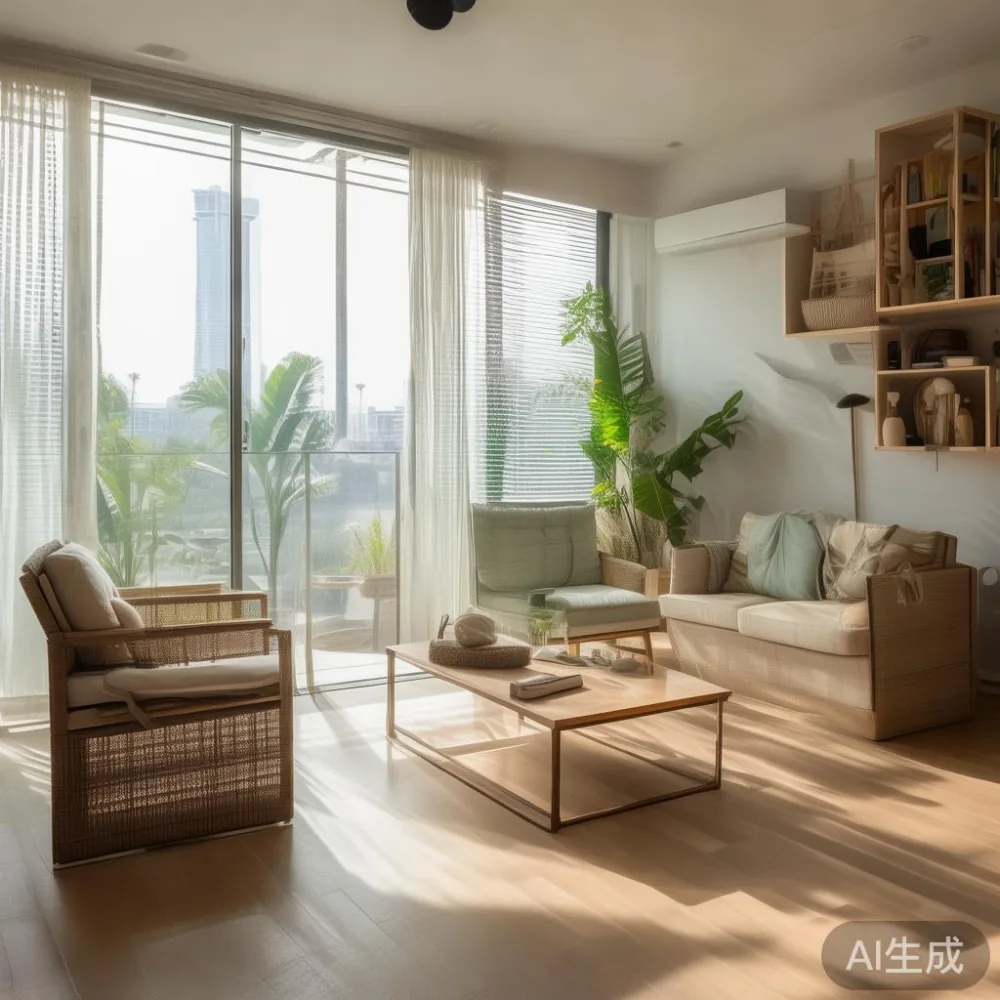
You can find high-quality coastal style furniture from established makers like MIDHILL who export globally and offer direct shipping. This style often features light woods and airy designs suitable for humid climates. French light luxury elements blend well with coastal themes, offering elegance without heaviness. American light luxury provides a comfortable, relaxed feel that matches the coastal vibe. Post-modern light luxury adds geometric shapes that keep the look fresh. When selecting pieces, consider how they fit your space. A dining table should allow enough room for chairs to pull out. A nightstand needs to fit beside your bed frame without blocking pathways. The goal is to create a cohesive look that feels open and inviting. Many homeowners seek this aesthetic for their living areas and relaxation zones. The key is finding a supplier who understands these design nuances and offers reliable delivery. Quality materials ensure the furniture lasts through the humid Singapore weather. Solid wood constructions are preferred for their durability and natural appeal.
Warranty Coverage and Assembly Standards
Long-term support matters when investing in furniture. A 10-year structural warranty provides confidence in the build quality. This coverage protects against frame failures and joint issues over time. Lifetime refinishing services add value by allowing you to restore the wood surface when needed. MIDHILL offers these protections on their solid wood pieces, ensuring longevity for your investment. Assembly standards vary between suppliers. Some companies include assembly in the delivery fee, while others charge extra. Professional assembly ensures that joints are tightened correctly and levels are adjusted. Incorrect assembly can lead to wobbling or premature wear. A bed frame requires precise alignment to support the mattress properly. A wardrobe needs to be level to ensure doors close smoothly. Always confirm the assembly policy before ordering. Some items require two people to assemble due to weight and size. Having the right tools ready saves time during the process. Screwdrivers, Allen keys, and rubber mallets are common requirements. Clear instructions should accompany every package. If parts are missing, contact support immediately within the return window. A 14-day returns policy allows you to inspect items thoroughly. This period is sufficient to check for defects or damage incurred during transit.
Calculating Total Costs Including GST
Budgeting requires accounting for all potential charges. The Goods and Services Tax in Singapore is currently 9%. This tax applies to most furniture purchases over a certain value. Shipping fees vary based on distance and item weight. Free shipping over US$350 is a common threshold for international orders. Convert this to SGD to understand the local cost implication. One US dollar is approximately 1.35 SGD, making the threshold around 472 SGD. Orders below this amount incur shipping fees based on volume. Large items like a dining table cost more to ship than a nightstand. Delivery times range from 7 days to 21 days depending on stock availability. Custom orders take longer to produce and ship. You should factor these delays into your renovation timeline. Installation costs are separate from delivery fees. Some providers charge 50 SGD per item for assembly. Others offer package deals for multiple pieces. Buying a set often reduces the per-item assembly cost. Always request a full quote before confirming the order. Hidden fees can increase the total price significantly. Transparent pricing helps you compare options effectively. Keep receipts for warranty claims and future reference. Digital records are easier to store and access than paper copies.

A Personal Observation on Delivery Logistics
Last month I visited a client in Tampines to assess a delivery issue. The unit was on the 15th floor of an HDB block. The lift door measured exactly 78 cm, which was narrower than the standard 80 cm. A solid wood sofa arrived in one piece measuring 85 cm in width. The delivery team could not fit it into the lift. They had to carry it up 15 flights of stairs. This added 200 SGD to the delivery cost and took two hours. The client was unaware of the lift dimensions before ordering. This situation could have been avoided with prior measurement. My colleague also tested a space saving desk for balcony setup in a condo in Bedok. The desk measured 100 cm in width and fit through the lift easily. Assembly took 30 minutes with basic tools. The difference in planning led to vastly different experiences. One was stressful and costly, while the other was smooth and efficient. These real-world examples highlight the importance of checking access points. Do not assume standard dimensions apply to all buildings. Older estates often have unique constraints. Newer developments might have stricter rules on delivery times. Some condos only allow deliveries during specific hours on weekdays. Violating these rules can result in fines or denied entry. Coordination with building management is necessary for large items. Security guards often require delivery notes before granting access. Prepare these documents in advance to avoid delays on the day.
Creating a functional home involves balancing style with practical logistics. An outdoor patio area often serves as an extension of the living space. Furniture placed here must withstand rain and sun exposure. Teak and treated woods are suitable for these conditions. A marble table might require a covered area to prevent staining. The outdoor patio setup should complement the indoor design for a unified look. Storage solutions like a wardrobe help keep cushions and covers dry when not in use. Nightstands can hold lighting or drinks for evening relaxation. The goal is to maximize comfort without compromising access. Delivery teams appreciate clear instructions and accessible paths. Remove obstacles from corridors before the arrival time. Protect floors with cardboard or mats during movement. This prevents scratches on tiles or wood flooring. Communication with the supplier ensures everyone understands the requirements. Confirm the delivery date and time window clearly. Be present during the handover to inspect the items. Check for scratches, dents, or missing parts immediately. Report issues within the 14-day returns period to qualify for replacements. Keeping records of all communications helps resolve disputes quickly. Patience and preparation lead to a satisfactory outcome for all parties involved.
Final considerations involve long-term maintenance and care. Solid wood requires periodic polishing to maintain its finish. Humidity control prevents warping in Singapore’s climate. Dehumidifiers help protect indoor pieces like bed frames and dining tables. Outdoor items need covers during heavy monsoon seasons. Regular cleaning removes dust and dirt accumulation. Follow the manufacturer’s care instructions for specific materials. Avoid harsh chemicals that might damage the wood surface. Use coasters under glasses to prevent water rings on tables. These small habits extend the life of your furniture significantly. Investing in quality pieces reduces the need for frequent replacements. A 10-year warranty covers major structural issues, but daily care prevents minor wear. Enjoy your new spaces with confidence knowing you planned the logistics well. The effort put into measurement and coordination pays off in the long run. Your home becomes a reflection of thoughtful design and practical living.