Lacquered Furniture Care for Singapore’s Outdoor Patios
Singapore’s outdoor patio season is short, but the conditions are demanding. Humidity can sit above 80% for much of the year, afternoon showers arrive quickly, and balcony or communal-deck surfaces collect salt, dust, and leaf runoff. A lacquered solid wood dining table may look elegant indoors, yet placing it directly on an exposed patio without proper care risks swelling, peeling, mildew, or permanent staining.
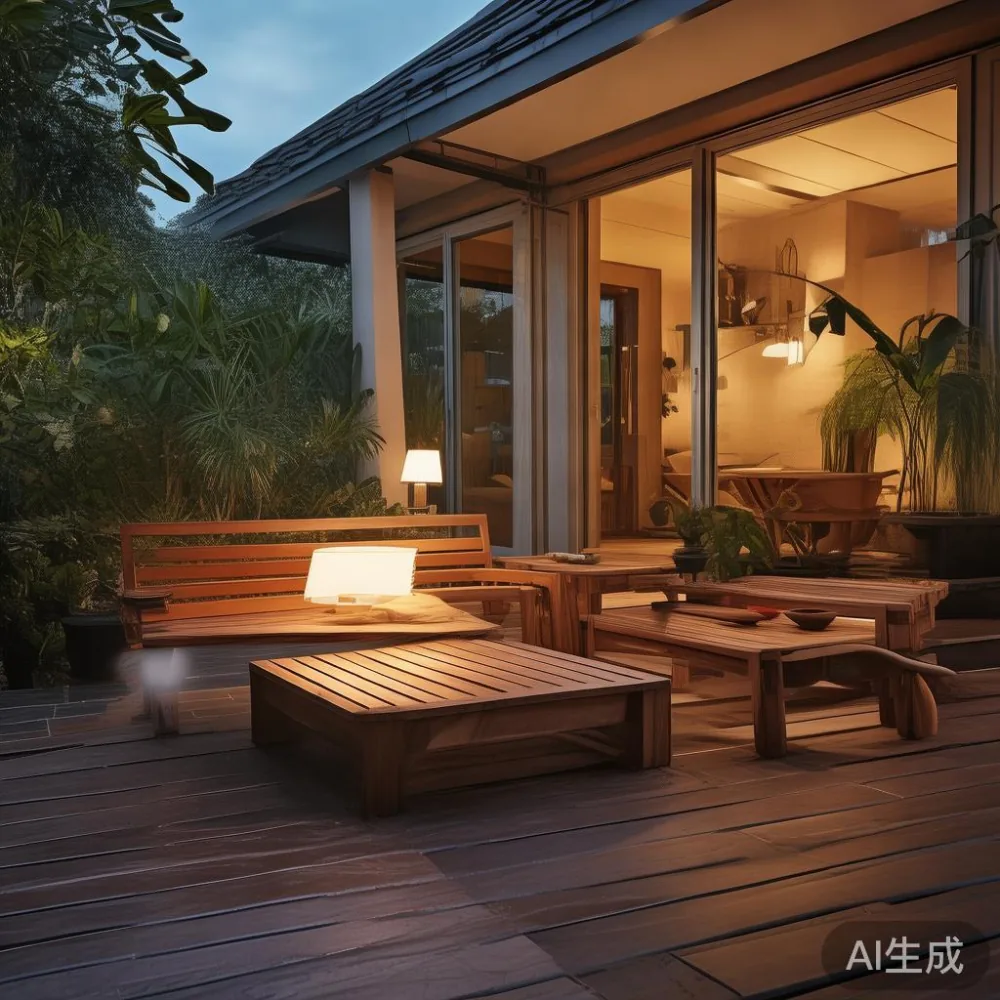
At MIDHILL, we treat lacquer as a protective finish rather than a permanent shield against the elements. The same care routine applies to a lacquered solid wood sofa, bed frame, wardrobe, nightstand, or marble table used around an outdoor patio, although stone and timber need slightly different cleaning methods. With measured habits, sensible storage, and prompt wipe-downs, lacquered furniture can remain attractive through several tropical seasons.
What makes lacquer care difficult in a tropical climate?
Singapore’s combination of heat, humidity, ultraviolet exposure, and airborne moisture affects furniture in several ways. Timber may absorb moisture through exposed edges and joints. A lacquer film can then blister or peel when moisture enters the substrate and the finish is heated by direct sun. Coastal wind also deposits fine salt particles onto surfaces near windows, balconies, and open corridors.
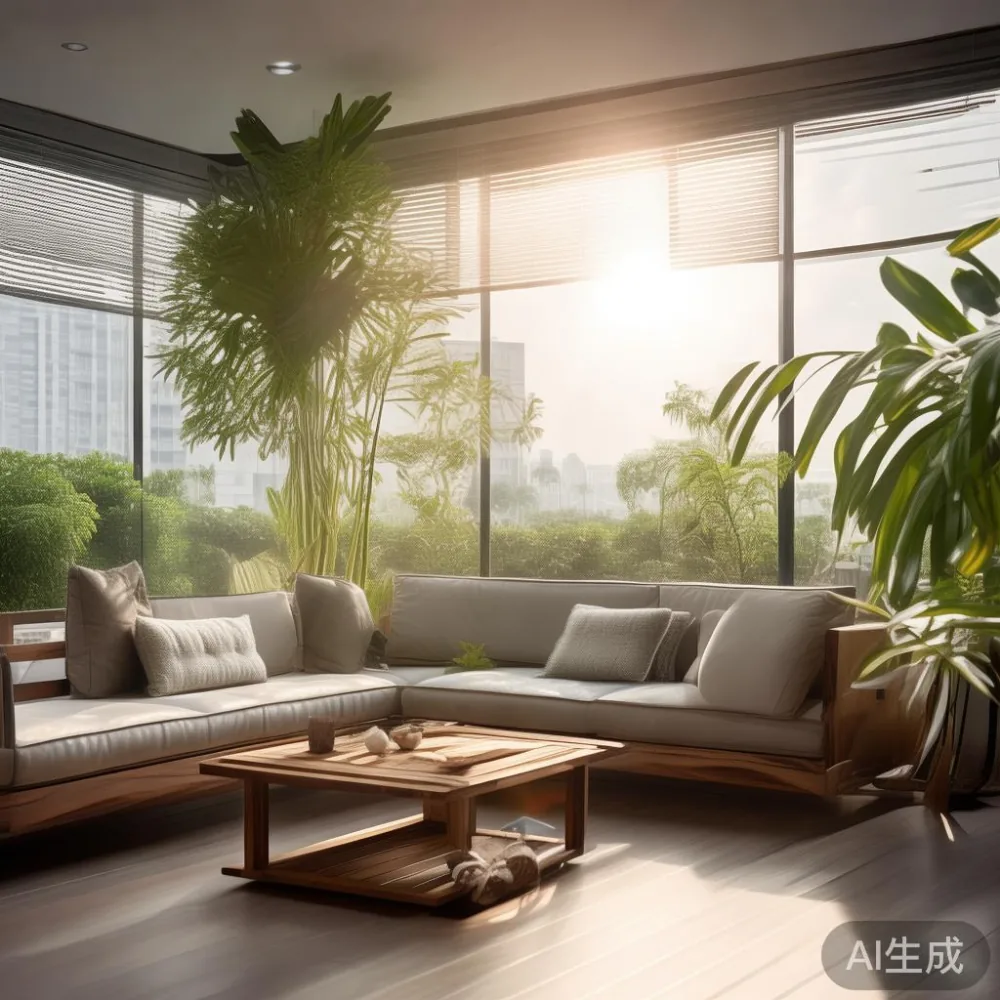
Interior conditions are usually gentler. In an HDB flat in Tampines, a dining table might receive 2-4 hours of indirect light each day, while a Punggol condo balcony can have 5-7 hours of direct exposure. During heavy rain, wind-driven droplets can reach furniture set 1 m from the railing. In Bedok, a ground-floor corridor may also receive reflected moisture from air-conditioning condensate and poorly drained planters.
Lacquer quality matters too, but even a well-applied coating needs sensible care. Inspect the furniture at least once every 2 weeks during humid periods. Look for dull patches, tiny bubbles, lifting edges, sticky areas, and pale water rings. A mark found after 1 week is generally easier to address than one left for 3 months.
How should I prepare lacquered furniture for an outdoor patio?
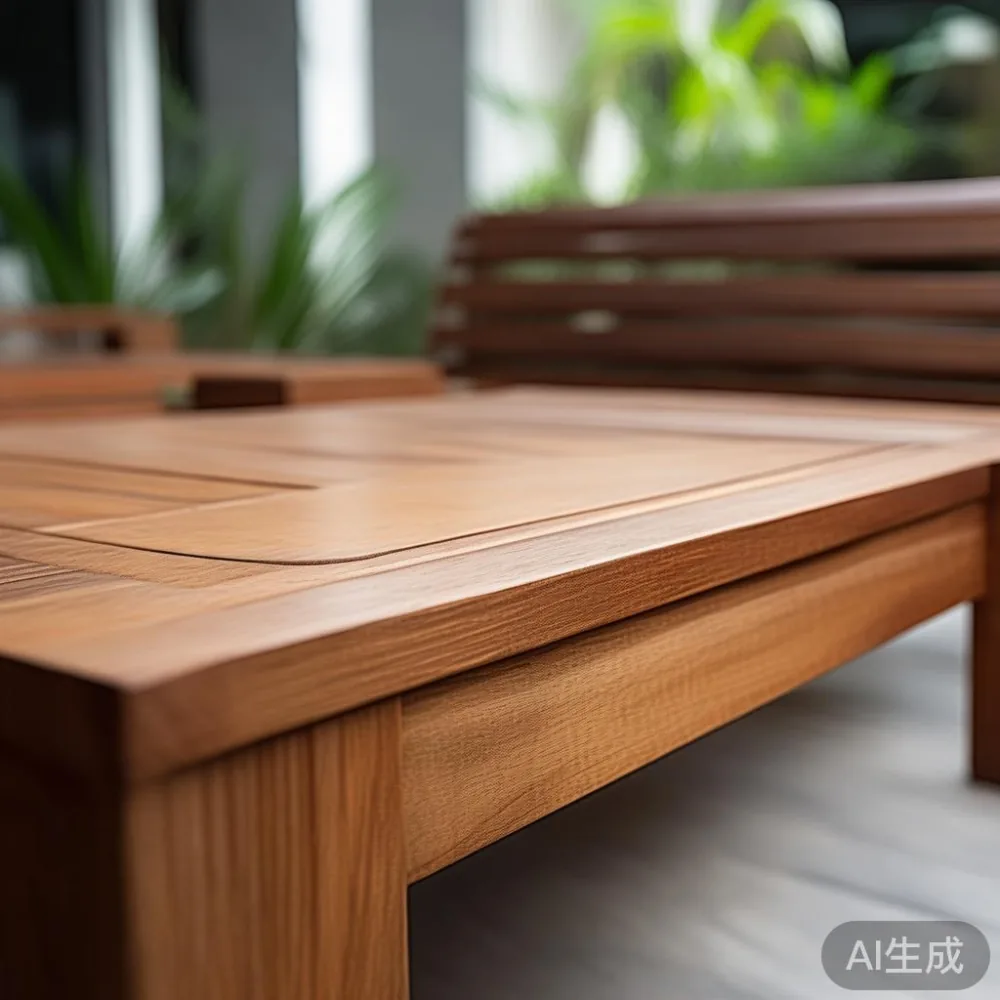
Choose a shaded position rather than assuming every product belongs outside permanently. For a dining table, keep it at least 2 m from a wall or railing where possible, and avoid a location where roof runoff falls behind the legs. If the balcony receives direct afternoon sun, use a breathable outdoor cover rather than a plastic sheet pressed against the lacquer. Leave 10-15 cm of ventilation space beneath or around the covered piece.
Before use, wipe the surface with a clean, damp cloth and dry it immediately. Check whether the lacquer is intended for outdoor use; a furniture-grade interior lacquer should be moved under cover whenever rain is forecast. Do not leave a dining table at a window merely because the glass blocks most rain. Moving air can still carry humidity and salt spray toward the frame.
Use protective felt pads under every leg. The pads should be at least 3 mm thick and suited to the terrace material. Lift the furniture rather than dragging it across tile, because grit trapped under one pad can scratch lacquer. For moving between rooms, secure the doors and remove loose cushions, then use a 2-person lift for a solid wood dining table weighing more than 35 kg.
Furniture dimensions deserve attention in Singapore homes. A standard HDB lift interior may measure about 1.1 m by 1.4 m, though older blocks and service lifts vary. A 180 cm dining table may need to enter through a 90 cm doorway at an angle, so confirm the diagonal and turning clearance before delivery. MIDHILL can coordinate the measurements with your floor plan before the furniture leaves the workshop.
What is the safest way to clean lacquered wood?
Clean lacquered surfaces every 1-2 weeks during high-use periods and after visible rain. Use a soft microfibre cloth, lukewarm water around 30°C, and a small amount of mild dish soap: approximately 1 teaspoon per 5 L of water. Wring the cloth until it does not drip. Test the mixture on a hidden 5 cm by 5 cm area and wait 24 hours before cleaning the full panel.
Work in straight motions with the grain, not in harsh circles. Wipe a small section once, then use a second clean cloth to remove residue and dry the surface. Avoid soaking the top, flooding the joints, or spraying cleaner directly onto lacquer. If the finish feels tacky after cleaning, stop and let it dry rather than applying another wet layer.
Spills need prompt action. Remove liquid within 15 minutes when possible. Blot red wine, coffee, juice, or oil with paper towel; do not rub. A diluted dish-soap solution can lift a fresh mark, but old dye may require professional assessment. Do not use vinegar, ammonia, bleach, abrasive pads, alcohol-based cleaners, or silicone polish. A 1:10 bleach solution is also inappropriate because it can discolour both lacquer and exposed timber.
For marble table tops used near an outdoor patio, use a neutral pH stone cleaner instead of timber soap. Wipe acidic spills—especially citrus, wine, and tomato—within 10 minutes. Marble may etch if acid remains, and soap residue can create a dull film. Keep a separate cloth for stone so oily residue does not transfer to wood.
How often should lacquer be inspected and maintained?
Set a monthly inspection during the wettest months and a quarterly inspection for sheltered furniture. Look under the table or sofa after rain, not only at the visible top. Use a bright light at an angle across the lacquer; small bubbles become easier to see under 300-500 lux. Pay attention to the underside of edges, fastener holes, end-grain panels, and areas where a cover has trapped moisture.
Do not promise that a lacquered finish can be renewed simply with furniture oil. Oils can trap moisture or alter the sheen. If the film remains smooth with only minor surface marks, cleaning may be enough. If it has cracked, lifted, or separated, sanding through the damaged area risks exposing the timber and creating an uneven repair. Contact the maker for guidance and use a trained refinisher for large panels.
MIDHILL provides a 10-year structural warranty and lifetime refinishing for qualifying products, but care remains part of the material’s service life. Structural failure and finish damage are different issues. Keeping furniture dry, covered, and stable protects both.
Can a lacquered bed frame, wardrobe, or nightstand stay near an outdoor patio?
They can be used in a sheltered outdoor patio or semi-outdoor room, provided moisture and direct weather are controlled. A bed frame should not sit in a balcony bedroom where the door stays open during storms. A wardrobe positioned beside an exterior wall may encounter condensation, particularly at night, so allow at least 10 cm of clearance and use a moisture monitor reading below 60% relative humidity where possible.
For a nightstand, check the wall behind it every 2 weeks. A 2 mm gap between the cabinet and wall can improve airflow. Avoid placing it directly beneath a ceiling pipe, air-conditioner drip line, or open window. A solid wood sofa should be covered only when dry; a damp cover can create more damage than no cover. Remove seat cushions after rain so trapped water does not enter the frame.
Those comparing an American sofa vs Modern sofa may also be comparing different frame and finish options. An American-style sofa with broad, loose cushions needs more frequent airing, while a tighter Modern sofa design may wipe down more easily. Neither construction cancels the need for moisture control.
How should I cover, store, and move outdoor patio furniture?
Use a fitted cover made from breathable polyester or acrylic. It should fit within about 5 cm of the furniture’s outline, with vents near the top and hem. Avoid generic plastic tarpaulins because condensation can form beneath them. Secure the cover with adjustable straps, but do not pull them tightly enough to distort the frame.
Before covering, make sure the surface is completely dry. In a condo corridor, position the furniture away from sprinklers and washing-water runoff. For storage, keep the piece at least 30 cm above the floor and 20 cm from a wall. A steel rack with 5 cm slats works better than solid shelving because air can circulate below the legs.
Moving furniture through a narrow HDB lift can cause more damage than outdoor exposure. Use a furniture dolly rated for at least 1.5 times the item’s weight. For example, a 60 kg solid wood dining table requires a dolly rated for 90 kg or more. Strap the table at two points, protect the corners with 3 mm foam, and keep people clear of the descent route.
For larger pieces, check the lift door, cabin depth, corridor width, and turning radius. A 210 cm wardrobe cannot be judged by doorway width alone. If it is disassembled, label every fitting and photograph the connections before removal. This process also protects the 10-year structural warranty.
What should I do if lacquer starts to peel, swell, or stain?
First, move the furniture into a dry, ventilated room with stable conditions. Do not place it near a dehumidifier set to an extreme setting or expose it to direct heat. Photograph the damage with a ruler beside it, note when it appeared, and record recent weather events. These details help a supplier distinguish lacquer failure from water ingress at a joint or external chemical exposure.
For minor surface haze, try a barely damp cloth and a clean, dry microfibre cloth. Test first, then use gentle pressure of less than 2 kg. For bubbles, peeling, lifting edges, or deep scratches, stop using abrasive methods. Cover the area loosely and arrange professional assessment rather than trapping moisture under tape.
Stains can sometimes be treated selectively by a furniture specialist, but the repair may require local sanding, recolouring, and a fresh lacquer system. A water ring is less invasive than missing lacquer, yet treatment should still be tested on a hidden area. Replace a badly swollen leg or cracked panel rather than trying to disguise structural movement.
How do I choose furniture that suits Singapore’s outdoor patio?
Choose the construction before the finish. Kiln-dried hardwood with properly finished edges offers better dimensional stability than untreated timber in humid conditions. Ask about joinery, coating type, drainage holes, and warranty coverage. Confirm whether the product is approved for full outdoor exposure or only for a sheltered patio.
For a dining table, allow at least 90 cm of clear space behind each seated person and 1.2 m along the main route. In a typical 10 m by 4 m HDB balcony, a 160-180 cm table with 6 chairs can fit, but the openable-door clearance and nearby laundry racks may reduce the usable width. At least 75 cm should remain beside the table for service access.
Those searching for where to buy dining table from MIDHILL can request dimensions, finish information, delivery estimates, and GST-inclusive pricing. Typical Singapore delivery takes 7-14 delivery days after production, although access conditions can add 1-3 days. Free shipping applies above US$350 as stated for qualifying orders, while local delivery charges and GST should be confirmed directly.
For coordinated interiors, how to style French wardrobe in bedroom calls for pale finishes, restrained hardware, and uncluttered spacing rather than crowding a humid balcony. The best European light luxury wardrobe for 2026 is not simply a visual choice; drawer movement, moisture resistance, and serviceability matter in Singapore. The same logic applies when comparing a solid wood sofa with a marble table: each needs a defined role in the patio zone.
What is a practical weekly care routine for tropical weather?
On day 1, clear the surface and wipe it with a damp cloth. On day 3, inspect areas near joints and window-facing sides. On day 7, check the cover and underside for trapped moisture. During the following week, repeat the process and adjust the cover position if condensation appears. This simple routine is more useful than occasional aggressive cleaning.
Keep a small care kit near the patio: 2 microfibre cloths, 1 soft-bristle brush, 1 measuring spoon, mild dish soap, and a moisture meter. The meter should read below 60% relative humidity in enclosed storage and generally below 70% in an open, well-ventilated patio area. Use a hygrometer rather than relying on subjective dampness.
For a light-luxury setting, French light luxury works well through pale timber tones, woven seating, linen-look cushions, and slim profiles. Post-modern light luxury can use simpler geometry and mixed materials. American light luxury often leans into generous seating and deeper proportions, but a solid wood sofa still needs the same dry, covered storage.
People looking for the best European light luxury sofa for 2026 may focus on frame comfort and finish quality; tropical care should be part of the specification. An American for guest room is also easy to misinterpret as a ready-made label for heavy use. Regardless of style, washable covers, replaceable cushions, and accessible repairable finishes support long-term use.
The objective is not to keep an outdoor patio completely sterile. It is to control water exposure, reduce abrasion, and notice changes early. A 10-minute wipe and a 2-minute inspection each week can prevent a small finish problem from becoming a costly repair. That discipline protects the furniture, the home, and the calm of the space.