How Southeast Asian Humidity Changes Wood Furniture Care
Singapore’s climate can move quickly from warm and damp to humid after a rainstorm. In an HDB flat in Tampines, an outdoor patio may receive only 2 hours of morning sun, yet still sit near a void deck where moisture lingers. In a Bedok condo, a balcony with 3 solid walls can trap humidity for 8 to 12 hours. Punggol homes near the coast face the same issue: salt, rain and warm air can enter through openings that seem small.
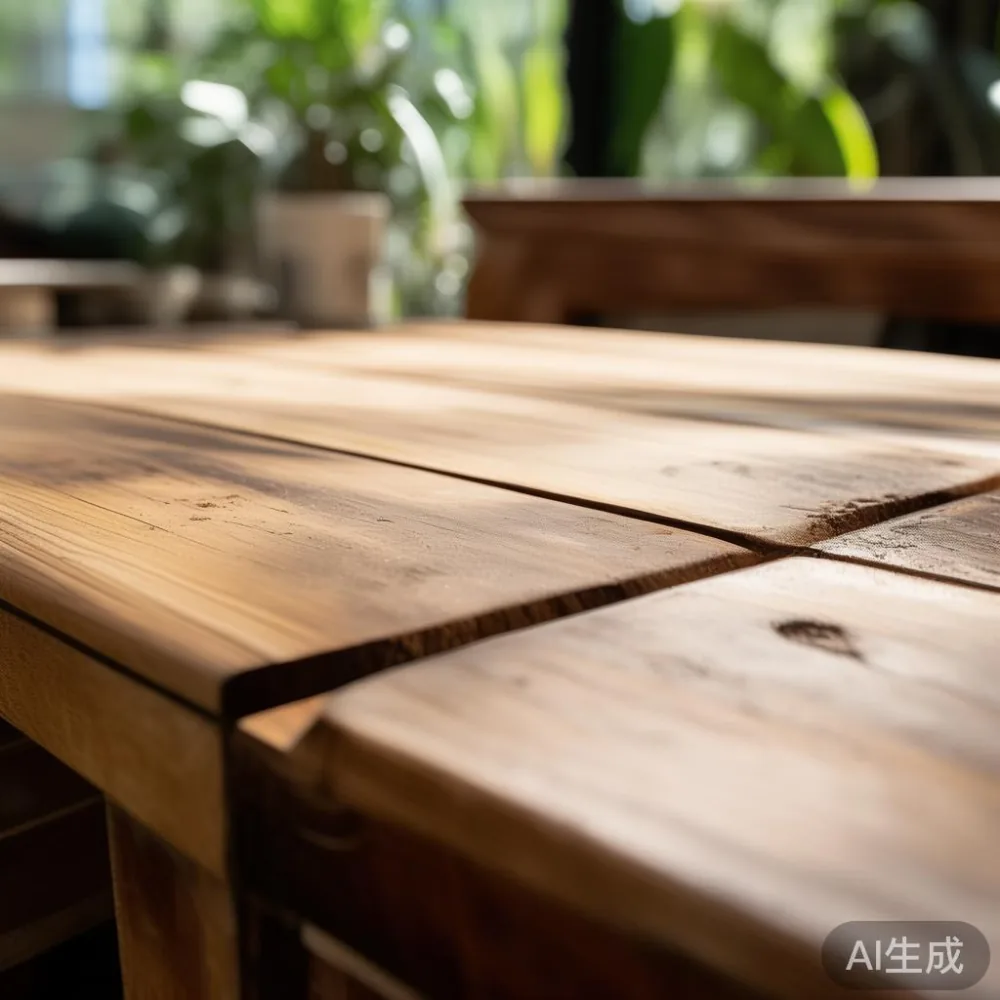
Humidity affects wood slowly at first, then visibly. A solid wood dining table may develop a dull patch, a wardrobe door may fit less smoothly, and a marble table may show water marks around its edge. The material is not necessarily poor quality; the surrounding conditions are simply demanding. Understanding those conditions helps Singapore households choose furniture, protect it and enjoy an outdoor patio without replacing pieces every few years.
MIDHILL designs solid wood furniture for real homes rather than displaying rooms. The company has exported to more than 15 countries since 2008, offers a 10-year structural warranty and provides lifetime refinishing. That longevity still depends on sensible humidity care, especially for furniture placed near doors, windows, void decks and open-air corridors.
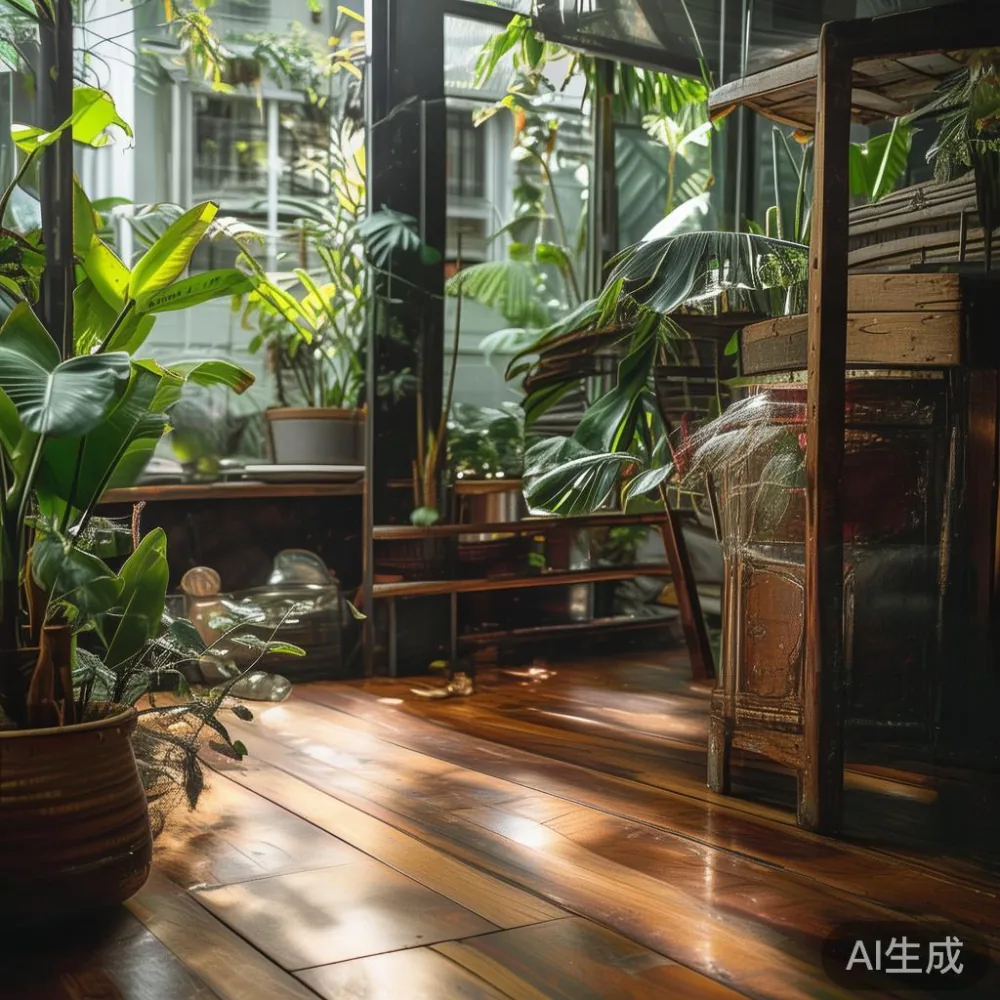
Why Singapore humidity affects wood so much
Relative humidity is measured as a percentage. At 60%, wood may feel normal in a dry, air-conditioned room. At 80% during a wet afternoon, an outdoor patio can remain damp long after the sky clears. Tropical nights often stay above 75%, while an interior living room may be maintained around 55% to 65%.
Wood is hygroscopic, meaning it absorbs moisture from the surrounding air. When humidity rises, its fibres swell. When humidity falls, they contract. A dining table with a top measuring 180 cm by 90 cm can expand by several millimetres across its width, although the exact movement depends on the species, thickness, finish and fitting.
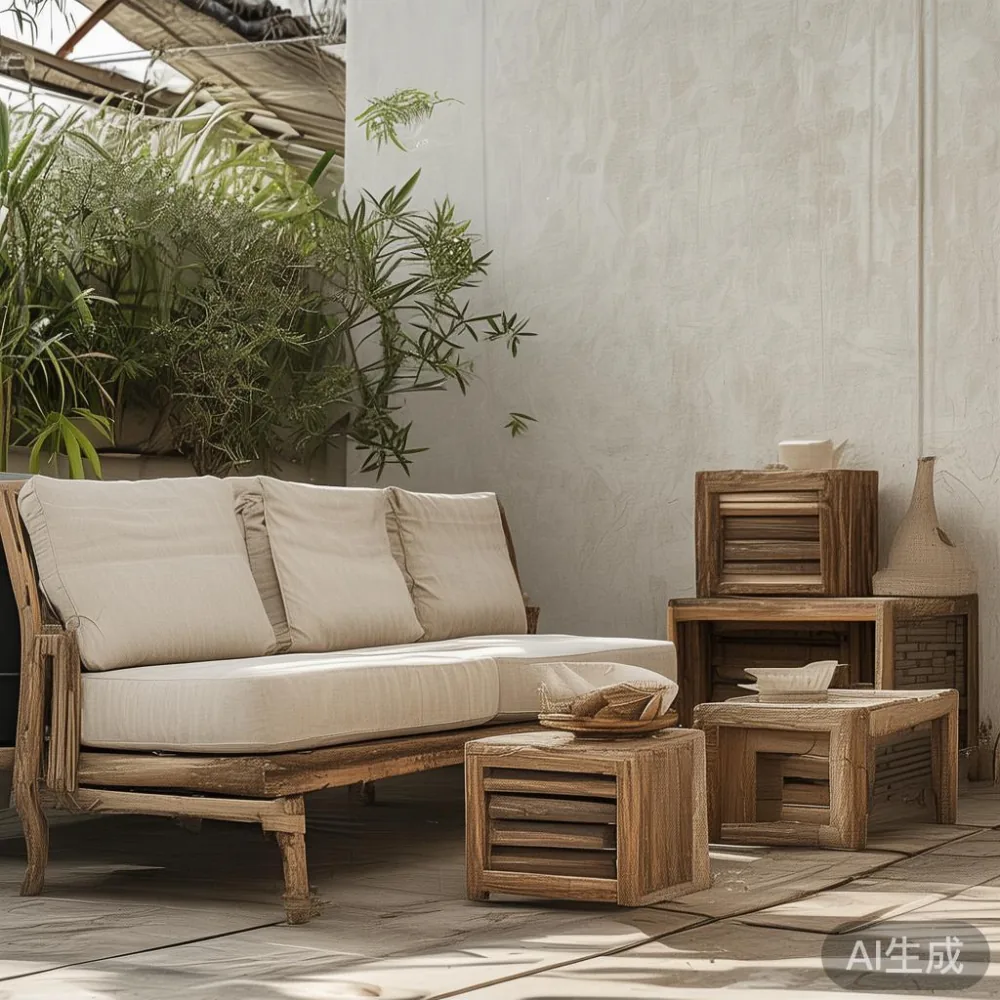
Particleboard and MDF can also swell, but their edges may swell unevenly. Solid wood generally tolerates gradual moisture changes better, yet it still needs ventilation. A bed frame may move slightly, a nightstand drawer may tighten, and a wardrobe may develop gaps if the carcass is repeatedly exposed to damp air.
Singapore households often manage the indoor side of this equation with air conditioning or a dehumidifier. A portable unit rated at 12 litres per day may help in a room of roughly 20 square metres, although actual performance depends on ventilation and the amount of moisture entering the space. Dry air is not automatically safer if the furniture is already warm or wet; avoid creating rapid moisture changes.
What changes on an outdoor patio?
An outdoor patio can be a balcony, communal deck, sheltered terrace or ground-floor garden area. Each location has a different exposure profile. A Tampines HDB balcony with a solid parapet may receive 3 hours of direct rain in a monsoon month. A Punggol condo balcony beside an open stairwell may stay shaded, while a Bedok void deck can expose furniture to 9 hours of moisture overnight.
Rain is only one concern. Humid air enters around the edges of sliding doors and through service openings. Lift corridors and common decks may also carry food vapour, dust and salt from nearby roads. Furniture covered with a fitted sheet is better than one left bare, but a loose plastic sheet can trap condensation against the wood. Breathable waterproof covers are more appropriate.
Temperature shifts matter too. A marble table or stone-topped surface can develop condensation if a warm piece is moved into a cooler room. Keep that temperature transition gradual where possible. For a solid wood sofa, place cushions under a cover and leave 5 cm of clearance around the base where air can circulate. For a dining table, wipe puddles within 15 minutes rather than waiting until evening.
Outdoor wood should not be treated as indoor furniture merely because it sits on a balcony. Use a finish suitable for exposed conditions, and check whether the supplier supplies annual maintenance guidance. A finish with 3 coats may offer better resistance than a single film, but maintenance timing still matters.
How humidity changes the look and feel of furniture?
Moisture can alter the colour of wood as it swells. Pale oak may become slightly deeper in tone, while walnut can appear warmer. The change is often reversible after the surface dries, but persistent water exposure can leave uneven patches. Light-luxury styling does not need perfectly uniform furniture; it needs controlled variation, clean lines and materials that age with dignity. French light luxury, American light luxury and post-modern light luxury all work well when grain movement is accepted as part of solid wood.
A solid wood sofa may feel heavier or softer in humid weather as the frame and upholstery respond to moisture. Fabric can develop a musty smell if air circulation is poor. A bed frame should be given 10 cm of breathing space near the headboard if it sits close to an exterior wall. A nightstand should be pulled 8 cm from a wall during heavy rain, if the layout permits.
Wardrobes need particular attention because tall doors amplify small dimensional changes. Allow at least 4 cm of clearance above a wardrobe if the floor is exposed to occasional dampness. Hinges and runners should be checked every 6 months. If a door catches repeatedly, measure the gap before sanding; the carcass may be moving because of humidity rather than a failed fitting.
A dining table near an outdoor patio doorway can also collect indoor air and outdoor vapour at the same time. Place it at least 1 metre from an open sliding door during heavy rain. Use coasters with a diameter of 10 cm to 12 cm beneath drinks, and avoid leaving a damp glass directly on the timber.
How should I choose furniture for a humid balcony?
Start with dimensions, access and exposure. A standard HDB corridor may be about 120 cm wide in common routes, while lifts often provide an internal depth of roughly 140 cm and a door opening near 90 cm. A 180 cm dining table may turn in an open area but become difficult to move around a tight landing. Measure the lift, corridor, turns and balcony door before ordering; allow 10 cm of working clearance wherever possible.
Choose solid wood furniture with a clear finish, stable joinery and replaceable parts. Ask for the species, moisture expectations, coating information and warranty terms. A piece intended for occasional outdoor use should have a sheltered design, while a fully exposed commercial patio requires a different specification.
For compact Singapore interiors, a 120 cm dining table may suit a family of 4 more easily than a 200 cm model. A bed frame should leave 60 cm beside the mattress for bedding access, while a wardrobe may need 70 cm in front of its doors. These practical details matter more than a decorative label.
People searching for sale Nordic furniture online often focus on pale timber and clean profiles. In humid conditions, confirm that the finish is supplied for the intended setting before deciding on a pale shade. A covered outdoor patio is less severe than a fully open deck, but it is not automatically weatherproof.
For anyone asking how to choose American wardrobe, compare the depth, door swing, internal shelving and moisture performance rather than relying on style alone. A wardrobe for a condo bedroom should sit away from an exterior wall if possible. In an HDB flat, ventilation and a dehumidified bedroom usually offer more protection than an unheated balcony.
For customers comparing a European sofa bed with storage, inspect the frame under the mattress, the drawer runners and the base clearance. In a humid room, leave at least 8 cm beneath the sofa if possible for inspection and drying. A solid wood sofa with removable covers is easier to maintain than one with fixed upholstery that traps moisture.
What care should I do in the first 10 minutes after rain?
Begin with water, not polish. Wipe the surface with a clean microfibre cloth, then dry it with a second cloth. Do not use a wet mop across a dining table or marble table; water can enter joints or settle around a stone edge. For a nightstand, remove coasters, wipe underneath and leave the top uncovered for 30 minutes if the room is ventilated.
Check the underside every 7 days during a wet spell. Look for black spots, softened paint, mould around joints and musty odours. Rub a dry cloth over the surface; if it feels tacky, stop adding oil and allow the timber to dry. If a coating feels sticky after 24 hours, contact the maker for advice rather than applying another layer.
Re-oil according to the finish and the maker’s instructions, not according to a fixed calendar alone. Some oiled products may need inspection every 6 months; painted or lacquered surfaces may need a different maintenance approach. A small test on a hidden area should be completed before treating a 150 cm table or a large wardrobe door.
Keep objects 5 cm away from exterior walls where possible. Use a breathable cover during a forecast of continuous rain, and uncover it within 4 hours after the weather clears. Plastic sheeting can be useful for short protection, but it should not remain attached overnight.
How much does humidity change over a Singapore day?
The daily pattern is often more revealing than the monthly average. At 7 a.m., a shaded patio may register 78% relative humidity. By midday, it may reach 72% as sunlight warms the area. A short thunderstorm can then push the reading to 91%, followed by 84% through the night. Outdoor furniture repeatedly experiences this cycle.
A small digital hygrometer placed near, not directly against, the furniture can help. A reading below 70% is generally more comfortable for wood indoors, while readings above 75% call for extra attention in an exposed patio. These numbers are guides, not guarantees. Species, coating, ventilation and rain exposure all affect the result.
Air conditioning removes moisture but does not stop outdoor vapour at an open door. Close sliding doors during heavy rainfall when practical, then ventilate the interior after the storm. Run the air conditioner for 2 to 3 hours before opening vulnerable furniture doors if the temperature difference is large. This simple habit can reduce condensation on a wardrobe or marble table.
In lift lobbies and common corridors, protect the route as well as the furniture. Use a folded mat at the entrance if there is a wet track from the lift. A dining table delivered through a 90 cm opening may need 2 people, not 1, especially if the packed weight exceeds 35 kg. Confirm the delivery method before bringing a large item to a Punggol or Tampines block.
Is a 10-year structural warranty enough for humid weather?
A structural warranty protects the frame or joinery for a defined period; it does not promise that a surface will remain untouched in every climate. The 10-year structural warranty from MIDHILL gives buyers a clear baseline for manufacturing confidence, while lifetime refinishing can restore the appearance when wear or colour change occurs. The owner must still follow reasonable care instructions, especially around standing water and repeated salt exposure.
Keep a care record with dates, humidity observations, cleaning products and repairs. Photograph a dining table or bed frame every 6 months during its first 2 years. This helps identify whether a change came from a finish issue, water exposure or ordinary movement.
For an outdoor patio, separate furniture intended for occasional covered use from pieces meant for permanent exposure. If the patio is fully open, specify an outdoor-grade finish at purchase. If it is sheltered but connected to a corridor, inspect the floor and walls for dampness. A covered piece may last longer, but it still needs a breathable cover during storms.
What should I know about Singapore prices, delivery and returns?
Compare the delivered price rather than the catalogue figure. A dining table may be quoted at SGD 1,280 before delivery, or SGD 1,520 delivered into a standard HDB block. A lift surcharge could add SGD 45, while an additional staircase carry may cost SGD 30. Ask whether assembly is included; a bed frame may add SGD 60, and a wardrobe may add SGD 110.
Plan for delivery within 7 to 14 working days, depending on stock, finish and location. Allow 2 days for access checks around lift renovations. If the lift opening is 90 cm, provide that measurement to the delivery team. Confirm whether the packaging can be flattened for disposal; wrapped cartons can exceed 180 cm in length even when the furniture fits through the door.
For a purchase below the stated free-shipping threshold of US$350, compare the total in SGD carefully, since exchange rates and local charges may change the final amount. Singapore orders should show GST where applicable, and the receipt should separate furniture, delivery and installation charges. A 14-day returns policy is useful for checking dimensions and finish in the room, but outdoor exposure may make a return impractical after use.
Before accepting a marble table, inspect the stone surface under daylight and check the base for moisture sensitivity. For a solid wood dining table, request a dry cloth sample and confirm whether the finish can be renewed. For a wardrobe, measure the room and the lift route again before the carrier arrives.
How can I style Japandi wardrobe in room with less moisture?
Japandi styling suits a calm bedroom, especially in Tampines or Punggol where storage needs are high. If you are learning how to style Japandi wardrobe in room, begin with a light wall colour, a pale timber finish and a simple rug rather than crowding the floor. Leave 5 cm between the wardrobe and an exterior wall where possible, and place a slim nightstand with a moisture-resistant top nearby.
Do not press a wardrobe tightly against a balcony threshold. The small airflow gap protects the back panel during rain. A low shelf can provide useful storage, but it should stand at least 8 cm from a damp skirting board. Use closed storage for papers and clothes that may absorb odour, and inspect the interior every 4 months during humid weather.
French light luxury styling can pair a wardrobe with brass details, warm lighting and a marble table nearby. Post-modern light luxury may favour stronger geometry and a darker wood tone. Whichever direction you take, keep the material story coherent: solid wood, breathable textiles and enough empty space for the climate to work with.
How do I know whether a piece is drying normally?
Normal drying should reduce surface dampness within 12 to 24 hours after rain, assuming ventilation is adequate. It may take 48 hours for a thick dining table or wardrobe panel to return to a stable feel. Continue checking the underside and edges. A small colour difference may fade as the surface equilibrates; a persistent dark patch needs closer attention.
Measure the furniture with a tape every month for the first 6 months. Record the width of the table, the gap at a wardrobe door and the straightness of a bed frame rail. This creates a practical record of normal movement. If a gap changes by more than 3 mm across one month, review the humidity and contact the supplier if the piece has been used as intended.
Last month I visited a family’s Bedok unit to inspect a 160 cm solid wood dining table beside an open patio door. The surface had darkened after 2 wet evenings. We wiped it dry, moved it 40 cm from the threshold and kept the sliding door closed during the next storm. After 36 hours, the colour difference had reduced, and the table showed no joint movement. The visit confirmed that simple placement and timely drying matter as much as the finish name.
What is the practical routine for an outdoor patio?
Check the forecast daily, wipe surfaces after rain, inspect undersides weekly and review the finish every 6 months. Keep covers breathable, leave airflow gaps and avoid standing water. In a condo corridor, plan delivery around the lift width and door opening. In an HDB home, protect the route with a dry mat and measure the balcony before selecting a large piece.
Humidity will continue to shape the way wood looks and moves in Southeast Asia. Good care does not make an outdoor patio indoors; it makes the conditions manageable. With solid wood furniture, accurate dimensions, suitable finishes and a consistent care routine, a dining table, bed frame, wardrobe, nightstand, solid wood sofa or marble table can remain useful and attractive for many years.