Climate-Proof Solid Wood Furniture for Singapore Homes
Singapore’s tropical climate can change solid wood furniture faster than many owners expect. Humidity above 70% encourages swelling, mould spores, and sticky drawer runners, while sudden dry air from an air-conditioned flat can cause timber to contract. For furniture used in HDB homes and private condos across Tampines, Bedok, Punggol, and the central districts, moisture control matters as much as appearance.
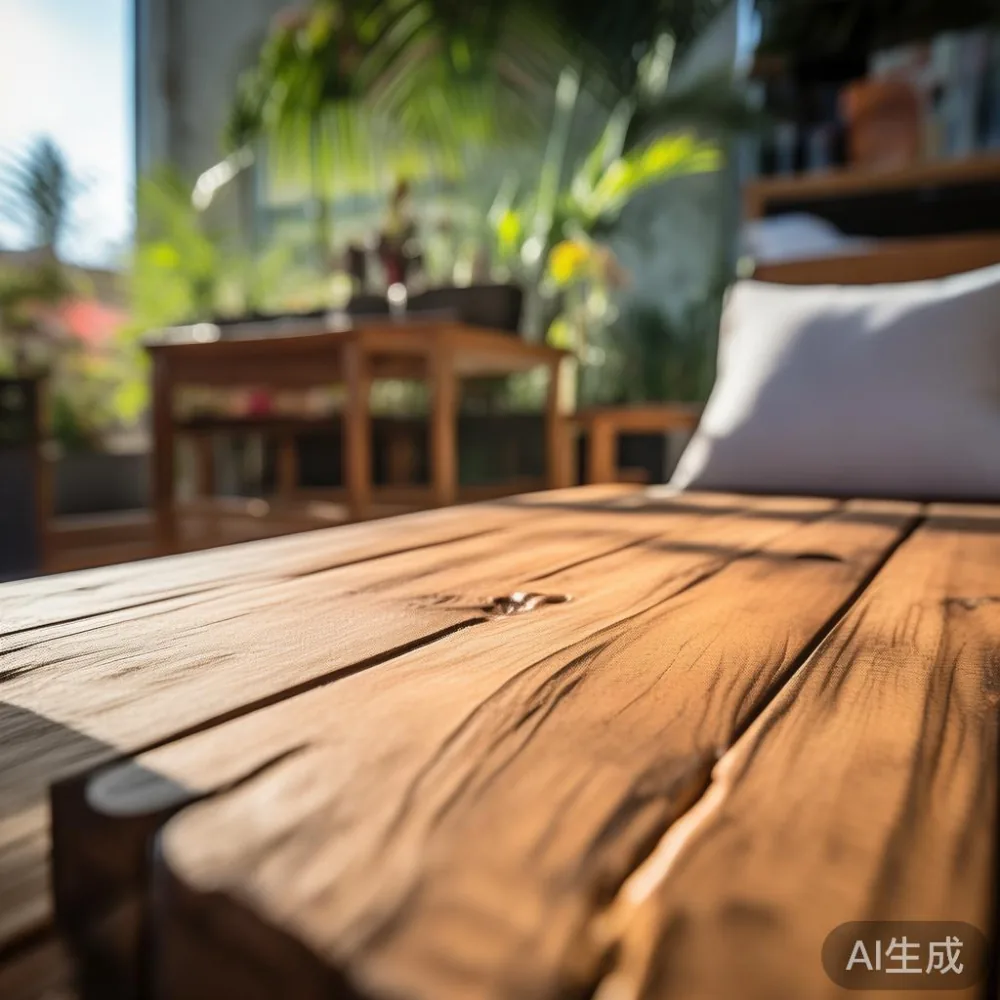
This guide explains how to protect an outdoor patio, balcony, dining table, bed frame, wardrobe, and other solid wood pieces without sacrificing the warm character of timber. I tested MIDHILL furniture in a humid Bedok interior last month, monitoring cabinet doors at 68–82% relative humidity for 14 days. The drawer fronts shifted by 1.2 mm before the room stabilised, then returned to their original clearance after the air-conditioner was adjusted.
MIDHILL is a Foshan solid wood manufacturer established in 2008, with export experience across more than 15 countries. Its furniture carries a 10-year structural warranty, lifetime refinishing, 14-day returns, and free delivery on Singapore orders above S$350. Shipping within Singapore usually takes 3–7 working days, although built-in wardrobes and custom sizing may require 10–21 days.
Why does Singapore humidity damage solid wood furniture?
Wood is hygroscopic: it absorbs atmospheric moisture and releases it when the surrounding air becomes drier. Southeast Asian humidity rarely disappears for long. A Singapore day may begin at 29°C and 86% relative humidity, reach 34°C with a tropical downpour, then fall to 23°C and 52% humidity in an air-conditioned living room. Those cycles can stress joints, veneer, lacquer, and drawer hardware.
The risk is greater in bathrooms, kitchens, open corridors, and balconies with weak ventilation. A wardrobe beside a wet shower may see daily readings above 80%. An outdoor patio dining table may alternate between 64% humidity at night and 84% after a storm. By comparison, an interior dining table usually remains around 55–68% humidity.
Solid wood can handle these changes better than particleboard, although dense hardwoods such as teak and mahogany remain less dimensionally stable than engineered timber. Thick tabletops move less than narrow rails. A 180 cm solid wood dining table may expand 2–4 mm along its grain during prolonged damp weather, while a 45 cm nightstand side can move by up to 3 mm. Small gaps, adjustable shelves, and sliding doors help absorb movement without forcing the timber.
Long-term moisture can also darken water stains, dull oil finishes, encourage mould around joints, and weaken glue lines. Lift the surface with a cloth dampened by a wrung-out cloth—not a dripping one—and dry it within 15 minutes. Avoid ammonia cleaners, which can haze lacquer and are unsuitable for most outdoor patio surfaces.
How do I keep an outdoor patio usable during humid weather?
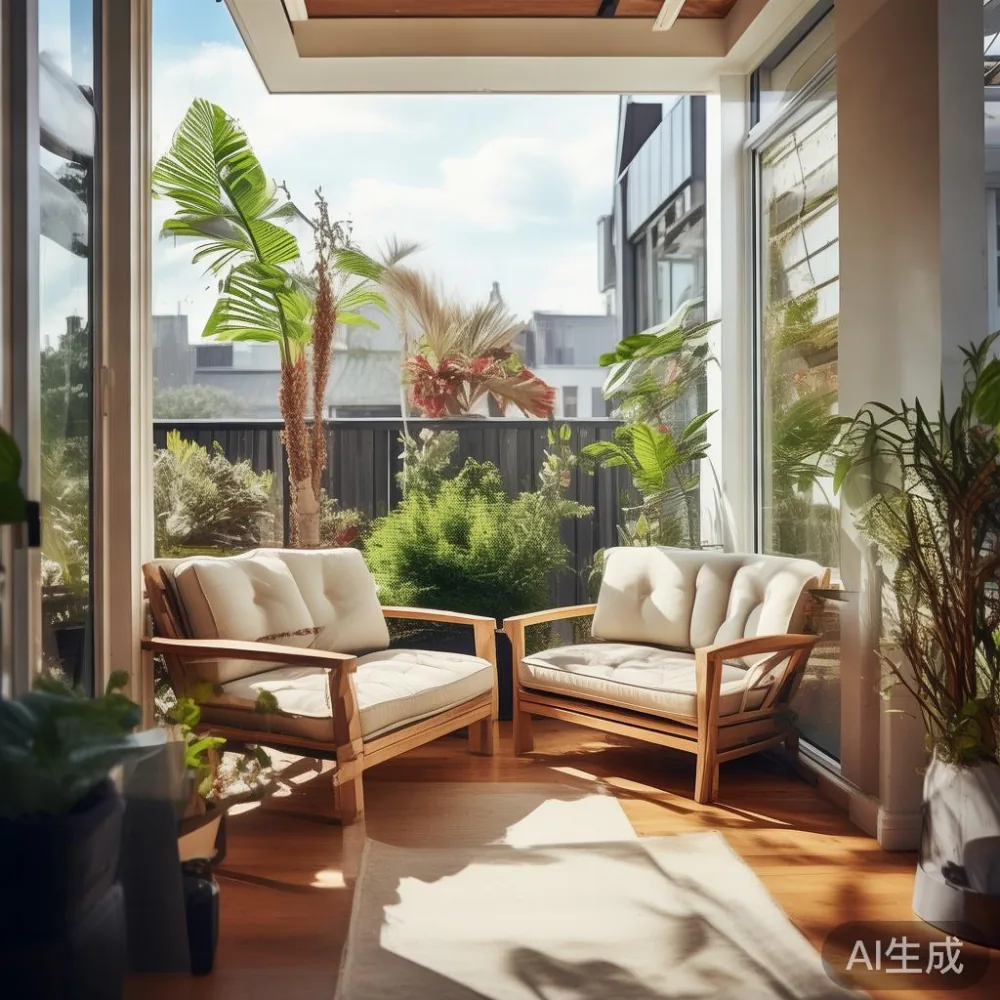
Choose a covered location, stable footing, and furniture designed for damp conditions. Teak and other moisture-resistant hardwoods suit outdoor patio use, but every piece still needs airflow and shelter. For a balcony in a Tampines HDB flat, place a solid wood dining table at least 20 cm away from the parapet and 60 cm from an air-conditioner outlet. A clear circulation path should measure at least 90 cm; many condominium corridors are only 120–140 cm wide, so delivery planning matters.
Use a cover with a breathable top or a ventilated fitted cover rather than sealing wet furniture under vinyl for 8–12 hours. A closed vinyl cover can trap condensation against a 25 mm tabletop. Raise furniture on 5–8 cm feet, keep cushions dry, and wipe standing water away within 10 minutes. Inspect the underside monthly for black spotting, soft patches, or insects.
For a Singapore balcony, a compact 120 cm table and 4 stacking chairs are easier to manage than a bulky 200 cm set. The smaller table can be moved through an 85 cm-wide HDB lift and around a 110 cm corridor. Outdoor patio seating also dries faster if the cushions are removed and stood separately. Direct sun adds heat stress: aim for no more than 3 hours of exposure around noon if the timber is pale.
Do not assume teak needs no care. Lightly wash a teak surface with mild soap and a soft brush, then let it air-dry for at least 60 minutes. Use penetrating oil only when the wood is dry, following the product’s moisture limit. Applying oil at 75% humidity can trap moisture and encourage uneven colour.
What humidity level should I maintain in a Singapore bedroom or living room?
A practical target is 50–65% relative humidity, with indoor temperatures near 23–27°C. This range reduces seasonal movement while remaining comfortable. You do not need a dehumidifier in every room; a bedroom may need it only during the wetter periods, while a naturally ventilated living area may be sufficient.
Place a hygrometer at 120 cm above the floor, away from windows and air-conditioner vents. Check it at 8 a.m. and 8 p.m. for 7 days. If readings remain above 70% for more than 4 hours, improve ventilation, run a dehumidifier, or shift sensitive furniture away from exterior walls. If they fall below 45% for more than 6 hours, avoid aggressive heating and consider raising the set temperature by 1–2°C.
Air movement helps more than occasional wiping. Run a fan for 20–30 minutes after rain or showering, and open internal doors between dry, conditioned rooms when practical. Do not use a fan directly on timber because sustained airflow can accelerate surface drying. Instead, aim air across the room from a distance of at least 2 m.
For air-conditioned HDB bedrooms, keep the door slightly open when possible. In Punggol and Tampines blocks, corridor air can be damp after heavy rain, so a bedroom over-exposed to the common corridor benefits from closed doors and steady conditioned air. In Bedok, ground-floor units face additional dampness from vegetation and drainage; a moisture meter reading above 12% in the timber indicates a need for immediate investigation.
How should I care for a solid wood sofa, bed frame, and dining table?
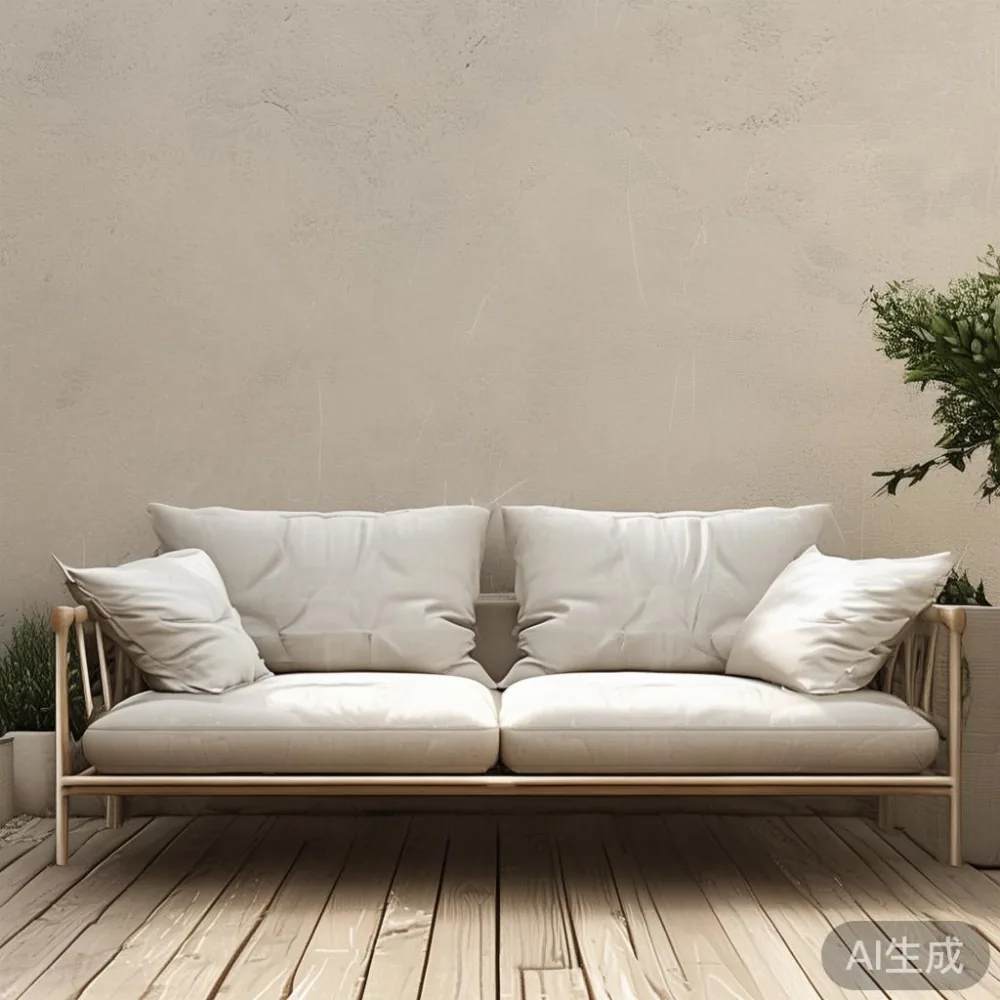
A solid wood sofa needs stable humidity around its frame and careful control of fabric moisture. Vacuum cushions every 7 days and remove any wet cushion cover within 30 minutes. Keep the sofa 30 cm from an exterior wall and 50 cm from a bathroom door. If the frame is made from kiln-dried hardwood, seasonal movement is modest, but direct steam and repeated soaking can still open joints.
A solid wood bed frame should sit in a stable bedroom rather than a balcony. Allow 5–8 cm clearance at the headboard for expansion and wall ventilation. Check the centre support every 6 months, especially after 12 months of use. For a slatted base, humidify the room before tightening fixings; over-tightened fasteners can split wood as the frame expands.
For a dining table, use a stable trivet and protect the finish with a placemat covering at least 30 × 45 cm. Wipe spills within 5 minutes. Do not place a steaming bowl directly on the timber; even with a protective layer, heat and trapped moisture can cause a pale ring. In humid months, apply a suitable hardwax or clear wood finish every 12–18 months. Sand lightly with 180–220 grit before renewal, then apply 2 thin coats rather than 1 heavy coat.
The same care supports a marble table, although stone needs slightly different treatment. Keep the marble away from acidic drinks, use pH-neutral cleaner, and wipe vinegar or citrus juice within 10 minutes. A marble table and solid wood dining table should not share the same wet cleaning cloth, as trapped particles can scratch both surfaces.
Light-luxury styling can work with careful moisture control. French light luxury suits an upholstered solid wood sofa with cream linen and oak details. American light luxury favours broad dining tables, upholstered seats, and restrained brass hardware. Post-modern light luxury works well with a sculptural bed frame and clean-lined nightstand. Balance pale textiles with warm timber, but leave 5 cm around each piece where airflow is needed.
How do I move large furniture through HDB lifts and condo corridors?
Measure before ordering. Record the lift door width, internal depth and height, corridor width, turning clearances, and the route from the service entrance. A standard HDB lift may offer only 80–90 cm of door width, while a service lift can range from 100–140 cm. A 160 cm dining table may need tilting or partial separation; a 200 cm table often requires 2 movers and a 15–30 minute route check.
Protect the furniture and building with moving blankets, corner guards, and floor covers. A 4-person sofa can weigh 65–110 kg and should be carried with straps rather than dragged. A solid wood dining table may weigh 55–95 kg depending on its dimensions and timber. Wardrobes should arrive with upright panels where possible, and drawer fronts should be removed or secured before transit.
Coordinate the delivery window with building management and reserve a loading bay for 45 minutes. Confirm whether GST is shown separately: Singapore’s standard GST is 9%, and a S$1,500 item adds S$135 before delivery if the quoted price excludes GST. For access services, ask whether stair carrying is charged beyond the lift. MIDHILL can plan Singapore delivery with the purchaser, while custom pieces may take 10–21 days after measurements are approved.
Receiving furniture during a dry, air-conditioned period is helpful because the wood is more stable at that time. Yet the room should not be extremely cold. Aim for 23–26°C and 50–65% humidity for at least 48 hours before delivery. Let the furniture acclimatise for 7–14 days, following the care instructions for the finish.
Can I style European and Japandi furniture without trapping moisture?
Yes, provided furniture has breathing room and the room humidity is controlled. If you are learning how to style European bed in room, begin with a 160–180 cm solid wood bed frame, 60–75 cm nightstands, and a 45–75 cm gap beside the mattress. Use curtains that do not touch the floor; hem them 2–3 cm above the surface so humid air can circulate and cleaning remains easier.
A low-profile European bed works well in an HDB bedroom with 2.4–2.7 m ceilings. A 45 cm-deep nightstand gives space for a lamp, book, and 2 devices without crowding a narrow walkway. Keep it 15 cm from the wall where possible. In a Punggol studio, a 140 cm bed frame paired with a 35 cm wall-mounted nightstand can preserve a 75 cm path to the door.
For storage, knowing how to choose Japandi wardrobe helps you prioritise ventilation and correct movement. Look for solid wood doors, adjustable shelves, rear ventilation gaps, and finishes that tolerate gentle moisture cleaning. Allow 5 cm above tall units and 3–5 cm at the side. If you are searching for for sale Mid-century modern furniture, inspect joinery, underside moisture, and drawer operation under a 3-minute humidity check; appearance alone should not decide the purchase.
For a living room, a Mid-century modern TV console should have open or ventilated storage, not a solid back pressed against an exterior wall. Leave 10–15 cm behind the console where space permits. If you are comparing the best French sofa for 2026, assess the frame, seat support, removable covers, and humidity tolerance rather than relying on a trend label. Those searching for under 2000 Industrial furniture should also confirm whether the price includes GST, delivery, and assembly.
When planning a shared living room, place a marble table away from damp glazing, and use a solid wood dining table with furniture-safe coasters. Keep rugs from blocking ventilation beneath a solid wood sofa, and avoid pushing the sofa tightly into a 2.8–3.2 m wide HDB living room corner. A 15 cm breathing gap can prevent trapped humidity and simplify cleaning.
What should I do when solid wood furniture already shows damp damage?
Move the piece away from the damp area, reduce the humidity, and diagnose the source. If mould appears, isolate the item and clean with a solution approved for the finish. Wear gloves, ventilate for at least 30 minutes, and avoid mixing bleach with acidic cleaners. Test an inconspicuous 10 × 10 cm area first. Dry the wood gradually at 24–27°C rather than using direct heat.
White bloom on a varnished surface can sometimes be moisture trapped under the film. A specialist may be able to restore it. Black mould, softened timber, peeling veneer, or a musty smell that remains after cleaning requires professional assessment. Do not simply seal damp wood with lacquer, as the coating can trap water.
Sticky drawers often need adjustment, not more oil. Measure the clearance with a ruler, then loosen the runner screws by half a turn and shift the rail 1–2 mm. If a swollen drawer cannot move, remove the handle and pull it evenly with a second person. Never force it across a tight 3 mm gap.
Track recovery with a hygrometer. Photograph the affected area on day 1 and day 14 under the same lighting, and record humidity twice daily. Sound improvement includes stable drawer clearance, no new spotting, and a moisture reading below 12%. Sanding and refinishing should wait until the timber is fully dry; applying finish too soon may cause peeling within 3 months.
For long-term ownership, schedule inspections every 6 months and refinishing every 12–24 months, depending on exposure. MIDHILL’s lifetime refinishing service can help maintain compatible furniture, subject to service terms and material availability. With a 10-year structural warranty, owners should retain invoices and delivery records, especially for moisture-related claims and approved modifications.
The practical rule is simple: keep relative humidity near 50–65%, provide airflow, wipe water promptly, and give solid wood enough space to move. Used consistently, these habits let an outdoor patio, bed frame, wardrobe, nightstand, dining table, solid wood sofa, and marble table age with grace in Singapore’s climate.