Reading a Furniture Warranty in Singapore: A Patio Owner's Field Guide
I learned this the hard way in Tampines. Three summers ago I bought a teak outdoor patio set from a boutique brand at IMM, paid S$1,900, and six months later the armrest cracked along the grain. The shop had closed, the importer had no Singapore office, and the certificate in the draw folder used generic phrase "material defects for one year" only. The piece I wanted to keep had become scrap wood. That experience taught me to read a furniture warranty before I read the price tag, and the lessons transfer directly to anyone buying a solid wood sofa, a bed frame, or a dining table today.
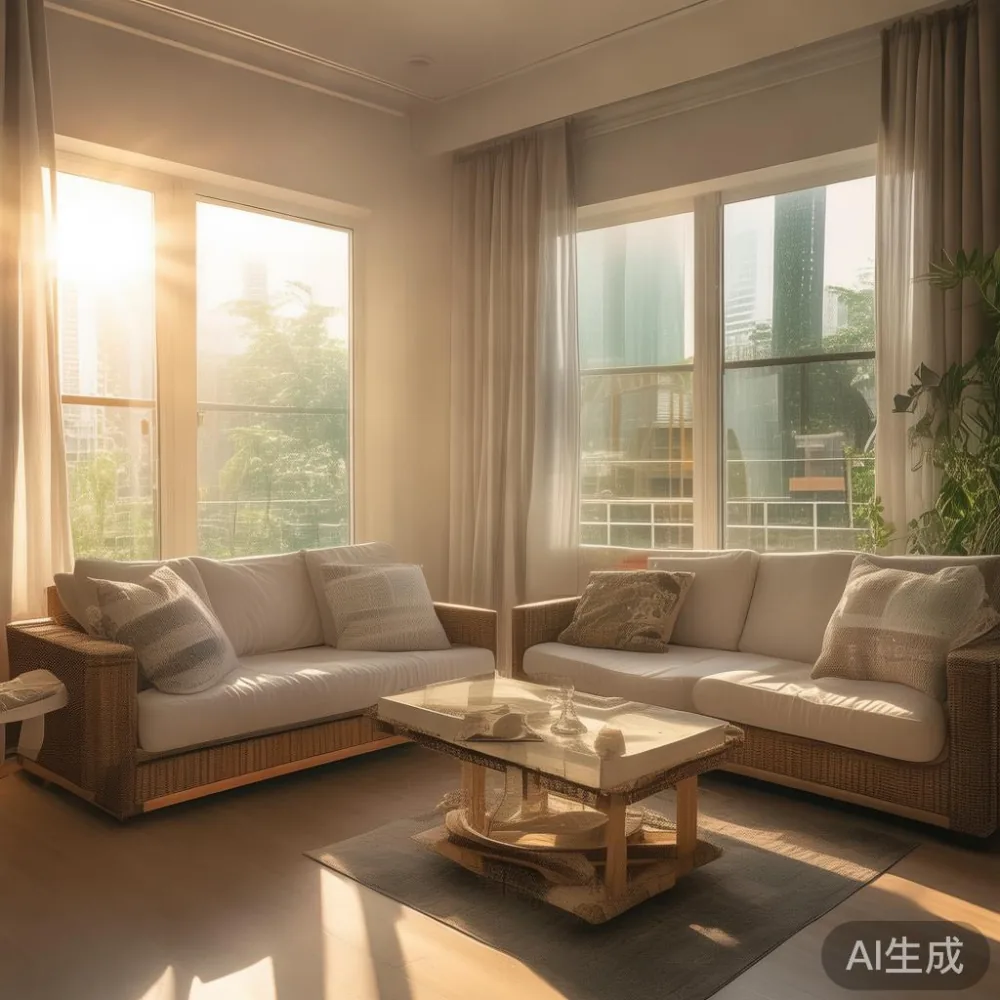
What does a furniture warranty actually cover in Singapore?
Singapore's Consumer Protection (Fair Trading) Act sets a baseline: goods must be of reasonable quality and last a reasonable time. A written warranty sits on top of that statutory right, and the two should be read together. The written warranty is a promise from the maker or importer about specific failures over a specific window. In practice, most outdoor patio warranties in Singapore cover three things: structural failure of the frame, joint separation in solid wood construction, and manufacturing defects in hardware such as hinges, runners, and gas struts. They do not cover fading, surface checking, mildew from poor maintenance, or damage during a self-arranged move into a HDB lift with only a 1.1 m wide door.
The MIDHILL catalogue for outdoor patio pieces, for instance, lists a 10-year structural warranty alongside a lifetime refinishing service. That phrasing matters because structural and surface are not the same thing. A cracked slat on a teak outdoor patio bench is structural. Grey oxidation on a eucalyptus outdoor patio chair is surface. Knowing which line you are on decides whether you argue from the warranty or pay for a refresh yourself.
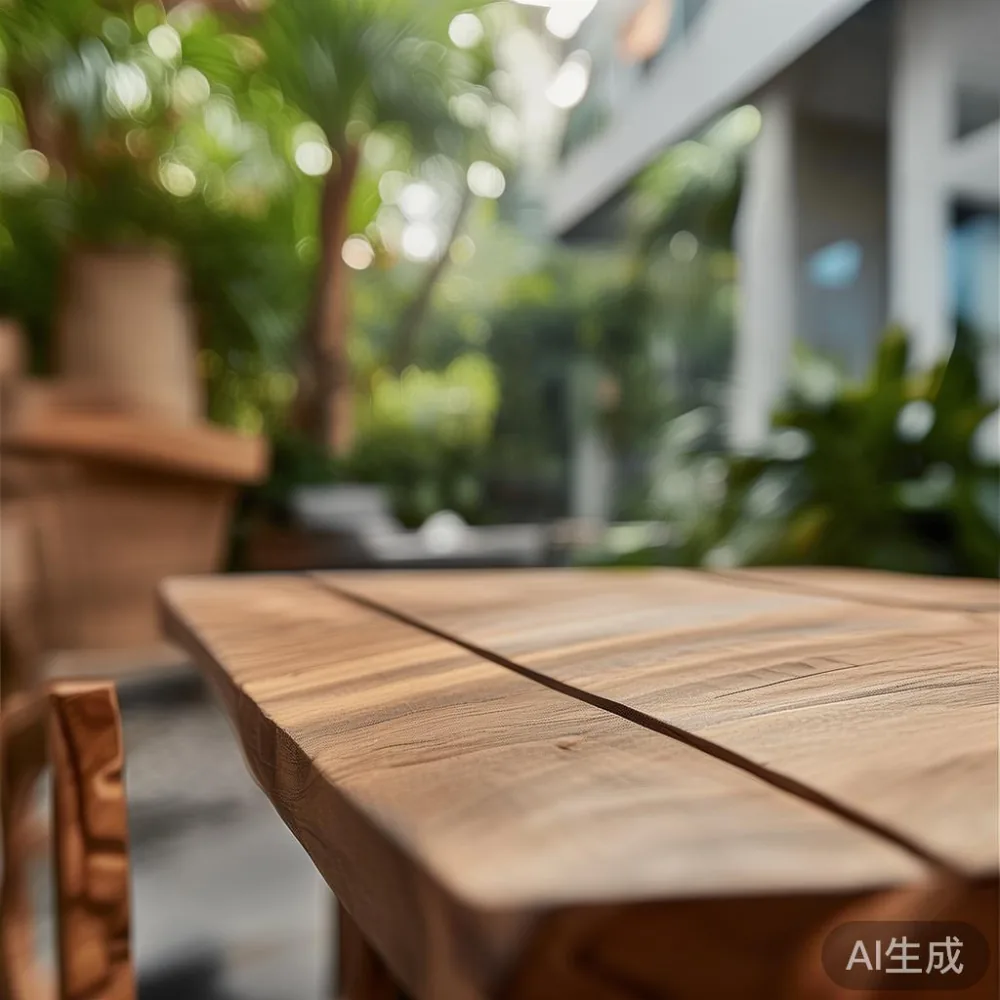
How long should a patio warranty run?
Five years is the floor I treat as reasonable for any outdoor patio frame. Ten years is what I look for. Anything shorter tends to signal either imported parts the maker does not trust, or a short sales window the importer wants to outlive. Solid oak used in a dining table or a bed frame is graded for decades to a homeowner in a non-coastal HDB; warranty terms shorter than the wood's natural service life are a mismatch, not a feature.
Two warranties also run in parallel and you should not confuse them. The structural warranty covers the carcass, the joinery, the load-bearing members. The finish warranty covers the lacquer, the oil, the paint, the fabric on a cushion. A typical outdoor patio piece from a credible maker will quote 10 years on the frame and 1 to 3 years on the finish. If a brand quotes a single number with no headline at all, ask for the breakdown in writing before you pay the 9% GST.

Which exclusions actually matter on an HDB balcony?
This is where patio owners in Bedok and Punggol condos get caught. The exclusions list on the back of the warranty certificate is usually longer than the cover list on the front. Read it line by line, in the lift on the way down if you must. The exclusions that bite most often on Singapore patios:
1. Prolonged exposure to salt air. If you are in a Punggol waterfront block, your outdoor patio set sits under Brackish breezes. Many warranties exclude finish failure within 800 m of the coast. Some, including the MIDHILL range, simply mandate a freshwater rinse every fortnight, which is reasonable.
2. Lack of maintenance. Most warranties on solid wood outdoor patio pieces require oiling once or twice a year. Skip it and your claim dies.
3. Use under a covered area versus open sky. Outdoor patio furniture under a condo roof dries within minutes after rain. Outdoor patio furniture in a fully open yard in Yishun does not. Some policies limit cover to covered installations.
4. Aftermarket modifications. Drilling extra holes in a marble table to fit an umbrella pole, sanding a wardrobe door flat, or reupholstering a solid wood sofa with non-breathable vinyl: all of these void most warranties on the spot.
5. Acts of nature. Haze, flooding during a 2024 monsoon surge, a fallen branch from the neighboring Taksinong Heights block: most brands exclude these, and they are not negotiable.
How do I make a claim without getting the runaround?
Keep four things, and keep them in a single folder. The original invoice with the 9% GST line, the warranty certificate, photos of the piece on the day of delivery, and a short maintenance log. The maintenance log can be four lines a year, dated, on a notepad in your outdoor patio storage box. Photo the log next to the piece once a year. When you file a claim, you attach all four. Brands that offer lifetime refinishing, such as MIDHILL on outdoor patio frames, treat that log as a goodwill signal even when the failure is technically outside the structural window.
Call once, then email. Phone calls in Singapore resolve faster, but only the email creates a paper trail. Send a single, factual email: invoice number, delivery date, defect description, two photos, one close-up and one wide. Ask for an acknowledgement within five working days and a resolution within 14. Most Singapore Consumer Protection disputes close within 30 days when this trail exists.
Is the cheapest warranty always the worst?
No, and this surprises people. A 2-year warranty on a S$450 outdoor patio bistro set from a local maker with a Simei showroom can outperform a 10-year warranty on a S$4,200 imported set whose importer routes claims through a freight forwarder in Tuas. The signal to read is not the number of years; it is the friction in the claim. Ask the showroom manager, before you swipe the card, who handles the claim, where they sit, and how many days the average claim takes. If they cannot answer in plain English, the warranty is a paper ornament.
A S$2,400 MIDHILL outdoor patio dining set with a 10-year structural warranty, lifetime refinishing, free shipping over S$350, and a 14-day return window is, on paper, a stronger package than a S$1,800 imported set with a 5-year warranty and a Tuas freight forwarder. Read the four promises, not the years.
What should I check before signing the delivery order?
Inspect before the driver leaves. Photograph the box on the pallet, the foam corners, the underside of every panel, the inside of every drawer, and the joints on every bed frame and dining table leg. If you see a corner ding, write it on the delivery order, photograph the driver's signature, and email the brand within 24 hours. Most warranties on outdoor patio pieces, and on solid wood sofa, bed frame, and wardrobe lines, treat transit damage as the courier's liability, not the maker's. Once you sign clean, the argument shifts.
Also check the corridor and lift. A 2.4 m wardrobe will not fit through a 1.1 m HDB lift at Puncak Mansion. Measure the diagonal of every panel against the lift diagonal before you order, not on delivery day. A failed fit is not a warranty event; it is your planning error.
How do international warranties work for imported patio furniture?
Brands exporting from Foshan, from Guangzhou, from Vietnam, from Indonesia, typically issue a global warranty with a Singapore service agent. The headline number is honest. The catch is the service agent. Some agents are the original showroom; some are a third-party logistics partner with no woodworking capability. If your teak outdoor patio chair needs a tenon replaced, only the first type can fix it. Ask, in writing, who the service agent is and whether they stock spare slats for outdoor patio dining chairs in the 60 cm to 75 cm range.
If the answer is vague, the warranty is export-only. That is a real category in Singapore and it does not help you once a leg cracks.
Should I pay extra for an extended warranty?
Usually no. Extended warranties on outdoor patio pieces in Singapore typically cost between 8% and 15% of the piece's price and duplicate the statutory rights you already hold under the Consumer Protection (Fair Trading) Act. The one exception is finish coverage on a marble table or a high-gloss wardrobe, where the statutory rights cover manufacturing defects but not gradual gloss loss. There, an extra 3 years of finish cover can be worth the S$180.
Skip the extension on a solid wood sofa or a solid oak bed frame. The wood is the cover; the maker already knows it.
What questions should I ask the showroom before I buy?
Write these down before you visit the IMM, the Joo Chiat, or the Tai Seng showroom:
1. How many years on the frame, how many on the finish, in writing?
2. Who handles the claim and how many working days on average?
3. Is lifetime refinishing offered, and what does it cost after the first time?
4. Does free shipping apply, and what is the threshold in SGD?
5. Is the 14-day return window a refund or a store credit?
6. Are spare slats, runners, and gas struts stocked in Singapore?
Seven questions, ten minutes, and you will out-filter 80% of the outdoor patio brands in the Jurong East and Tampines catalogues. The ones that answer cleanly are the ones that answer in year three when the claim arrives.
How does this apply to indoor pieces like a solid wood sofa or wardrobe?
The same logic. A solid wood sofa, a bed frame, a dining table, a wardrobe, a nightstand, a marble table, and a MIDHILL TV console all share three warranty patterns: structural years, finish years, and exclusions. Read the exclusions first, the structural number second, the finish number third, and the service agent name fourth. The order matters because most Singapore disputes are lost on exclusions, not on years.
One last note on light-luxury positioning, because the question has come up in Punggol showrooms. French light luxury tends to mean slim profiles, brushed brass, oak with a soft matte finish. American light luxury leans larger cushions, deeper seats, more fabric weight. Post-modern light luxury is the broader current under which both sit: clean lines, restraint, fewer ornaments. When you compare a light-luxury sofa against an Italian light-luxury sofa, the difference is not the price tier; it is the joinery. Italian light-luxury sofas in the S$4,000 to S$7,000 range typically use mortise-and-tenon corner blocks; French-inspired pieces in the same range often use dowels and confirmat screws. Both can pass a 10-year warranty test. Neither will if the HDB lift cannot accept the 2.2 m wardrobe that ships with the bedroom set.
Plan the lift. Read the warranty. Keep the log. Then pay the 9% GST without the knot in your stomach.