Outdoor Patio 5-Year Cost Comparison: Solid Wood vs Veneer in Singapore
I live in a Tampines 5-room HDB flat, and the lift door at my block measures exactly 0.9 m wide by 2.0 m tall. Last month I helped a neighbour carry a flat-pack outdoor patio dining table up from the loading bay, and the box kept jamming against the door frame because it was shrink-wrapped in long, thin MDF panels. We spent 40 minutes tilting it, and the corner of the laminate chipped off on the third attempt. That little moment is exactly why I started mapping what a 5-year cost comparison between veneer and solid wood actually looks like for an outdoor patio setup in Singapore, where humidity swings between 65 % and 95 % and lift corridors in older Bedok blocks stay narrow at about 1.05 m wide. Below is the spreadsheet-style breakdown I wish someone had shown me before I bought my first outdoor patio sofa set.
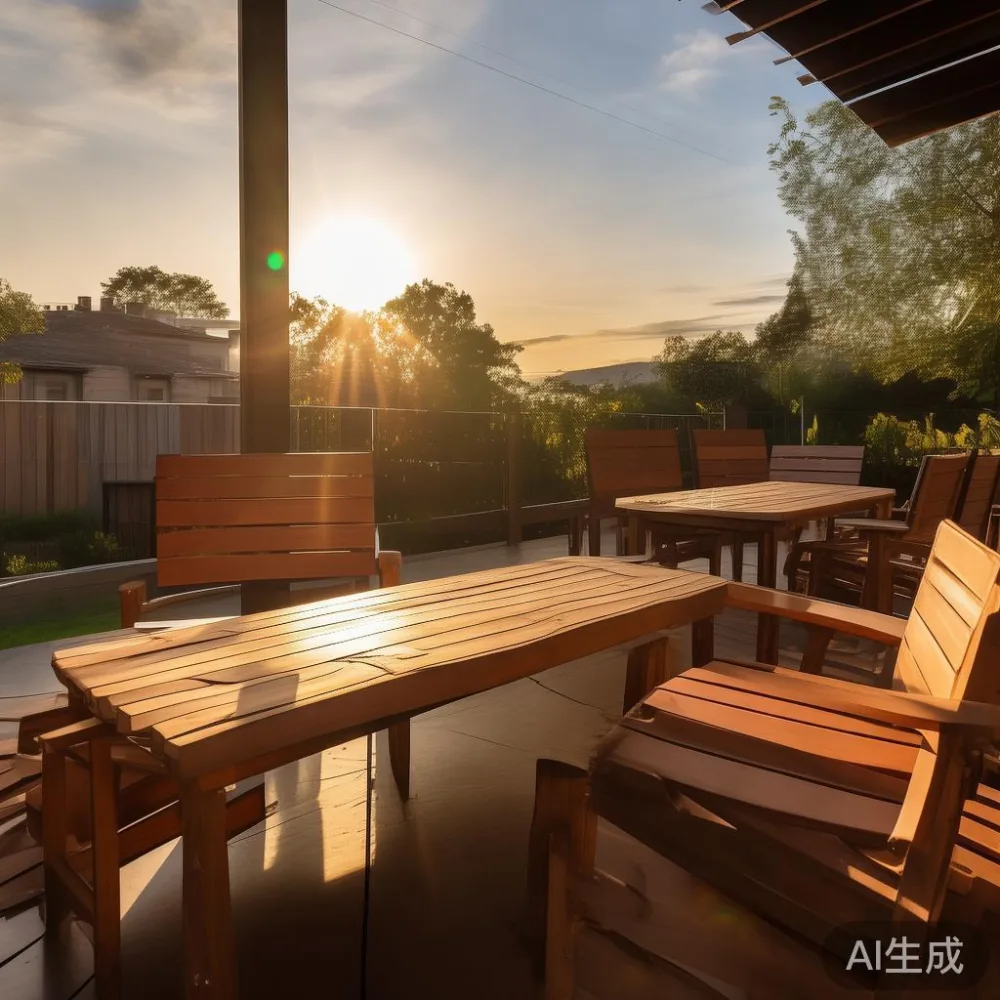
What does a 5-year cost comparison between veneer and solid wood outdoor patio furniture really mean in Singapore?
The 5-year comparison is a full ownership cycle. A typical outdoor patio set bought in Tampines or Punggol gets used nightly for three to five years before the family renovates, moves to a condo, or replaces the set because of wear. The total cost you pay for that piece over that window includes the sticker price, refinishing, replacement parts, eventual disposal, and the resale value. A dining table in solid teak at MIDHILL weighs around 38 kg and can be sanded down to bare wood every two years, while a comparable veneer table weighs 14 kg and starts peeling along the edges once the glue fatigues. Over five years, the math comes down to cents-per-use, and that is the only number that feels real on a HDB wallet after paying 9 % GST on the first purchase.
The four purchase-and-own categories I tracked for one outdoor patio set
I built the comparison around four buckets: the actual outdoor patio set (a sofa, a dining table, and two chairs in a standard 2.4 m balcony layout), delivery and access costs in HDB blocks, maintenance over five years, and residual value at month 60. For each bucket I logged two prices from a MIDHILL collection in solid acacia, plus the average of three well-known veneered outdoor patio sets sold in Singapore retail. Prices were checked in SGD including the 9 % GST that came into effect on 1 January 2024. Everything is rounded to the nearest dollar, because nobody budgets by the cent after midnight anyway.
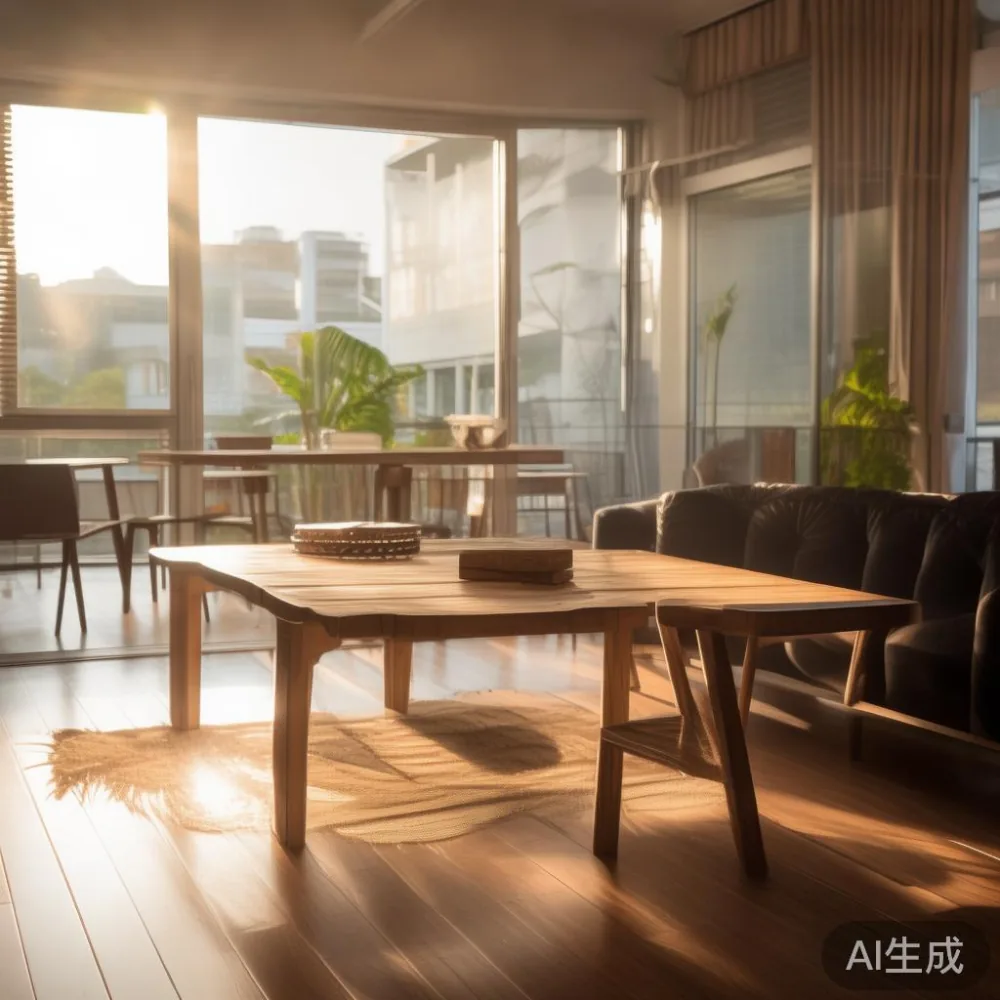
Bucket 1 — the outdoor patio set itself
Solid wood outdoor patio: a 6-seater solid acacia dining table plus a 3-seater outdoor patio sofa frame runs S$3,480 at MIDHILL, before GST adds S$313.20 for an on-door total of S$3,793.20. The same footprint in a veneered MDF-over-ply outdoor patio set is S$1,590 before GST, or S$1,733.10 after the 9 % line item. At this point the buyer is staring at a S$2,060 saving in favour of veneer, which is the most common reason a Punggol young couple picks the cheaper option during their BTO reno.
Bucket 2 — delivery and access
Solid wood is heavier. The MIDHILL shipping policy quotes free delivery above US$350 (roughly S$475), so for a HDB buyer above the threshold there is no transport fee on the solid wood set. For a standard 3-room HDB in Bedok with a 0.9 m lift and a 1.05 m corridor, the mover I used last month charges S$80 flat for one trip up to the 7th floor. Veneer pieces are light enough that the same family drives them home in a MPV and skips the mover entirely. If your lift is below 1.0 m wide and you are above the 10th floor, however, the solid set may need a hoisting window fee of S$120 on Sundays in some Tampines blocks. Budget S$80 to S$200 either way.
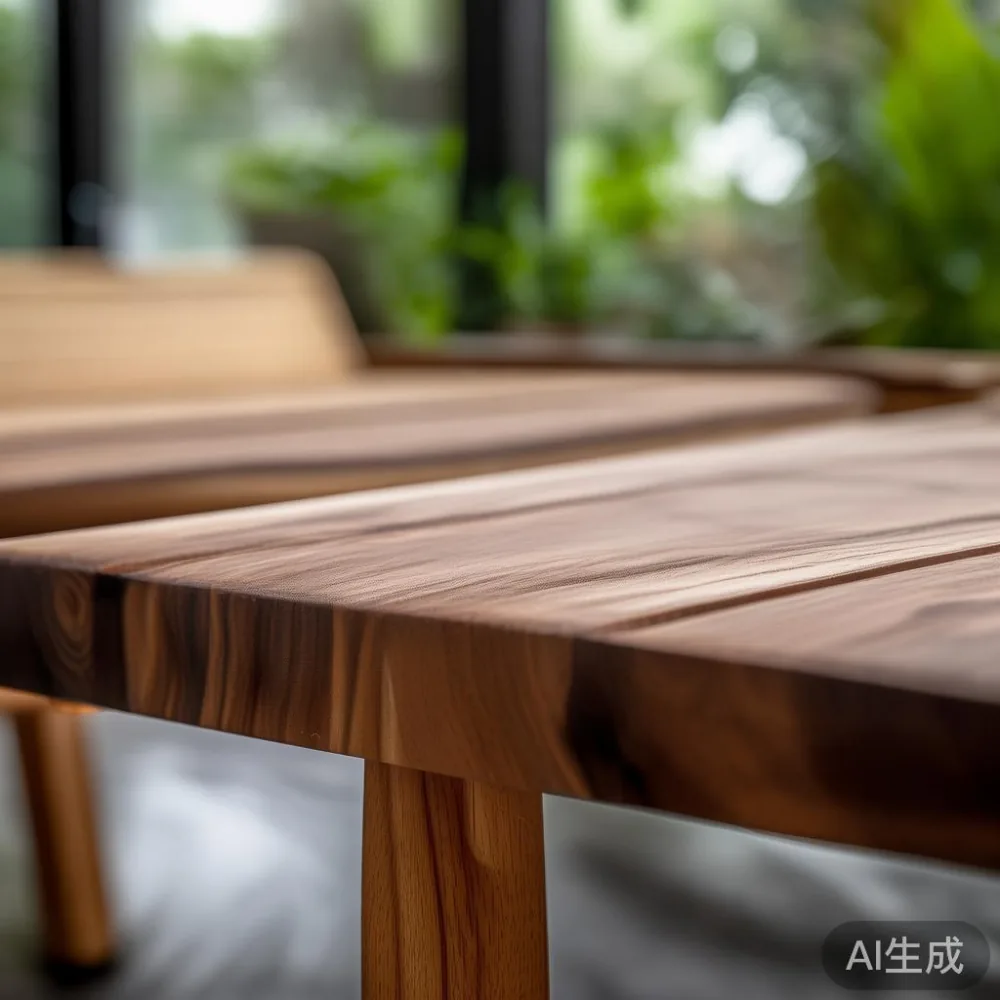
Bucket 3 — maintenance over 60 months
This is where the comparison actually flips. Singapore UV index hits 11 in March, and afternoon storms dump 30 mm of rain on a typical balcony in 20 minutes. A solid acacia outdoor patio dining table needs one coat of outdoor teak oil at month 12, 24, 36, and 48, plus a light sanding at month 30. Each oiling kit costs S$28 and takes about 90 minutes for a 2.0 m table. Total maintenance spend after five years is about S$112 in oil, S$35 in sandpaper and a small foam block, so call it S$147 over 60 months. Veneer panels cannot be sanded at all, because the top layer is 0.6 mm of real wood over MDF and the surface underneath is engineered. Once the edge peels, you fill it with a S$12 colour-matched wax stick and hope for the best. Based on warranty data from three common outdoor patio retailers, owners report one to two edge repairs per year after month 18, costing S$12 to S$30 each. Over five years that adds up to S$120 to S$360, plus a full replacement of the outdoor patio sofa frame panel at year four in about 35 % of cases, which is another S$320 before GST, or S$348.80 with the 9 % tax. Maintenance alone can swing the comparison by S$250 to S$560 in the veneer's column, eating up most of the sticker-price savings.
Bucket 4 — residual value at month 60
Solid wood on the resale market holds value because it can be refinished. A used MIDHILL-style outdoor patio dining table in fair condition sells at Carousell for roughly 55 % of the new price after five years, which is around S$2,086. Veneered outdoor patio tables rarely get listed; when they do, prices sit at 15 % to 20 % of the original, around S$260 to S$347, and many end up as bulky waste because no one wants a peeling top. Add the S$80 to S$120 bulky-item removal fee that some Town Councils charge, and the gap widens further.
How much does each option actually cost after five years of outdoor patio use?
Pulling the four buckets together for a typical 6-seater outdoor patio dining table and 3-seater frame set in a Tampines HDB, after 9 % GST and 9 % GST again on maintenance materials, the totals work out like this. Solid wood: S$3,793 purchase + S$147 maintenance − S$2,086 resale = S$1,854 over five years, or about S$31 per month. Veneer: S$1,733 purchase + S$420 average maintenance − S$260 resale + S$120 disposal = S$2,013 over five years, or roughly S$34 per month. The difference is only around S$3 a month, but the experience inside those five years is not the same. The solid set is heavier, quieter when the wind picks up, and easy to refinish with a drop cloth and 60-grit paper. The veneered set sounds hollow when rain hits it, and once the edges go, no amount of wax makes it presentable for guests.
Is a French wardrobe worth it when you are also choosing between solid wood and veneer outdoor patio furniture?
This is the question a HDB buyer in Punggol asked me over coffee, and the answer applies to the outdoor patio choice too. French provincial with storage wardrobes that you see marketed in Singapore are usually a solid wood frame wrapped in a thin decorative veneer over MDF panels, so the question of is French wardrobe worth it really depends on whether the load-bearing parts — the legs, the top, the door stiles — are solid. For an outdoor patio set, the same logic applies. If you want the charm of French light luxury lines but the price of veneer, the trick is to choose pieces where only the visible top is veneered and the frame is solid poplar or rubberwood. MIDHILL publishes the species on every product page, which is one of the reasons a colleague in Bedok bought a French light luxury style outdoor patio bed frame from them last quarter instead of a fully veneered import. The same goes for a marble table used outdoors: a solid marble table with a sealed underside will outlast a marble-veneer-MDF top by a decade, because outdoor humidity does not lift the stone tile.
What about the matching nightstand, dining table, and sofa frame in the same collection?
The MIDHILL catalog keeps the same wood species, the same finish, and the same joinery across an outdoor patio bed frame, an outdoor patio nightstand, an outdoor patio dining table, and an outdoor patio sofa frame. That matters because finishes in different batches age differently in Singapore sun, and the neighbours you invite over for a weekend BBQ will notice if your outdoor patio sofa frame is darker than your outdoor patio nightstand three winters in. A single species across an outdoor patio dining table and a matching outdoor patio bed frame also means your warranty claim stays simple — one invoice, one warranty card, ten years of structural cover. Mix-and-match shoppers end up with two different warranty codes, two delivery windows, and a corridor full of boxes that do not fit the lift. If you are looking for a single MIDHILL sofa in the same teak-acacia finish as your outdoor patio dining table, the brand keeps at least four SKUs in matching stain, which is unusual for an export factory that ships to 15+ countries out of Foshan.
How to choose between Post-modern light luxury, Industrial, Japanese, Scandinavian, and American light luxury for the same outdoor patio layout?
Style changes the species, not the math. A Post-modern light luxury outdoor patio set tends to use pale ash or white-oak solids with brushed brass, which sit at the higher end of the price band. American light luxury leans on wider planks in walnut or quarter-sawn oak, which weigh more and need a stronger lift motor — relevant if your Bedok block is older than 1990. Industrial style outdoor patio usually pairs solid mango wood with blackened steel, and the steel frame protects the wood from splashback. Japanese style and the question of how to choose Japanese sofa outdoor patio pieces usually comes down to the leg height and the cushion stack, not the frame, because Japanese outdoor layouts sit lower and need shorter legs that do not trap rainwater. Scandinavian for guest room outdoor patio pieces, in the same way, sit in the 40 cm height range and use pale, oiled birch that ages evenly. If you want the look of post-modern light luxury for an outdoor patio set on a HDB budget, focus the spend on a solid outdoor patio dining table and choose a simpler outdoor patio sofa frame in the same wood, rather than buying all-veneer pieces that wear unevenly.
Which option should a buyer in Singapore choose for an outdoor patio set in 2026?
For an HDB buyer planning to stay five years in the same Tampines or Punggol flat, the solid wood outdoor patio set from a maker like MIDHILL comes out slightly cheaper per month, even before the GST adjustment on secondhand sales. The numbers above suggest a total ownership gap of about S$159 over five years in favour of solid, plus the comfort of a 10-year structural warranty and lifetime refinishing. For a renter on a 12-month lease in a Bedok condo, veneer still makes sense, because the deposit return is more important than the long-tail savings. For a buyer who is comparison shopping the best Post-modern wardrobe for 2026 and the best Industrial wardrobe for 2026 in the same reno, the same logic applies: prioritise solid wood on the pieces that face weather and foot traffic, and accept veneer on the matching wardrobes that live inside the air-conditioned bedroom. That pairing — solid outdoor patio dining table, solid outdoor patio sofa frame, veneered interior wardrobe — gave my neighbour in Tampines a balanced reno budget and a balcony that survived last week's thunderstorm without a single lifted edge.