Veneer vs Solid Wood: A 5-Year Cost Comparison for Singapore Patios, Living Rooms and Bedrooms
Last month, while visiting a friend in a 4-room HDB flat in Tampines, I watched her drag a chipped dining table across the living room floor. The surface was peeling, the edges were swelling, and she had bought the piece just 38 months earlier for S$899 at a Jurong furniture mall. "I thought I was being practical," she told me, tapping the flaking corner. "Now I am shopping again." That single afternoon convinced me to write this 5-year cost comparison between veneer and solid wood, using real Singapore figures, real lift dimensions, and real balcony constraints that anyone in Bedok, Punggol, or Bishan faces when furnishing a solid wood sofa, bed frame, dining table, wardrobe, or nightstand.
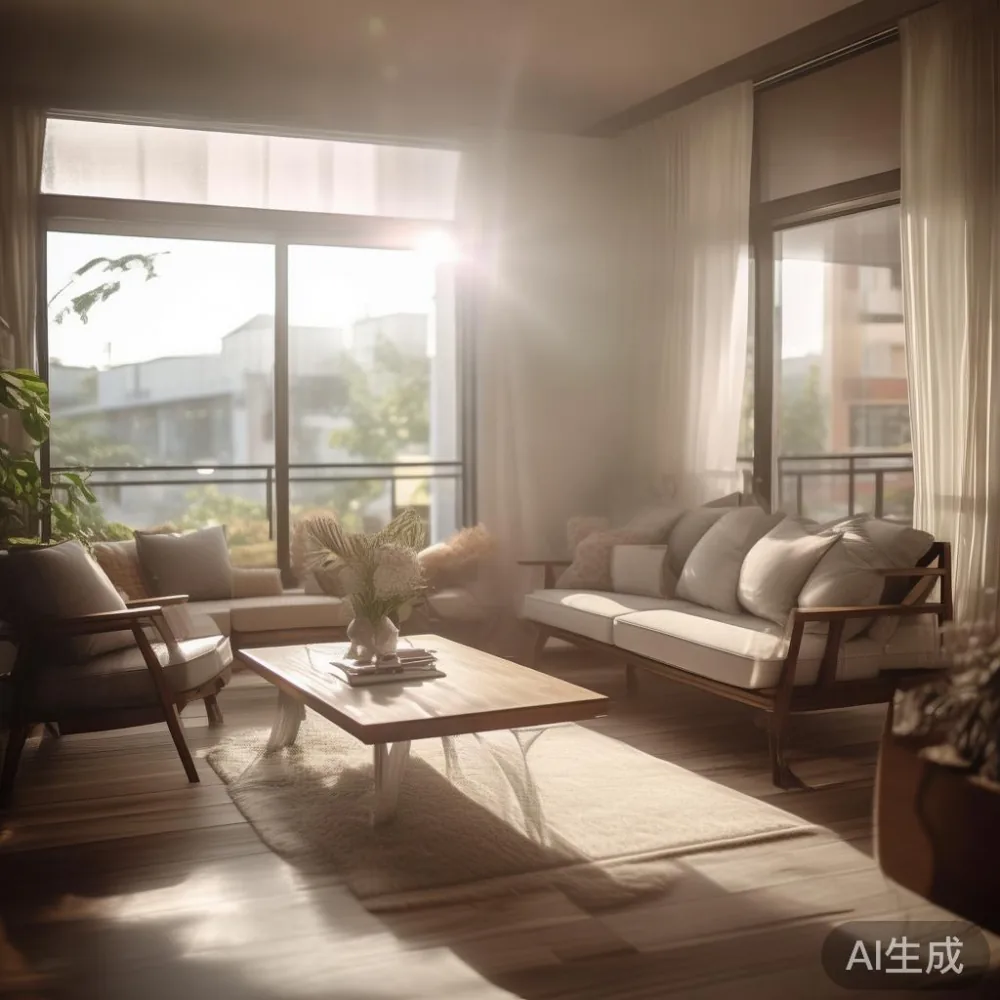
Most homeowners in Singapore replace furniture every 6 to 9 years, sometimes sooner when humidity warps a wardrobe door or a balcony chair cracks. The question is whether veneer saves money in the short term or quietly drains it over five years. With a 9% GST on every replacement, plus delivery fees that climb above S$80 per trip in most HDB blocks, the numbers add up faster than people expect.
What exactly are we comparing?
Solid wood furniture, the kind MIDHILL has been building since 2008 and shipping from Foshan to 15+ countries, is cut from single pieces of timber: oak, ash, walnut, rubberwood. Each plank is dried, sanded, joined with mortise-and-tenon or dowel construction, and finished with multiple coats of water-based lacquer. The fibre runs through the entire board. If you scratch it, the colour underneath is the same colour as the surface.
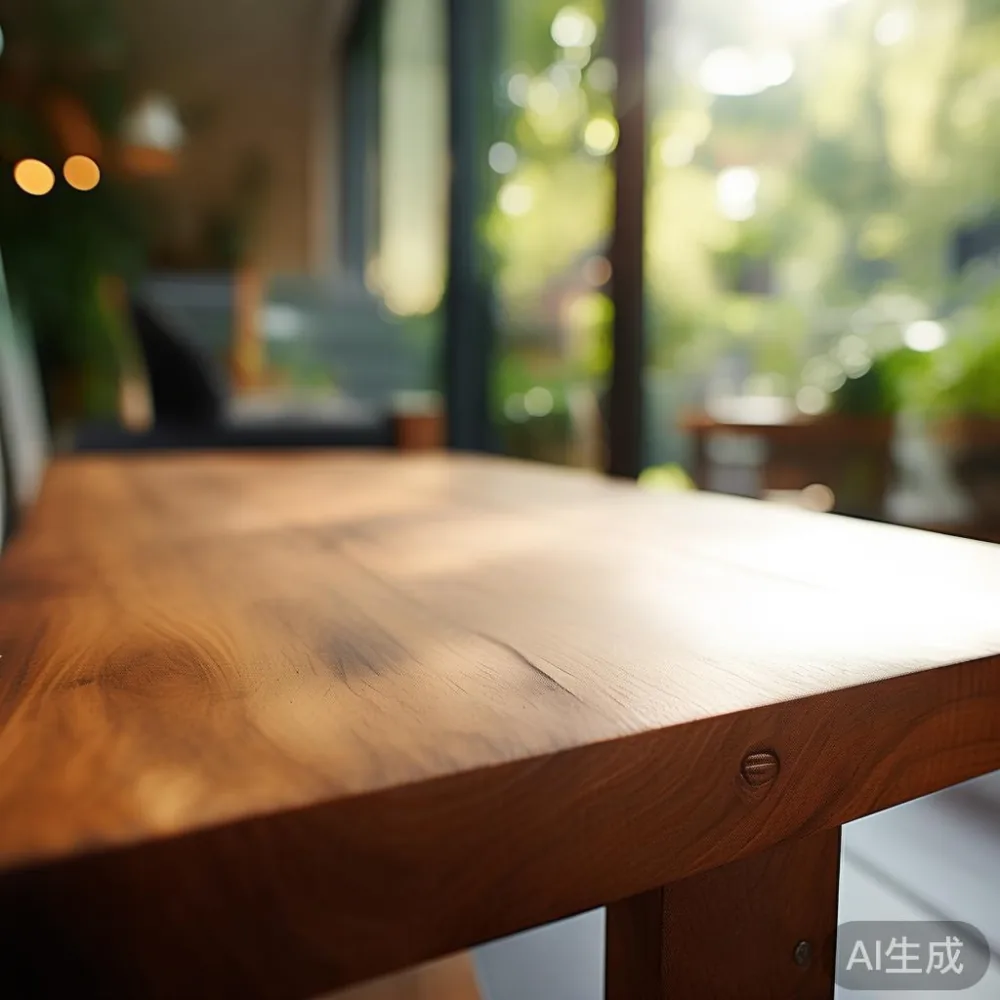
Veneer furniture uses a thin slice of real wood (0.5 mm to 2 mm) glued over a substrate: MDF, particleboard, or plywood. The substrate does the structural work; the veneer only provides the look. Once the glue fails or the substrate absorbs moisture from a Singapore afternoon thunderstorm, the surface lifts, bubbles, and peels. This is the piece my Tampines friend was dragging across her floor.
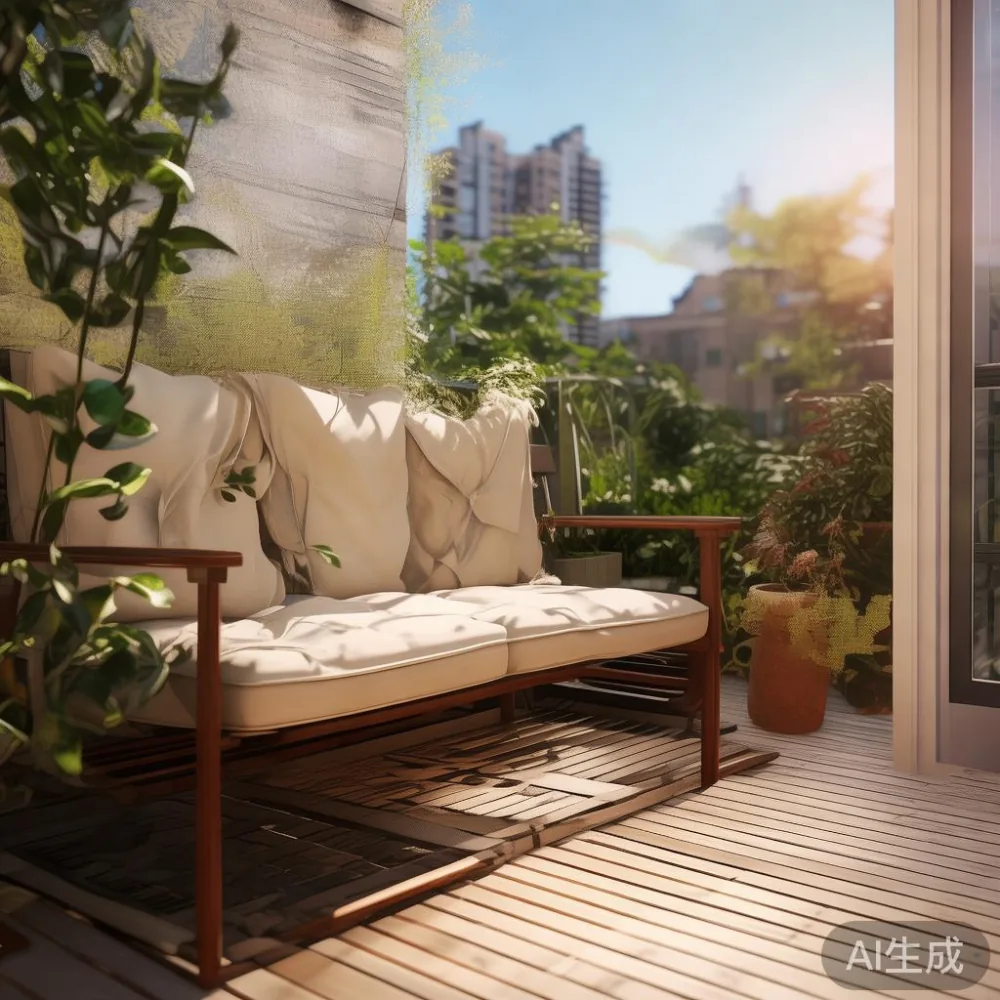
For an outdoor patio in a Punggol condo or a balcony off a Bedok HDB, the comparison matters more than usual. Outdoor patio furniture faces UV, sudden rain, and salt-laden breezes from the east coast. Solid teak or eucalyptus survives; veneer-faced MDF rarely lasts 24 months in that environment.
The purchase price: where veneer looks tempting
Let us use concrete Singapore retail prices collected from local furniture chains, online platforms, and showrooms in Tai Seng and Sungei Kadut during the past quarter. The figures below are for a 1.8 m dining table, a queen-size bed frame, a 2.3 m wardrobe, a nightstand, and a 3-seater solid wood sofa, all common pieces in a 4-room or 5-room flat.
Veneer dining table (1.8 m, MDF core, walnut veneer): S$550 to S$899.
Solid wood dining table (1.8 m, ash or oak): S$1,450 to S$2,200.
Veneer bed frame (queen, plywood + oak veneer): S$650 to S$1,100.
Solid wood bed frame (queen, rubberwood or ash): S$1,300 to S$2,000.
Veneer wardrobe (2.3 m sliding, particleboard + veneer): S$1,100 to S$1,700.
Solid wood wardrobe (2.3 m, ash or rubberwood): S$2,400 to S$3,800.
Veneer nightstand (2-drawer, MDF): S$180 to S$280.
Solid wood nightstand (2-drawer, ash): S$420 to S$650.
Veneer 3-seater sofa (fabric + veneer frame): S$1,200 to S$1,800.
Solid wood 3-seater sofa (kiln-dried ash frame): S$2,200 to S$3,400.
For a full five-piece package, veneer lands between S$3,680 and S$5,778. Solid wood lands between S$7,770 and S$12,050. The gap looks painful at the till. Yet this is the only moment veneer wins.
Year 1 to Year 2: humidity, lift bookings, and the first scratch
Singapore sits at 1° north of the equator. Relative humidity averages 78% to 88% year-round, peaking during the December monsoon. Veneer furniture reacts within months. The substrate swells, the glue line softens, and micro-cracks appear along corners. Most owners do not notice until the second year, when a wardrobe door starts rubbing against the frame or a dining table edge lifts by 1 mm to 2 mm.
Then comes the delivery maths. HDB lift openings are 0.9 m wide by 2.1 m tall in most blocks built after 2010. A 2.3 m wardrobe will not fit flat. Drivers charge S$80 to S$150 for a failed delivery, then another S$80 to S$150 to return the next day with a smaller truck. I watched a colleague in a Punggol Waterway Heights condo pay S$220 in re-delivery fees because the wardrobe he ordered online was 15 mm too tall for the service lift.
Solid wood handles Singapore humidity differently. Kiln-dried timber (moisture content below 12%) breathes without swelling the way MDF does. Joints stay tight, doors stay square, and the surface finishes can be refreshed with a wipe-on oil. For a balcony or outdoor patio setting, FSC-certified teak develops a silver-grey patina but does not rot.
Year 3 to Year 5: refinishing, repairs, and replacement pressure
Here is the maths that flips the comparison. Assume you bought the full veneer package at S$4,500 and the full solid wood package at S$9,500, both including GST and delivery to a Tampines or Bedok address.
Veneer 5-year cost stack:
- Initial purchase: S$4,500
- One refinishing attempt (sanding + re-lacquer, often impossible on thin veneer): S$0 to S$200, but usually owners simply replace.
- Replacement of the dining table and bed frame by year 4: S$2,000
- One re-delivery fee: S$120
- Disposal fees at a Tampines bulky waste point: S$30
- Total over 5 years: roughly S$6,650.
Solid wood 5-year cost stack:
- Initial purchase: S$9,500
- Professional refinishing on dining table and nightstand (sanding, re-staining, fresh lacquer): S$480
- One hinge and runner replacement on the wardrobe: S$90
- Re-oil the outdoor patio teak chairs once: S$60
- Total over 5 years: roughly S$10,130.
The veneer route cost S$6,650. The solid wood route cost S$10,130. The difference is S$3,480 across five years, or S$696 per year. Spread across a solid wood sofa, bed frame, dining table, wardrobe, and nightstand, that works out to roughly S$11.60 per month per piece for buying once and keeping it. For anyone browsing options such as MIDHILL sofa collections or other kiln-dried frames, the monthly cost of ownership is lower than a single kopi at a neighbourhood coffee shop.
Does light-luxury styling change the maths?
Light-luxury interiors, whether French light luxury, American light luxury, or post-modern light luxury, lean heavily on warm wood tones, marble accents, and tailored upholstery. A marble table paired with an ash dining base is a signature look, but the marble needs a substrate that does not flex. Veneer-core tables transfer vibration into stone and crack the slab within a year. Solid wood absorbs the movement.
Buyers searching for wholesale French provincial furniture often assume they must accept veneer to keep the price reasonable. In reality, French provincial styling works because of cabriole legs, hand-carved aprons, and joinery that holds weight. Those details only exist in solid timber. A flat-pack provincial-look set in particleboard will lose its silhouette by month 18.
For shoppers comparing Japanese sofa vs Nordic sofa aesthetics, the same logic applies. Japanese frames use exposed ash or oak with minimal joinery; Nordic frames favour clean lines in pale birch or pine. Both rely on solid wood for the visible frame. A "Nordic-style" sofa with a veneer frame is not Nordic in construction, only in colour.
What about warranty, shipping, and the GST layer?
Reputable solid wood makers back their frames with 10-year structural warranties, offer lifetime refinishing services, and ship free above US$350 (about S$470) with 14-day returns. Those clauses matter because they cap your downside. If a wardrobe door warps in year 6, you pay for refinishing rather than a full replacement. With veneer, the warranty usually excludes peeling, lifting, and substrate swelling, which are precisely the failures you will hit.
Free shipping above a clear threshold also reduces the re-delivery risk described earlier. One trip, one receipt, one lift booking. Add the 9% GST on every replacement piece of veneer furniture, and a S$4,500 veneer package quietly becomes S$4,905 at the till, then S$5,395 if you replace half of it by year 4.
Buyers who want the look without the showroom price tag often explore under 2000 European furniture ranges or curated top 10 Modern furniture lists online. Both categories include a mix of solid and engineered pieces. The trick is to read the spec sheet: a 25 mm to 40 mm top thickness on a dining table usually indicates solid wood, while anything below 18 mm over MDF is veneer.
Is solid wood worth it for an outdoor patio in a Singapore condo?
Outdoor patio furniture takes the worst beating: direct afternoon sun on west-facing balconies, sudden rain squalls, salt spray in Bishan or Marine Parade units near the coast, and constant foot traffic. Veneer-core outdoor sets typically fail within 18 to 30 months. The substrate absorbs water, the veneer lifts, and the legs wobble.
Solid teak, eucalyptus, or shorea outdoor patio chairs and tables last 10 to 20 years with annual oiling. The cost-per-year drops below S$40 for a chair when amortised across a decade. For a balcony off a HDB kitchen or a small patio off a condo living room, that is the only rational purchase.
If you are comparing Modern light luxury for apartment styling, pair a solid teak outdoor chair with a marble table or a powder-coated aluminium side table. The teak ages gracefully; the marble holds its polish. A shortlist from any for sale Modern light luxury furniture range should lead with solid frames, kiln-dried to under 12% moisture, with stainless or brass fittings.
How do I tell the difference before I pay?
Run these four checks in the showroom or warehouse:
1. Weight. A solid wood nightstand weighing 18 kg to 25 kg is normal. A veneer nightstand of the same size usually weighs 8 kg to 12 kg. Lift it.
2. Edge grain. Look at the side profile. Solid wood shows continuous grain from top to bottom. Veneer shows a thin layer over a different coloured core.
3. Underside. Flip a chair or table over. Solid wood has matching grain on hidden surfaces. Veneer often shows bare MDF, plywood edges, or a printed backer.
4. Smell and sound. Knock on it. Solid wood gives a dull, dense thud. Veneer over MDF sounds hollow, almost like tapping a cardboard box.
Price as the fifth check. Anything labelled "solid wood" below S$600 for a queen bed frame, or below S$900 for a 1.8 m dining table, should raise questions. Genuine solid wood furniture carries material, kiln-drying, and labour costs that cannot be undercut by half.
What is the real 5-year verdict for a Singapore household?
Across a typical 4-room HDB in Tampines, a 5-room flat in Bedok, or a condo in Punggol, the 5-year cost gap between veneer and solid wood is smaller than the sticker shock suggests. Once you add refinishing, re-delivery, replacement of failed pieces, and the mental load of living around swollen wardrobe doors, solid wood often lands within S$3,500 of the veneer route across five years.
When that gap is divided across a solid wood sofa, bed frame, dining table, wardrobe, and nightstand, and across 60 months of daily use, the per-piece, per-month premium is small. The trade-off is ownership: solid wood gives you furniture you can refinish, hand down, and move three times without buying again. Veneer gives you furniture you replace.
For homeowners in Singapore planning a renovation in 2026 and weighing Modern light luxury for apartment styling against tighter budgets, the practical move is to anchor the high-use pieces (bed frame, dining table, wardrobe, sofa frame) in solid wood, and let the rotating accents (side tables, occasional chairs, decorative shelving) absorb the lighter engineered options. That mix keeps upfront cash flow manageable while protecting the items you touch every day.