Caring for Lacquered Surfaces in Singapore’s Climate
Singapore’s humidity can punish a lacquered surface faster than most indoor furniture care guides suggest. In an HDB flat in Tampines, a dining table may sit beside a sliding door where warm, damp air enters during the afternoon monsoon. In a Bedok condo, a lacquered wardrobe can face reflected light from the west-facing corridor. In Punggol, even a balcony with good airflow may remain sticky overnight because the outdoor patio stays close to the surrounding buildings and sea air carries more moisture inland.
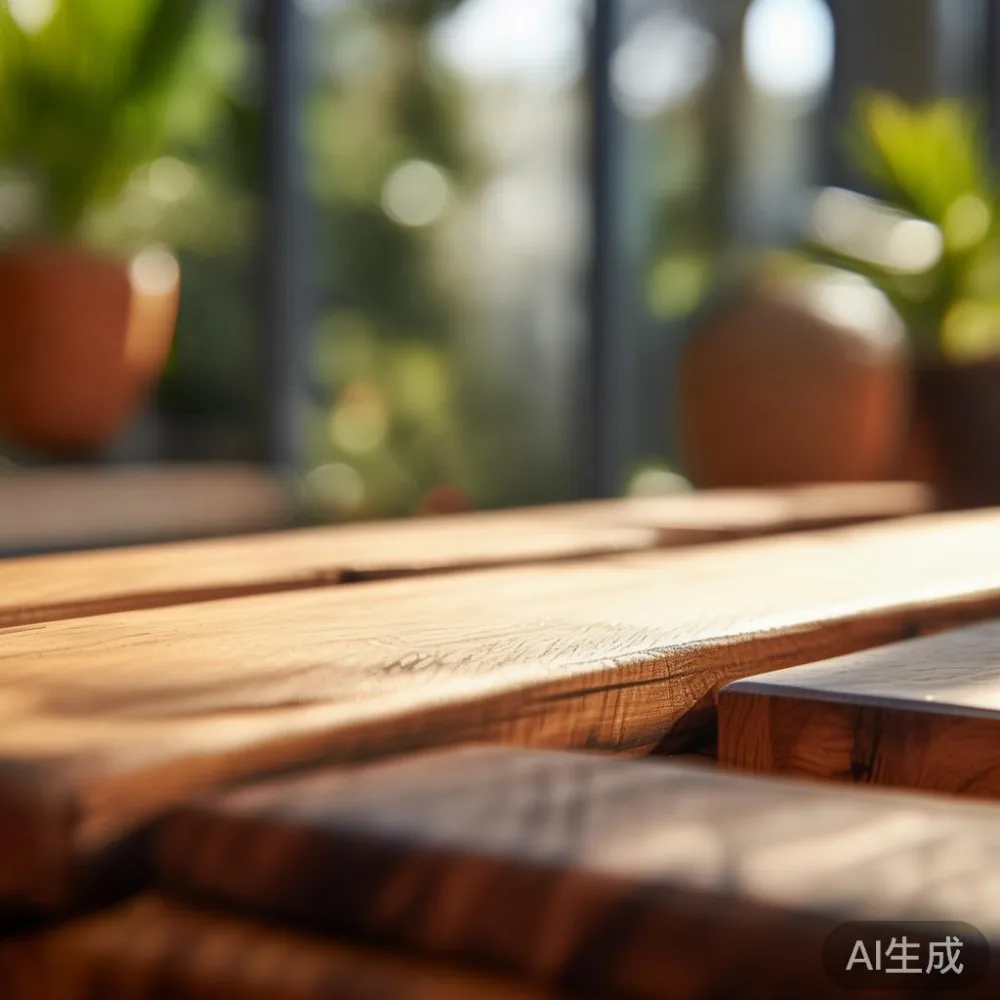
Good care is not about keeping furniture perfectly spotless. It is about controlling four measurable conditions: relative humidity, direct sunlight, standing water and surface heat. The goal is to protect the lacquer film while preserving the warm grain of solid wood beneath it. MIDHILL applies this discipline to lacquered furniture designed for demanding interiors, including a solid wood sofa, bed frame, dining table, wardrobe and nightstand.
This guide focuses on lacquered furniture used around an outdoor patio, although the same moisture-control principles also apply to a marble table or an indoor European light luxury coffee table. A lacquered finish is a layered coating, not a waterproof membrane. Under tropical conditions, microscopic condensation and repeated expansion cycles can create dull patches, haze or fine checking if the surface is exposed carelessly.
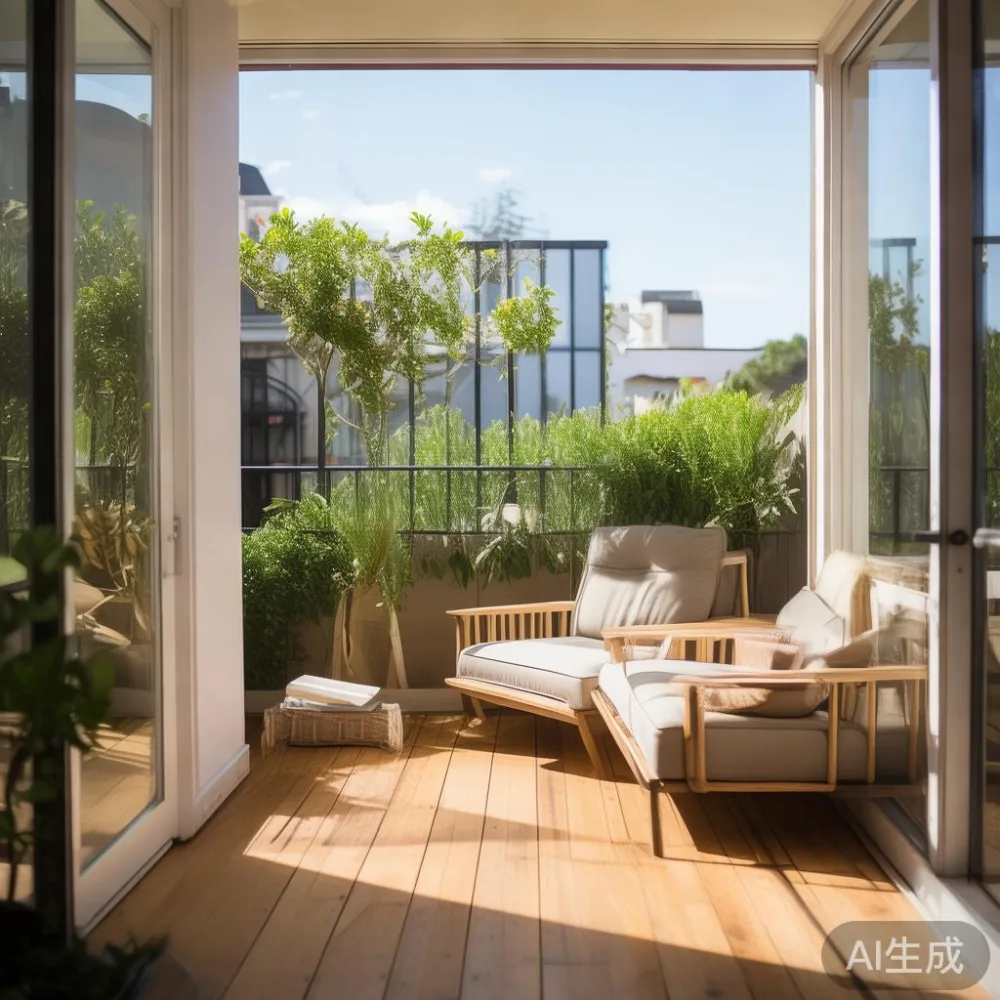
What makes lacquer difficult in Singapore?
The local climate usually holds humidity above 70% for much of the year. Warm air holds more moisture than cool air, and lacquer expands more quickly when heated. A dining table near a balcony door can therefore experience a daily cycle of approximately 28–32°C surface temperatures, higher relative humidity and quicker evaporation. By night, the surface may cool to 24–26°C, causing condensation to form on exposed edges or around metal hardware.
Sunlight adds a separate load. Ultraviolet radiation can weaken the clear coat over time, while concentrated heat can soften it before it fully cures. Singapore’s afternoon sun is often strong enough to raise a dark lacquered tabletop by more than 10°C above room temperature. A single severe downpour can also drive water under outdoor patio furniture and onto nearby indoor surfaces.
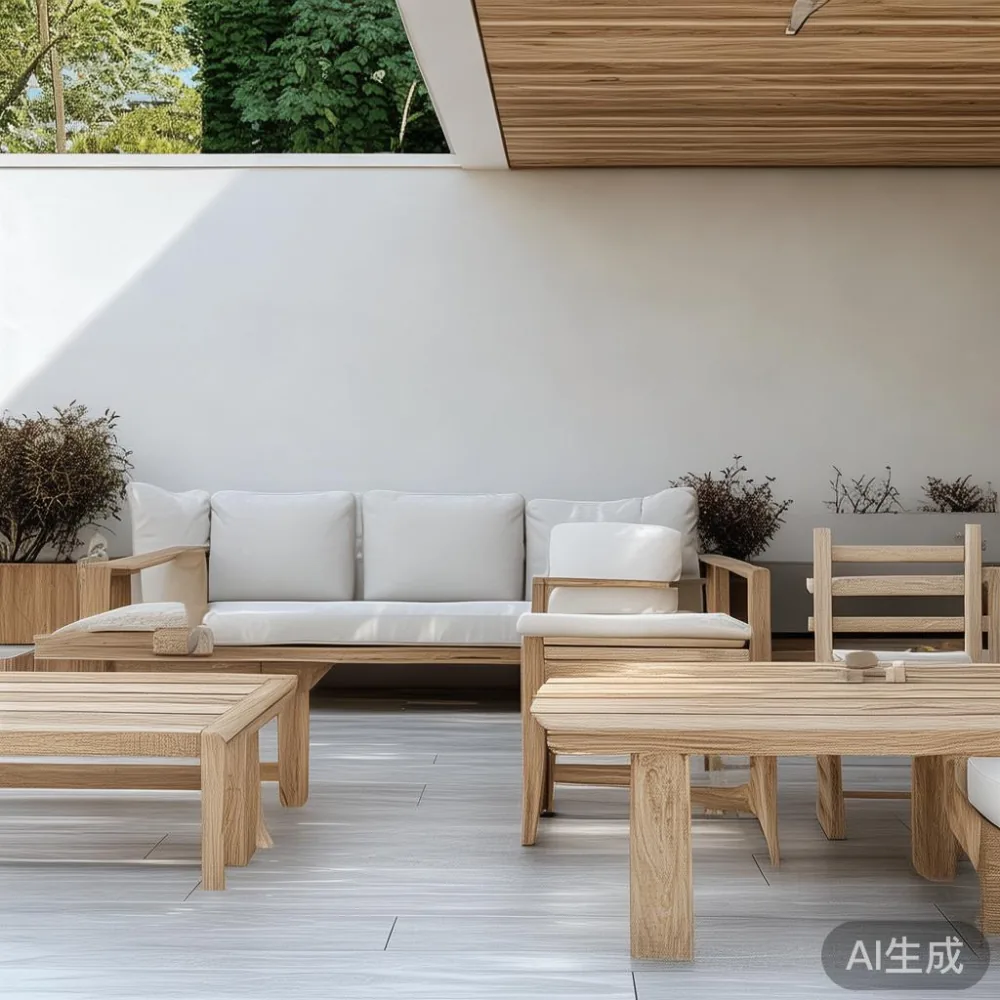
Salt matters too, even in a land island. Wind-borne particles settle in damp films on coatings and may scratch a lacquered surface when wiped with a dry cloth. Grit from a corridor, lift lobby or communal deck can contain sharp mineral particles. The answer is not to avoid use, but to clean gently and often enough that dirt does not become abrasive.
Lacquer quality also differs. Some furniture uses a thin sprayed finish, while a multi-layer lacquer system offers better resistance to heat and moisture. Before purchase, ask the supplier for the coating type, expected care conditions and warranty coverage. MIDHILL provides a 10-year structural warranty on eligible solid wood furniture, but customers should still confirm whether lacquer, stone and moving parts carry separate terms.
How should I prepare an outdoor patio area for lacquered furniture?
Begin by measuring the space and its exposure. Use a simple hygrometer placed at furniture height, roughly 75–90 cm above the floor. Check it at about 8 a.m., 2 p.m. and 9 p.m. for 7 days. If readings remain around 65–75% for long periods, consider a dehumidifier in enclosed areas or improve cross-ventilation. Keep the instrument away from direct sun and air conditioners, because both distort readings.
For an outdoor patio, the placement rules are stricter. Lacquered pieces should sit under a roof or canopy with UV-filtering material, not directly beneath an open sky. Leave at least 30 cm of clearance between a lacquered cabinet or nightstand and a wall so that air can move around all sides. A dining table should be positioned where rainwater cannot run along its legs or collect in a joint.
Check the route from the lift. A common corridor width in an HDB block may be about 150–180 cm, while a condo service corridor can be narrower. Measure the narrowest point and add 10 cm for handling. Record the lift door width, cabin depth and cabin height before delivery day; a wrapped dining table with a 210 cm top may need to be turned vertically or carried by a second person.
Use breathable outdoor covers rather than sealing furniture inside a vinyl sheet. A waterproof woven cover with a ventilated underside reduces rain exposure while allowing trapped moisture to escape. Do not place a plastic bag over lacquer for more than 2 hours. If the furniture will be unused for more than 30 days, store it in a conditioned indoor room rather than an exposed patio corner.
For a compact Singapore balcony, keep 60 cm of clear walking space and avoid crowding furniture against the railing. If an outdoor dining set occupies the main patio zone, use an indoor lacquered dining table as the daily surface and move only suitable pieces outside. A solid wood sofa intended for an indoor living room should not be treated as rainproof patio furniture.
What is the safest way to clean a lacquered surface?
Clean lacquered furniture every 7–14 days during humid periods, and wipe it after visible spills. Use two clean, lint-free microfibre cloths. Dampen one with plain lukewarm water at about 30–35°C, wring it out and wipe with light pressure. The cloth should feel damp, not wet. A lacquered dining table should never be soaked, filled or sprayed directly with cleaner.
For ordinary dust, the damp cloth is usually enough. If a mark remains, use a second cloth with a drop of pH-neutral dish detergent diluted in 500 ml of water. Test it on a hidden 5 cm area for 10 minutes, then wipe and dry. Avoid vinegar, lemon, ammonia, alcohol, bleach, abrasive cream, silicone polish and furniture sprays containing wax or oil. These products can strip shine, trap moisture or leave a film that attracts dust.
Spills need prompt attention. Blot rather than rub. For water, use a dry cloth for the first 30 seconds. For coffee or tea, lift the residue with a barely damp cloth, then dry. Oil should be held with a clean paper towel, and the area can be cleaned with the diluted detergent method once the surface is no longer wet.
After cleaning, allow the furniture to air-dry for at least 60 minutes before use. Do not place hot objects on the surface for 2 hours. Use coasters and felt pads: a cup of hot kopi can exceed 80°C and leave a ring or softened patch on lacquer. For a marble table, the same coasters and gentle cleaning apply, although acidic liquids should still be wiped away promptly.
Do not wax lacquer unless the manufacturer specifically permits it. Wax can create a slippery, patchy layer and complicate future refinishing. If the finish starts to feel tacky, do not rub it. Stop direct sun exposure, lower humidity and contact the supplier for assessment.
How often should lacquer be inspected and refinished?
Inspect furniture every 3 months. Look under the dining table, behind a wardrobe door, beneath a nightstand and along the outer edges of a bed frame. Use a clean white cloth to check for transferred colour. If the cloth picks up a sticky residue, the lacquer may already be softening under heat or chemical exposure.
Watch for early warning signs: a dull area 2–3 cm wide, a web-like pattern of fine lines, lifting at an edge, a tacky feel after a warm day or a new smell around an enclosed cabinet. These signs are more informative than a small scratch. Fine scratches can sometimes be addressed through approved polishing, but hazing and cracking indicate that the finish needs professional assessment.
Keep a written care record with dates, products used and photographs. If a lacquered dining table or wardrobe is damaged, document the affected area before cleaning. This helps a furniture maker distinguish care-related surface marks from a manufacturing defect. It also makes warranty claims more practical, especially when furniture has spent several years near an outdoor patio door.
MIDHILL offers lifetime refinishing on eligible products, with the exact scope confirmed at purchase. Refinishing is not routine polishing; it may involve stripping, sanding and recoating the affected surface. A client should never attempt a full refinishing job with household sandpaper. Grit, uneven pressure and excessive removal can reduce the coating below the safe repair thickness.
For a home where children and pets are common, shorten the inspection interval to 6–8 weeks. A hidden lacquered nightstand near a play area may collect sunscreen, toy stickers or spills sooner than a formal dining table. Prompt removal usually preserves the finish better than a longer weekend clean.
How do I choose furniture that suits a tropical apartment?
Choose solid wood furniture with a stable joinery system, then select the lacquer finish with local conditions in mind. Solid wood expands and contracts as humidity changes, so good construction matters. Look for furniture that does not feel hollow when lightly tapped, has doors aligned within about 3 mm and uses hardware rated for repeated use. For a solid wood sofa, check that seat frames are secured and that the finish on exposed arms is consistent with the rest of the piece.
Measure the room before ordering. A compact HDB dining area may suit a 140–160 cm dining table, while a larger condo kitchen could accommodate a 180–220 cm top with at least 90 cm of clearance on each side. A bed frame needs about 60 cm at the sides and 75–90 cm at the foot for comfortable use. A wardrobe should have enough opening clearance for drawers, often at least 90 cm.
For narrow corridors, check the lift route and have the delivery team inspect it in advance. Delivery to most Singapore addresses may take 7–14 production and scheduling days, depending on the product and peak period. GST is added at checkout, and the final order should display the full price before payment. If the item is eligible, free shipping applies above US$350 on MIDHILL’s online store, with the local checkout terms shown before payment.
For a separate guest room, the phrase French for guest room often brings to mind carved details and ornate upholstery, but Singapore apartments usually benefit from restraint. If you are considering how to style European bed in apartment spaces, pair the bed with clean-lined side pieces and allow 45–60 cm between the mattress and wall where possible. A European light luxury coffee table can work in a 12–16 m² living room if its top is no larger than about 100–120 cm.
Guest seating also needs proportion. When learning how to choose French provincial sofa, check its depth before falling in love with the silhouette. A sofa deeper than 95 cm can overwhelm a compact living room and reduce circulation around an HDB dining zone. For an outdoor patio, select dedicated weather-resistant furniture instead of assuming an indoor sofa can tolerate monsoon rain.
Customers comparing storage options can search where to buy wardrobe from MIDHILL to review dimensions, finish information and delivery coverage. A wardrobe placed beside an exterior wall needs at least 5 cm of rear ventilation space and should not sit directly against a rain splash zone.
What should I do if lacquer develops haze, cracks or sticky patches?
Stop using abrasive cleaners, waxes and generic “restorer” products. Isolate the affected area from heat and moisture. If a dining table has a sticky patch, remove plants, electronics and direct sun, then lower surrounding humidity where possible. Do not place ice on the finish; the sudden temperature change can cause more damage.
Next, test a concealed area with the same maintenance routine used elsewhere. If the haze remains after careful cleaning, arrange an inspection. Provide photographs taken under daylight and with a close-up showing the affected 10 cm section. Note when the mark appeared, whether the furniture was near a door or patio, and which cleaning products were used.
Do not sand around a crack. Lacquer can lift beyond the visible defect, and an aggressive repair may leave a rectangular patch that catches light. For high-use pieces such as a dining table or wardrobe, let the original maker assess the finish because colour matching and coating thickness affect the result.
For damage involving water, separate the furniture from the source. If a balcony door leaks, place a protective barrier 20 cm away from the piece, but keep air circulating. Dry the surrounding area with a fan on low speed for 4–6 hours rather than directing high heat at the lacquer. Once the area is dry, leave it undisturbed for 24 hours before checking again.
Long-term care is simpler than restoration. Keep the finish cool, clean and ventilated; use barriers against UV and rain; and respond to small spills within 30 minutes. In return, a well-maintained lacquered surface can retain its depth and gloss through Singapore’s heat, humidity and daily use.