Lacquered Surface Care in Singapore
Singapore’s humidity, sudden downpours and intense sunlight can shorten the life of a lacquered finish if it is maintained poorly. Air-conditioning helps inside an HDB flat, but an outdoor patio receives regular exposure to moisture, salt, dust and UV radiation. Good care does not require specialist machinery: it needs a simple routine, the right products and attention to edges, joints and moving parts.
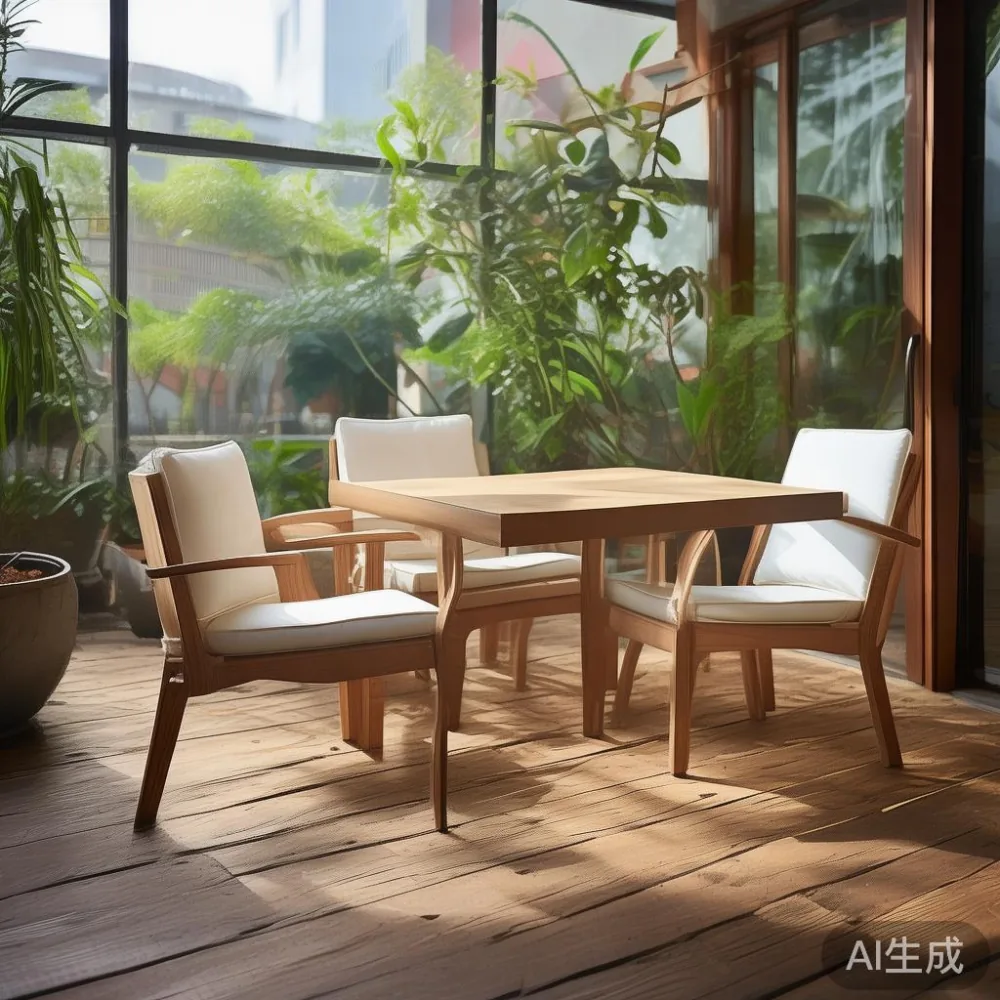
This guide explains how to protect lacquered solid wood furniture for outdoor patio use around Tampines, Bedok and Punggol, while also considering lift access, corridor clearance and the practical limits of Singaporean homes. A lacquered dining table may suit a sheltered balcony, but a wardrobe or bed frame is better kept indoors. For furniture with a more delicate, French light luxury character, lower maintenance frequency may also mean a less suitable patio location.
What does tropical humidity do to a lacquered surface?
Lacquer creates a protective film over wood or another prepared substrate. In Singapore, relative humidity often exceeds 70% for much of the day, while outdoor surfaces can heat above 40°C in direct afternoon sun. Repeated expansion and contraction may produce fine cracks, especially around joints, drawer edges and routed details. Moisture that remains beneath the film can cause clouding or blistering if the lacquer has been damaged.
Check lacquered outdoor patio furniture every month and after every major rain event. Look for whitening, lifting, sticky patches, scratches and swollen joints. Run a dry fingertip over suspicious areas: dampness or a rough edge indicates that the piece should be moved under cover while the surface dries.
Keep the item at least 30 cm from a balcony railing where wind-driven rain can strike it, and avoid placing it directly against an air-conditioning outdoor unit where condensation may collect. For larger pieces, allow at least 5 cm of clearance on exposed sides. A covered outdoor patio reduces direct rain and UV exposure by roughly 60-80%, although exact protection depends on the canopy material and angle.
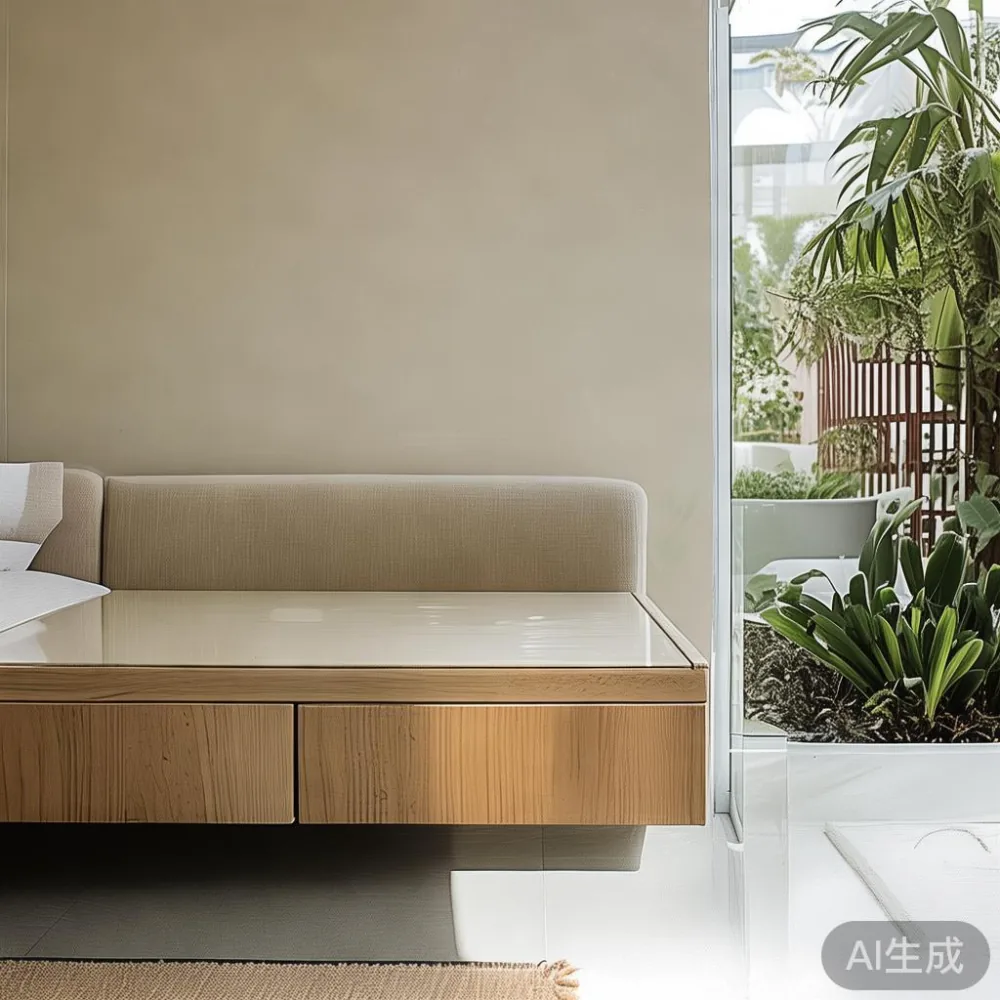
Do not assume indoor furniture is safe outdoors. A solid wood sofa or upholstered bed frame can absorb moisture even when its visible frame is lacquered. A marble table may be suitable for a shaded patio if its base and joints are stable, but marble itself can stain and etch. A lacquered wardrobe, nightstand or TV console should normally remain inside because doors and drawers need controlled movement and the internal cavity needs ventilation.
How should I clean a lacquered surface safely?
Use a soft, lint-free cloth, lukewarm water and a small amount of pH-neutral dish soap. Mix approximately 1 teaspoon, about 5 ml, with 500 ml of water. Wipe gently, then remove residue with a second cloth moistened with clean water. Dry with a separate microfibre cloth within 10 minutes.
Abrasive pads, wire wool and household sprays containing ammonia, bleach, alcohol, silicone or strong solvents can dull the film. Test every cleaner on a concealed 5 cm square for at least 24 hours. If the patch becomes dull, sticky or uneven, stop immediately. Never pour water directly over a joint, drawer runner or lacquered outdoor patio base.
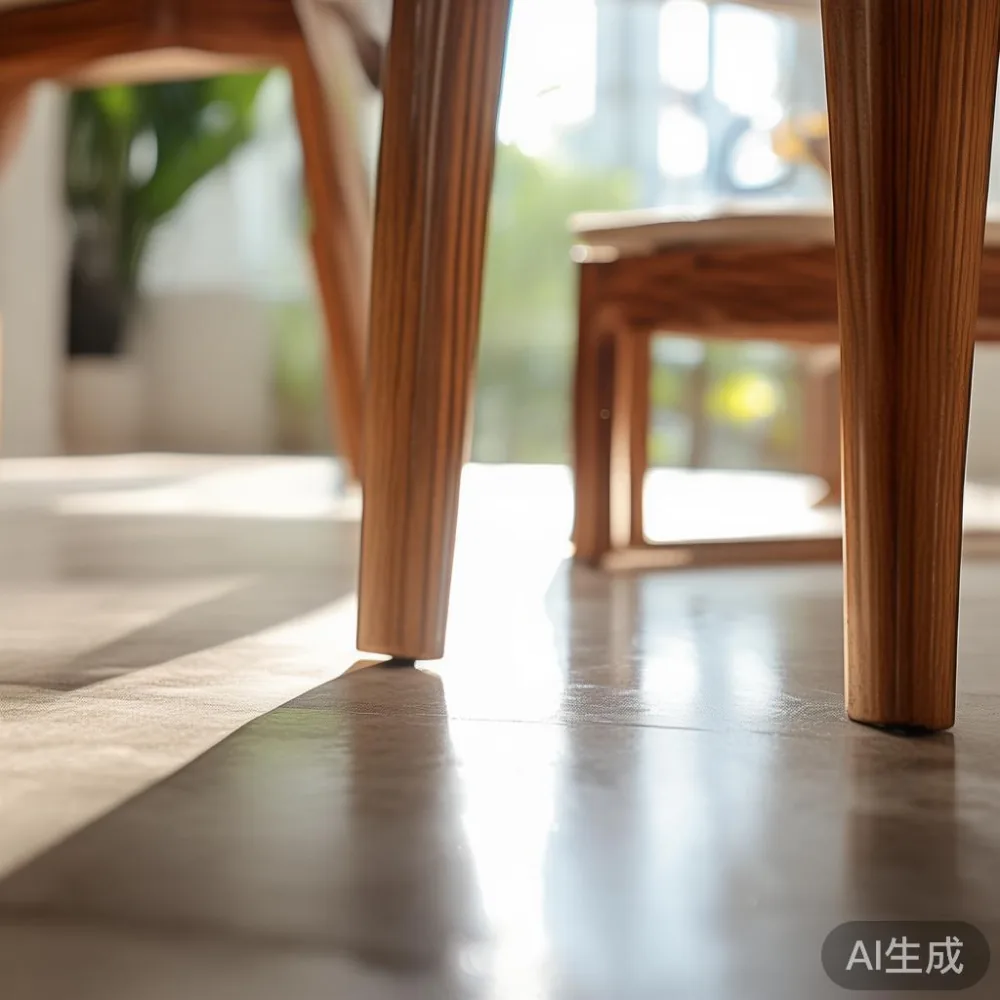
Spills should be addressed before they dry. Blot rather than rub, using 4-6 gentle passes. For insects and bird droppings, remove the residue promptly with a barely damp cloth; do not scrape dry material against the lacquer. Clean under the legs and beneath table edges every 2-4 weeks, because trapped grit can scratch the surface as furniture is moved.
For lacquered pieces positioned on an outdoor patio, monthly cleaning is appropriate under a roof. Exposed furniture may need cleaning every 2 weeks during the wettest periods. I tested a similar lacquered console on my own balcony last month after 11 days of accumulated rain. A damp cloth lifted the dust, while a dry cloth left visible streaks. A second pass with clean water removed the marks without flattening the sheen.
How do I stop sunlight, rain and condensation from damaging the finish?
Position outdoor patio furniture where direct afternoon sun is limited. In Singapore, the period from about 1 pm to 4 pm usually produces the strongest UV exposure. East-facing balconies in Tampines and Punggol receive stronger morning light; west-facing areas around some Bedok blocks can remain exposed until early evening. A retractable awning, pergola with UV-filtering fabric or fitted outdoor cover gives the most practical protection.
Allow the piece to acclimatise when it arrives. Keep it in its packaging for 12-24 hours if possible, away from direct sun, and remove the protective film only after the surface is cool and dry. Film left on for too long can sometimes create an uneven residue, especially in hot conditions.
Use coasters and trivets with a raised edge. Leave a 2 cm gap between a hot vessel and the lacquer. Coasters should be at least 8 cm across for a typical tumbler and 25-30 cm for a hot serving dish. Wipe condensation from marble and lacquered table edges immediately. Avoid using an outdoor patio as a drying rack for towels, because damp fabric can trap water against the finish.
Do not leave cushions, rugs or wooden crates on a lacquered surface for more than 24 hours. They can block airflow and create a damp imprint. A cotton throw should be washed and dried fully before it is placed over a sofa or chair. For storage, keep the item refined at least 10 cm above a concrete floor and use breathable covers rather than sealed plastic sheeting.
How often should lacquer be inspected and renewed?
Inspect lacquer every 4 weeks during humid weather. Pay attention to corners, front edges, undersides, screw points and areas that rub against another part. A minor scratch less than 1 mm deep can usually be treated with a lacquer repair kit, but deeper damage, lifting or blistering needs a refinisher to assess the surface.
Apply a compatible clear protective coat only after cleaning and full drying. Some products create a patchy appearance or become yellowish under tropical UV exposure. Test a 10 cm area for 7 days. Use a fine synthetic brush, typically 25-50 mm wide, and apply thin coats in a ventilated area. The number of coats depends on the product, often 2-3.
Do not use automotive wax, furniture polish containing silicone or shellac on a lacquered finish unless the lacquer manufacturer permits it. These products may appear to work at first, but they can trap moisture and make later refinishing difficult. Record the product name and application date. If a finish lasts 3-5 years under sheltered conditions, that is not automatically a fault; outdoor exposure, care and lacquer formulation all affect the interval.
Check the stability of moving parts as well as the coating. Tighten loose screws once every 6 months, but do not overtighten them. Door hinges on a lacquered cabinet should open through a full 90° arc without touching the frame. For drawers, use a 1-2 mm clearance where needed and avoid forcing them. Moving a solid wood dining table by its lacquered top can twist the base; support it from underneath and lift it with 2 people if it weighs more than 35 kg.
How can I fit large furniture into a Singapore HDB flat or condo?
Measure the route before ordering or moving furniture. Record the width of the sofa, the narrowest corridor, door opening, lift car dimensions and turning space. Many HDB corridors are about 1.2-1.5 m wide, with lift cars that are too narrow for a broad solid wood sofa unless it is disassembled. A French provincial TV console may have projecting handles or decorative details that add 3-8 cm to its apparent width.
Protect the lacquer during the move. Wrap each corner with 2 layers of moving blankets and secure them with soft straps, not adhesive tape. Use a furniture dolly rated above the item’s weight. A 60 kg dining table requires equipment for at least 75 kg, and 2-3 trained people may be needed around a staircase or narrow turn.
For condo deliveries, confirm parking, loading-zone and lift booking requirements with the building management. Reserve the lift for at least 30 minutes for a normal single-piece delivery and 45-60 minutes for a multi-piece order. Keep the route clear for 24 hours before delivery, including the lobby and fire-access area.
Singapore prices include GST for consumer purchases. A lacquered nightstand may be priced around SGD 690-SGD 1,290, while a larger dining table can range from SGD 2,400-SGD 5,800 depending on size and material. Compare the full delivered price rather than the item price alone. MIDHILL offers free shipping above US$350, and eligible orders above SGD 350 may qualify for free Singapore delivery under current service arrangements; confirm the exact threshold and date before purchase.
Inspect the piece at the door. Photograph the lacquer, corners and packaging within 10 minutes of arrival. Report transit damage promptly, and retain the wrapping until the item has been checked. Most sellers allow returns within 14 days for eligible unused goods, though custom dimensions and finished items may be excluded.
Can lacquered outdoor patio furniture match a light-luxury interior?
Lacquer can support many design directions, but its finish should match the furniture’s construction and location. Post-modern light luxury often uses clean lines with tactile materials, so a restrained satin lacquer works well on a solid wood dining table or bed frame. French light luxury usually calls for softer curves and decorative profiles; these are more suitable indoors than on an exposed balcony.
When comparing a solid wood sofa, learn how to choose French provincial sofa by checking seat height, frame material, cushion density and the depth of the arms. If the frame includes solid wood, dry the base quickly after rain and do not leave it uncovered overnight. For a bedroom, Mid-century modern for guest room layouts benefits from slim profiles and restrained finishes that do not trap moisture behind a bed frame.
Commercial projects may ask about Italian light luxury for hotel palettes, where coordinated wood grains, durable lacquers and repeatable dimensions matter. The phrase modern Italian light luxury furniture should not be treated as a performance standard: verify lacquer compatibility, VOC information, maintenance instructions and test results instead. A practical hotel installation also needs spare covers, replacement glides and documented care intervals.
A marble table needs a separate routine from lacquered wood. Use a pH-neutral cleaner, avoid acidic liquids and keep chlorine-based products away from the surface. For indoor pieces, under 2000 Minimalist furniture searches may include a lacquered nightstand or compact dining table, but low price alone does not indicate moisture resistance. Request the finish specification and warranty details before comparing quotations.
What care routine should I use through the year?
Create a simple schedule rather than waiting for visible damage. Weekly, remove crumbs and wipe high-contact surfaces. Monthly, clean the entire piece and inspect edges, joints and feet. Every 3 months, check the underside and tighten moving hardware if needed. Twice a year, review the canopy, covers and drainage paths around the furniture.
During the wettest months, move lightweight outdoor patio furniture under cover before storms and return it only when the surface is fully dry. Keep rainwater running away from the base: a slope of 1-2% across the patio is more effective than placing a narrow mat underneath. The mat should not exceed the footprint of the legs, as trapped water can keep the base damp.
Do not refinish a piece in direct sunlight. Work indoors at 24-30°C with humidity below 65%, or use a well-ventilated covered space. Allow each lacquer coat to cure according to the product label; a surface that feels dry may still require 48-72 hours before heavy use.
MIDHILL furniture carries a 10-year structural warranty, and eligible pieces can be refinished for life under the applicable service terms. Cosmetic wear, standing water, chemical damage and incorrect cleaning may fall outside those terms, so retain receipts, care instructions and photographs. For a piece intended for an outdoor patio, clarify whether the manufacturer approved that use before placing it outside.
The safest approach is restrained: shade, dry, clean gently and inspect often. A well-maintained lacquered surface should retain its sheen for years, while neglected edges and joints can deteriorate within a single rainy season. Treat every balcony or condominium outdoor patio as a demanding environment, even when the furniture looks elegant at the start.