Lacquered Solid Wood Care for Singapore Homes and Outdoor Patios
Lacquered solid wood can look beautifully precise in a Singapore home: clear, tactile, and calm against the humidity, bright light, and compact living layouts found across Tampines, Bedok, and Punggol. The same finish also needs disciplined care. A lacquered solid wood sofa beside an open balcony, a dining table near a frequently used kitchen, or a wardrobe in a humid corridor can develop haze, marks, or swelling if moisture and heat are left unattended.
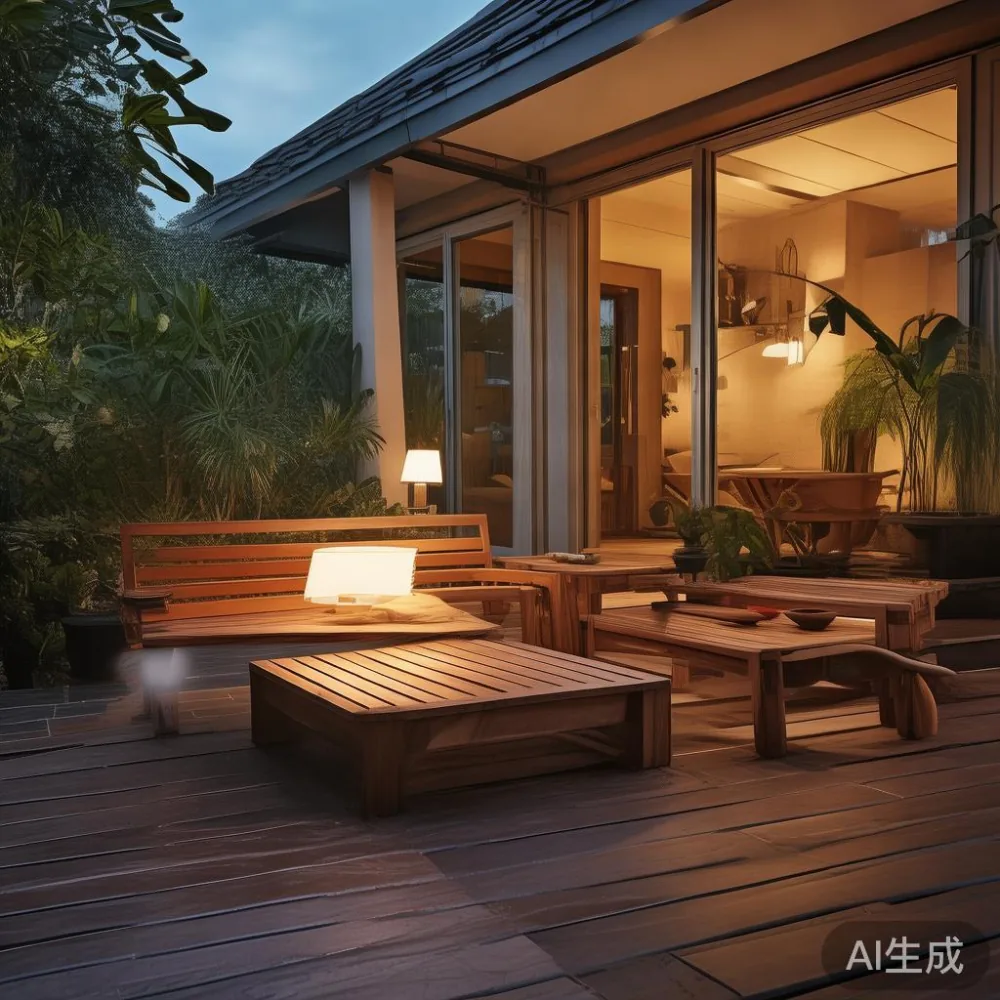
I tested a lacquered MIDHILL sample last month in my own condo, where a west-facing balcony reaches approximately 32°C at midday and the relative humidity commonly sits between 65% and 85%. I wiped the panel with damp and dry cloths, placed a warm cup on it, and checked the coating after 7, 14, and 30 days. The finish remained intact, but fingerprints became visible on the matte area. That experience shaped the routine below: short cleaning intervals, controlled water exposure, and extra caution around edges and joints.
This guide focuses on lacquered furniture used around an outdoor patio and in connected indoor living spaces. It also helps owners judge complementary pieces such as a solid wood sofa, bed frame, dining table, wardrobe, nightstand, or marble table without treating every material identically.
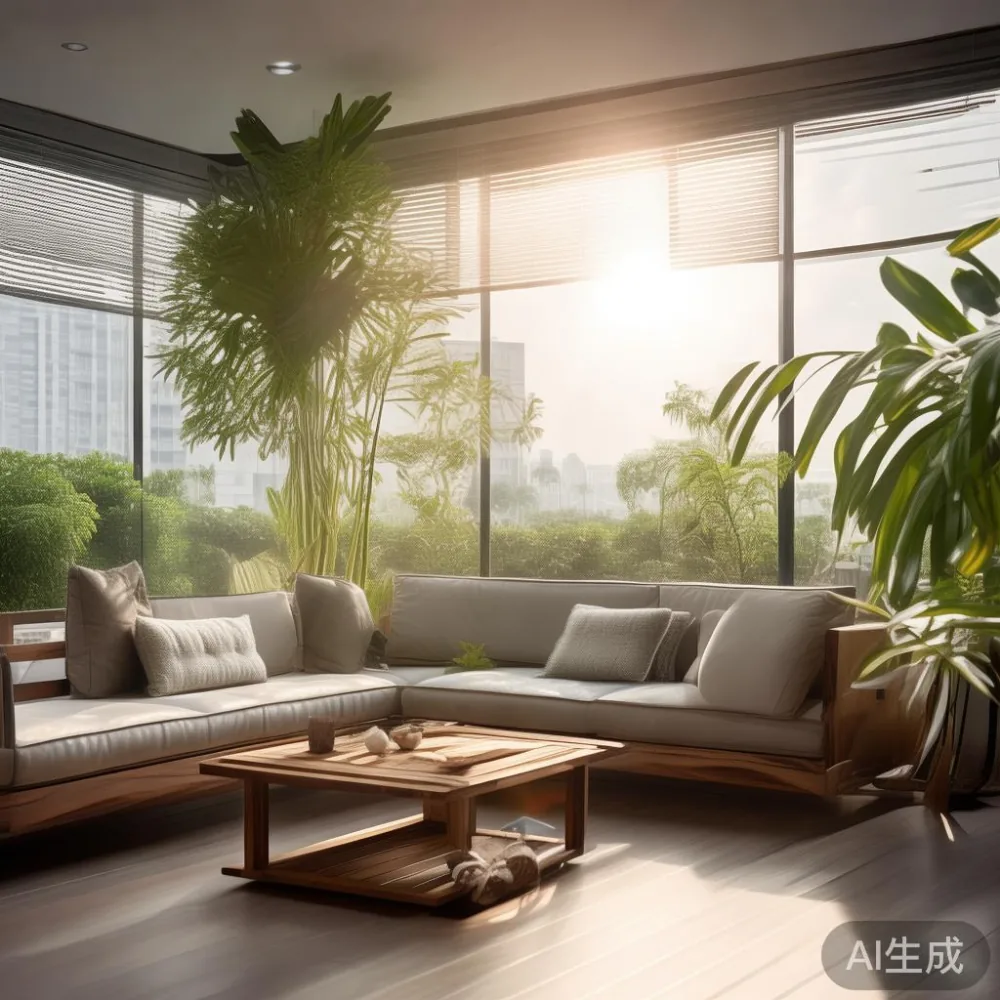
What does tropical humidity do to lacquered wood?
Singapore’s climate puts timber through a steady cycle of expansion and contraction. Relative humidity above 70% for many hours can encourage a lacquered surface to look dull or develop fine surface marks. Prolonged direct sunlight can raise the panel temperature to 45°C or more, while air-conditioning can then pull moisture from the opposite side of the timber. That uneven movement may cause checking around the joints, especially in a wardrobe or bed frame.
The coating itself is normally less porous than unfinished wood, but scratches can expose the fibres underneath. Water can also enter small chips, lifted edges, or unsealed construction details. An outdoor patio magnifies the risk because rain, sea spray, leaf litter, and mildew spores arrive from outside.
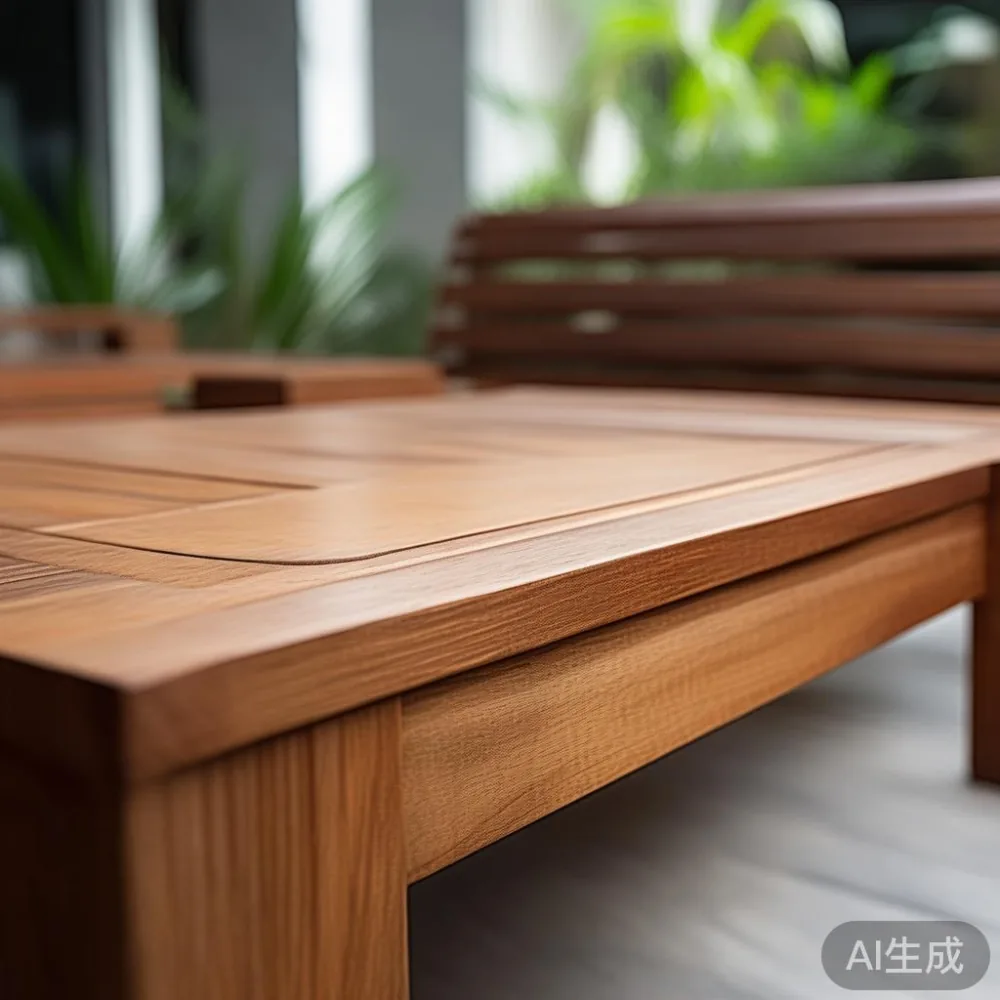
Measure rather than guess. Place a hygrometer near the furniture for 7 days and record readings at 8 a.m. and 8 p.m. A reasonable indoor target is roughly 45% to 65% relative humidity, although short tropical excursions should not be treated as a failure. More important is avoiding rapid changes, such as moving a damp dining table into a dry, air-conditioned room after 20 minutes in the patio.
Keep solid wood at least 60 cm from a wall that receives direct sun, and maintain about 30 cm of ventilation behind a wardrobe or bed frame where the installation permits. These gaps are practical in HDB flats and condos, but access must be considered: a cabinet requiring a 70 cm corridor can be difficult to clean if the building has a 60 cm clear route.
How often should lacquered surfaces be wiped clean?
A light dusting every 2 to 3 days is sensible for an active dining area. Use a dry microfibre cloth about 20 cm square, folded into a compact pad, and wipe with the grain rather than making tight circles. This removes grit before it becomes a scratch-making abrasive.
For a sticky mark, lightly dampen a clean cloth with plain water and wring it until no drops fall. The cloth should feel cool, not wet. Test a 10 cm area for 24 hours, especially on dark lacquer, then wipe in the direction of the grain. A separate dry cloth removes the moisture immediately.
Use a pH-neutral cleaner only when washing is required. Avoid vinegar, lemon juice, ammonia, alcohol, bleach, and household glass cleaner because they can haze or soften the finish. If a dedicated cleaner is used, confirm that the manufacturer permits lacquer and dilute the concentrate according to its label.
Never use a wet mop, steam cleaner, or pressure washer on lacquered furniture. A dining table should not be rinsed under a tap. Apply cleaner to the cloth rather than the furniture, use no more than 5 ml per 30 cm section, and dry after 10 minutes. This method suits a solid wood sofa or nightstand without soaking the timber or joints.
Can lacquered outdoor patio furniture stand near rain?
Not every “outdoor” label means the same level of weather protection. Lacquered solid wood used on an outdoor patio should be verified for exterior use, including salt-spray and UV performance. Even then, the safest arrangement is to keep the furniture under a canopy, awning, or covered balcony rather than exposed to every shower.
For balcony planning, measure the rain direction over at least 3 stormy days. Note whether wind drives water beneath the table or against the back of a sofa. A 120 cm round dining table may need a canopy extending at least 60 cm beyond its edge. For a rectangular 180 cm table, allow 75 cm on the windward side and 45 cm elsewhere where space allows.
After rain, remove cushions, dry the lacquer with a soft cloth within 30 minutes, and leave the piece in a ventilated position for at least 2 hours. Do not place a wet lacquered panel directly beneath an air-conditioning vent. If water beads have remained for more than 4 hours, seek a finish inspection rather than rubbing the area.
Check fixed and moving parts every 3 months. Tighten bolts in stages, following the maker’s torque guidance. Apply a suitable outdoor treatment only if the product specification allows it; generic “wood polish” can contaminate lacquer and make later refinishing harder.
How can scratches, fingerprints, and dull patches be treated?
Fingerprints are usually a surface-cleaning issue, while deeper scratches expose the wood or primer. On matte lacquer, a clean cotton cloth can often lift a fresh print. A slightly damp cloth can help after a 60-second dwell, followed by immediate drying. Test any treatment on a hidden 5 cm section for 7 days.
For a fine scratch, resist the urge to sand the whole panel. If the lacquer has not been broken, a colour-matched touch-up pen may be enough. Keep the tip about 1 cm from the surface, apply 2 thin coats, and allow 4 hours between applications. A repair specialist is preferable when a scratch crosses a grain line, reaches bare wood, or extends more than 10 cm.
Hairline marks can sometimes be reduced with a product specifically approved for the lacquer type. Apply it with a lint-free pad and follow the stated dwell time. A common furniture repair rule is to test 3 small areas and wait 72 hours before judging the result. Avoid silicone, car polish, metal polish, and wax unless the finish manufacturer explicitly recommends them.
Dull patches can result from residue rather than worn lacquer. Clean the area once, let it dry for 24 hours, and compare it under daylight. If the haze remains, the coating may need professional assessment. MIDHILL’s lifetime refinishing service is relevant when the piece was purchased from MIDHILL and falls within the service terms; refinishing still cannot replace damage caused by standing water, solvent abuse, or unauthorised chemicals.
Which cleaning products are safe for different furniture materials?
Keep separate cloths for lacquered wood, marble, and upholstery. A cloth used on an outdoor patio may carry grit that scratches a dining table indoors. Label cloths by room and replace them every 2 months or sooner if grit remains visible.
For a marble table, use a neutral stone cleaner and a soft cloth; acidic liquids can etch the surface. Do not assume a polish suitable for marble is suitable for lacquered timber. A nightstand may combine a lacquered carcass with stone, metal, or glass, so clean each component according to its own specification.
Textile-covered cushions on an outdoor patio should be vacuumed every week with a 10 cm upholstery attachment and low suction. Spot-clean only after checking the care label. Patio fabric can need more frequent attention than indoor upholstery because pollen, sweat, bird droppings, and damp soil accumulate quickly.
Light-luxury design depends on consistency. French light luxury often uses pale woods, controlled grain, and restrained hardware; American light luxury favours generous proportions and comfort. For a post-modern light luxury dining room, clean geometry and tactile contrast work well, provided the finish is maintained. A comparison of under 2000 European furniture options should consider lacquer composition, humidity warranty, and aftercare—not merely the silhouette.
What should I check before buying furniture for a humid home?
Ask the seller for the lacquer type, intended indoor or outdoor use, warranty period, cleaning instructions, and repair process. Confirm whether solid timber, veneer, or engineered board sits beneath the finish. A solid wood dining table with stable joinery and a compatible protective coating is easier to maintain than a poorly sealed composite, but product construction still matters.
Measure the route from the lift to the unit before ordering. Record the narrowest corridor width, doorway width, turning radius, and lift door dimensions. Add 10 cm of clearance for packaging when a large wardrobe or bed frame is involved. Singapore building-management rules may impose separate delivery windows and elevator-booking charges, so coordinate the delivery day rather than assuming access is immediate.
For a large unit, check whether the furniture can be assembled outside the lift. A 180 cm wardrobe may need to enter a 90 cm doorway as modular panels, while a bed frame may require 20 cm of assembly space. Check the actual package dimensions against the lift car, not only its stated capacity in kilograms.
Price in Singapore dollars and include GST where it is not already shown. As a planning reference, a mid-range lacquered solid wood dining table may fall around SGD 1,800 to SGD 3,500 before delivery, while a matching nightstand may be around SGD 450 to SGD 900. These are market reference ranges rather than product quotes. MIDHILL provides delivery information and a 10-year structural warranty, and orders above US$350 qualify for free shipping under the stated policy; local GST and Singapore delivery terms should still be confirmed.
Design decisions also deserve attention. A guest room can borrow the calm proportions associated with American for guest room layouts, including a slim solid wood bed frame and compact nightstand. For storage, compare Italian light luxury with storage approaches that balance slim handles, internal drawers, and ventilation. If you are considering whether an Italian light luxury wardrobe worth it, focus on drawer movement, moisture control, service access, and the finish warranty rather than the country label alone.
For a bedroom, the best Nordic bed for 2026 should be judged on stability, joinery, slat support, and finish care. A MIDHILL light luxury bed may suit a condo bedroom where visual restraint and dependable aftercare matter. Those phrases are useful starting points, but the product specification and room measurements should determine the purchase.
How do lifts, corridors, and seasonal weather affect deliveries?
Coordinate delivery with the building manager and confirm the loading bay, parking rules, and service lift booking. Plan for a delivery window of 3 to 7 days after the item is ready, since access arrangements can affect the final schedule. The crew should measure the route and photograph any access limitations before bringing in a bulky wardrobe.
Protect the finished furniture during transport. Use padded blankets at least 3 cm thick, corner guards for 90-degree edges, and straps that do not press into the lacquer. Do not secure a package with adhesive tape directly on the finish. On arrival, inspect the coating, joints, hardware, and corners under neutral light before accepting the piece.
Air conditioning and open doors create additional moisture swings. When the outdoor patio is wet or during heavy rain, close the sliding door and run dehumidification if the unit permits. In bedrooms, keep the wardrobe shut during periods of high humidity and allow the room to return to a stable temperature before opening it fully.
One last preventive measure is to schedule care. Check humidity every week for the first month, clean lacquer every 2 to 4 weeks during heavy use, inspect the outdoor patio every 3 months, and review joints every 6 months. This simple calendar protects the visual character that light-luxury furniture depends on while supporting a long service life.