How Southeast Asian Humidity Affects Wood Furniture
Singapore’s warm, humid climate can change solid wood more quickly than many buyers expect. In an HDB flat in Tampines, a dining table moved 30 cm closer to an open balcony may absorb moisture that it would never encounter inside a sealed bedroom. The same risk exists in Bedok and Punggol condos where sliding doors connect living rooms to outdoor patio spaces, and in shared corridors where furniture waits beside a lift before entering an air-conditioned home.
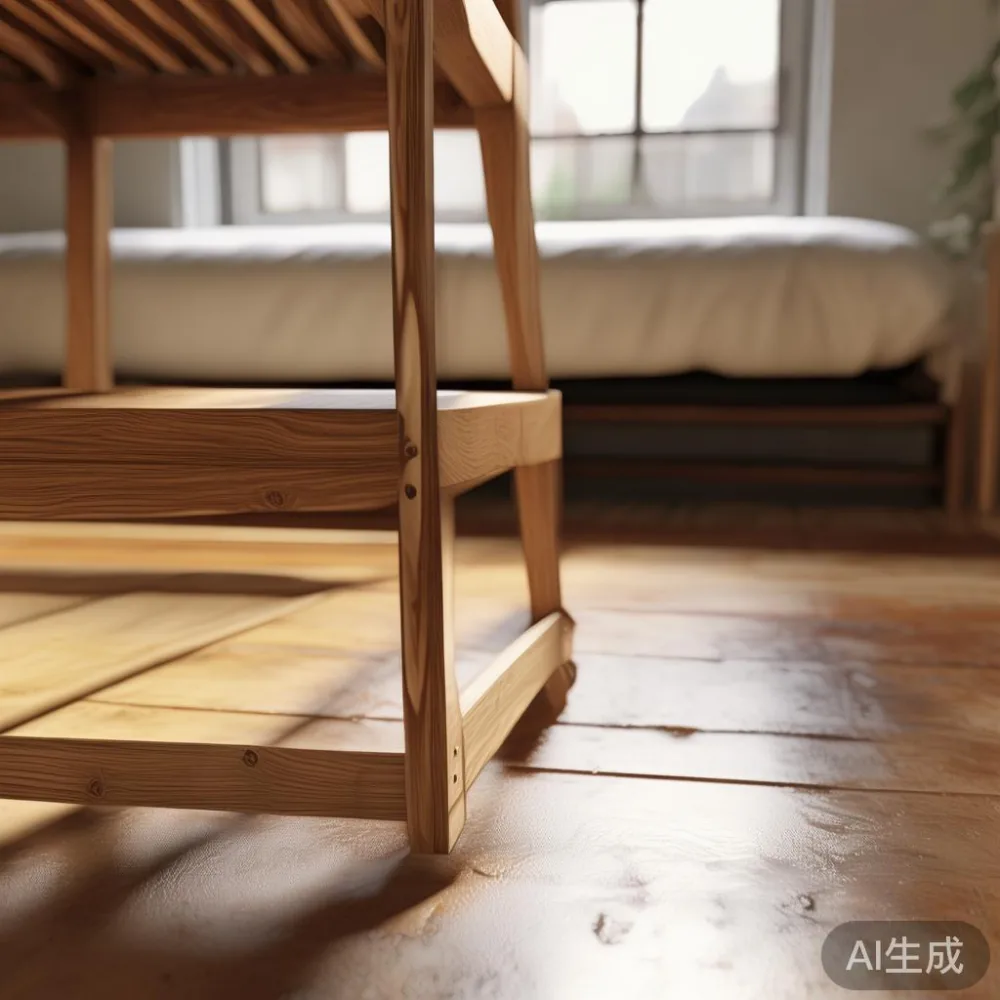
The issue is not that solid wood is unsuitable for Singapore. It simply needs sensible selection, protection and care. Humidity can raise the moisture content of timber, causing expansion, swelling, joint movement and occasional mould if moisture remains trapped against a floor or wall. Air-conditioning can then pull that moisture back out, creating a repeated cycle of expansion and contraction.
This guide explains how humidity affects outdoor patio furniture and indoor solid wood pieces, what dimensions and materials matter in local homes, and how to build a maintenance routine that suits Singapore conditions.
Why Singapore humidity changes solid wood furniture
Singapore’s average relative humidity is commonly around 65–80%, with rainy periods and overnight readings sometimes exceeding 85%. Warm air holds more water vapour, so porous timber such as oak, ash, beech or teak can take on moisture when exposed to humid air. A finished board may lose several millimetres across its width as humidity changes.
For example, a 180 cm solid wood dining table with 4 cm-wide rails might expand by roughly 1–3 mm across its width during a sustained humid period. That amount is usually manageable, but repeated swelling and drying can loosen joints, make drawer runners bind or cause a wardrobe door to sit less squarely. Cracking can occur when one face dries faster than the core, particularly on a wide tabletop exposed to strong air-conditioning airflow.
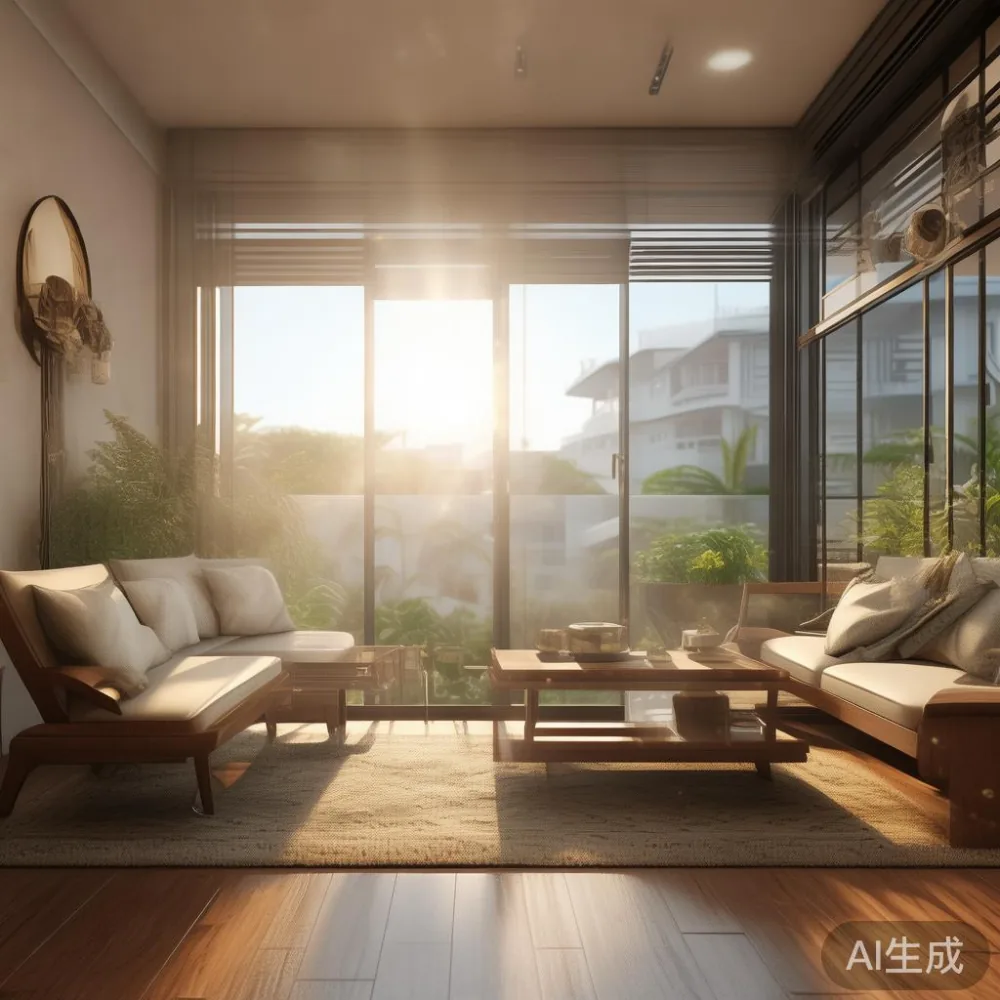
Humidity is only one part of the equation. Direct rain, salt-laden particles near coastal homes, intense sunlight and temperature changes all affect wood. Furniture used on an outdoor patio should therefore be specified for covered use, refined from wet paving and protected by an awning. A product marketed for indoor use should not automatically be placed outdoors.
At MIDHILL, we treat solid wood as a naturally responsive material rather than claiming that it is immune to climate. Clear coat, joinery, timber selection and after-sales guidance all affect how a piece handles Singapore’s moisture cycles.
How much space should you leave around furniture in HDB flats and condos?
Many Singapore residents underestimate the space needed not only for furniture but for airflow. A solid wood sofa against a wall restricts ventilation behind its back and timber frame. A bed frame placed directly beneath an air-conditioning vent may dry unevenly. A wardrobe pushed into a corner without a 5 cm ventilation gap can trap humidity, especially in a compact HDB bedroom.
Useful planning allowances include 5–8 cm behind a wardrobe, 10–15 cm above a bed frame where practical, and 15–30 cm between a dining table and nearby walls to allow chairs to move and permit air circulation. For narrow HDB dining areas, a 140 cm table seats 4 people, while a 160 cm table usually seats 6. Keep at least 90 cm behind each seated diner where possible.
Lift access deserves attention before delivery. A standard HDB lift opening may measure about 90 cm wide and 210 cm high, while a dining table top of 180 × 90 cm will often fit diagonally. A 200 × 100 cm solid wood dining table is less predictable and may require the corridor or staircase route. Check the lift’s posted dimensions and the number of turns from the service lobby.
For balcony or outdoor patio access, measure door leaves, sliding panels and thresholds. A 75 cm-wide patio door may be too narrow for a 90 cm-wide nightstand unless it can be tilted safely. Large pieces should be measured in their packaging rather than relying on showroom dimensions alone.
Before ordering, photograph the lift, landing and route. If delivery cannot reach the intended room on the promised day, record the limitation in writing. A supplier that asks for access details in advance can suggest a safer delivery plan.
Which wood furniture pieces face the greatest humidity risk?
Long horizontal surfaces are particularly responsive because they have more exposed area than vertical panels. A dining table may show edge movement sooner than a solid wood sofa. A bed frame can develop minor squeaks if its rails and slats change dimension. A nightstand may stick if its drawers are tight in humid conditions, and a wardrobe may show movement around doors or veneer panels.
That does not mean these products must be replaced with metal or plastic. It means the finish, construction and placement should suit the room. For a dining table near an open balcony, choose a durable top coating, avoid standing water and wipe spills immediately. For a wardrobe beside an external wall, leave space at the back and inspect the skirting periodically. For a bed frame under a vent, redirect the louvre where feasible.
One useful comparison is French sofa vs Modern sofa: a French-style solid wood sofa may use carved legs and a more traditional frame, while a modern sofa may have cleaner lines and a different internal support system. Neither frame design determines humidity performance by itself. Look instead at solid timber connections, finish coverage and airflow around the base.
For bedroom planning, European light luxury bed vs Italian light luxury bed is partly a question of construction and proportions rather than a climatic guarantee. European light luxury commonly emphasises restrained profiles and visible timber; Italian light luxury may introduce more sculpted forms, leather accents or decorative detailing. Check that all major structural components are solid wood where the product description says so, and confirm the slat spacing and centre support included.
A nordic light luxury sofa suits many compact Singapore interiors because its visual footprint appears light, but actual dimensions still matter. Check the seat height, arm width and route through the lift. A model described as 210 cm wide may need extra turning space in a 200 cm corridor.
Can an outdoor patio set really be used in Singapore?
Outdoor patio furniture needs a clear answer about where it may be placed and for how long. Teak is a common choice because it contains natural oils and performs well in humid environments, but oil alone does not make every component weatherproof. Stainless steel fasteners, water-resistant joints, drainage and a protective cover all contribute to service life.
For a residential balcony, place an outdoor patio dining set on a stable, level surface with at least 3 cm of clearance beneath legs or use purpose-built protective pads. Avoid direct contact with puddles, planter trays and damp walls. If the balcony receives no direct rain, furniture designed for covered outdoor use may be more practical than a heavier set intended for fully exposed gardens.
Do not drag pieces across tiles. Lift them when moving, especially for teak dining tables weighing 45–80 kg and patio sofas weighing 40–70 kg. Carry smaller nightstands of 8–15 kg with two people if handles do not provide secure control.
Use a cover with a breathable or UV-resistant material, but do not seal a soaking table under a vinyl cover for several hours. Trapped moisture encourages mould. Wipe surfaces after rain, renew a suitable outdoor finish every 6–12 months, and tighten fasteners if seasonal movement creates looseness.
When comparing an outdoor patio table with a marble table, consider weight and maintenance as well as appearance. A 140 cm solid wood dining table may weigh 35–55 kg, while a marble-topped dining table can weigh 70–120 kg. Marble offers a cool, stone surface but requires careful handling and structural support. Outdoor patio users generally gain more practical value from correctly specified timber and corrosion-resistant fittings.
Should solid wood furniture be brought into an air-conditioned Singapore home?
Yes, with an acclimation routine. Newly delivered furniture may have adapted to a warehouse, workshop or delivery vehicle environment. When it enters a room held near 22–26°C and 50–60% relative humidity, its moisture content can fall. Avoid aggressive heating and point an air-conditioner directly at a fresh tabletop for the first 1–2 weeks.
Measure rather than guess. A low-cost hygrometer placed beside the furniture can show whether a room remains stable. Aim for roughly 40–65% relative humidity indoors where possible, with no rapid changes from one week to the next. Singapore homes often vary more because doors are opened to humid corridors, wet laundry is air-dried indoors and an air-conditioner runs mainly at night.
Use a dehumidifier in persistently damp rooms. A model rated for 15–25 L/day can help maintain a comfortable range in a compact bedroom, though actual capacity depends on room size, temperature and airflow. Place it 20–30 cm from walls and leave space for intake and outlet. Empty the tank as directed and clean the filter every 1–2 months to prevent dust and microbial growth.
For interior styling, Italian light luxury for apartment can pair a solid wood bed frame with a slim wardrobe and a light-toned dining table. Keep palettes breathable and avoid placing every piece against external walls. The aim is not to remove all wood from a humid apartment, but to control exposure and maintain reasonable spacing.
Is European light luxury wardrobe worth it for a humid Singapore bedroom?
For many residents, the answer is yes if the wardrobe has stable construction, proper ventilation and a finish suited to local conditions. European light luxury styling often relies on pale timber, clean lines and restrained hardware, which can make an HDB bedroom feel less crowded. The evaluation should still focus on function: drawer or hanging space, internal support, wall fixings, moisture resistance and delivery access.
A freestanding wardrobe gives an installer room to level the unit and inspect the rear wall. A fitted wardrobe can maximise a 3 m-wide bedroom recess but may restrict airflow if built tightly against a wet external wall. Ask for a 5 cm rear gap where the layout permits and confirm how skirting boards are accommodated. A 210 cm-high wardrobe may be easier to ventilate than a 240 cm unit in a compact condo bedroom.
The same thinking applies to a European light luxury coffee table. A 110 cm round model may fit a 220 cm living room comfortably and soften the visual centre, but humidity protection still depends on the finish. Avoid placing it against a sliding patio door where rainwater may be carried indoors. A round edge also reduces the impact of slight seasonal movement compared with a tightly fitted rectangular recess.
Ask the supplier for finish-care instructions and a written warranty. MIDHILL provides a 10-year structural warranty and lifetime refinishing, which gives long-term owners a route for restoring surfaces. Confirm what refinishing covers, how to request service and whether the marble table components, if purchased, are treated separately.
How should you clean and protect wood in Singapore?
Begin with simple habits. Dust with a soft microfibre cloth, clean spills within 10–15 minutes and avoid steam mops or excess water around solid wood dining tables, bed frames and nightstands. For routine cleaning, use a lightly damp cloth with mild pH-neutral soap, then dry the surface immediately. Do not use bleach, ammonia, abrasive pads or silicone-heavy furniture sprays unless the finish manufacturer confirms compatibility.
Coasters and trivets matter. Put a 35–40 cm round coaster under a cold drink and a heat-resistant pad under a hot vessel. Keep plants in watertight saucers. If a vase leaks, remove it rather than allowing a ring to form over 24–48 hours.
Inspect twice each year. Look for condensation, mould around joints, loose screws, sticking drawers and pale areas where the finish has worn. Re-oil or renew a compatible protective coating according to the product instructions, often every 12–24 months indoors and every 6–12 months for covered outdoor patio furniture. Exact intervals depend on exposure, timber and finish.
Condition ventilation with the room rather than against it. If condensation forms on a nearby window, address that first. Leave 5–8 cm behind freestanding furniture where possible, keep patio doors closed during very heavy rain and run the air-conditioner or dehumidifier to bring humidity down gradually.
What should you check before ordering and delivery?
Build a room-specific checklist before paying a deposit. Record the finished dimensions, weight, timber species, finish type, warranty period and delivery estimate. For a solid wood sofa, check whether the frame is solid timber and whether the seat cushions are removable. For a bed frame, list the included slats, centre supports and fixings. For a dining table, confirm extension leaves, apron clearance and tabletop thickness. For a wardrobe, measure the recess, skirting and door swing. For a nightstand, confirm drawer travel and cable openings.
Singapore prices should be shown clearly in SGD, with any GST treatment explained rather than hidden in the final total. If a deposit is required, confirm the refund terms in writing. MIDHILL offers free delivery over US$350 under its published shipping terms, although the currency differs from the local pricing used here; Singapore residents should still request a confirmed SGD quotation that identifies GST and delivery dates.
Check the return policy as well. MIDHILL allows returns within 14 days, subject to the stated conditions, so inspect packaging and product condition on arrival. Photograph the furniture before assembly, note any damage and keep the receipt. Typical delivery takes 7–14 days after production, but timber finishing, remote routes and peak periods can extend the schedule to 15–21 days. Ask for a written estimate rather than relying on a general dispatch range.
Access planning is equally important. Record lift width, lift depth, door height, corridor turns and whether the building requires a loading-bay booking. A 180 cm dining table may fit through a 90 cm lift opening diagonally, but a 240 cm wardrobe cannot always be tilted safely. Professional movers may be needed for units above 70 kg or around corners that exceed 180 degrees.
For local advice, contact MIDHILL at midhillco@gmail.com with room measurements, photographs of the access route and the intended placement of the piece. That information allows a more useful recommendation than a product name alone.
How can light-luxury furniture live comfortably in a humid climate?
Light luxury is not a construction standard. French light luxury, American light luxury and post-modern light luxury can all suit Singapore interiors, but visual language should be paired with practical specifications. The strongest combination is solid timber where appropriate, durable joinery, a moisture-aware finish, sensible ventilation and a restrained colour palette.
A solid wood sofa with removable cushions can work in a Tampines living room if it is kept 10 cm from the wall and away from a wet-balcony entrance. A dining table in Bedok may suit a covered outdoor patio arrangement if the finish is rated for that exposure. A bed frame in Punggol should avoid a direct vent, and a wardrobe can sit on adjustable feet in a newer condo where an external wall remains cool and dry.
Humidity control protects appearance, movement and long-term usability, but no timber product should remain wet. Wipe patio furniture after rain, allow surfaces to dry, maintain airflow indoors and check finishes every 6 months. With those measures, solid wood remains a practical and enduring choice for Singapore homes—even when the design carries the lightness of French or Scandinavian-inspired interiors.
MIDHILL product enquiries: midhillco@gmail.com