Small HDB and Condo Living, Styled with Less Furniture and More Space
A compact home does not have to feel cramped. In many Singapore HDB flats and condos around Tampines, Bedok, and Punggol, the difference between a calm interior and a crowded one is usually a few centimetres of clearance, a sensible sightline, and furniture scaled to the room rather than the showroom. The goal is not to fill every wall. It is to make daily movement easier while preserving the warm character that comes from solid wood.
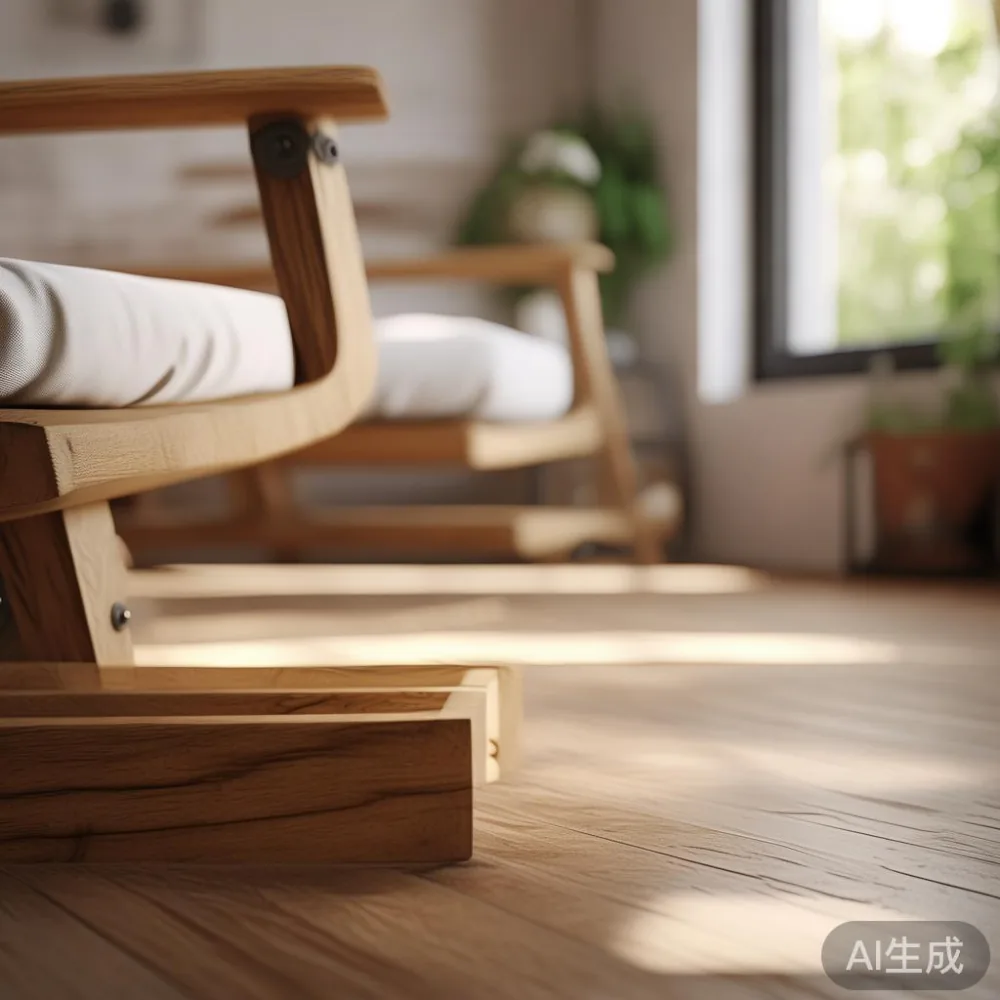
Singapore residents should also account for practical realities: a narrow lift lobby, a corridor that may be only 90 cm wide, warm equatorial light, and the need to move purchases through shared spaces without damaging common areas. Delivery planning matters, but so does visual planning. A 180 cm sofa may technically fit a 3.8 m living room and still make it look much smaller if it has bulky arms, a high back, or a dark finish.
This guide explains how to style a small apartment with fewer, better-proportioned pieces. It includes outdoor patio considerations for apartments with a balcony or shared recreational deck, plus guidance on choosing a solid wood sofa, bed frame, dining table, wardrobe, nightstand, and occasional marble table without allowing the rooms to lose breathing space.
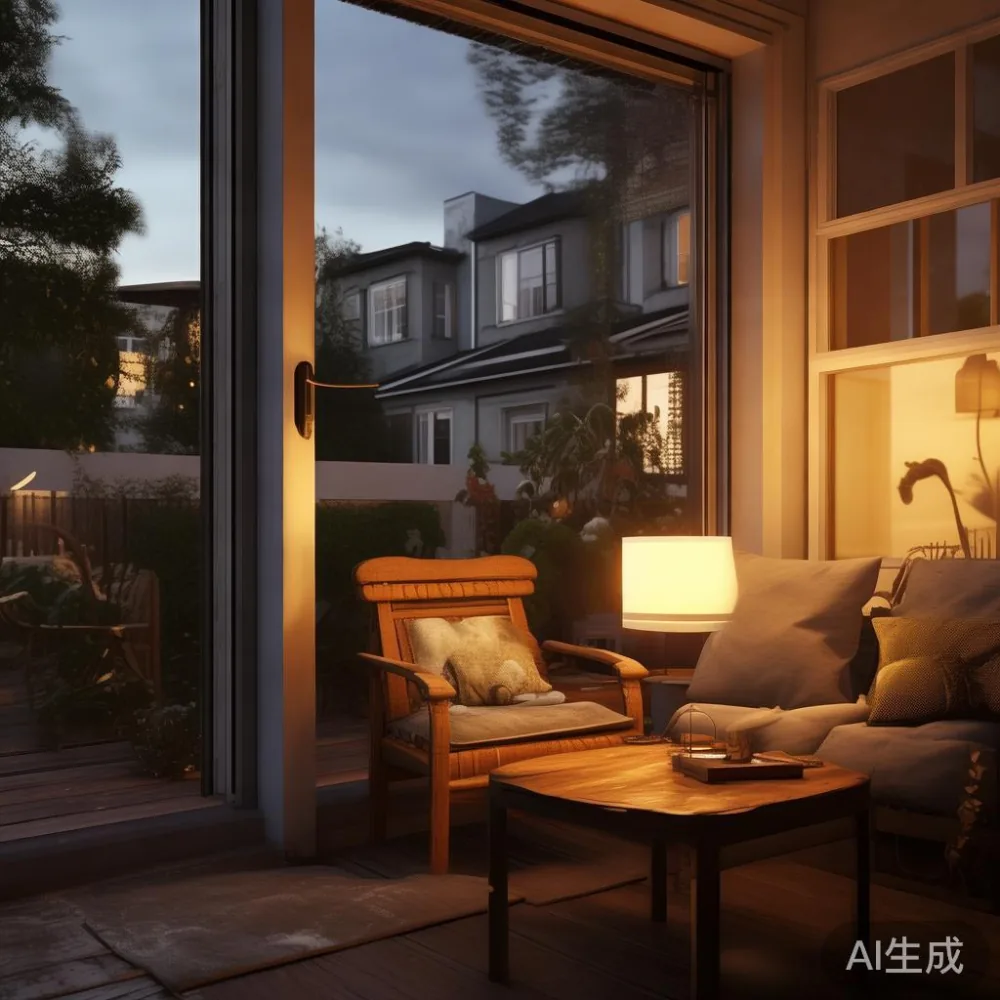
How do I make a small apartment feel less crowded?
Start with the dimensions you actually have. Measure the living room from wall to wall, note the position of doors and air-conditioning vents, and photograph the room from the doorway with your phone. Record the clear width in front of each seat, the distance between the dining table and nearby walls, and the usable length of the balcony. These numbers prevent a common mistake: buying attractive furniture that blocks a corridor or makes a compact room feel visually compressed.
As a rule, allow 75–90 cm for a main passage, 45–60 cm between a sofa and coffee table, and at least 60 cm beside a dining chair when it is pulled out. A solid wood sofa with a depth of 88–95 cm and slim arms can look more generous than a deeper model with thick cushions. Keep the lower profile below the window line where possible, and use one large artwork or a pair of vertically aligned frames rather than a cluster of small pieces.
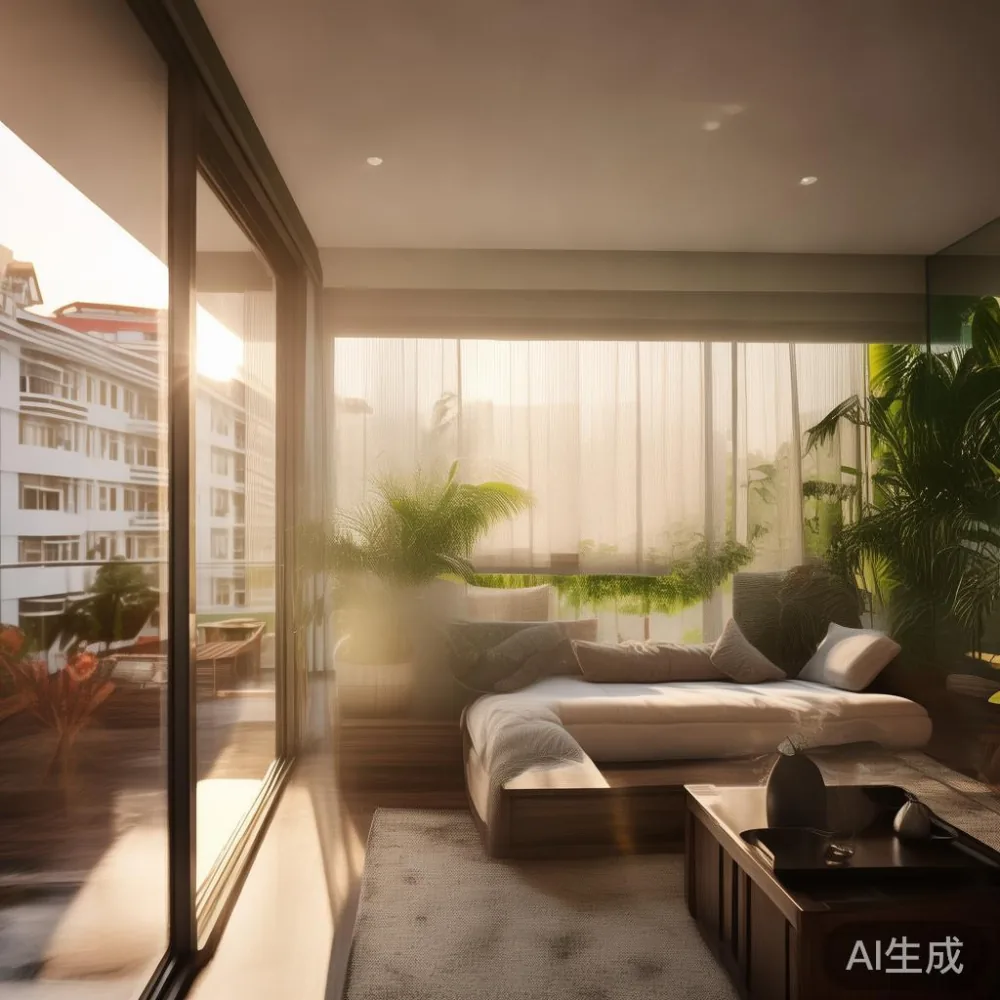
Light colours help because they reflect daylight, but pale furniture should still have enough grain and warmth to feel substantial. French provincial styling can suit a compact flat when adapted with restrained proportions, straight legs, and pale oak or ash. Rather than copying a full country-style room, borrow one or two details: shaped edges on a TV console, a modest upholstered seat, or antique-style hardware used sparingly.
My colleague in Bedok tested this approach in a 34 m² two-bedroom HDB flat last month. She replaced a bulky 210 cm sofa with a 168 cm solid wood sofa, added a 100 cm round dining table, and moved a narrow display shelf to the balcony. The perceived width improved immediately because the route from the front door to the kitchen became visibly shorter. The sofa also gave her two people comfortable seating without consuming the entire wall.
For anyone researching French for small living room ideas, the useful principle is contrast rather than decoration. Pair curves with straight lines, pale upholstery with warm wood, and an open floor area with one substantial object. Density then becomes intentional instead of accidental.
Which furniture should be selected first in a small Singapore home?
Choose the largest daily-use pieces first, since they determine circulation. In many Tampines and Punggol HDB layouts, the sofa and dining table influence everything else. Bed frames, wardrobes, and nightstands come next, while occasional pieces such as a marble table should be selected only after the important footprint is settled.
For a living room measuring 3.2–3.8 m across, consider a solid wood sofa between 160 and 185 cm wide. A three-seat model around 190 cm can work if the opposite wall is clear and the base is visually slim. A rounded design softens the geometry of a rectangular room, while a low back preserves light near a window. If the television sits opposite the sofa, keep the coffee table under 100 cm long or use a 45 cm nesting pair with 35 cm side tables that can be moved away when guests arrive.
A dining table of 100–120 cm diameter is practical for a family of three or four in many condo apartments. It should sit at least 75 cm from a wall or fixed obstruction so chairs can be removed without scraping the plaster. A 140 × 80 cm rectangular table may suit a narrow dining zone better, particularly when one end is positioned beside a kitchen counter. Leave 90 cm between the table edge and a nearby cabinet when serving space is needed.
Wardrobes should be planned around doors, sliding panels, and the bedroom's actual clear width. A sliding-door wardrobe loses less floor area than hinged doors because the panels do not need swing space. Its depth can range from 55 to 60 cm, and a 120–150 cm wide module may suit a typical compact bedroom. Bed frames around 160 × 200 cm often pair well with 40 cm nightstands, while narrower 35 cm versions work beside a 90 cm frame.
These are examples rather than fixed answers. The European bed vs Nordic bed decision is less about national style than storage and clearance. European-style frames often offer richer detailing and upholstered or carved headboards; Nordic lines tend to emphasise pale timber, clean geometry, and visual lightness. In a small bedroom, that lightness can be useful, provided the material remains sturdy and the mattress does not overwhelm the frame.
How can I choose a solid wood sofa that suits HDB and condo living?
Measure twice and compare the sofa with the television console, coffee table, and walkway. A solid wood sofa should feel connected to the architecture, not like a heavy island in the middle of the room. Look for exposed grain, a stable frame, and supportive seat construction rather than selecting solely by appearance. Request dimensions in centimetres and confirm that the listed width includes the arms.
The American sofa vs Nordic sofa comparison offers a useful framework for this choice. American light luxury commonly references deep seating, generous proportions, and a relaxed appearance; Nordic seating generally uses lighter outlines, restrained upholstery, and functional simplicity. A compact apartment rarely needs the full scale of a large American silhouette. A Nordic-influenced solid wood sofa with a 160–180 cm width and 38–42 cm seat depth may create a more open effect.
For visual balance, coordinate the sofa with one other wooden element, but avoid matching every piece into a uniform set. A light oak sofa frame can pair with a darker walnut dining table and a pale marble table. The variation makes each object legible and can prevent a small room from looking visually busy.
Leave 40–50 cm between the sofa arm and a side table, and keep the coffee table 40–45 cm from the sofa edge. These gaps allow someone to pass without turning sideways. Check that the sofa does not obstruct a window, a corridor, or the main air-conditioning airflow. Solid timber can respond differently to Singapore humidity than engineered panels, so good finishing and careful care matter.
Online research for cheap European light luxury furniture often focuses on price, yet the more useful terms are proportion, joinery, finish, and delivery access. A lower-priced large sofa is not economical if it leaves only 55 cm of circulation. A correctly sized piece can serve the room for many years and make the rest of the layout easier.
What should I do before ordering furniture for a Singapore HDB flat?
Check the route before the order is packed. HDB blocks may have stairs, narrow turns, or waiting areas near the lift. Measure the lift door and the internal lift dimensions, then inspect the lift notice for renovation restrictions. In many older blocks, a large furniture delivery may need to be split into two sections or carried by a team through a staircase. In newer condos, loading bays may require a booking, and the service lift may have a limited permitted load.
A corridor width of 90 cm can accept many compact pieces, but a 60 cm deep wardrobe or sofa still needs careful turning. The building manager may require protective floor coverings, delivery hours, and a move-in form. Do not assume that free delivery includes unpacking, assembly, or carrying the item above the ground floor. Ask for a written quotation that lists these services in SGD.
Allow approximately 7–14 delivery days for an in-stock Singapore order, while a made-to-order piece may require 4–8 weeks. Add 2–3 days for access arrangements if the building requires a booking. Check the return window before purchase; many sellers offer 14 days for eligible items, although customised dimensions or finish changes may be excluded.
MIDHILL provides a 10-year structural warranty and lifetime refinishing on qualifying solid wood furniture, which can be useful for long-term ownership. Buyers should still confirm the product-specific terms, especially for outdoor patio items exposed to rain and humidity. Singapore's 9% GST should appear clearly on the final quotation, along with delivery charges and any installation fees.
Can outdoor patio furniture make a small balcony feel more spacious?
Yes, if the balcony is treated as a compact room rather than a storage area. Outdoor patio furniture should be scaled to the actual clear dimensions, leaving a route to the laundry, drying rack, and exit. A 70–80 cm folding chair with an armless or slim profile works better than a deep lounge chair when the balcony is only 1.2 m wide. For a 1.5 × 3 m balcony, one 80 cm bistro table and two 45 cm chairs may be more comfortable than a full dining set.
Choose materials that can tolerate damp conditions and intense sunlight. Teak, aluminium, and suitable coated finishes are common choices for outdoor patio settings. A teak bench can act as a small shoe or storage station, but it should not narrow the main passage below 60 cm. Vertical planting along the railing can soften the edge without taking up floor area, while a retractable awning can provide shade and reduce heat on the balcony wall.
Do not place indoor-only upholstery on an uncovered balcony. If rain reaches the furniture, use quick-dry cushions and covers. Wipe standing water away, keep timber off wet tiles where possible, and follow the supplier's maintenance guidance. Outdoor patio furniture has a different exposure profile from indoor furniture, so warranty and refinishing terms should be checked separately.
A balcony can also improve the apartment's visual balance by extending the living area outdoors. Keep the indoor palette visible from the balcony door, and repeat one colour, such as muted green or warm beige, inside and out. This creates continuity rather than adding another contrasting zone to a small home.
How do I use a TV console, sideboard, and marble table without cluttering the room?
Choose low, shallow storage with closed fronts. A TV console around 150–180 cm wide and 35–40 cm deep may suit a compact living room, provided it is not wider than the sofa or sofa-plus-small-gap. Wall-mounted options can reduce visual weight, although brackets must be fixed into suitable masonry rather than plasterboard alone.
If you prefer decorative storage, an Italian light luxury sideboard can bring carved edges, stone details, and a more formal character. Keep its dimensions disciplined: roughly 120–160 cm wide and no more than 40 cm deep. Its visual richness already has a strong presence, so it needs fewer accessories on top. One lamp, one framed print, or a small plant is enough.
For occasional surfaces, a marble table can add brightness and luxury with less furniture than a traditional wooden coffee table. A 70–90 cm round top is easy to move and can create a clear walking route when needed. Marble is heavy, so confirm the product weight and have the delivery team place it rather than trying to reposition it alone. If children use the room, rounded edges and stable construction deserve priority over thin stone profiles.
Close storage also reduces visible clutter. Use trays or boxes for remotes, chargers, and small objects, and remove anything not used weekly. A console with 2 drawers and 1 open shelf is often easier to manage than several separate display units. This restrained approach reflects French light luxury more convincingly than a crowded arrangement of decorative pieces.
How can I make a bedroom feel calm and spacious?
Begin with the bed, which occupies more floor area than any other bedroom item. Choose a bed frame that fits the mattress rather than buying the mattress first and forcing it into an oversized frame. A 150 × 200 cm mattress may work with a frame measuring 157–165 cm wide, depending on the design. This avoids losing 10–15 cm of usable space on each side unnecessarily.
Compare European bed vs Nordic bed profiles with the amount of storage you need. A European-style bed can create a more decorative focal point through an upholstered headboard, turned legs, or panelled details. A Nordic-style frame generally reads cleaner and leaves more visual space around the mattress. For a compact room with a narrow window, the simpler silhouette may work better; for a larger bedroom with a suitable wall, a shaped frame can add character.
Use nightstands no deeper than 35–40 cm, and keep 55–65 cm of space between them where possible. A wall-mounted shelf or 20–25 cm floating bedside table can work in a tight HDB bedroom. Wardrobe doors should not open into the bed, and bedside lighting should be reachable from a seated position. Mirror the bed on the wall opposite the wardrobe only if it does not create a harsh reflection at night.
Keep the top of the nightstand simple: a lamp, a book, and a charging point. A small tray can contain daily items, while concealed cable boxes reduce loose wires. The same principle applies throughout the apartment: provide storage for the objects that would otherwise gather on every horizontal surface.
What colours, lighting, and styling details suit a small Singapore apartment?
Use a base of warm white, pale beige, soft grey, and light natural wood, then introduce one or two darker accents in controlled quantities. Deep charcoal or forest green can make a pale room feel grounded, but large dark objects should be positioned against a solid wall rather than floating in a narrow circulation zone. Outdoor patio colours can follow the same restraint, with durable textiles in sand, olive, or charcoal.
Lighting should create layers without requiring many floor-standing pieces. A ceiling light can provide general illumination, while a 35–45 cm table lamp on a console or nightstand handles softer evening light. Wall sconces beside the bed may replace bedside tables entirely, but their installation must suit the wall structure. Choose warm light around 2700–3000 Kelvin for a residential feel.
Hang the curtain rod close to the ceiling and extend it 15–25 cm beyond the window where possible. This improves apparent height and lets the fabric stack more neatly. Keep rugs within the seating area rather than buying a very large rug that overwhelms the floor. In a 3 × 4 m living room, an approximately 160 × 230 cm rug can sit under the front legs of a sofa without making the room feel divided.
Finally, limit collections. Three frames, two ceramics, and one plant can look intentional; ten small decorative objects can make a compact apartment feel crowded. Edit the surfaces from a distance of 2 m. If an object does not earn its place or create useful storage, remove it. Negative space is not unused space—it is what allows the solid wood, proportions, and craftsmanship to remain visible.
What final checks should I make before delivery day?
Make a simple checklist of the room width, doorway width, lift limits, corridor turns, and the selected furniture's packed dimensions. Confirm whether the item can be assembled outside the unit. Photograph the lift and corridor before delivery, and note any existing marks so there is no misunderstanding later. Ask the delivery team to cover the route if the building requires it.
Check the final SGD invoice, including the 9% GST, delivery fee, assembly, and any access charges. Review the 14-day return conditions, finish specifications, care instructions, and the applicable 10-year structural warranty. For qualifying solid wood furniture, MIDHILL's lifetime refinishing service can support long-term maintenance, though the exact inclusions should be confirmed in writing.
The most successful small apartment is not the one with the most coordinated pieces. It is the one where each piece fits, every route feels usable, and a little visual quiet remains. Accurate measurements, restrained styling, and solid furniture chosen for its proportions can make a compact HDB flat or condo feel open, warm, and comfortable for years rather than months.