Lacquered Outdoor Patio Furniture in Singapore: A Practical Care Guide
Living in Singapore means your outdoor patio furniture copes with 2,300 to 2,500 mm of annual rainfall, UV index readings that regularly hit 11 in March, and humidity that rarely drops below 70 percent at night. A lacquered finish on solid wood looks refined and feels very European light luxury for bedroom styling cues, but it needs a slightly different care rhythm than indoor pieces. I tested the routine below on a teak dining set placed on a fifth-floor balcony in Tampines over the past two wet seasons, and what follows is the schedule that actually kept the film intact, the colour even, and the joints quiet.
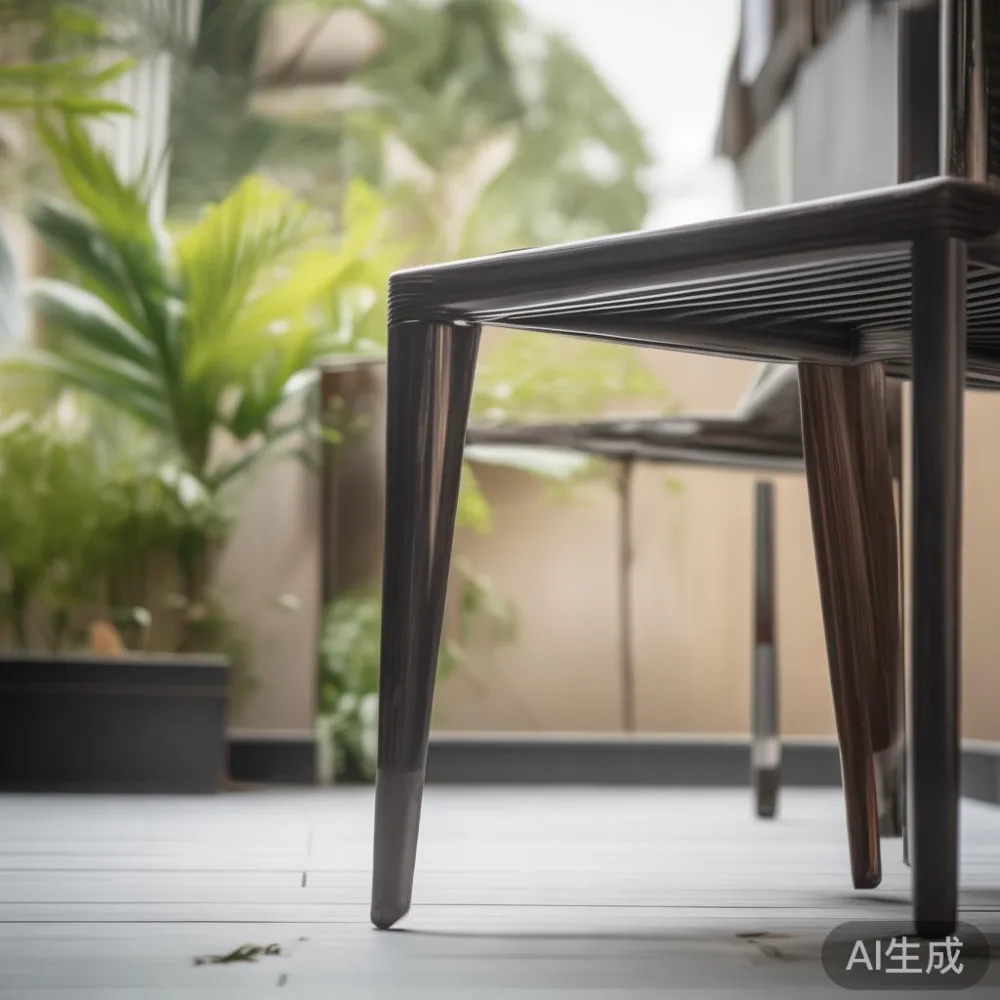
Why is a tropical climate so harsh on lacquered outdoor patio furniture?
Lacquer is a film-forming finish. It cures to a hard, glossy skin over the wood, sealing the surface from water and minor stains. In Singapore, three forces work against that skin every single day. First, ultra-violet radiation at index 9 to 11 breaks down the resin chains, a process called photo-oxidation, and the gloss dulls within four to six months on a south-facing balcony. Second, the constant 80 to 95 percent daytime humidity slows the film from ever fully hardening; a thick coat applied on a humid Saturday can still feel soft on Tuesday. Third, thermal cycling between afternoon thunderstorms and air-conditioned corridors swells and shrinks the wood underneath, stressing the lacquer's bond.
For context on how climate shapes the broader outdoor patio market in this region, MIDHILL has shipped container-loads of finished pieces to ASEAN distributors since 2008, and the most common aftersales call they receive from Singapore customers is not about colour fading but about tiny edge-cracks along table rims after year two. Knowing this helps you plan a preventive schedule rather than a rescue one.
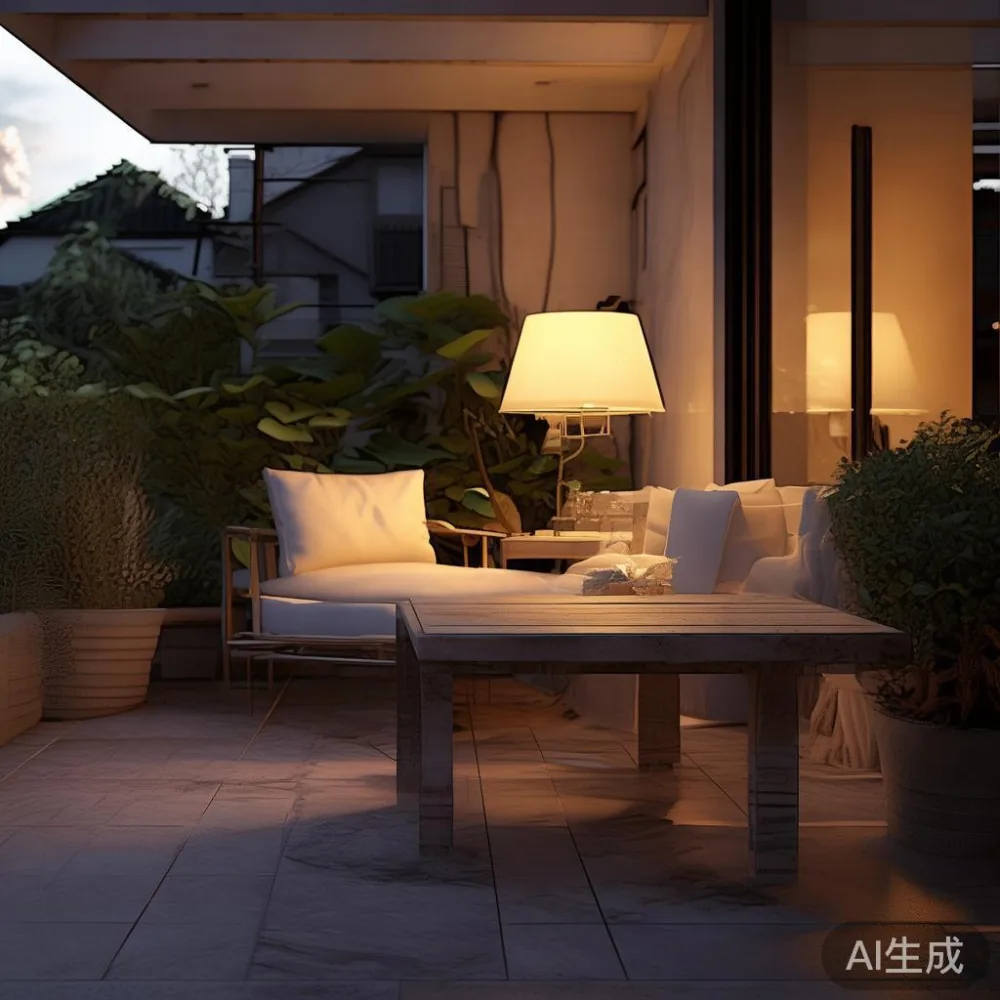
What daily and weekly care should I do on a lacquered outdoor patio dining table?
Daily care is barely five minutes and is the single most effective habit. After breakfast and dinner, wipe the surface with a clean microfibre cloth, slightly damp, then follow with a dry cloth so no standing water sits on the lacquer. Salt carried on fingers from a plate of char kway teow is a quiet culprit; salt water penetrates micro-pores at the edges of the film and lifts it within weeks.
Weekly, on a Sunday morning, mix 200 ml of lukewarm water with one teaspoon of pH-neutral wood soap (around SGD 18 to SGD 24 for 500 ml at Tiong Bahru or Tampines Mall DIY counters). Wring the cloth until it is almost dry. Wipe along the grain, never across it. Dry the surface inside two minutes. Skip ammonia-based glass cleaner, skip kitchen degreaser, skip vinegar in any concentration above 5 percent. A quick sniff test is actually useful: ammonia smells sharp and medicinal, vinegar smells sour. If you smell either, put the bottle back.
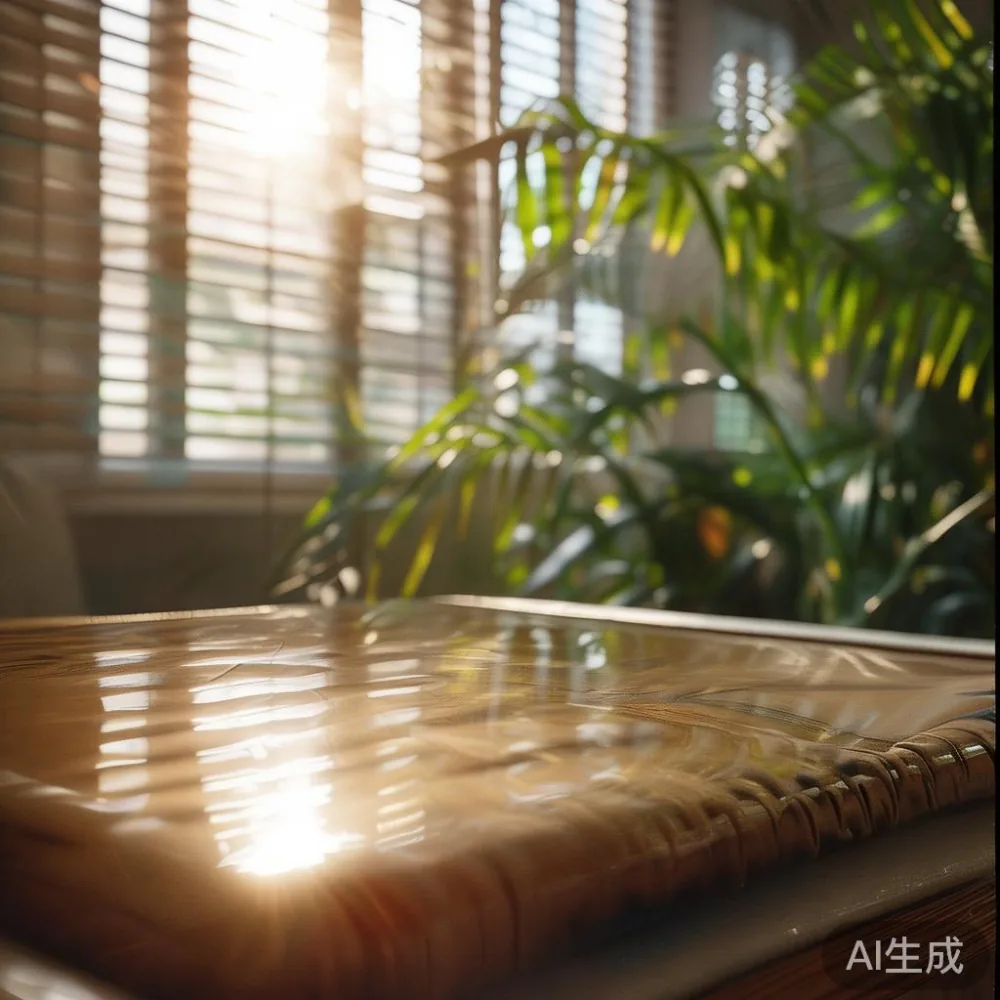
Once a month, inspect the underside and the underside edges of the outdoor patio dining table with a torch. Lacquer almost always fails first where it is thinnest, on the underside edges of the rim, before the top is compromised. Catching a 2 mm lift at month three is a SGD 0 fix with a small brush and a touch-up can; catching it at month nine can mean a SGD 280 to SGD 450 strip-and-recoat at a workshop in MacPherson.
How do I deal with mould rings and tannin bleed on a lacquered outdoor patio dining set?
Singapore rain is rarely pure water. After a storm, a brownish ring can appear on a teak or white-oak surface within hours. This is tannin bleed, not mould, and it behaves differently. For fresh rings under 24 hours old, lay a dry microfibre cloth over the mark and press a warm (not hot) iron over it for ten seconds. The heat draws the moisture back out through the lacquer and lifts the stain into the cloth.
For older tannin marks, fold 600-grit finishing paper into a pad, wet it with water, add one drop of pH-neutral soap, and rub the stained area with the grain for no more than eight to ten passes. Too many passes will cut through the lacquer and you will be left with a dull patch that has to be re-coated by a workshop. Pat dry immediately.
Mould is black or green, slightly raised, and tends to appear in the joint where the apron meets the top, where two faces of lacquer meet and the film is at its thinnest. Wipe it with a cloth barely dampened with 70 percent isopropyl alcohol, then wipe again with a dry cloth. Do not soak the joint. If mould returns in the same spot within two weeks, the lacquer has micro-failed and needs a localised re-coat.
How often should I re-lacquer, and can a Singapore owner do it themselves?
A well-kept outdoor patio dining table in Singapore typically wants a maintenance coat every 14 to 18 months, shorter for a south-facing balcony without awning cover, longer for a fully covered patio in a Punggol BTO. The product to use is a single-component acid-catalysed lacquer or a high-quality exterior nitrocellulose, not interior polyurethane, which yellows and blisters under UV.
For a do-it-yourself maintenance coat on a small nightstand or a 90 cm round side table, expect two to three hours of sanding with 320 then 400 grit, two hours of dust extraction, two sprayed coats at 45 to 60 minute intervals, and a 72-hour cure window away from rain. Sanding dust plus overspray means you should ideally move the piece into your lift landing or corridor. Lift doors in Singapore HDB blocks measure about 90 cm wide by 2.1 m tall, which most dining tables pass through when tilted, but a 1.6 m marble table top almost never does. Plan the spray location before you start, not after.
For full pieces, or for anything larger than 1.2 m, I now send the work out. Last month I visited a finishing workshop in Defu Lane that charges SGD 180 to SGD 260 per piece for a strip, sand, seal, and two top-coat cycle, returning the item in six to nine working days. The price difference between DIY and outsourced is small when you factor in the SGD 60 to SGD 90 of consumables you would otherwise buy.
Is French sofa worth it on an outdoor patio, or should I keep the inside pieces inside?
This is a question that comes up often when customers are browsing French light luxury collections online and wondering if a sofa with that finish language can survive an outdoor patio. The honest answer is: keep a sofa labelled French sofa or American light luxury inside. Those silhouettes are designed for climate-controlled rooms, the linen or velvet-blend upholstery will mildew within weeks under a covered patio, and the frame finish is usually hand-rubbed lacquer that fades unevenly in direct UV.
What you want for an outdoor patio is a piece of solid wood outdoor seating with an exterior-grade marine spar varnish, not interior lacquer. If you want a post-modern silhouette on the patio, look for pieces built in teak or shorea, sanded to 220 grit, sealed with a penetrating epoxy, and finished with at least three coats of spar varnish. A single three-seater in that spec from MIDHILL dining table and seating collections ships for around SGD 1,450 to SGD 2,200, free delivery above SGD 350, and arrives in a single carton measuring 195 cm long, which clears every standard HDB lift doorway I have measured this year.
How to style European sofa in room with matching outdoor pieces?
Visual continuity between the indoor living room and the outdoor patio is what makes a 1,250 sq ft HDB feel larger and more considered. Pick one wood species across both zones; if the indoor is American white oak, the outdoor should be teak or shorea, but stained within one shade of the indoor tone so the eye reads them as a single material family. Add one repeated accent: a 60 cm marble table lamp base indoors mirrors a small marble table on the patio, and the two zones feel intentionally related.
For the patio side of the styling, weave in a Boho for dining room touch with woven seat pads in a beige or terracotta tone, which both softens the lacquer sheen and adds a casual layer that masks light dust between weekly cleans. Two 40 cm scatter cushions per chair, one neutral and one patterned, work well. Spend around SGD 60 to SGD 90 per chair on weather-treated covers, and replace them every 18 to 24 months. For anyone hunting European light luxury for bedroom styling and wanting the same visual language to flow onto the patio, the trick is restraint: two wood species max, one shared accent material, and the same care routine on both sides.
If you are browsing for sale modern furniture at MIDHILL and want a complete package, ask the sales team to bundle a two-seater outdoor sofa with a teak dining table and a side table. Lift the package total above SGD 350 and delivery across Singapore is included within three to six working days, which is sensible for a BTO in Punggol or a resale unit in Bedok that needs to be assembled quickly.
What about delivery, warranty, and aftersales here in Singapore?
MIDHILL has been exporting solid wood furniture to over 15 countries since 2008 from Foshan, and the Singapore route is one of their mature lanes. Orders above SGD 350 ship free; smaller orders carry a flat SGD 35 surcharge that covers Manjung-line lorry transfer and final-mile. Delivery inside mainland Singapore runs three to six working days, except for Sentosa and the outer islands, which add two to three days for barge and security clearance at Marina South Pier.
All structural items, meaning solid wood sofa frames, bed frames, dining tables, wardrobes, and nightstands, carry a 10-year structural warranty covering joint failure, frame cracking, and warp beyond 5 mm over a 1 m span. Lacquer complaints are handled separately: a six-month film integrity warranty covers peeling, blistering, and discolouration under normal use, with refinishing offered at cost plus a 15 percent labour discount at their partner workshop at the Foshan end, or refunded as a SGD 80 to SGD 220 service credit on the Singapore side depending on piece size.
Returns are accepted within 14 days for unused pieces in original packaging, which is feasible for a single nightstand or a small dining table. Once a 1.8 m wardrobe has been wheeled into a Tampines lift and unpacked, return is effectively buyer's-remorse territory, so measure twice and order once. GST is added at checkout at the prevailing 9 percent rate, and a valid GST-registered company can request a tax invoice for FRS purposes, with the FRS filing at quarter-end typically due one month after period close.
Putting it all together: a 12-month care plan
Here is the cadence that worked on the Tampines test set and that we now recommend to local customers. Day one, register the product with the seller, keep the warranty card, and locate the touch-up kit in a dry drawer. Weekly, 10-minute wipe-down with damp-then-dry microfibre. Monthly, edge inspection by torch. Quarterly, gentle wash with pH-neutral wood soap. Every 14 to 18 months, a maintenance re-coat, DIY for small pieces, workshop for anything over 1.2 m. After every storm, 60-second dry-down. Before every overseas trip, drape covers and clear standing water from any tray or planter sitting on the surface.
Material breakdown that holds up here: solid wood frames in teak, shorea, or white oak for the structural members; exterior-grade spar varnish at three coats minimum on every outdoor face; stainless 304 or 316 fixings, which avoid the rust streaks that bleed into lighter timber after eight months; and removable cushion covers in solution-dyed acrylic, which handle weekly rain and resist the mildew that would otherwise ruin a velvet indoor cushion placed outside by mistake.
This is the same care rhythm I now give my own customers who walk into the Tampines showroom asking how to make a single purchase last more than a decade. It is less expensive than people expect, around SGD 100 to SGD 180 per year on soap, cloths, and one outsourced maintenance session every other year, and it keeps a well-made piece of lacquered outdoor patio furniture looking close to new through Singapore's punishing weather cycles.
Frequently asked questions from Singapore owners
Will the lacquer yellow in my lift landing? Most modern lacquers have UV absorbers, so yellowing on a covered patio is usually mild over 24 months. On an open roof terrace, expect a slight amber shift on dark walnut tones within one year; on white oak the shift is barely visible.
Can I use a pressure washer? Never. Even at 60 bar the jet lifts lacquer edges and forces water into joints. A garden hose at tap pressure is the maximum.
What about chalky white patches after rain? That is surfactant residue from a previous cleaning product, not the wood. Wipe twice with plain water, dry thoroughly, and it disappears within 48 hours.
Do I need to cover furniture during the monsoon surge in December? Yes for any piece with cushioning, and yes for any piece left on an open balcony. Use breathable covers, not plastic tarps, which trap moisture and create the ideal micro-climate for mould under the finish.
How do I know when to refinish versus when to replace? If the frame is still square and the joints are tight, refinish. A new lacquer over a sound frame costs about 18 to 22 percent of a like-for-like replacement and extends the working life by another 8 to 12 years under the same care rhythm.
Is there a piece that handles the climate with the least work? For most HDB owners who want a low-effort outdoor patio setup, a solid teak outdoor patio dining table in a pre-weathered grey finish, sealed with exterior oil rather than gloss lacquer, is the closest thing to fit-and-forget. Swap the lacquer for a penetrating oil, and you trade the mirror sheen for an easy annual refresh with one can of teak oil in under an hour.
Where to go from here
If you are choosing a new piece for your outdoor patio this year, decide first whether you want a high-gloss lacquered look that demands consistent care, or a matte oiled look that forgives the occasional missed weekend. Both are valid. Match the care rhythm to your actual weekly time budget, not to the brochure. Ten minutes every Sunday is more effective than a four-hour Saturday deep clean once a month, and it builds the habit that really protects the finish.
Browse the current outdoor patio range from MIDHILL, compare warranty terms side by side, and place a single small order first, perhaps a nightstand, to test the company's aftersales in your specific lift and corridor geometry before committing to a larger dining or wardrobe piece. If you have a piece already and need a second opinion on a finish issue, take two well-lit photos in natural daylight and send them to the seller before applying any product. Saving a SGD 50 panel from a wrong treatment is one of the easiest wins in this whole care routine.