The Singaporean Challenge: Caring for Lacquered Outdoor Patio Furniture
Living in Singapore, with its year-round humidity and intense UV exposure, presents a unique set of challenges for maintaining furniture. For those who appreciate the clean lines and reflective beauty of a lacquered finish, especially on an outdoor patio, the environment can feel like a constant test. The high moisture levels in the air, coupled with the direct sun that beats down with a predictable intensity, can cause the finish to haze, peel, or lose its lustre over time. This is a reality many residents of HDB flats in Tampines, condominiums in Bedok, or modern estates in Punggol face. The desire for a sophisticated outdoor living space often clashes with the harsh realities of our climate.
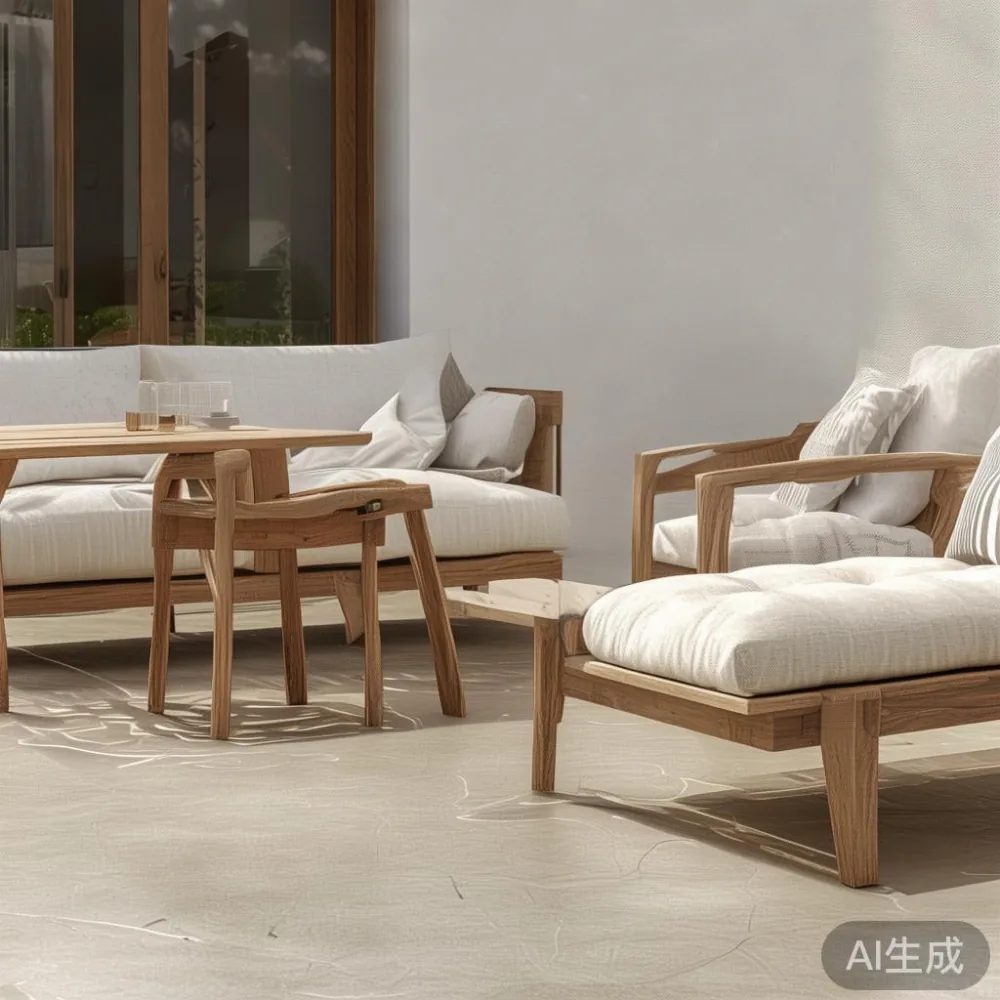
Understanding Your Lacquered Outdoor Patio Surface
Before we discuss care, it's important to understand what a lacquered surface is. Lacquer is a clear, durable coating applied over wood to create a hard, glossy, and protective layer. It's prized for its ability to showcase the natural grain of the wood while providing a high-end, mirror-like finish. This type of finish is common on many light luxury pieces, from a solid wood sofa to a light luxury dining table. The process involves multiple thin layers of lacquer, each sanded and polished to create a deep, flawless surface. While incredibly resilient under normal indoor conditions, this meticulous finish has specific vulnerabilities in a tropical climate like Singapore's, where temperatures average 31°C and humidity often hovers around 80%.
Why Singapore's Humidity and Sun Are a Problem for Lacquer
The primary enemy of lacquer in Singapore is moisture. High humidity can seep into the wood through microscopic pores, especially at the joints or on the underside of furniture where the finish might be thinner. This trapped moisture can cause the wood to swell and contract, putting stress on the rigid lacquer layer. Over time, this stress leads to cracking or, more commonly, a cloudy, white haze known as 'blushing'. This is when moisture gets trapped between the wood and the lacquer, diffusing light and destroying the clarity of the finish.
Equally damaging is the sun's UV radiation. The intense Singaporean sun, particularly between 10 AM and 4 PM, can break down the chemical bonds in the lacquer. This process, known as photo-degradation, causes the finish to become brittle and lose its protective qualities. You'll first notice this as a loss of gloss, where once-reflective surfaces become dull and chalky. If left unchecked, the finish can begin to peel or flake away, exposing the wood underneath to the elements and accelerating its deterioration. A piece of for sale Modern light luxury furniture with a lacquered top can quickly lose its value if not properly shielded.
What Happens When You Neglect Lacquered Outdoor Patio Furniture?
The consequences of neglecting your lacquered outdoor furniture in Singapore are progressive and irreversible if not addressed early. The first sign is usually a loss of shine. A surface that once reflected the sky and greenery of your Punggol balcony will start to look matte and lifeless. This is not just a cosmetic issue; it's an indicator that the protective layer is compromised.
As the damage progresses, you might notice small, hairline cracks forming in the finish. These cracks are entry points for more moisture, leading to deeper problems like wood rot or mould growth. The wood itself can become discoloured, with dark spots or a bleached, uneven appearance where the sun has beaten down on it. Eventually, the lacquer may begin to lift in small chips or larger sheets, leaving the raw wood exposed. At this stage, the piece requires professional refinishing, a service that can cost several hundred Singapore dollars for a solid wood dining table and is far more expensive than preventative maintenance.
How Often Should You Clean and Inspect Your Outdoor Patio?
Consistency is the key to preserving a lacquered finish in our climate. For an outdoor patio piece, a simple wipe-down should be performed every 2-3 days. This frequency helps prevent a buildup of dust, pollen, and other airborne particles that can act as abrasives when combined with moisture. A more thorough cleaning is recommended once a week.
Inspection should be part of your routine. Every 2 weeks, take a few minutes to closely examine the surfaces. Look for the first signs of hazing, tiny cracks, or areas where the gloss has faded. Catching these issues early allows for minor intervention before they become major problems. For example, a small spot of haze might be correctable with a specialized polish, whereas a large, peeling section will require stripping and refinishing. This regular check-in is especially important for furniture placed in direct sun, like a MIDHILL coffee table on a balcony, or for pieces in high-humidity areas like bathrooms or kitchens.
Is It Possible to Restore a Dull Lacquered Surface Without Professional Help?
Yes, for minor hazing or a loss of gloss, you can often restore the shine yourself with the right products and a gentle touch. The goal is to clean the surface thoroughly and then apply a high-quality furniture polish or a specific lacquer restorer. It is critical to avoid harsh chemicals, abrasive sponges, or excessive water, as these will cause more damage than good.
Start by dusting the surface with a soft, dry microfiber cloth. Then, lightly dampen another cloth with a mixture of 1 part mild pH-neutral soap to 10 parts water. Wring the cloth out until it is nearly dry and wipe the furniture down. Immediately follow with a clean, dry microfiber cloth to remove all moisture. Once the piece is completely dry, apply a small amount of a non-silicone-based furniture polish to a fresh microfiber cloth and buff the surface in a circular motion. This process can often bring back a respectable shine on a for sale Vintage furniture piece that has only lost its topmost gloss. However, for deep hazing, cracking, or peeling, professional help is the only safe option to avoid permanent damage.
Practical Placement Tips for Your Lacquered Furniture
Where you place your lacquered furniture is just as important as how you care for it. If you live in an HDB flat in Tampines with a common corridor, avoid placing your furniture directly under the corridor's open-air section where it gets constant sun and rain. Instead, position it against an interior wall or under a covered balcony if available.
For condominiums in Bedok with larger patios, utilise the space strategically. Place your solid wood sofa and light luxury dining table under a permanent awning, a large umbrella, or a pergola. Even a few hours of shade each day can dramatically extend the life of the lacquer. If your balcony is exposed, consider investing in outdoor roller blinds that can be pulled down during the sunniest parts of the day. Ensure your furniture has at least 30 cm of clearance from walls to allow for air circulation, which helps reduce moisture buildup. Also, be mindful of the width of your lift and corridor if you are moving the furniture into your apartment; a marble table, for instance, can be very heavy and require careful handling.
What Products Should You Absolutely Avoid on Lacquered Surfaces?
Using the wrong cleaning product is one of the fastest ways to ruin a lacquered finish. You must avoid all oil-based or silicone-based polishes. These products can leave a greasy film that is difficult to remove and can actually attract more dust and dirt over time. They can also seep into the wood, causing long-term damage.
Never use ammonia-based glass cleaners, all-purpose household sprays, or abrasive scouring pads. These are too harsh and will strip the protective layer, leaving the wood vulnerable. Vinegar and water solutions, while popular for some natural wood surfaces, are too acidic for lacquer and can cause clouding and damage. Stick to a simple, mild soap and water solution for regular cleaning, and use a product specifically designed for lacquer or high-gloss finishes when a deeper clean is needed. Always test any new product on a small, inconspicuous area first, such as the underside of a nightstand, to ensure it doesn't cause any adverse reaction.
How Does MIDHILL's Craftsmanship Help with Climate Challenges?
When selecting new furniture for your outdoor patio, the quality of the finish is paramount. Brands like MIDHILL, established in 2008, understand the demands of the export market and apply finishes that are more resistant to environmental stressors. Their 10-year structural warranty is a proof of the confidence they have in their joinery and materials. For a piece like a French sofa vs Japandi sofa, the difference lies in the finish; a well-made French piece might use a thicker, more UV-resistant lacquer designed to withstand brighter climates, while a Japandi piece focuses on a natural oil finish that breathes more easily.
Investing in a high-quality piece means the lacquer is applied in a controlled environment, allowing for perfect curing and adhesion. This professional application creates a more uniform and impervious barrier against moisture and UV rays. It's an investment that pays off in longevity, saving you the cost and hassle of frequent repairs or replacement. While you might find under 2000 Mid-century modern furniture options that look beautiful in a showroom, their long-term performance in a Singaporean home depends entirely on the quality of that initial finish.
What About Long-Term Storage During the Hottest Months?
There will be times, perhaps during a long holiday or the particularly intense months of April and May, when you need to store your outdoor patio furniture. Proper storage is important to prevent damage while the pieces are not in use. The ideal location is a cool, dry, and dark space within your home. This could be a spare bedroom, a storeroom, or even a covered area of your balcony that is shielded from direct sun and rain.
Before storing, ensure the furniture is completely clean and dry. Cover it with breathable furniture covers made of cotton or a similar material. Avoid using plastic tarps, as they trap moisture and can cause mould and mildew to grow on the surface. Ensure the storage space has good airflow to prevent humidity from building up. If you live in a smaller HDB flat, the storage space might be limited, so plan your furniture purchases accordingly. A compact bed frame or a wardrobe with a good finish will store more easily than a large, complex sectional sofa.
Final Thoughts on Creating a Lasting Outdoor Oasis
Caring for lacquered furniture in Singapore is less about a single heroic effort and more about establishing a consistent, gentle routine. It’s about understanding your environment and adapting your habits to protect your belongings. The reward is an outdoor patio that retains its sophisticated beauty for years, becoming a true extension of your living space.
By choosing quality pieces, placing them wisely, and cleaning them regularly, you can create a stunning outdoor area that withstands the unique challenges of our tropical climate. Whether you are furnishing a small balcony in a Bedok condo or a spacious patio in a Punggol landed property, these principles apply. The joy of sipping coffee on a perfectly maintained MIDHILL coffee table or dining al fresco at a gleaming light luxury dining table is worth the small effort it takes to preserve it. Remember, the goal is not to fight the climate, but to work with it intelligently. With a little care, your outdoor patio can remain a source of pride and relaxation, reflecting the light luxury aesthetic you've chosen without the constant worry of weather-related damage.