Small Apartment Styling: Keeping Space Open in Singapore
Living in a Singaporean apartment, whether it's a compact 4-room HDB flat in Tampines or a sleek condo unit in Punggol, often means working with limited space. The challenge isn't just fitting furniture into a 60-square-meter living room; it's about creating an environment that feels open, airy, and personal, not cramped and cluttered. The narrow corridors of older HDB blocks, standard lift dimensions, and the general high-density living of Singapore demand a smart, strategic approach to interior design. This guide will walk you through practical, concrete methods to style your small home, focusing on furniture choices, layout principles, and clever storage solutions that make the most of every centimetre.
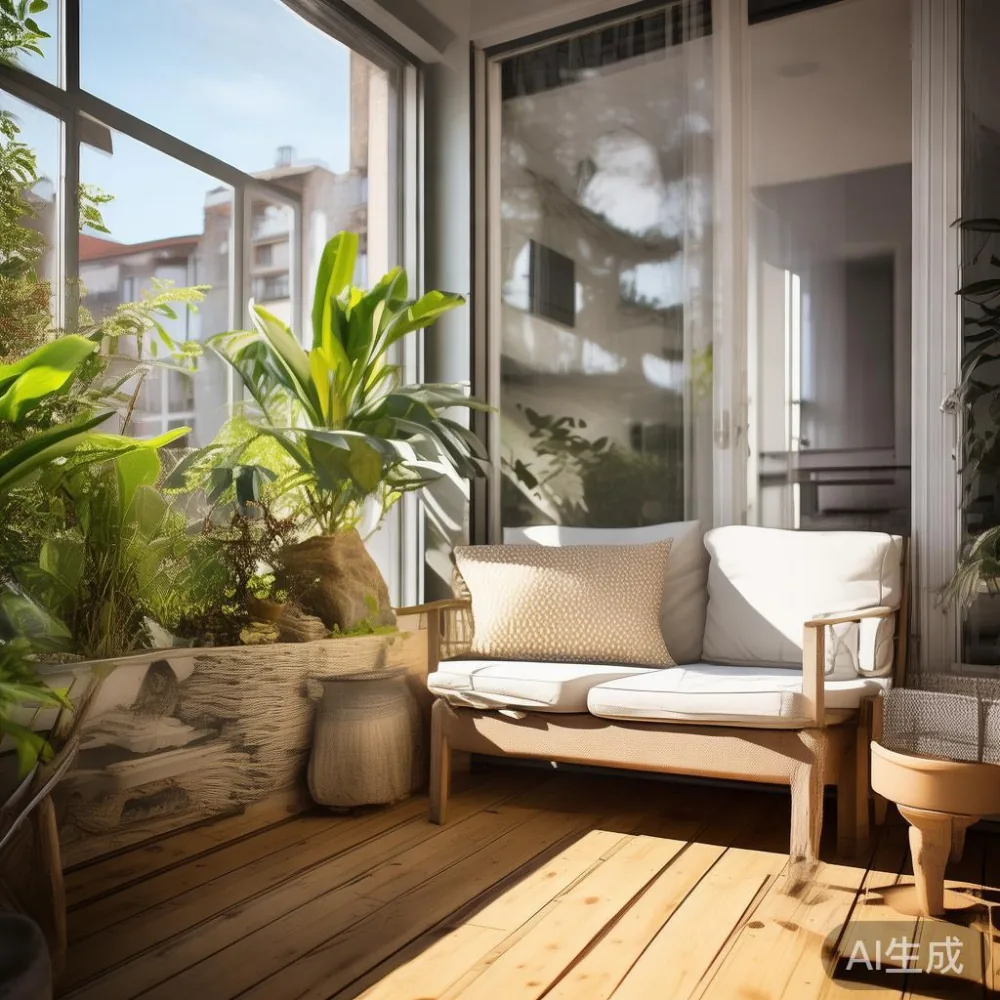
Why Does My Small Apartment Feel So Crowded?
The feeling of crowding often comes from visual noise and poor space planning, not just the physical size of the room. In Singapore, where wall space is a premium and rooms often serve multiple functions, this issue is amplified. A common mistake is filling every corner with furniture, leaving little room for movement or visual rest. Think about the standard corridor width in an HDB flat—it's typically about 120cm wide. Placing a bulky wardrobe or a large console table here immediately creates a bottleneck, making the entire space feel smaller. The solution isn't to have less furniture, but to have the right kind of furniture. This is where pieces designed for smaller spaces, like a well-proportioned solid wood sofa or a slim-line marble table, become invaluable. They provide function without overwhelming the eye.
How Do I Choose Furniture That Fits My Space?
Selecting furniture for a small apartment requires a shift in mindset. You're not just buying a piece of furniture; you're investing in the perceived spaciousness of your home. Start with measurements, and be precise. Before you buy any sofa, bed, or dining table, measure the length, width, and height of the space you intend for it. A common mistake is to eyeball it and discover the new solid wood sofa is 10cm too long for the wall. When shopping, pay close attention to the dimensions listed. For instance, a compact loveseat might be 140cm wide, which is 20cm narrower than a standard 3-seater, making a significant difference in a 250cm-wide living room. The weight is also a practical consideration, especially for HDBs on higher floors. A lightweight sofa under 40kg is easier to work through through narrow lift doors and up staircases than a heavy 60kg model. Look for furniture that offers a high function-to-size ratio. A dining table with built-in storage or a bed frame with drawers underneath provides utility without taking up extra floor area.
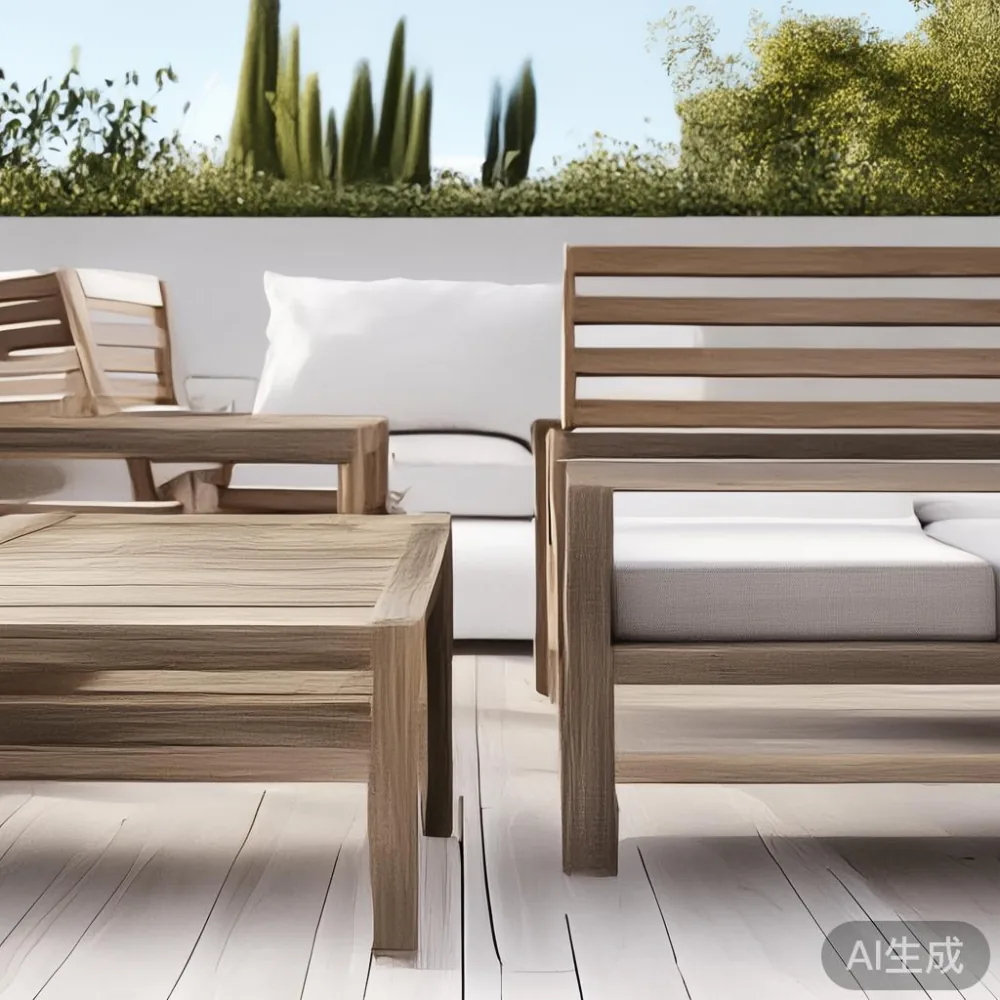
What Are the Best Furniture Styles for Small Spaces?
The style of your furniture dramatically impacts how a room feels. For smaller Singaporean apartments, certain aesthetics naturally work better than others. French light luxury, with its emphasis on ornate details, gilded finishes, and heavy upholstery, can be a poor choice. It tends to add visual weight and clutter, making a room feel smaller. Instead, consider American light luxury or post-modern light luxury. These styles often feature cleaner lines, a mix of materials like wood and metal, and a focus on silhouette rather than ornamentation. A post-modern light luxury accent chair, for example, might have a sculptural form but use a light, open base, allowing it to feel present without dominating the space. The key is to look for furniture with exposed legs. A sofa or bed frame with legs creates a sense of openness, as you can see the floor underneath, which tricks the eye into perceiving more space. A solid wood sofa with slender wooden legs will feel airier than one with a skirted base that hides the floor.
How Can I Maximise Storage in a Small Singapore Apartment?
In a city where storage space is a luxury, maximising it is non-negotiable. The GST-inclusive price of a new apartment is a significant investment, so you need to make every square foot count. Vertical storage is your most powerful tool. Floor-to-ceiling wardrobes are a staple for a reason. A wardrobe that reaches up to 240cm high instead of the standard 180cm utilises the often-wasted space above the cabinet. For a guest room that doubles as a study, you might consider the best Boho wardrobe for 2026, which often features a combination of hanging rails, shelves, and drawers, all within a single, streamlined unit. This allows you to store bedding, clothes, and office supplies without needing multiple pieces of furniture. Don't forget the space under your bed. A bed frame with deep drawers can store seasonal clothes, extra bedding, or luggage. For the living room, a console table or a marble table with a hollow base can store books, remotes, and decorative items. Even the space under a dining table can be used with slim storage units or baskets. My colleague, Sarah, who lives in a Bedok condo, recently installed a custom-built wardrobe that fits perfectly into a 150cm-wide alcove. It has 4 doors, 2 hanging sections, and 3 drawers, storing everything for two people and eliminating the need for a dresser, which freed up 80cm of wall space.
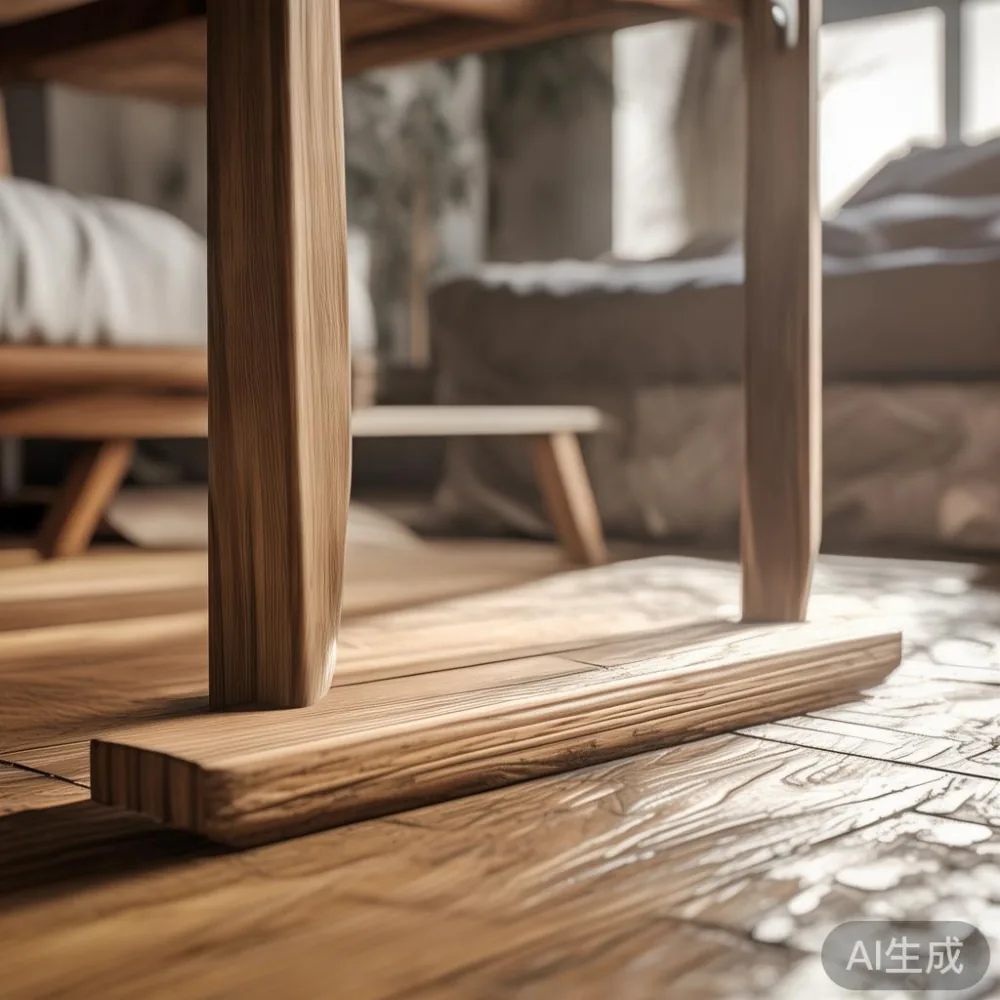
What About Outdoor Patio Furniture for My Small Balcony?
Many Singaporean apartments come with a balcony, a private outdoor oasis that can easily become a dumping ground. Styling this small outdoor patio is just as important as styling your indoor living space. The principles are the same: choose multi-functional, space-saving furniture. A compact bistro set with two chairs and a small marble table is perfect for enjoying a morning coffee without taking up the entire balcony. Look for stackable chairs or a foldable table that you can put away when not in use. Materials are key for the humid Singapore climate. Solid wood furniture that has been treated for outdoor use, or powder-coated metal, will withstand the rain and sun better than untreated wood or plastic. A small outdoor patio can also be an extension of your living room. A single, stylish outdoor accent chair can create a cozy reading nook. The key is to keep it simple. Avoid cluttering the balcony with too many plants, ornaments, or large furniture pieces. A few well-chosen items will make it feel like a tranquil retreat, not a cramped storage area.
How Do I Arrange Furniture to Create Flow?
Once you have the right furniture, how you arrange it is what brings the room to life. The goal is to create clear pathways for movement. In a typical Singapore living room, you need a path of at least 80cm wide to walk comfortably from the kitchen to the bedrooms. Arrange your main pieces, like the solid wood sofa and TV console, to define the main activity areas without blocking these pathways. Avoid pushing all the furniture against the walls. In a small room, this can make the space feel disconnected and cavernous. Instead, pull the sofa away from the wall by 30-50cm. This creates a more intimate conversation area and reveals more of the floor, making the room feel larger. The area behind the sofa can then be used for a narrow console table or a pair of plants, adding depth to the room. When arranging a bedroom, ensure you have at least 60cm of clearance on each side of the bed for easy movement. A Mid-century modern TV console, for example, is often designed with a low profile, which helps maintain sightlines and doesn't dominate a room visually. For a guest room, you might ask yourself, 'Boho for guest room, is it practical?' The answer is yes, if done right. A Boho-style guest room with a low-profile bed, plenty of light-coloured linens, and woven storage baskets can feel airy and welcoming, even in a compact space.
Are There Specific Pieces to Avoid?
Yes, certain furniture types are notorious for making small spaces feel even smaller. Avoid oversized, bulky pieces that have no other function than to take up space. A large, dark, ornate wardrobe will dominate a bedroom and make it feel claustrophobic. Instead, opt for a wardrobe with a lighter finish, like oak or white, and with a simple, clean design. Avoid sectionals that wrap around the room. While they can be comfortable, they often trap people in one area and break up the floor plan. A smaller sofa paired with a couple of armchairs or a small bench offers more flexibility. Be wary of cheap Mid-century modern furniture. While the Mid-century modern style is excellent for small spaces due to its clean lines and tapered legs, poorly made versions can look flimsy and cheap, undermining the sophisticated look you're aiming for. Invest in well-constructed pieces with solid wood frames. Avoid large, heavy coffee tables. A small, round marble table or a set of nesting tables is a much better choice, as they can be moved aside or tucked away when needed.
How Can Accessories and Lighting Help?
Accessories and lighting are the finishing touches that tie a room together and can dramatically alter its perceived size. Mirrors are a classic trick for a reason. A large mirror placed opposite a window will reflect light and the view, instantly doubling the sense of space. Use light-coloured rugs. A dark rug in a small room will visually anchor it and make it feel smaller. A light-coloured rug, like beige or light grey, will have the opposite effect. Layer lighting. Don't rely on a single overhead light. Use a combination of ambient lighting (overhead), task lighting (a floor lamp next to a reading chair), and accent lighting (a small table lamp on a nightstand). This creates depth and interest. For shopping, the convenience of online platforms can't be ignored. I tested a small marble table for my balcony last month, ordering it directly from api.midhill.co. The delivery was prompt, arriving within 5 business days, and the quality was excellent. For a small space, every piece should have a purpose. Avoid cluttering surfaces with too many knick-knacks. A few well-chosen items, like a single piece of art or a small plant, are more effective than a collection of small objects. When considering a French sofa vs Nordic sofa for a small living room, the Nordic option is almost always the better choice. The French sofa, with its deep cushions and plush upholstery, consumes more visual space, while the Nordic sofa, with its exposed wood frame and tailored cushions, offers a lighter, more open feel.
What About the Long-Term Durability of My Furniture?
Investing in furniture for a small space is a long-term commitment. You want pieces that will last for years without needing to be replaced. This is especially true in Singapore's climate, where humidity can warp wood and wear down fabrics. When choosing a solid wood sofa or a bed frame, look for high-quality construction. Mortise and tenon joints are stronger than simple screws and glue. A good finish is also important; it protects the wood from moisture. For outdoor patio furniture, ensure the material is specifically designed to withstand the elements. Powder-coated aluminium or teak that has been treated for outdoor use are excellent choices. Consider the warranty. A 10-year structural warranty, for instance, provides peace of mind that the frame of your sofa or bed is built to last. This kind of commitment from a manufacturer shows they stand behind their product's quality. For something like a Mid-century modern TV console, which holds a significant piece of electronics, durability is key. You want a piece that is sturdy enough to support the weight of your TV and components without wobbling. Similarly, a wardrobe needs to be solid enough to hold all your clothes without the doors sagging or the drawers failing over time. Quality furniture is an investment in both style and longevity, saving you money and hassle in the long run.
How Do I Balance Style and Function in a Small Space?
The ultimate goal is to create a home that is both beautiful and highly functional. In a small apartment, every piece of furniture must pull double duty. A dining table that also has storage for placemats and napkins is a perfect example. A nightstand with a built-in charging station keeps your devices powered without adding clutter. Style and function are not mutually exclusive. A Modern light luxury accent chair can be incredibly comfortable while also adding a touch of elegance to a room. The key is to choose pieces that you genuinely love and that serve a purpose in your daily life. Don't buy a piece just because it's trendy. Think about how it will fit into your lifestyle. A small, round dining table might be less conventional than a rectangular one, but it can be perfect for a couple and encourages conversation. When arranging your furniture, create distinct zones for different activities. The living area might have a solid wood sofa facing the TV, while a small corner is designated as a reading nook with a comfortable chair and a floor lamp. This zoning makes the space feel larger and more organised, even if it's all happening within one room. Remember that less is more. It's better to have a few high-quality, well-chosen pieces than a lot of cheap, mismatched ones. A curated collection of furniture that you love will make your small apartment feel like a luxurious, personal sanctuary, not a crowded compromise.