How Southeast Asian Humidity Affects Solid Wood Furniture
Singapore’s warm, humid climate can change the dimensions of solid wood furniture more noticeably than many buyers expect. Relative humidity often sits between 70% and 85%, while air-conditioned interiors may be closer to 50% to 60%. These shifts cause timber to gain or lose moisture, leading to expansion, contraction and small surface checks. For households in HDB flats and condos across Tampines, Bedok and Punggol, an outdoor patio is only one part of the story: the same hygroscopic behaviour continues inside the home, especially in lift lobbies, sheltered corridors and rooms without steady airflow.
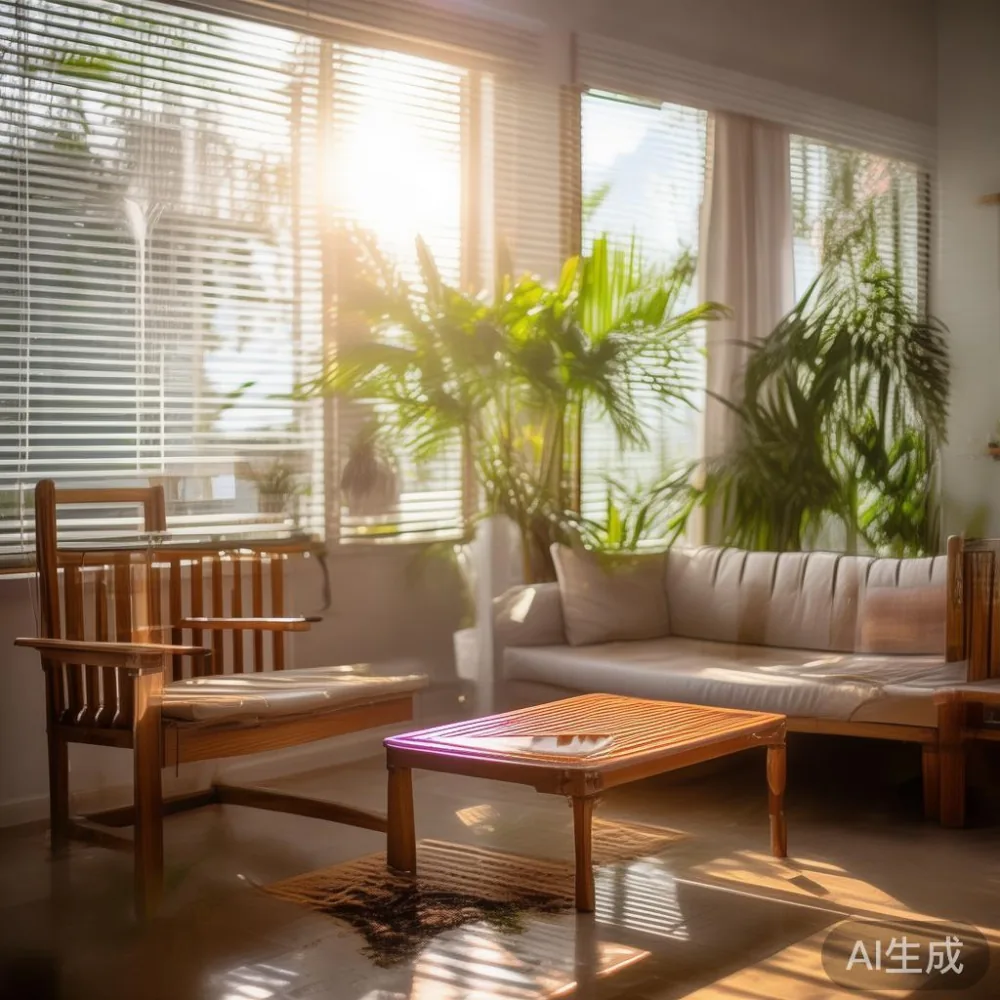
At MIDHILL, we make solid wood furniture for clients who expect pieces to remain stable through several years of tropical use. The company was established in 2008, has exported to more than 15 countries, provides a 10-year structural warranty and offers lifetime refinishing. Its light-luxury approach draws on French and American light-luxury proportions without treating climate care as an optional extra.
Why Singapore humidity changes solid wood
Wood is not dimensionally frozen. Its cell walls absorb atmospheric moisture, and the amount of movement depends on species, thickness, finish and grain direction. Teak, oak and other hardwoods are less dramatic than pine, yet a 180 cm dining table can still expand by several millimetres as humidity changes. A solid wood sofa with a timber frame may tighten or loosen around its joints; a 210 cm bed frame can develop minor gaps as its boards respond to the room. These changes are usually gradual rather than sudden.
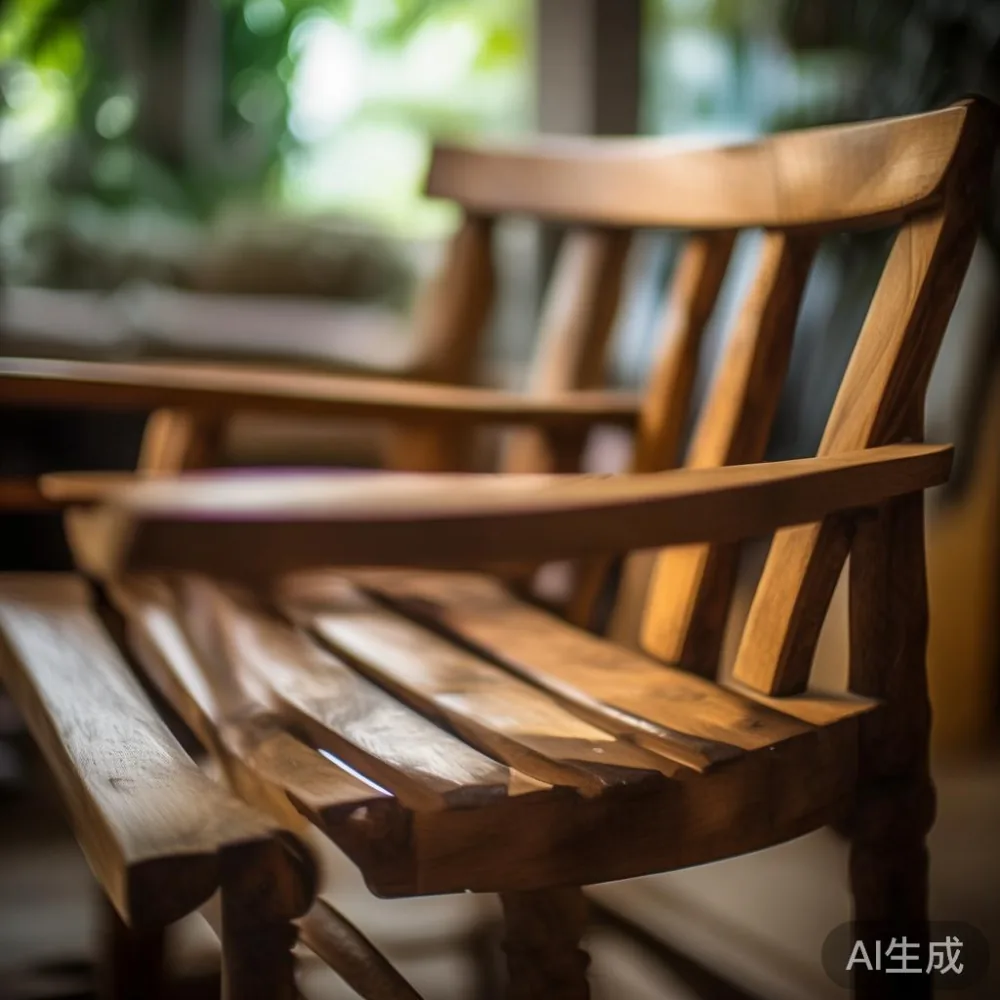
The difference between outdoor and indoor exposure matters. A balcony receiving 8 hours of direct morning sun and 12 hours of humid air can experience much faster moisture cycling than a bedroom maintained at 24°C and 55% relative humidity. A covered outdoor patio may suffer from damp floors, rising heat and restricted airflow. White condensation on glass, musty odours, swollen drawer runners and doors that catch are practical warning signals.
Rainwater also carries dirt and acidic residues. Coastal air in Singapore contains salt, while air-conditioning can create very dry zones. Repeatedly moving a table from a 29°C balcony to a 22°C living room exposes it to condensation that a constant indoor placement would avoid. For this reason, outdoor-capable pieces should be moved rather than dragged, and cushions should be removed during heavy rain whenever the design allows.
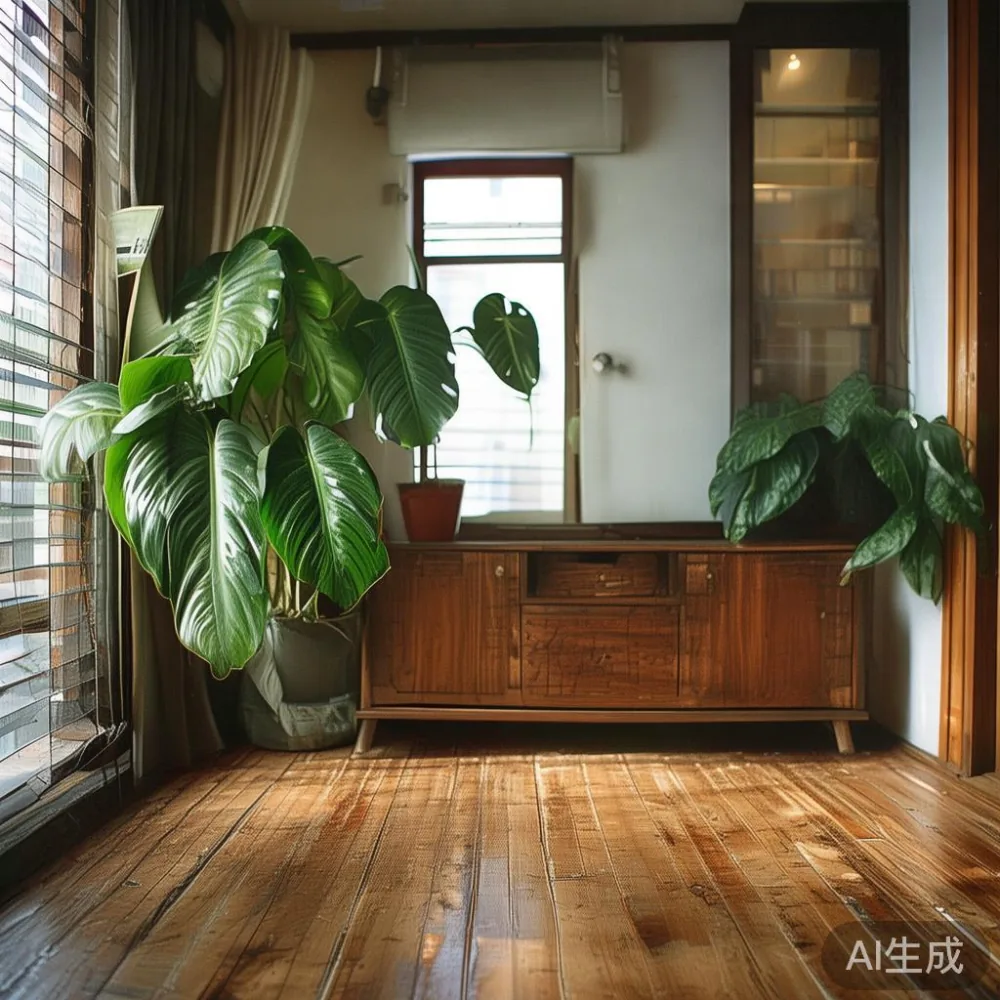
Can outdoor patio furniture really stay outside in Singapore?
Outdoor patio furniture can stay outside when its materials, finish and placement are suitable for the actual conditions. The label should refer to more than a colour name or a marketing claim. Teak is naturally resistant to moisture, while powder-coated metal frames need fewer than 5 mm of standing-water clearance. A timber dining table intended for an outdoor patio should have a weather-resistant oil or marine-grade coating that can be renewed.
For HDB residents, placement is often the deciding factor. A typical corridor may be only 120 cm to 160 cm wide, and common lifts can measure about 110 cm wide by 140 cm deep. A boxed dining table must fit through the lift and along the landing before anyone worries about its final position. Measure the assembled and packaged dimensions, including the diagonal clearance needed to turn a carton through a 90-degree corridor turn. A 200 cm long box cannot turn a tight landing even if it is narrower than the lift door.
Condo balconies offer more freedom, but wind-driven rain can reach furniture that appears sheltered. Place a table at least 30 cm away from a parapet if possible, and avoid direct contact with tiled floors. Use 2 cm to 3 cm rubber or silicone feet so air can circulate beneath the frame. A solid wood sofa should ideally sit beneath an overhang; a marble table should never occupy a spot where water repeatedly runs behind its pedestal.
Do not assume that indoor-rated furniture belongs on an outdoor patio. Veneered panels, particleboard, painted MDF and some upholstered frames can swell, peel or develop mould at the edges. Outdoor-rated teak can be used indoors, but a regular lacquered oak dining table may need a separate covered position outdoors. The prudent choice depends on documented construction, not appearance alone.
How should humidity and airflow be managed?
Keep relative humidity in a reasonably stable band where possible. A practical target is 45% to 65%, with 40% to 60% suitable for periods when outdoor air enters. Cheap hygrometers are widely available from around SGD 10 to SGD 25, and their accuracy should be checked against a second device over a 7-day period. Place one near the patio opening rather than against an exterior wall.
Air movement matters more than occasional wiping. Leave 5 cm to 8 cm between a wardrobe and a wall, and 10 cm behind a bed frame where the layout permits. A 60 cm dining table needs about 90 cm of movement space on each side for chairs, but the table itself should not be pushed tightly into a corner. If condensation appears on a window, use a dehumidifier rated for the room area. A 20 m² bedroom may use a unit with a daily water-removal capacity around 12 to 18 litres, subject to the manufacturer’s test conditions.
Wipe spills promptly with a soft cloth, especially along joints and the underside of a nightstand. Do not soak a timber surface. Cleaning with a lightly damp cloth and mild soap should be followed by 10 to 15 minutes of drying in moving air. Avoid steam cleaners and household bleach. If mould develops, isolate the item and treat affected areas according to the finish instructions rather than applying abrasive or bleach-based products.
Seasonal care is simple. Re-oil teak or other suitable exterior timber every 6 to 12 months, following the product’s coating schedule. Sand lightly only when needed, usually with 120 to 180 grit. The first major refinishing cycle may be required after 2 to 3 years of heavy exposure, while a well-covered piece may need 5 years. MIDHILL’s lifetime refinishing policy is relevant because refinishing is part of long-term ownership, but the finish should still be maintained according to use.
What does humidity mean for sofas, beds and other indoor pieces?
For a solid wood sofa, the frame may move slightly while the cushions and stitching remain stable. Keep solid wood legs away from persistent dampness and leave space for air beneath the base. Leather and fabric upholsteries can absorb moisture and may wrinkle if the frame beneath them changes shape. Use breathable covers rather than sealing damp upholstery under plastic for more than 2 hours.
Understanding how to style French provincial sofa in room layouts is useful in Singapore because a visually light sofa can make a compact HDB living room feel wider. French light-luxury styling often uses a 180 cm to 220 cm sofa, slim arms, curved profiles and warm cream or muted linen colours. In a 280 cm wide living room, a 190 cm sofa leaves about 45 cm on each side before side tables or circulation paths are added.
Buyers comparing french sofas for sale should ask whether the timber frame is kiln-dried, how joints are constructed and whether the seat covers can be removed. A frame with mortise-and-tenon or dowelled corners generally tolerates seasonal movement more thoughtfully than one held together with short nails alone. Check whether the supplier offers replacement cushion covers and clear warranty terms for frame movement.
A bed frame deserves more clearance than decorative furniture. A 180 cm queen bed may be 200 cm to 215 cm long and 100 cm to 120 cm wide. Leave at least 10 cm behind the headboard when possible, especially if it is near an air-conditioning outlet. For an HDB bedroom, keep the frame 20 cm from a wall if the mattress needs to be turned for sheet changes.
A wardrobe is less tolerant of abrupt moisture changes because doors must remain aligned. A European light luxury wardrobe can suit a condo bedroom with 3 m of wall space, but allow ventilation and inspect hinges every 3 months during humid months. When comparing the best light luxury wardrobe for 2026, look beyond the mirrored facade: check board thickness, drawer runners, carcass construction and after-sales support. A 2.1 m tall wardrobe in a 2.4 m room should have at least 15 cm of clearance above it for maintenance.
Searching for designer light luxury furniture should include a conversation about the local environment. American light-luxury styling often combines clean lines with substantial timber, while post-modern light luxury can use warmer woods and restrained detailing. The style matters less than stable construction and a finish suited to tropical humidity.
How can compact Singapore homes handle large furniture?
Large pieces can fit compact homes when delivery is planned around the route, not just the room. For a Punggol HDB flat, measure the lift lobby, entrance door and turning radius before ordering. A dining table of 160 cm to 180 cm can suit a dining zone of 300 cm by 300 cm, while a round 110 cm table may serve a tighter 260 cm square area. The latter leaves about 75 cm from the edge to the wall before chairs are placed, which can be practical in a multipurpose living and dining room.
Useful alternatives include a dining table with a 40 cm leaf, a bed frame with lift-up storage and a nightstand with closed storage. Keep the route clear on delivery day. Delivery normally takes 7 to 14 days for ready-stock or standard configurations, with custom sizes requiring 30 to 60 days. Some made-to-order pieces may need 60 to 90 days.
Singapore’s 9% GST should be shown clearly at checkout. For example, a SGD 2,500 dining table becomes SGD 2,725 after GST. MIDHILL offers free shipping for orders above US$350, but the threshold should be converted and displayed in SGD at the time of purchase rather than assumed to match a fixed Singapore-dollar figure. Confirm the final delivery charge, lift surcharge and assembly fee before payment.
Assemble the furniture where it will be used rather than carrying it through a corridor in sections that could damage the joints. A wardrobe may be assembled in the bedroom, while a dining table can usually be carried in one protected carton. Protective blankets and 2 mm floor pads help prevent scratches, but they should not hide wheels or legs that could mark the floor.
Returns are accepted within 14 days under the stated policy, but solid wood, custom dimensions and certain finishes may carry specific conditions. Check the product page before ordering. If a table looks different in daylight from the online photograph, request finish samples or detailed images. Variation in grain, mineral streaks and colour is normal in solid timber.
Which finishes and materials deserve the closest attention?
Oil finishes allow the timber surface to remain visually responsive and are easy to maintain, although they need periodic renewal. Film-forming lacquers are easier to wipe but may show scratches or water marks. For an outdoor patio, the finish system should be compatible with the species and exposure level. A table used under a roof and one placed beside a pool should not receive identical care instructions.
Teak performs well in humid conditions because it contains natural oils and dense grain, though it still weathers from grey to warm brown or develops a deeper patina. Stainless steel fasteners with a 304 or 316 grade are sensible in coastal environments. Avoid mixed fasteners that can leave dark streaks around screws. Felt pads beneath legs should be replaced every 12 months, not simply reapplied over grit.
Marble requires a different humidity strategy. Marble is not significantly hygroscopic, but acid, dirty water and abrasive grit can damage its finish. Use a neutral cleaner with a pH of about 7 to 8, and do not place citrus juice, vinegar or acidic garden products on a marble table. Outdoors, position it beneath cover and away from foliage. Its stone surface may become very hot in direct sun and should not be treated as a cooler surface.
For the bed category, a MIDHILL light luxury bed can provide the visual centre of a Tampines or Bedok bedroom while still being assessed for practical tropical care. Solid timber slats spaced no more than 8 cm apart support a mattress properly, while engineered or metal components should be checked for corrosion. For the dining category, consider how many people will use the table and whether serving dishes will sit directly on the timber; trivets and waterproof mats help protect the surface.
What should a buyer ask before ordering?
Ask the seller for the species, finish type, expected indoor humidity range and outdoor exposure rating. A responsible answer should distinguish between “indoor use,” “covered outdoor patio” and “full outdoor exposure.” Request the assembled dimensions, packaged dimensions and weight. A 180 cm solid wood dining table may weigh 55 kg to 85 kg, while a large wardrobe may weigh 100 kg to 180 kg. These figures explain why a two-person delivery crew and a clear assembly plan matter.
Ask how the product was conditioned before dispatch and whether it can acclimatise for 7 to 14 days in the intended room. A good supplier should not promise that timber never moves, because seasonal dimensional change is part of using real wood. The important point is that the construction and finish have been considered for long-term service.
Confirm the warranty coverage in writing. MIDHILL provides a 10-year structural warranty, and lifetime refinishing can extend the usable life of eligible pieces. Find out which refinishing work is included, whether transport is charged and how long a refinishing cycle takes. For outdoor patio use, retain care records because finish age affects maintenance intervals.
Finally, consider the whole route. Singapore’s corridors, lifts and HDB lobbies are tight, but the furniture will live in the home for 5, 10 or more years. Measure twice, choose stable materials for the actual exposure, maintain airflow and treat humidity as an ongoing household condition rather than a single weather event.