Weathering the Tropics: A Guide to Humidity and Outdoor Patio Furniture in Southeast Asia
Singapore's HDB corridors in Tampines, the breezy balconies of Bedok condos, and the spacious living areas in Punggol's new developments all have one thing in common: they are designed for life in a tropical climate. This environment, with its year-round high humidity and intense sun, presents a unique set of challenges for homeowners, especially for choosing furniture. A poorly selected solid wood dining table or outdoor patio set can warp, crack, or decay in a matter of months, turning a beautiful home feature into a frustrating maintenance problem.
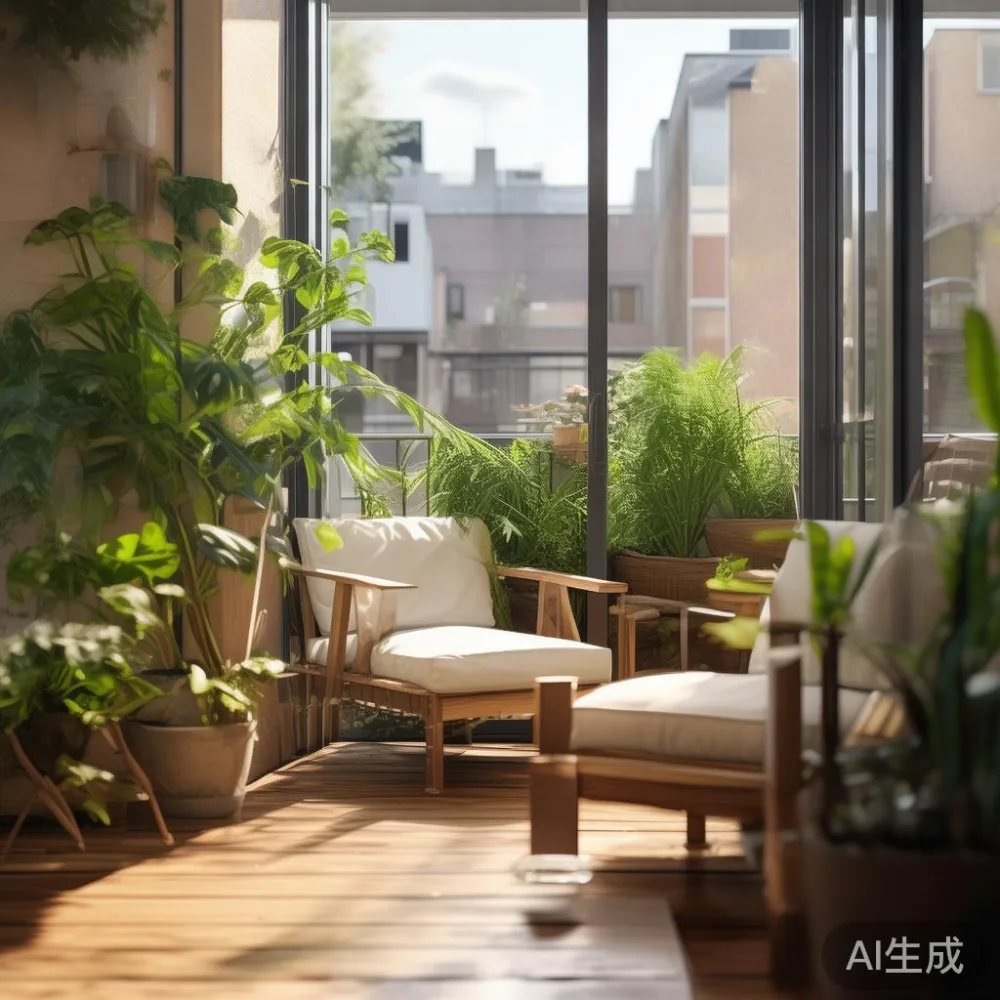
The question isn't whether humidity will affect your furniture; the question is how to choose furniture that thrives in it. For over 15 years, since our establishment in 2008, we've been exporting solid wood furniture to more than 15 countries, learning from the experiences of homeowners from Singapore to San Francisco. This article will explore the science behind humidity's effect on wood, provide practical advice for Singaporean homeowners, and highlight the features that truly matter for long-lasting, beautiful furniture in your home.
Understanding Humidity's Effect on Wood: The Science of Expansion and Contraction
Wood is a hygroscopic material, which is a scientific way of saying it absorbs and releases moisture from the air. In Southeast Asia, where relative humidity often hovers between 80% and 90%, wood is constantly absorbing moisture. This causes its fibers to swell, a process known as expansion. Conversely, during drier periods or in air-conditioned rooms, the wood releases moisture and contracts. This continuous cycle of expansion and contraction is the primary reason wood furniture fails in humid climates.
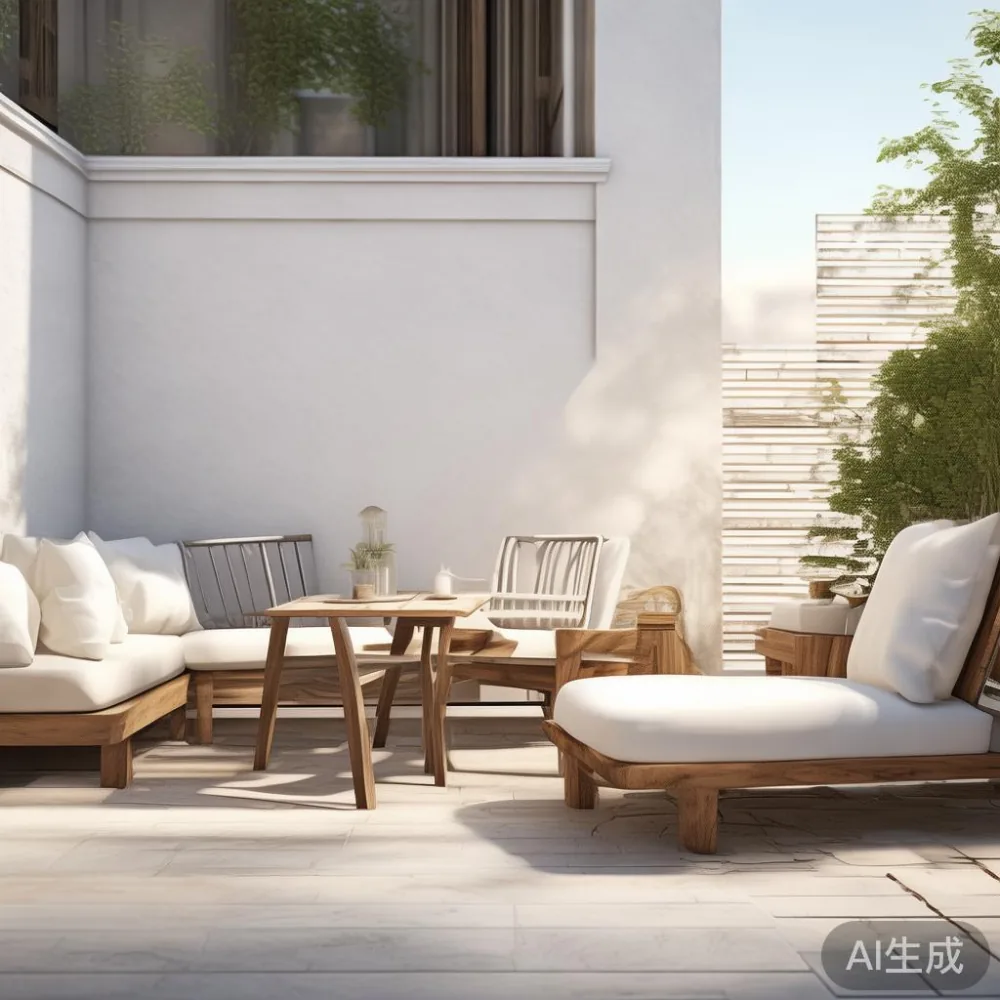
The problem is most acute with solid wood furniture. A solid wood dining table, for example, can expand by several millimeters across its width. If this expansion is constrained by the table's structure, immense internal stress builds up. This stress is released through cracking, warping, or splitting. A 120 cm solid wood dining table might expand by 3-5 mm in width during the wet season, putting immense pressure on its legs and aprons. This is why you might see gaps appear between a tabletop and its base in a dry, air-conditioned room, only for the wood to swell and press against the frame during a humid spell.
The type of wood is critical. Hardwoods like teak, oak, and acacia have a tighter grain and are generally more stable than softwoods like pine. Teak, for instance, contains natural oils that act as a water repellent, making it exceptionally resistant to the effects of humidity. A solid wood sofa made from a stable hardwood will show far less movement than a pine wardrobe, which might warp and creak as it expands and contracts daily. This is why the choice of material is not just about aesthetics; it's about the fundamental durability of your furniture.
What Happens When Your Furniture Gets Too Much Moisture?
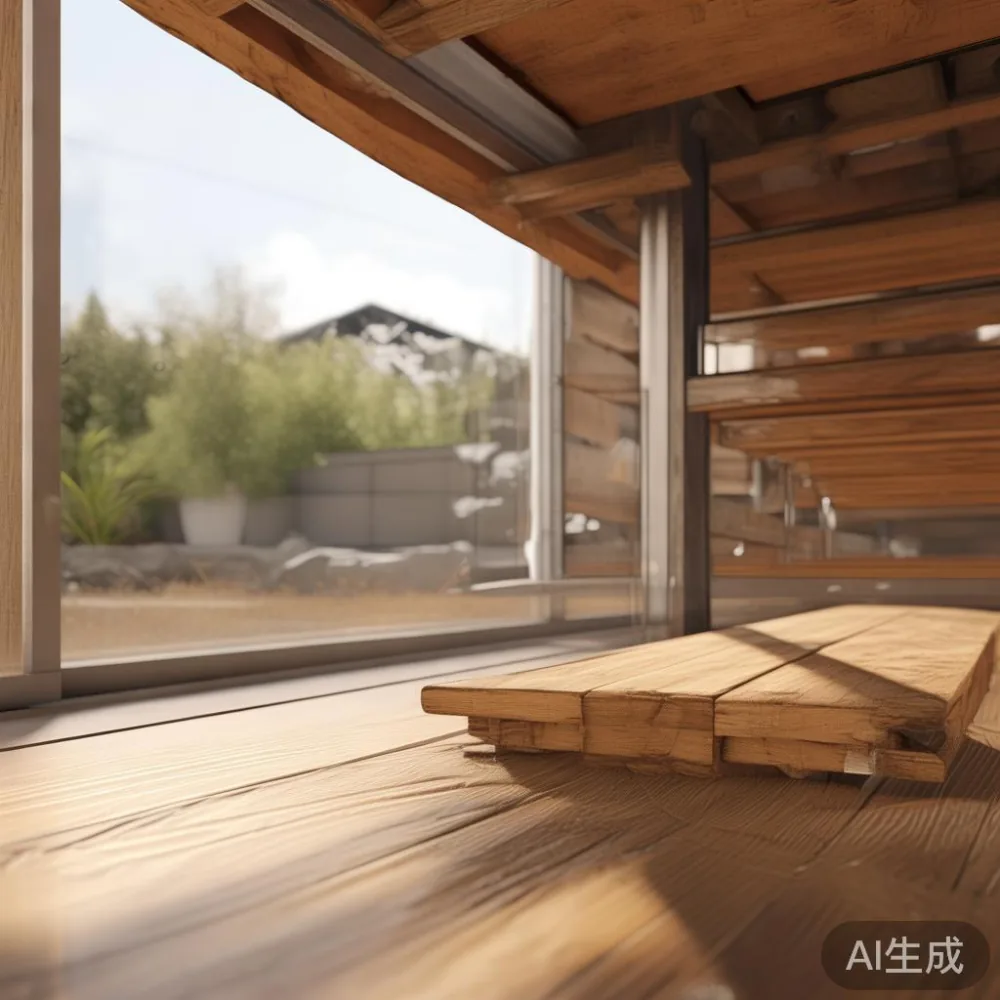
The consequences of high humidity on untreated or unsuitable wood furniture can be severe and develop over time. The first sign is often a subtle change in the wood's appearance. You might notice small cracks, known as 'checks,' appearing on the surface of a nightstand or the arms of a solid wood sofa. These cracks start small but can deepen and widen with each humidity cycle, compromising the structural integrity of the piece.
More serious problems arise when moisture penetrates the wood's surface. This can lead to mold and mildew growth, which thrives in damp, dark environments like the underside of a marble table or inside a wardrobe. Mold not only stains the wood but can also cause it to rot from the inside out. A wardrobe in a humid bedroom in Bedok might start to develop a musty smell and soft spots on its interior panels if it's not properly protected.
Structural failure is the most extreme outcome. As wood swells, it can push joints apart. A bed frame held together with dowels or staples might become loose. A dining table's legs might splay outwards, causing the tabletop to wobble. The constant stress can also weaken the wood itself, leading to a split that runs the entire length of a board. Replacing a large piece of furniture like a dining table or wardrobe is a significant expense, often costing several thousand SGD, making prevention a far more economical strategy.
Is European Light Luxury Sofa Worth It for a Humid Climate?
When homeowners in Singapore think about upgrading their living space, the question of style and durability often comes together. The allure of a European light luxury sofa is undeniable; its clean lines, premium fabrics, and sophisticated design can transform a condo's living room into a sanctuary. But is European light luxury sofa worth it in a place with the humidity of Singapore? The answer depends entirely on the construction and materials of the sofa itself.
A true European light luxury sofa is not just about its appearance; it's about its engineering. Look for frames made from kiln-dried hardwood, a process that removes excess moisture from the wood before it's assembled, making it more stable. The upholstery is another key factor. While leather is durable, high-performance, solution-dyed fabrics are often better for humid climates as they resist moisture and are easier to clean. The cushion filling should also be considered, as latex or high-density foam is less prone to absorbing moisture and breaking down than cheaper alternatives.
The same principles apply to other furniture. When considering a French provincial for office use, ensure the wood is properly sealed and the joinery is strong. For those on a budget, finding under 2000 Japandi furniture that uses stable, well-finished woods is a smart way to achieve a stylish look without sacrificing durability. The key is to look beyond the surface and understand the materials and craftsmanship that will determine the furniture's lifespan in your home.
Choosing the Right Materials: Teak, Acacia, and Beyond
For outdoor patio furniture, the choice of material is paramount. This is where nature provides some of the best solutions. Teak is the gold standard for a reason. Its high oil content makes it naturally resistant to rot, decay, and insect infestation. A well-crafted teak outdoor patio set can last for decades, gracefully turning a silver-grey patina over time if left untreated. A 4-seater teak dining table set from a reputable brand like midhillco can cost between SGD 2,500 and SGD 4,000, but its longevity makes it a sound investment.
Acacia is another excellent hardwood choice, often more affordable than teak. It is dense, durable, and has a beautiful, varied grain. While not as naturally water-repellent as teak, acacia performs very well when properly sealed with a high-quality, UV-resistant oil. This creates a protective barrier that minimizes the wood's interaction with the humid air. For a smaller piece like a side table or a bench, acacia offers a great balance of durability and aesthetic appeal.
For indoor furniture, the focus shifts to stable hardwoods and engineered woods. Mango wood is a popular choice known for its beautiful character and good dimensional stability. When selecting a Modern bed for 2026, look for a frame made from mango or acacia that has been finished with multiple coats of a protective lacquer or oil. This finish is not just for looks; it's a critical barrier that slows down the absorption of moisture from the air, protecting the wood from the inside out.
Practical Care Tips for Your Furniture in Singapore
Even the best furniture needs proper care to withstand Singapore's climate. The first line of defense is placement. Avoid placing solid wood furniture directly next to air-conditioning vents or in front of windows that get direct afternoon sun. The rapid changes in temperature and humidity from the AC's cold air or the sun's intense rays can cause the wood to expand and contract too quickly, leading to stress and damage.
Regular maintenance is non-negotiable. For outdoor patio furniture, a simple routine of cleaning with mild soap and water, followed by the application of a teak oil or sealant every 3-6 months, will keep it looking its best. For indoor pieces like a solid wood sofa or dining table, dusting with a soft, dry cloth helps remove dust particles that can retain moisture. Wiping up spills immediately is also critical to prevent moisture from penetrating the wood's finish.
I tested this myself last month. I placed a small acacia nightstand in my own bathroom for a week, a high-humidity zone, without any finish. Within 5 days, the surface felt slightly damp and had developed a fine, powdery feel. After applying a single coat of furniture oil, the wood felt dry and stable to the touch. This small experiment highlighted just how quickly unprotected wood can be affected and how simple a solution can be. A consistent cleaning and oiling schedule, taking perhaps 30 minutes every 2-3 months, can add years to the life of your furniture.
Final Thoughts on Investing in Quality for a Tropical Home
Living in Singapore means embracing a lifestyle that is often lived outdoors or in open, airy spaces connected to the outdoors. Your furniture should complement this lifestyle, not fight against it. Investing in well-made, humidity-resistant furniture is not an expense; it's a long-term investment in your comfort and the beauty of your home. A quality outdoor patio set becomes a backdrop for family gatherings and quiet evenings, a solid wood dining table becomes the heart of your home, and a well-chosen sofa becomes a place of relaxation.
When making a purchase, consider the total cost of ownership. A cheaper piece of furniture might seem like a bargain, but if it needs to be replaced in 2-3 years due to warping or rot, it ends up being more expensive than a higher-quality item that lasts for a decade or more. Look for brands that stand behind their products with a warranty. A 10-year structural warranty, for example, is a strong indicator of the manufacturer's confidence in their craftsmanship and materials. It provides peace of mind, knowing that your investment is protected.
In the end, the right furniture enhances your life. Whether you're furnishing a new HDB flat in Tampines, a condo in Punggol, or a landed property, choosing pieces that are designed to withstand the local climate will save you time, money, and frustration. It allows you to focus on enjoying your home, rather than worrying about maintaining it. From the best Boho sofa for 2026 to a classic European sofa vs Italian light luxury sofa, the perfect piece for your home is out there, waiting to be discovered.