Preserving the Beauty of Your Lacquered Outdoor Patio Furniture
Living in Singapore, with its year-round high humidity, intense UV exposure, and sudden downpours, presents a unique challenge for maintaining furniture. This is especially true for pieces with a fine lacquered finish, like a solid wood dining table or a sophisticated outdoor patio set. The finish, while stunningly beautiful, can be susceptible to the elements if not properly cared for. This guide provides a comprehensive approach to upkeep, ensuring your cherished furniture retains its lustre for years to come. For those exploring options, a comparison of a European light luxury sofa vs Nordic sofa reveals different aesthetic approaches, but both require similar diligence in care. Similarly, when considering a Modern light luxury sofa for an indoor-outdoor flow, understanding its care regimen is key.
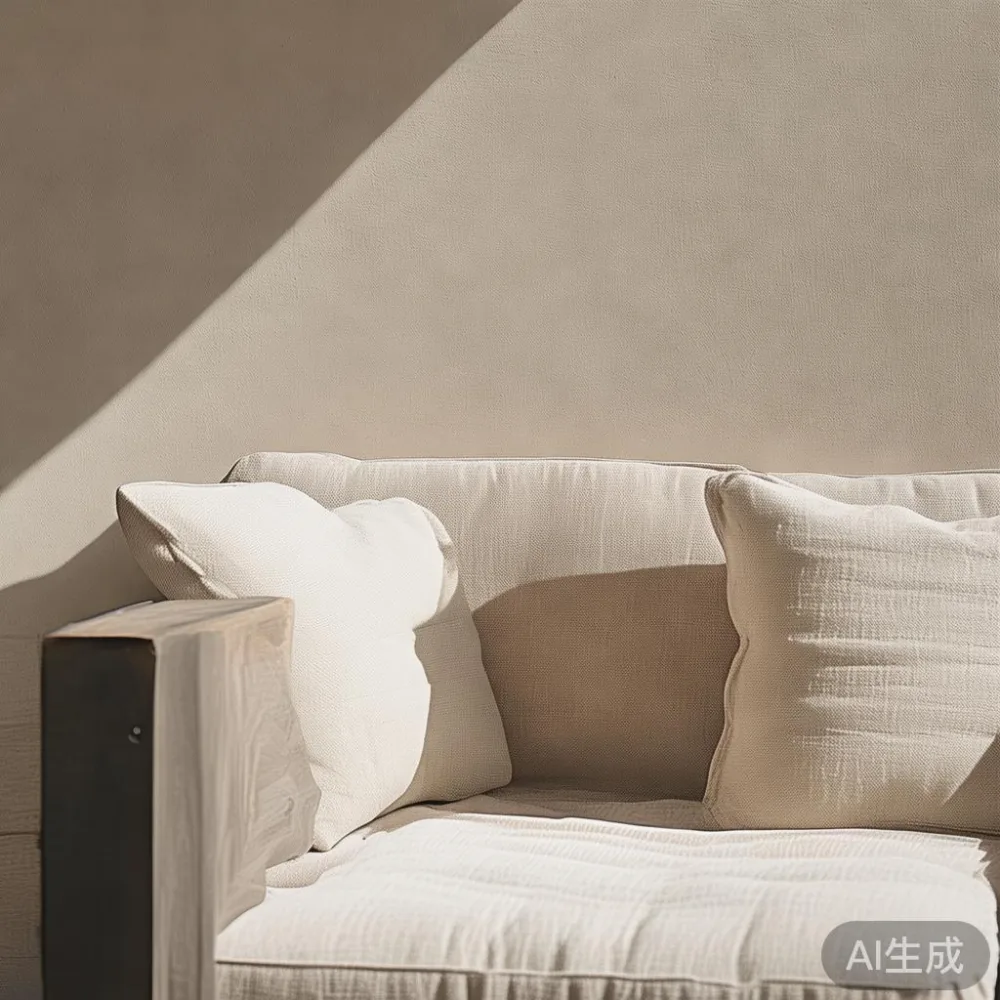
Understanding Your Lacquered Outdoor Patio Finish
Before we discuss care, it's important to understand what you're working with. A lacquer finish is a clear, hard coating applied over the wood. It's designed to create a protective, moisture-resistant barrier and give the surface a high-gloss, satin, or matte sheen. For outdoor patio furniture, this finish is your first line of defence against Singapore's weather. A high-quality lacquer, like the kind used by manufacturers such as MIDHILL, is formulated to withstand more than just a light drizzle. It's built to resist the daily assault of UV rays that can cause fading and the constant humidity that can lead to warping or, in the worst-case scenario, mould.
Think of it like the paint on your HDB flat in Tampines or your condo in Punggol. The exterior paint is designed to withstand the sun and rain, but it still needs periodic maintenance. Your lacquered outdoor patio furniture is no different. Regular care isn't about preserving a fragile item; it's about maintaining a durable investment. A well-maintained piece can easily last a decade or more, looking as good as the day it arrived. The key is to establish a simple, consistent routine that fits into your lifestyle, much like cleaning your lift and corridor areas in your apartment block.
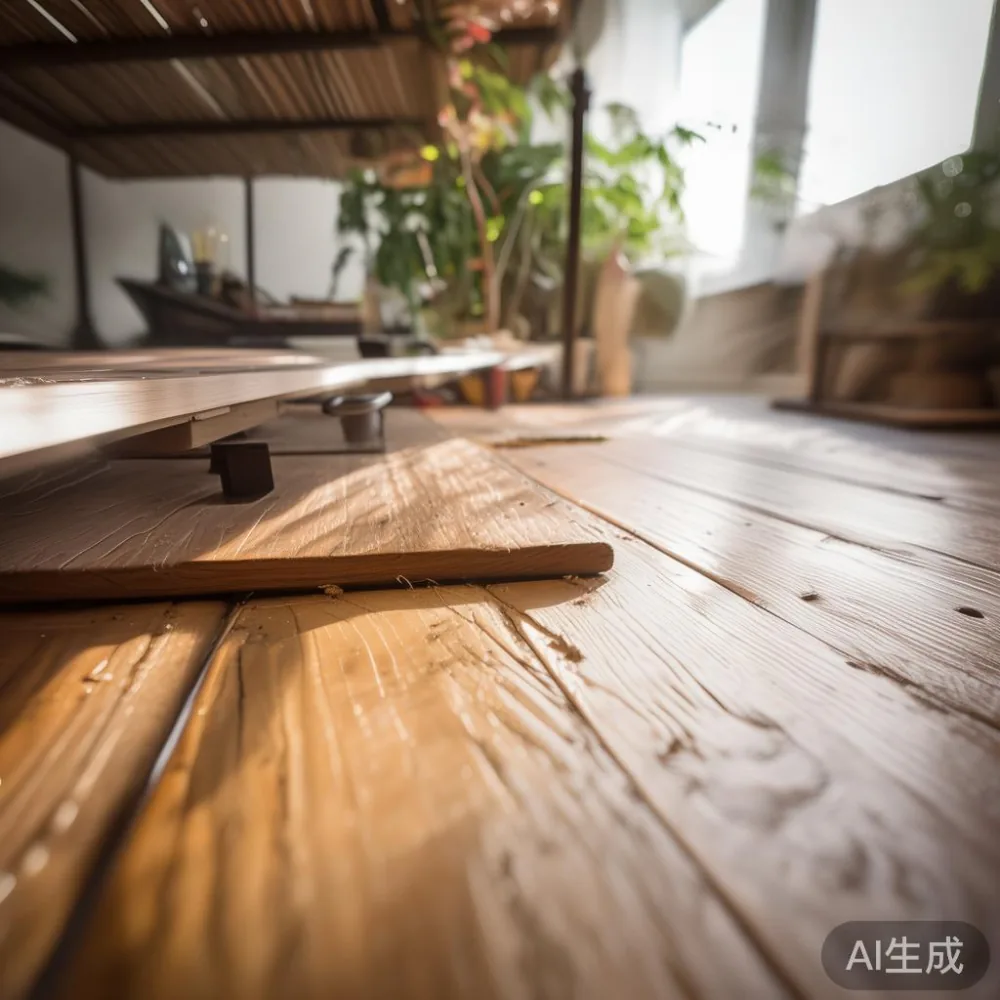
Weekly Maintenance: The Quick Clean
The foundation of long-term care is a simple weekly routine. This isn't a deep clean; it's a quick preventative measure that makes a world of difference. The goal is to remove surface dust, pollen, and light grime before they have a chance to settle in or cause minor abrasions.
Start with a soft, lint-free microfiber cloth. A standard 30cm x 30cm cloth is perfect for most surfaces. For larger items like a dining table, you might use a slightly larger 45cm x 45cm cloth. Lightly dampen the cloth with clean, cool water. Wring it out thoroughly until it is only slightly damp, not wet. Wipe down the entire surface of your outdoor patio furniture, following the grain of the wood if it's visible. Avoid using any household cleaners, especially those containing ammonia or alcohol, as these can strip the lacquer, leaving it dull and damaged.
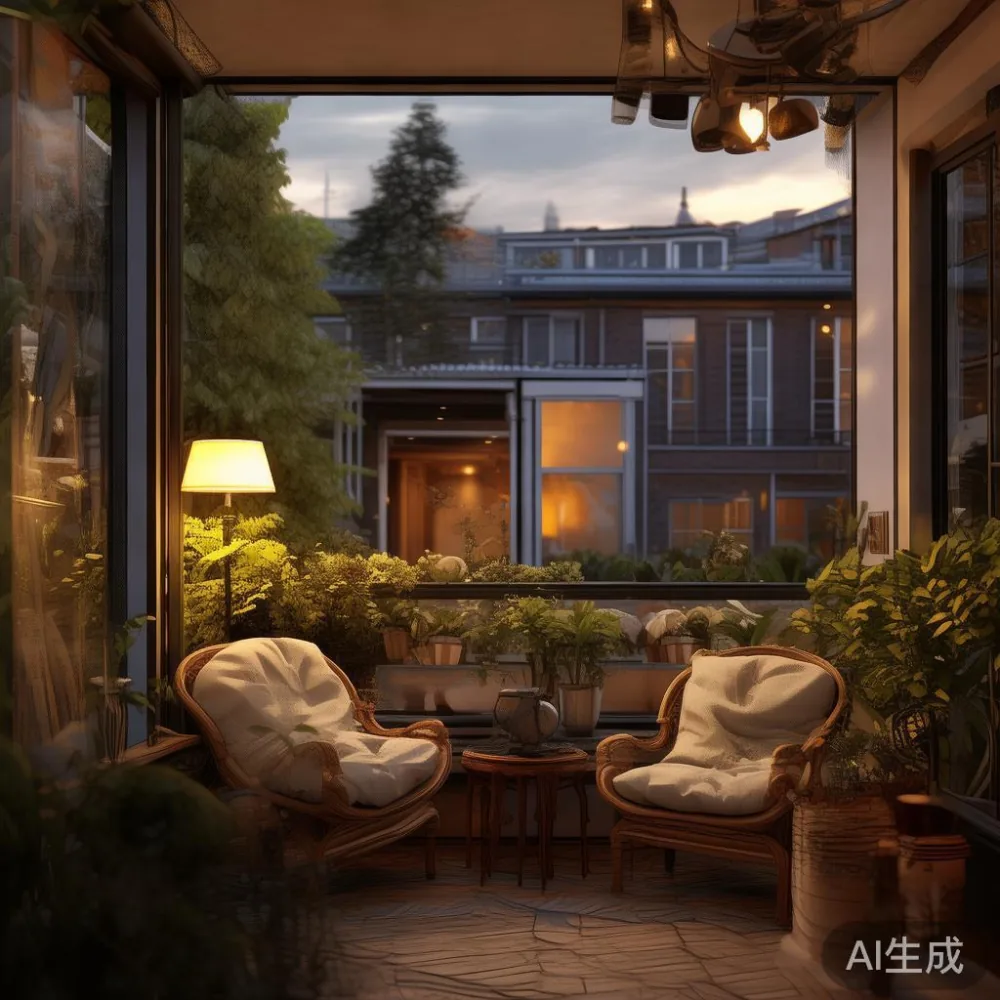
After wiping, immediately follow up with a dry, clean microfiber cloth to remove any lingering moisture. This two-step process takes no more than 5-10 minutes per piece but is incredibly effective. For instance, a colleague of mine last month visited a client in Bedok who had neglected this simple step. The result was a fine layer of dust that, when combined with morning dew, had created a slight hazing on her beautiful outdoor patio set. A quick clean with a damp cloth brought back the shine instantly. This weekly habit is the most important part of your care regimen.
Dealing with Singapore's Unpredictable Weather
Singapore's weather is a fact of life, and a sudden thunderstorm can catch you off guard. The rule for your lacquered outdoor patio furniture is simple: if you can, move it under cover. A covered balcony, the awning of your condo in Punggol, or even just pulling it closer to the wall of your HDB flat can make a significant difference. Rainwater itself isn't the primary enemy; it's the prolonged exposure to moisture combined with high humidity that can seep into the wood and compromise the lacquer's integrity over time.
What if you get caught in a downpour? Don't panic. As soon as the rain stops, take a dry microfiber cloth and wipe down all surfaces to remove standing water. Pay special attention to joints, crevices, and the undersides of tabletops or chair seats, where water can pool. For a solid wood sofa or dining table, ensuring water doesn't sit in these areas for hours is critical. If you live in an apartment with limited space, like many in Singapore, consider investing in a set of furniture covers. These can be stored in a cupboard or the corner of your corridor and deployed quickly when you see dark clouds gathering. A good quality cover for a 160cm dining table might cost around SGD 80 to SGD 120, but it's a small price to pay for peace of mind.
Is It Safe to Use Cleaning Products on My Lacquered Outdoor Patio Furniture?
This is a very common and important question. The short answer is yes, but only with the right products and in the right way. Using the wrong cleaner is one of the fastest ways to ruin a lacquered finish. You should never use abrasive scrubbers, steel wool, or harsh chemical-based cleaners like bleach or oven degreasers. These will scratch and etch the surface, permanently damaging the gloss and making it more susceptible to future damage.
For a deeper clean than your weekly wipe-down, you need a pH-neutral wood cleaner specifically designed for lacquered or finished wood surfaces. These are gentle enough to clean without stripping the protective layer. You can find them at most home furnishing stores or online. When using one, always follow the manufacturer's instructions. Typically, you would dilute a small amount—perhaps 10ml to 20ml of concentrate—in a bucket of about 5 litres of water. Use a soft sponge or cloth, apply the solution sparingly, and wipe in the direction of the grain. After cleaning, rinse your cloth thoroughly in clean water and wipe the surface again to remove any soap residue. Finally, buff dry with a clean, soft cloth.
For tougher stains, like bird droppings or wine spills, you need to act quickly. Use a damp cloth to blot the stain immediately. Do not rub, as this can spread it and potentially scratch the finish. If the stain persists, you can use a very small amount of the pH-neutral cleaner on the spot, but always test it on an inconspicuous area first, such as the underside of the table or the back of a chair, to ensure it doesn't affect the colour or finish.
Seasonal and Long-Term Care Strategies
While Singapore doesn't have harsh winters, the seasonal shift between the Northeast Monsoon (wetter, windier) and the Southwest Monsoon (drier, hotter) can still affect your furniture. During the hotter months, the intense UV rays are the main concern. While the lacquer provides protection, prolonged, direct sun exposure can, over many years, cause the wood underneath to fade slightly and the lacquer to become more brittle. If possible, try to position your outdoor patio furniture to avoid the most direct sun for the entire day. For example, placing it under the shade of a large umbrella or a tree can significantly extend its life.
Every 6 to 12 months, depending on how exposed your furniture is, it's a good idea to give it a more thorough inspection and treatment. This involves a process called 'conditioning' or 'polishing'. You can use a high-quality paste wax or a specific furniture polish made for lacquered surfaces. Apply a very thin, even layer with a soft cloth, let it sit for the time specified on the product (usually 5-10 minutes), and then buff it off thoroughly with a clean, dry microfiber cloth. This process helps to nourish the wood underneath and replenishes the protective oils in the lacquer, keeping it supple and resistant to cracking.
For styling your indoor spaces, the same principles of care apply. If you choose a European bed for your master bedroom, learning how to style European bed in room with the right linens and throws can complement its elegant design. Similarly, for your wardrobe, understanding how to style European wardrobe in apartment involves keeping the finish pristine and the hardware polished. The same goes for a light luxury wardrobe in apartment; its beauty lies in its clean lines and flawless finish, which regular care helps maintain. And when choosing a new bed, consider how to choose European bed based not just on style, but also on the quality of its finish and its suitability for your home's environment.
Ultimately, caring for your furniture is about respecting the craftsmanship that went into it. A solid wood piece, whether it's a dining table, a sofa, or a nightstand, is an investment in your home's comfort and style. By following these simple, consistent steps, you can ensure that your outdoor patio furniture and your indoor pieces alike will continue to be a source of pride and enjoyment for many years. For those seeking a statement piece, a MIDHILL sofa offers a blend of solid wood construction and elegant design that, with proper care, becomes a timeless centrepiece for any living space.