Solid Wood Furniture Prices: What’s Behind the Cost in Singapore?
Solid wood furniture can look deceptively similar across showrooms and online galleries, yet prices may range from SGD 480 to SGD 8,000 for pieces that appear interchangeable at first glance. The difference rarely comes down to the furniture name alone. It comes from the timber species, grade, moisture control, joinery, hardware, finish, dimensions, and the amount of labour required to make each piece correctly.

For Singapore households, those considerations become more practical when furniture must pass through an HDB lift, turn along a corridor, or fit inside a Tampines, Bedok, or Punggol condo. A solid wood bed frame with a 52 cm-wide headboard may suit one bedroom but become awkward near a 42 cm doorway. A dining table may be excellent at home but difficult to carry into an upper-floor unit. Delivery distance, GST, and after-sales support also affect the final figure.
This guide explains the actual cost drivers in solid wood furniture and how to assess them without relying on vague luxury language or decorative promises. It also shows why light-luxury design can be practical rather than ornamental: French light luxury, American light luxury, and post-modern light luxury all become more convincing when proportion, material, and construction agree.
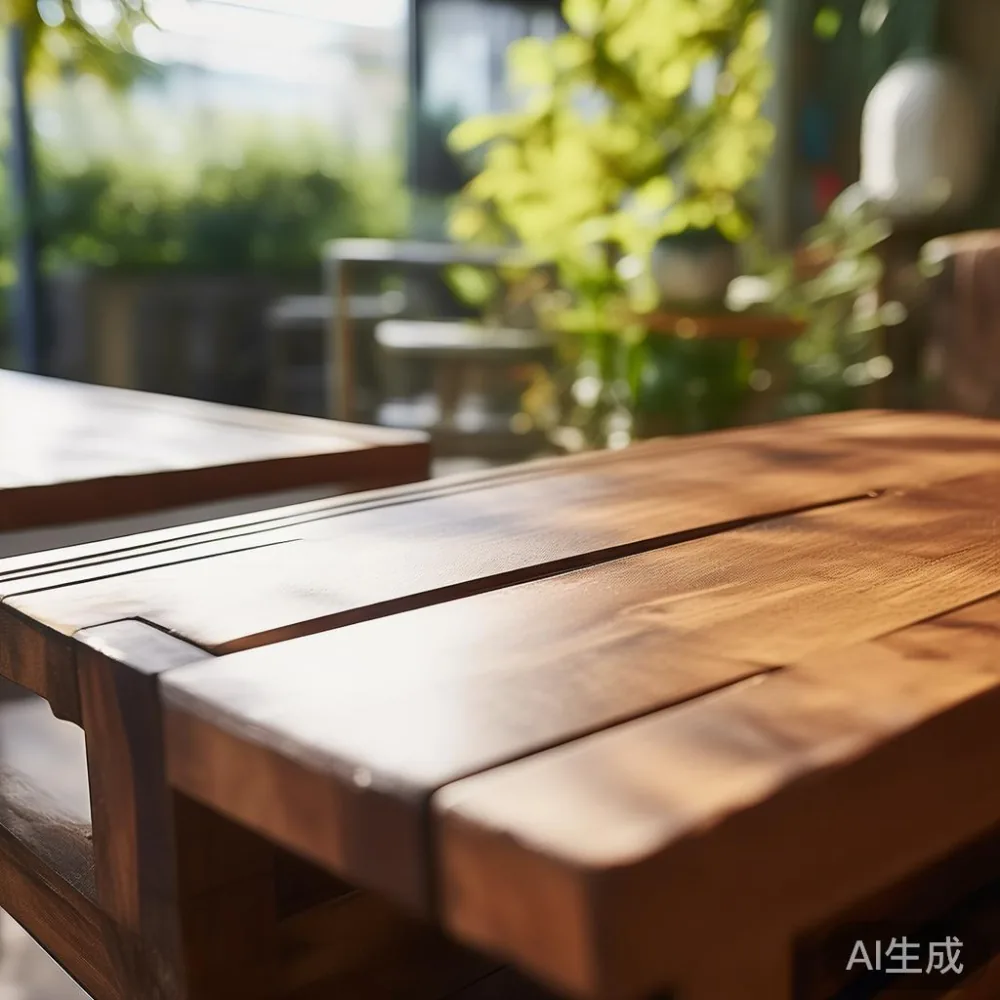
Why do two solid wood dining tables cost different amounts?
The first driver is the timber itself. Solid wood furniture is not one material category. Oak, ash, beech, walnut, teak, and rubberwood have different densities, grain patterns, working properties, and market values. For example, an oak dining table using 48 kg of kiln-dried boards may cost SGD 1,650, while a visually similar table made from lower-grade rubberwood may cost SGD 920. The heavier figure is not simply about weight; it may reflect better drying control, selected board faces, and more demanding machining.
Grade matters within the same species. A table using FAS boards with continuous grain across the visible surface uses more suitable material than one assembled from shorter, knot-heavy pieces. Veneer is another issue: a 22 mm marble table can cost less than a solid timber table because marble is quarried and cut rather than kiln-dried, seasoned, and shaped as wood. If a listing says “oak finish,” it may describe a veneer or engineered panel rather than solid oak, so ask for a close-up of the edge, underside, and joint.
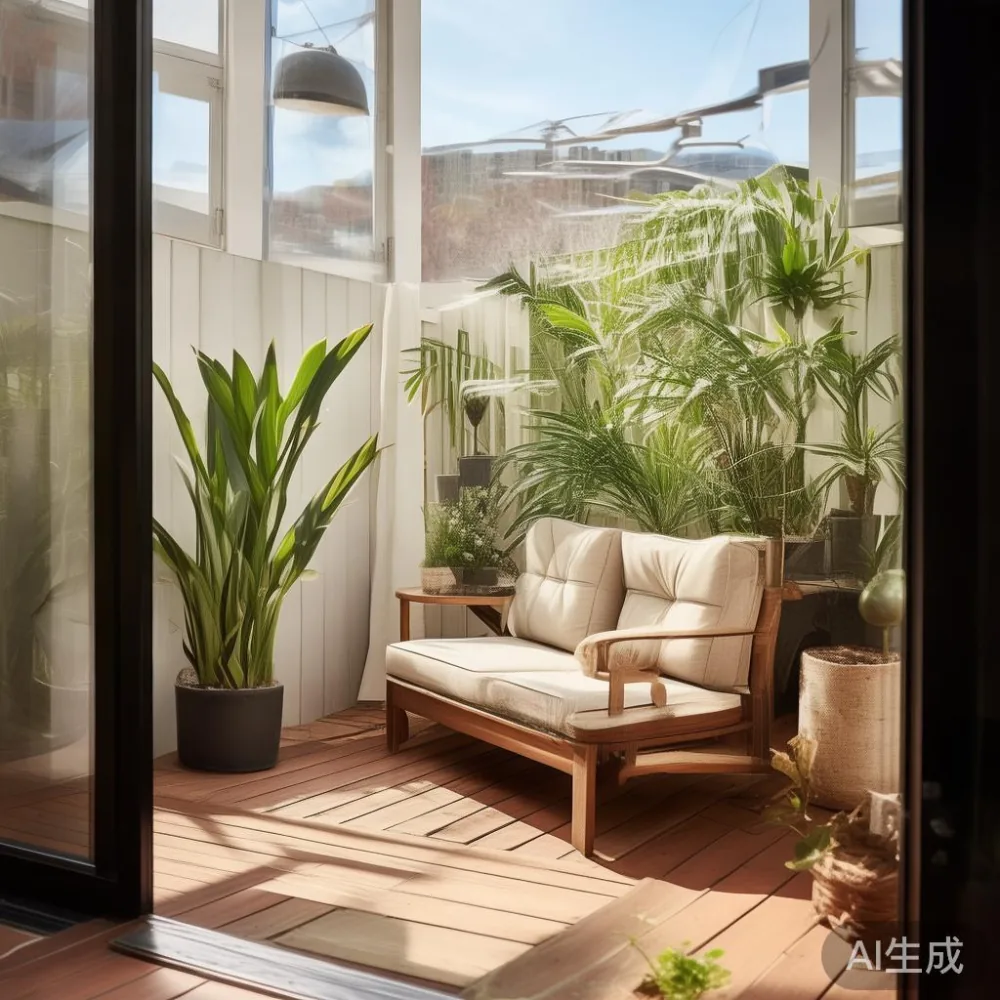
Moisture treatment is especially important in Singapore’s humid climate. Quality suppliers dry timber to an appropriate moisture range for the market, control it during production, and account for seasonal movement. Wood sold at the wrong moisture level can twist, split, or swell after installation. The outdoor patio category makes this point clearer: even outdoor-rated teak furniture needs proper drying, drainage, finish maintenance, and sheltered storage during severe weather.
Joinery tells the other half of the story. Mortise-and-tenon joints, dowelled corners, and reinforced rails generally require more setup than simple screw fixes. They can improve service life and reduce movement over 10 years. MIDHILL, a Foshan furniture maker established in 2008, exports to more than 15 countries and provides a 10-year structural warranty, which gives buyers a reference for how construction should be documented. A warranty alone does not reveal every production detail, but it makes the supplier accountable beyond delivery day.
Is solid wood automatically more expensive than engineered wood?
Not always. The answer depends on what is being compared, how the panels are made, and how long the buyer expects to keep the furniture. A high-quality plywood or finger-jointed solid wood bed frame can cost less than a poorly made all-solid-wood frame. Conversely, a thick slab table with selected boards and careful finishing can command several times the price of a flat-pack panel equivalent.
Start with the core construction rather than a broad material label. A solid wood sofa may combine kiln-dried hardwood rails with upholstered foam, webbing, and fabric; the timber is only one part of its cost. A 210 cm-wide solid wood bed frame may weigh 58 kg, while an engineered alternative weighs 31 kg. If the price difference is SGD 640, inspect whether the extra amount funds stronger rails, better hardware, superior veneers, or merely a larger carton and a heavier shipment.
Hardware is measurable. A soft-closing drawer with branded metal runners may add SGD 85 to SGD 180 to a wardrobe or nightstand. Brass-touch hardware may add another SGD 40 to SGD 110 per fitting. Dovetail drawer boxes, rounded edges, and sanded-and-filled surfaces take time that hidden hardware alone does not explain.
Finish also changes the bill. A water-based matte coating on a dining table may add SGD 180, whereas a multi-layer hand-rubbed oil finish may add SGD 320 because each coat needs drying, sanding, and correction. For an outdoor patio, the finish should suit exposure rather than simply look fashionable. Teak, marine-grade coatings, drainage, and annual checks can affect the usable life of a set priced around SGD 2,400.
How much should you pay for a solid wood bed frame?
A useful Singapore benchmark is size, timber, construction, and finish—not an arbitrary “luxury” figure. A queen solid wood bed frame with a 45 cm headboard, 14 slats, centre support, and straightforward matte finish may sit around SGD 980 to SGD 1,480. A wider king version using more carefully selected timber and detailed joinery may range from SGD 1,650 to SGD 2,750. Upholstered versions can cost more because fabric, padding, stitching, and frame assembly add separate production stages.
Dimensions affect both use and transport. In a compact HDB bedroom, a bed frame wider than 168 cm leaves less circulation beside the mattress. The classic question of European bed vs Modern bed often comes down to visible joinery versus cleaner lines, but both need adequate support and clearance. If learning how to style light luxury bed in apartment, measure the room, ceiling height, door swing, and lift access before selecting decorative details.
Wall clearance is often overlooked. A 190 cm headboard placed below a ceiling fan may look cramped and can restrict cleaning. Low-profile frames may reduce visual weight in a 2.7 m-high bedroom, while taller framed headboards can make a 2.4 m-high room feel tighter. For a condo with restrictive lift dimensions, ask the supplier for the frame’s largest carton measurements rather than relying only on the assembled dimensions.
Price also includes guarantees and repair support. MIDHILL offers lifetime refinishing, and this service can materially affect long-term value because scratches and colour changes do not require replacement. Compare it with the cost of replacing a cheaper frame after 7 years. A SGD 1,200 frame maintained for 15 years may be more economical than a SGD 650 frame replaced twice, even though its purchase price is higher.
What makes a solid wood wardrobe or nightstand feel expensive?
For storage furniture, internal engineering and usable volume are more revealing than exterior ornament. A wardrobe with 180 cm width, 210 cm height, and 58 cm depth may offer a different layout from a slim model measuring 120 by 220 by 50 cm. The narrow version may cost less but cost more per centimetre of usable hanging space. The important details include drawer travel, shelf loading, hanging rail strength, back-panel support, and whether sliding doors can be serviced.
European light luxury often emphasizes proportion, restrained profiles, and balanced hardware. If you are considering how to style European light luxury wardrobe in bedroom, focus on a continuous grain, aligned door gaps, and warm lighting rather than adding excessive carving. A 4-door walnut-toned wardrobe at SGD 3,200 with 6 mm gaps and solid-wood drawer boxes may look more convincing than an ornate unit at SGD 2,600 with uneven reveals.
Nightstands should be judged against the actual bed and circulation. A 45 cm-wide solid wood nightstand may cost SGD 260 to SGD 420. One with a soft-close drawer and a charging recess may reach SGD 520. Check whether the top is level, whether the drawer opens without hitting a wall, and whether the rear cable route is possible. A French provincial coffee table may suit a larger living room, but its scale, turned legs, and 48 cm height should relate to the sofa and the 38 cm clearance needed for comfortable circulation.
Does design style explain a large price difference?
Style can affect labour, but it is not automatically linked to quality. French light luxury tends to use softer silhouettes, curved edges, layered woods, and upholstered forms. American light luxury often favours clean profiles, comfortable proportions, and substantial-looking frames. Post-modern light luxury may introduce asymmetric details, mixed materials, and geometric forms. Each can be well made in solid wood, but the level of shaping and finishing changes the production time.
For upholstery, look at the density and layering rather than the fabric name alone. A three-seat solid wood sofa may use seat cushions with high-resilience foam, wrapped fibre, and removable covers. More layers can improve comfort but increase cost by SGD 300 to SGD 700. When researching how to style American sofa in bedroom, confirm the seat depth, back height, and frame width first; a 198 cm sofa may fill a bedroom wall, while a 172 cm model may suit better.
Another comparison that appears in design guides is Japanese sofa vs Mid-century modern sofa. Low profiles, exposed frame lines, and slimmer arms may reduce material use, while sculpted cushions and extended wooden rails can increase it. Style should therefore be treated as a set of measurable choices, not a guarantee of durability.
Design also has to work with local architecture. White walls, pale oak, and warm lighting can make a bedroom feel larger, while dark walnut can define a compact zone. Marble table surfaces should be considered alongside heat and maintenance: a 3 cm marble top may add 26 kg to a dining table, affecting both the base design and delivery crew requirements.
How do delivery, GST, and Singapore access affect the final price?
Delivery is often the least visible price driver. A dining table packed into 3 cartons may travel safely; a solid wood bed frame may need 2 cartons, while a wardrobe may require a flat carton protected against moisture and impact. The quote should identify delivery days, the number of trolleys, stair carry, lift booking, and whether assembly is included. Typical Singapore delivery may take 7 to 14 days after production, while custom pieces can require 4 to 8 weeks.
HDB and condo access should be checked early. Standard lift doors may measure about 90 cm wide and 210 cm deep, but internal car dimensions and building rules vary. A 205 cm-long wardrobe package may fit the lift door but not the turning space inside. Corridor turns, parking bay distance, and the number of flights can add SGD 80 to SGD 260 in carrying charges.
Free delivery thresholds reduce surprise costs, but buyers should compare the full purchase price, including GST where applicable, delivery, assembly, and accessories. Returns also matter: a clear 14-day return policy allows a buyer to assess colour, clearance, and comfort at home. Check whether return freight, custom items, and mattress or fabric exclusions apply. For an outdoor patio order, confirm whether the pieces are assembled on site because courtyard hose points and drainage layouts may differ.
What questions should you ask before paying for solid wood furniture?
Ask for the species and grade, not merely “solid wood.” Request the dimensions of the largest carton, the assembled weight, and the complete material breakdown. Confirm the moisture treatment, joinery, hardware, finish layers, warranty coverage, and expected delivery days. For example, a teak outdoor patio bench measuring 160 by 45 by 78 cm may weigh 24 kg and fit a standard trolley, while a 200 cm dining table weighing 67 kg may need two people and a larger vehicle.
Review care requirements before purchase. Solid wood responds to humidity, sunlight, spills, and temperature changes. Quality provides a maintenance plan rather than claiming that maintenance is unnecessary. For indoor pieces, use coasters and avoid persistent dampness. For outdoor patio furniture, allow drainage, clean salt residue, and store cushions or smaller items during prolonged rain.
Last month, I visited a supplier in Foshan furniture manufacturing district and watched a dining table move through assembly, sanding, and finish inspection. One top needed another sanding cycle after a small surface irregularity appeared. That extra 35 minutes did not look dramatic, but it changed the price of the piece because the correction could not be rushed. Seeing that process reinforced why finishing and inspection—not style labels—often account for the difference between two nearly identical solid wood dining tables.
The most useful price comparison is therefore a like-for-like one. Compare the same timber grade, dimensions, joinery, hardware, finish, warranty, delivery terms, and return conditions. A higher number can be justified when those elements are stronger; it is harder to defend when the difference is mainly a photograph, a trend label, or a polished showroom finish. MIDHILL’s 10-year structural warranty and lifetime refinishing are useful examples of the after-sales factors that should sit beside dimensions and material in any fair comparison.