Pricing Factors in Solid Wood Outdoor Patio Furniture
Solid wood outdoor patio furniture can look deceptively simple: a dining table, 6 chairs, and a bench arranged beneath a shaded balcony. Yet the quoted prices may range from SGD 1,280 to more than SGD 9,000. The difference is not explained by a dramatic change in appearance alone. Timber selection, moisture resistance, joinery, dimensions, surface treatment, hardware, certification, packaging, and delivery all affect the final figure.
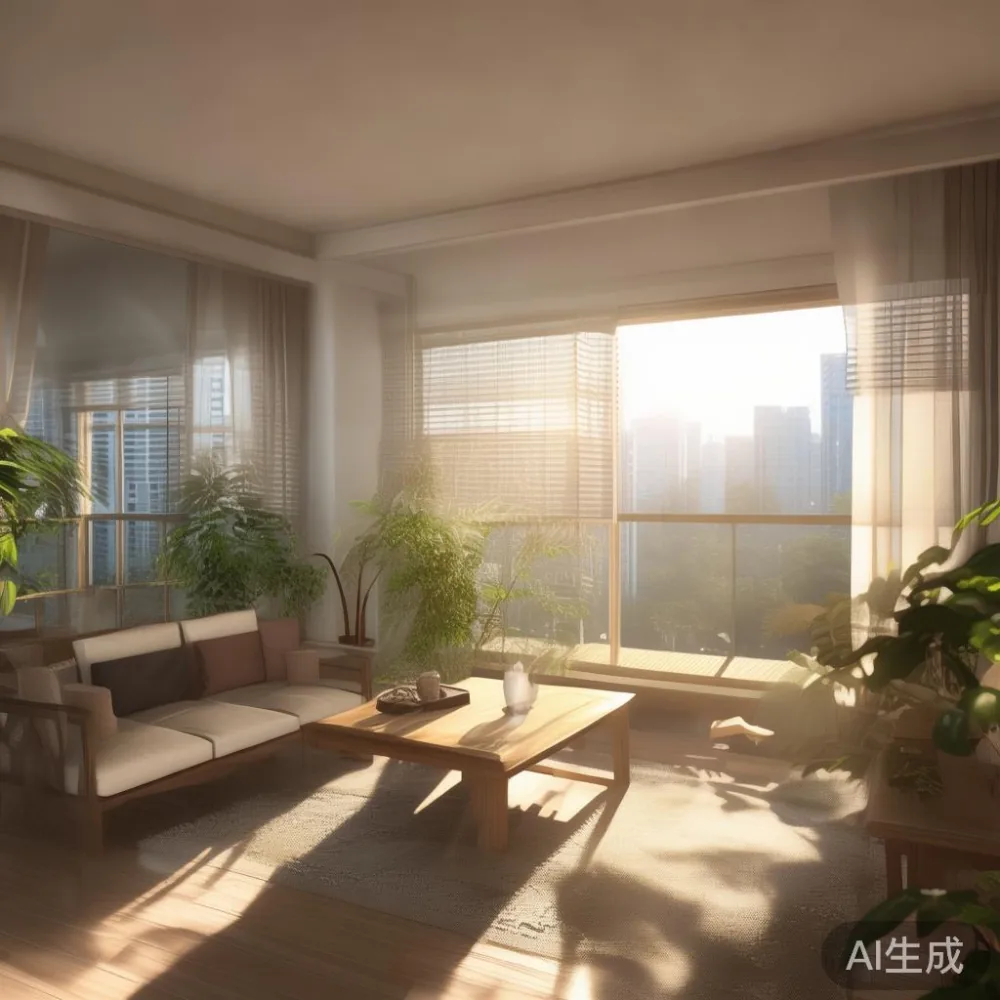
For Singapore homeowners furnishing HDB flats and condos in Tampines, Bedok, and Punggol, those variables matter. A 220 cm table can be comfortable in an open-air void deck but impossible to turn around a 110 cm service corridor. A 38 kg teak dining set may suit a sheltered patio but become difficult for one family member to move from the loading bay. GST adds 9% to both low and high-priced purchases, while lift dimensions and staircase turns can decide whether a piece arrives normally or requires special handling.
This guide examines the actual cost drivers behind solid wood furniture, including outdoor patio sets, solid wood sofas, bed frames, dining tables, wardrobes, nightstands, and marble tables. It also explains where light-luxury styling changes the budget, and where it does not.
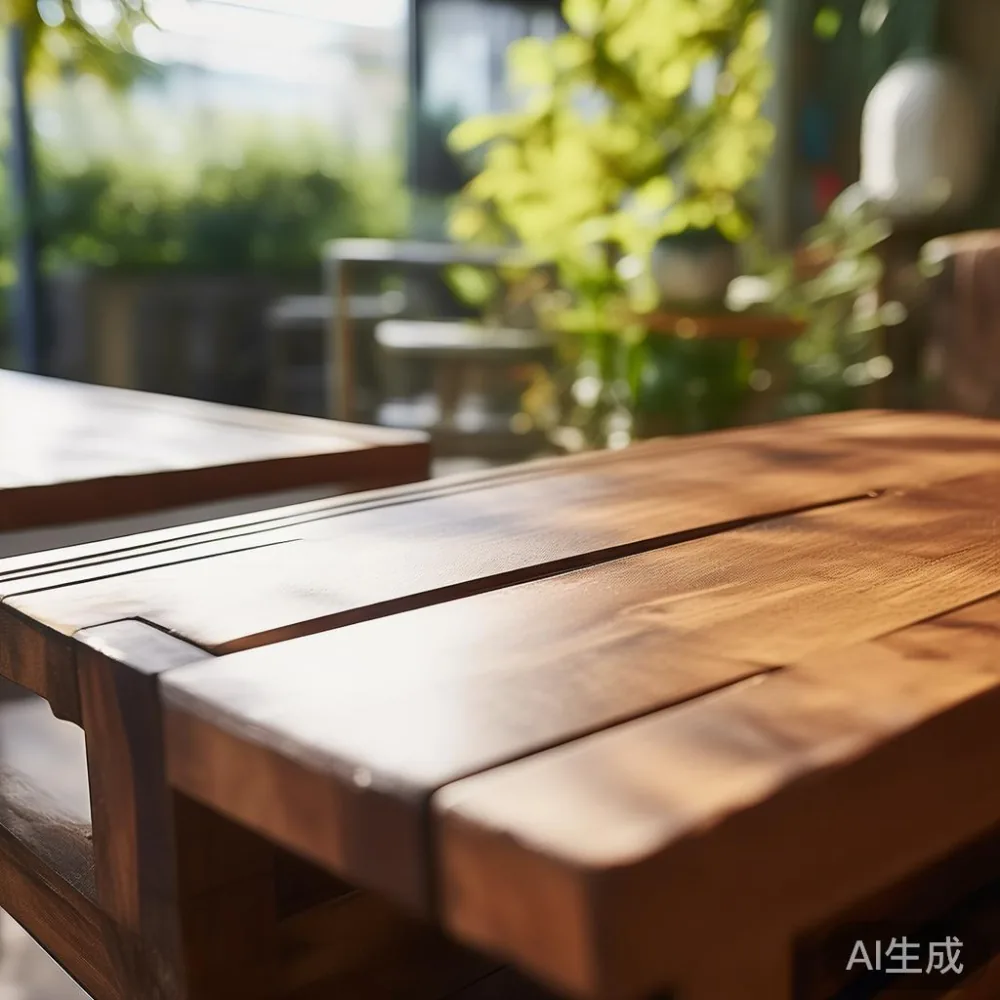
What determines the price of solid wood outdoor patio furniture?
Wood species is usually the first price driver, but density is only part of the calculation. Teak is widely used for outdoor patio furniture because its natural oils help resist moisture and insects. It remains expensive because supply is constrained and kiln drying takes time. Other hardwoods, including acacia, oak, ash, and rubberwood, can offer different appearances and price points. A species name alone does not confirm grade, moisture content, or treatment.
Look for specific figures. Solid teak with 8% to 12% moisture content is suitable for many outdoor conditions. Kiln drying should occur gradually, often over 14 to 30 days depending on thickness and the supplier’s process. Boards that have been dried quickly may check later as they respond to humidity. A credible seller should be able to state the timber, thickness, moisture range, finish, and expected service life rather than relying on “premium hardwood” as a substitute for information.
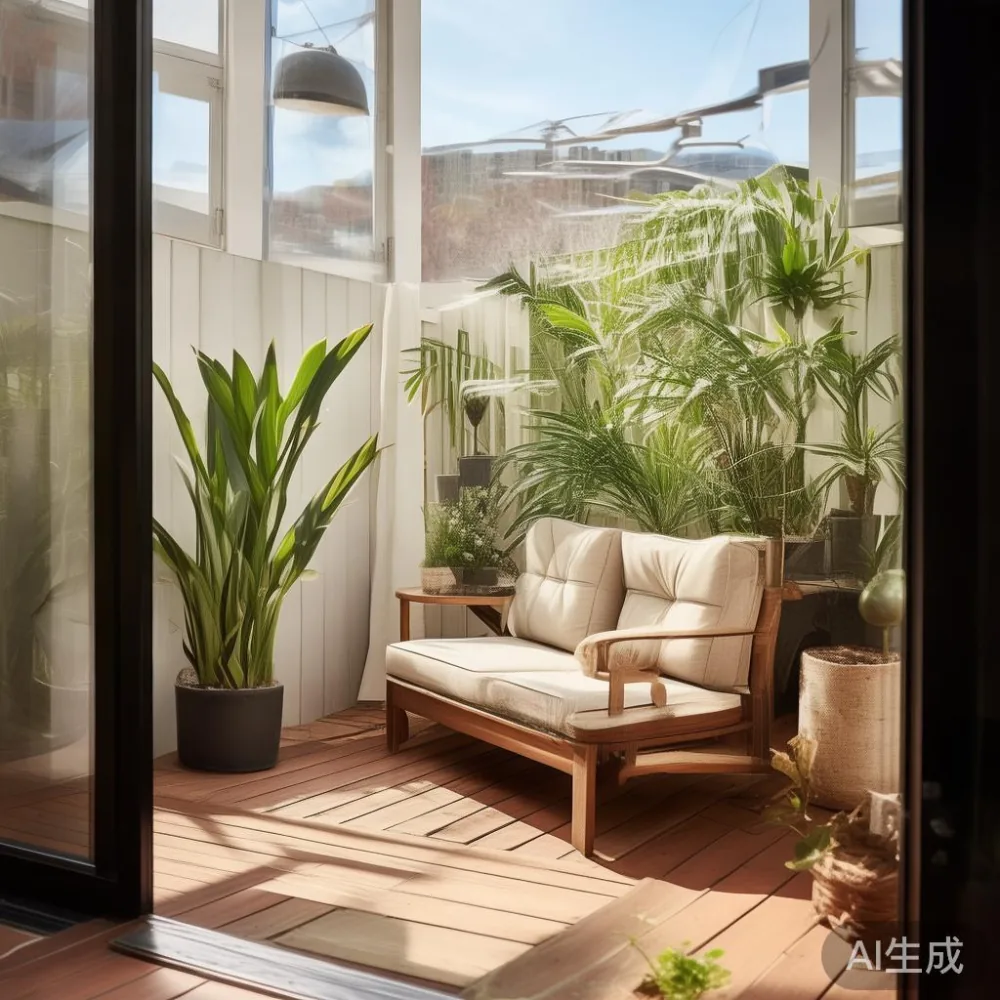
Thickness changes both material cost and stability. A dining tabletop made from 25 mm boards usually uses more timber than one built from 18 mm boards. A 30 mm top may support heavier daily use but can weigh 45 to 75 kg before the base is added. Solid wood sofa frames benefit from properly sized rails and legs because a low-cost frame can still use substantial timber while relying on weaker joints. The useful comparison is not kilograms by price, but kilograms per supported load and years of use.
Joinery often reveals more about a furniture item than its visible grain. Mortise-and-tenon joints, dowelled joints, and bridle joints can provide long service life when correctly cut. Screws alone are not automatically poor construction, but a frame assembled mainly with short particleboard screws is easier to loosen outdoors. Outdoor patio tables also benefit from sloped or ventilated undersides that reduce trapped moisture. These details add workshop time, yet they influence whether a table remains steady after 3 humid years.
Is Mid-century modern sofa worth it for an outdoor patio?
The question “is Mid-century modern sofa worth it” is often asked about indoor seating, but the answer is more cautious for an outdoor patio. Most sofas are not designed to tolerate direct rain, standing water, or intense ultraviolet exposure unless the manufacturer explicitly says otherwise. A solid wood sofa with a weather-resistant frame may work on a covered veranda, while upholstered cushions should usually have removable covers, quick-dry foam, and a storage plan for monsoon humidity.
Mid-century modern forms typically use tapered legs, clean lines, and warm timber tones. They suit French light luxury, American light luxury, and post-modern light luxury interiors, especially when paired with restrained upholstery and simple outdoor textiles. The visual style is achievable without importing an indoor sofa into an exposed patio. However, a frame that is merely labelled “weatherproof” should be checked for a stated moisture limit, finish type, and warranty coverage.
For a Singapore balcony, I would allow at least 90 cm of clear circulation behind a 220 cm sofa and keep the seat away from open drainage edges. A two-seat model may measure 160 to 185 cm and weigh 45 to 70 kg. Before ordering, confirm whether it is intended for covered or exposed outdoor patio use. The lower price of an untreated frame may be reasonable indoors, but outdoor exposure adds replacement risk that a warranty can make clearer.
How much should joins, hardware, and finishes add to the price?
Hardware represents a visible but often overlooked portion of the cost. Quality drawer runners, cabinet hinges, and locking mechanisms affect smooth movement over years. For a wardrobe with 6 doors, the hinges, rails, handles, and internal fittings can add hundreds of dollars before installation. A nightstand with 2 drawers and concealed soft-close hardware carries a smaller but measurable hardware allowance. Moving a premium fitting is not merely cosmetic; it reduces impact noise in a condo bedroom and improves daily use.
Outdoor finishes require a different calculation from indoor lacquer. Penetrating oil can preserve the tactile appearance of teak and allow the surface to be maintained. A film-forming coating may offer stronger initial water resistance but can eventually become patchy if preparation is inconsistent. Ask whether the finish is water-based, oil-based, or solvent-based, how many coats are applied, and what maintenance interval the supplier recommends. A patio dining table normally needs inspection and cleaning every 3 to 6 months, with refinishing scheduled according to exposure rather than a fixed national rule.
MIDHILL describes a 10-year structural warranty and lifetime refinishing for its furniture range, but buyers should confirm which pieces, environments, and wear items are covered. A structural warranty does not automatically cover every cushion, screw, finish defect, or shipping scratch. For outdoor patio furniture, the written exclusions are as important as the headline period.
How do size, weight, and Singapore access affect the final bill?
Access can add 5% to 20% to an outdoor patio order in practical terms. The key measurements are the lift car’s internal width and depth, the diagonal needed to turn a package, the corridor width, and the distance from the loading bay to the flat. A standard lift may measure 110 by 140 cm at the door and less than 110 cm across the car. A 240 cm dining table will not pivot through some landing turns even if it weighs less than a heavier but compact table.
Ask the supplier for the packaged dimensions of every component, not only the assembled dimensions. Chairs can often be shipped separately, and a table may use a detachable top with 2 bases. That design can reduce the largest carton to 120 by 80 cm and make a delivery easier. On the other hand, flat-packed joinery increases assembly time and the risk of incorrect tightening by the customer.
Delivery timing also affects quotes. In-stock Singapore stock may arrive in 3 to 7 working days after payment. A made-to-order piece may take 30 to 60 days, with stock arriving 3 to 7 days later. Longer lead times should be disclosed before payment, especially during renovation periods. Free delivery over US$350 does not remove the need to check the Singapore threshold, GST treatment, and lift booking charges. At a SGD 3,000 pre-GST order, 9% GST adds SGD 270, producing a total of SGD 3,270.
My colleague at an earlier fitting project learned this the practical way. A 210 cm solid wood dining table had attractive oak grain, but its assembled carton was 225 by 95 cm. It could not clear a 90 cm stairwell turn in a Bedok block. The manufacturer split the top and base into 4 cartons, added protective corner packaging, and completed the delivery over 2 days. The redesign took less than 48 hours to arrange, yet it prevented a failed delivery and a damaged home entrance.
How much do design details and light-luxury styling cost?
Light luxury is usually visible in proportion, material consistency, and detail quality rather than in oversized dimensions. French light luxury often uses pale woods, softened shapes, upholstered seating, and marble or stone accents. American light luxury leans toward generous proportions, deep cushions, and substantial timber sections. Post-modern light luxury mixes clean geometry with selective curves, bold accents, and contrasting materials.
A solid wood sofa with 18 cm seat cushions, shaped arms, and a kiln-dried frame will cost more than a simpler frame with 12 cm cushions. A marble table introduces a separate price structure because selection, reinforcement, polishing, and safe transport matter. A 120 by 60 cm marble-top coffee table may weigh 35 to 55 kg. Its base must be engineered for the load, and the natural variation in each slab means photographs can show only a representative example.
The phrase “for sale Modern light luxury furniture” sounds promotional, but it should not replace measurable specifications. Buyers still need timber species, solid-wood coverage, veneer details, joinery, cushion density, stone thickness, and finish information. A designer dressing can add SGD 150 to SGD 600 to a dining table through shaped edges, matched grain, or inset details. If those details do not improve use or finish quality, they are style premiums rather than structural investments.
What should a Singapore buyer compare before paying?
Start with the use location. A covered balcony in Tampines may tolerate an indoor-rated dining table, but a poolside terrace in Punggol requires more attention to moisture. Measure the patio from wall to railing and allow 90 cm for chairs and service movement. Confirm sun exposure, drainage, and whether furniture will remain wet overnight. For dining, allow roughly 60 cm per person; a 180 cm table comfortably seats 4, while a 220 to 240 cm table usually accommodates 6.
Next, compare material construction rather than broad labels. Confirm whether “solid wood” applies to the entire piece or only selected parts. It is common for a wardrobe to combine solid timber frames and drawer fronts with plywood backs. That can work well when the panels are dimensionally stable and the joints allow controlled movement. The buyer should know exactly which components are solid wood, what thickness is used, and how moisture changes were considered.
When asking how to choose light luxury bed, begin with the room and mattress. A queen mattress requires a frame of roughly 160 by 200 cm in Singapore sizing, while the listed bed dimensions may exceed those figures. Allow space to turn the mattress, access both sides, and open drawers without hitting a wall. If “best Boho bed for 2026” is the search, focus on rattan or woven details, a stable solid-wood structure, and removable covers rather than a temporary decorative finish.
Wardrobes need the same measured approach. A 150 cm wardrobe may offer 6 doors if the internal divisions allow it, but hanging space and shelf positions determine real capacity. For a compact HDB bedroom, a 120 cm unit might include 2 hanging bays and 3 drawers. Inspect the runners at full extension and check whether the carcass includes a solid-wood frame, partial solid-wood panels, or mixed construction. If the phrase “best Scandinavian wardrobe for 2026” appears in a listing, the actual dimensions and materials should support that design claim.
Finally, compare the commercial terms. MIDHILL has operated since 2008, exports to more than 15 countries, offers a 10-year structural warranty, lifetime refinishing, free shipping above US$350, and 14-day returns, subject to the stated conditions. Buyers should record the item price, 9% GST, delivery charge, installation requirement, return exclusions, and expected delivery window. Those details are more useful than a rounded marketing figure.
Which price differences are worth paying for?
The most useful premium is usually durability supported by specifics: stable timber thickness, well-fitted joints, suitable outdoor finishes, concealed reinforcement, and a clear warranty. Those features can protect a furniture investment over 10 years or longer. Paying more merely for a heavier piece is less convincing because weight can make handling harder. Paying less for a weak frame may appear economical over 1 year, but it can create repeated costs in repairs, early replacement, and failed access arrangements.
A practical solid wood dining table for a Singapore balcony might fall around SGD 1,800 to SGD 3,800 before GST, depending on size, species, finish, and detailing. A larger teak outdoor patio dining set can move into the SGD 4,500 to SGD 8,500 range. An indoor solid wood sofa may range from SGD 3,200 to SGD 9,000, while a marble table can add approximately SGD 900 to SGD 3,500 before GST. A bed frame might sit between SGD 1,500 and SGD 4,500. These bands are reference points, not automatic quotes.
The real price driver is the sum of material, precision, finish, access, service, and risk. A well-specified SGD 2,400 table that survives 8 to 10 years and fits through the lift can offer better value than an unclear SGD 1,700 table that needs replacement or specialist delivery sooner. Ask for the numbers behind every claim, measure the route, and choose construction that suits the patio’s exposure. The most convincing solid wood furniture is not merely photogenic in a showroom; it is accurately described, correctly sized, and practical in the home where it will be used.