The True Cost of Outdoor Furniture: A 5-Year Veneer vs Solid Wood Analysis for Singapore Homes
Last month, I visited a client in a Tampines HDB flat, and their concern about the durability of outdoor furniture struck a chord. With lift and corridor widths often being a tight 80 cm, and the additional 7% Goods and Services Tax (GST) in mind, choosing the right outdoor patio furniture can be a daunting task. In this article, we explore a 5-year cost comparison between veneer and solid wood, providing a clear picture for those looking to invest in long-lasting, elegant outdoor furniture.
Understanding the Core Difference: Veneer and Solid Wood Construction
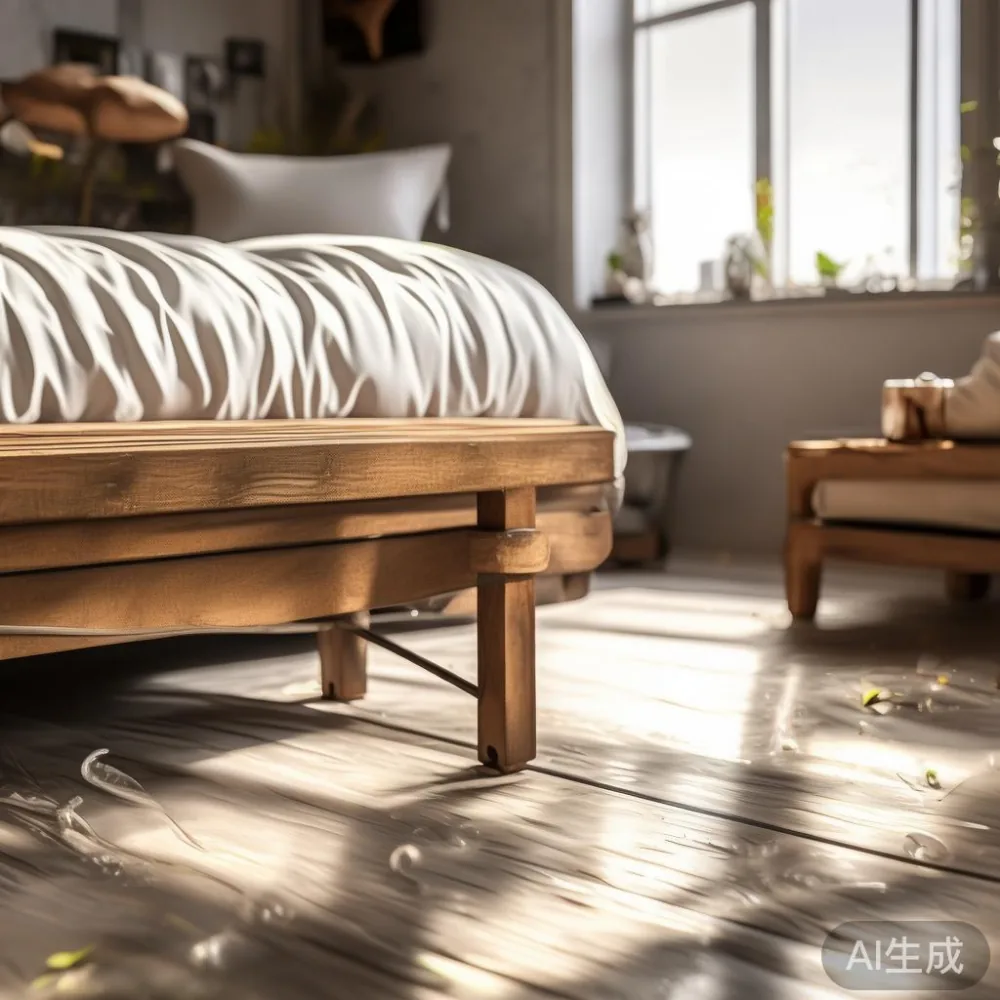
In the area of outdoor furniture, both veneer and solid wood have their distinct characteristics. Veneer consists of a thin layer of real wood, typically 0.6 mm to 2 mm thick, glued to a composite base like particleboard or MDF (Medium-Density Fibreboard). This base material is susceptible to moisture and humidity, making it a risky choice for Singapore's climate. On the other hand, solid wood furniture is constructed from a single piece or multiple solid pieces of wood, such as teak, acacia, or eucalyptus. This material is naturally more resistant to warping, cracking, and weathering, making it an excellent choice for an outdoor patio. A solid wood dining table, for instance, will have a consistent grain pattern and a much heavier feel, often weighing between 45 kg to 70 kg for a standard 6-seater, compared to a veneer table that might weigh only 25 kg to 35 kg due to its lighter core.
The Initial Investment: A Singaporean Perspective on Price
For initial cost, veneer furniture presents a more budget-friendly option upfront. A standard 3-seater veneer outdoor sofa might cost around SGD 800, while a comparable solid wood sofa, crafted from durable teak, could start from SGD 1,800. This price difference is significant, especially for first-time homeowners or those furnishing a new condo in Bedok. However, this initial cost does not tell the whole story. The 7% GST applies to both, so the final price for the veneer sofa would be SGD 856, and the solid wood sofa would be SGD 1,926. The key question is whether the lower initial price of veneer furniture is a true saving or just a delay of a larger expense.
Longevity and Durability: How Singapore's Weather Affects Your Furniture
Singapore's tropical climate, with its high humidity levels averaging 80% and intense year-round UV exposure, is a rigorous test for any material. Solid wood furniture is renowned for its longevity. With proper care, a high-quality solid wood sofa can last for 15 to 25 years. In contrast, a veneer sofa might show signs of delamination—where the wood layer separates from the MDF base—as early as 3 to 5 years. This is a critical factor to consider, especially in areas like Punggol, where sea salt in the air can accelerate the deterioration of composite materials. A solid wood piece, due to its density and natural oils, simply withstands the elements far better, retaining its structural integrity and appearance for decades.
The True Cost of Ownership: Maintenance and Refinishing Over 5 Years
Maintenance costs play a significant role in the overall 5-year cost comparison. Solid wood furniture requires periodic maintenance to preserve its beauty. This involves annual cleaning with a wood soap and the application of a protective oil or sealant. A professional refinishing service, which may be needed every 3-5 years depending on exposure, costs approximately SGD 250 to SGD 400 for a dining table. Veneer furniture, however, has a limited lifespan. Once the MDF core absorbs moisture and swells, it is often irreparable. The cost to replace a worn-out veneer sofa after 5 years could be SGD 900, plus another SGD 96.30 for GST. Over a 5-year period, the cumulative cost for veneer can quickly surpass that of solid wood when you factor in replacement and potential disposal fees.
How Do Veneer and Solid Wood Compare in Real Singaporean Living Spaces?
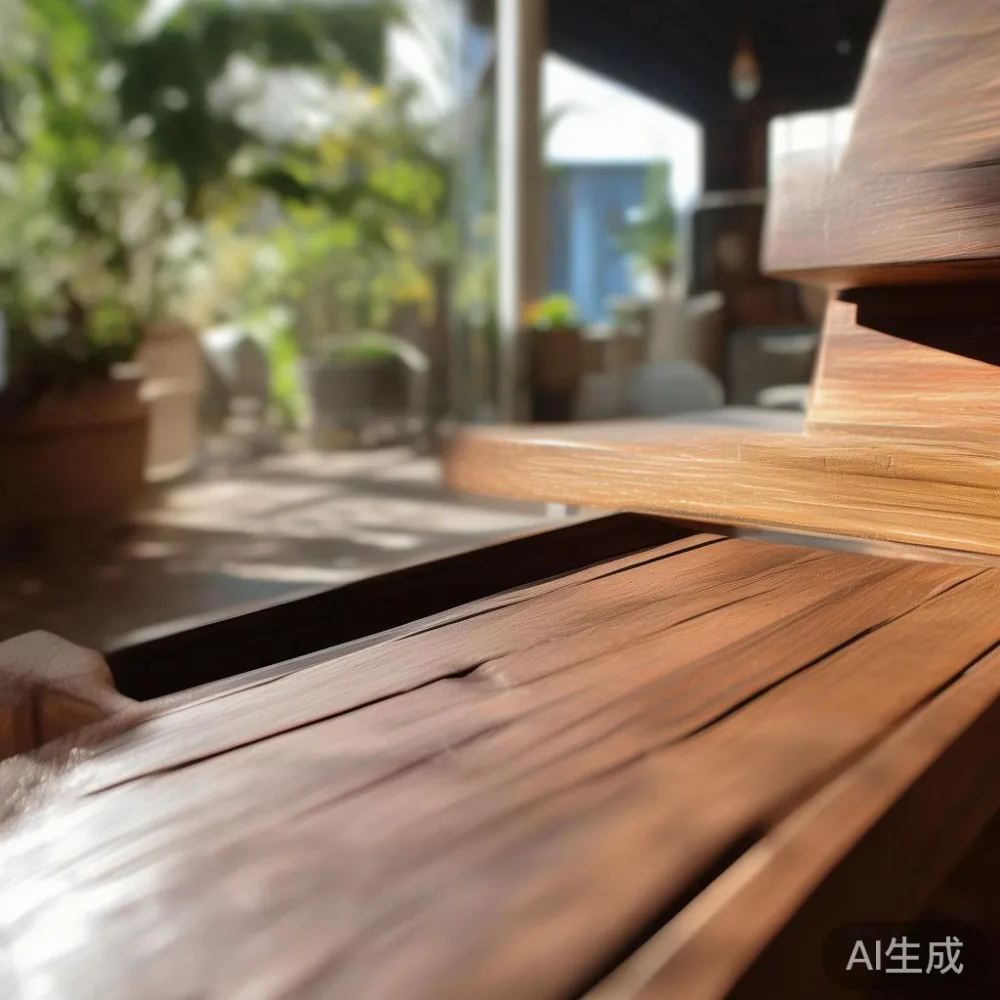
This is a question I get from clients frequently, especially those living in HDB flats and condos where space and practicality are paramount. The physical properties of these materials have a direct impact on your daily life. Solid wood furniture is heavy. A solid wood wardrobe, for instance, can weigh over 100 kg. This makes moving it a two-person job and requires careful planning for fitting into a standard HDB lift, which has a load limit of 320 kg and internal dimensions of approximately 110 cm x 140 cm. Veneer furniture is much lighter, but this comes at the cost of durability. For an outdoor patio, where the furniture is constantly exposed, the weight of solid wood is actually an advantage, providing stability against strong winds. A solid wood marble table base, for example, offers a low center of gravity that a veneer equivalent cannot match.
A Light Luxury Perspective: Style, Quality, and Investment Value
For those seeking a light luxury experience, solid wood furniture stands out in terms of quality and timeless appeal. A French light luxury dining table, with its intricate carvings and rich wood grain, creates an atmosphere of understated elegance that veneer simply cannot replicate. The texture and depth of solid wood are unmatched. While the initial cost might be higher, the investment holds its value much better. A well-maintained solid wood dining table from a maker like MIDHILL can be considered a piece of art that appreciates in character over time. In contrast, a veneer piece is often seen as a temporary furnishing. When styling an outdoor patio, the choice of a solid wood bed frame or a solid wood sofa anchors the space with a sense of permanence and quality that defines true light luxury.
A Real-World Case Study: My Colleague's Experience in Punggol
One of my colleagues, Sarah, recently moved into a new apartment in Punggol. She was on a tight budget and initially opted for a veneer outdoor dining set for her balcony. The set cost SGD 1,200, which seemed like a great deal. However, after just 18 months, the humid sea air caused the tabletop to bubble and the chairs' legs to wobble. The MDF core had absorbed moisture and was falling apart. She had to spend another SGD 1,500 on a new, solid acacia wood dining table and chairs from a local retailer. She later told me, "The initial savings vanished completely, and I ended up paying more for a set that probably won't last as long as a quality solid wood piece would have from the start." This experience perfectly illustrates the hidden costs of choosing veneer for an unforgiving environment.
The 5-Year Financial Breakdown: A Detailed Comparison
Let's put concrete numbers to this analysis. We will compare a 3-seater outdoor sofa and a 4-seater dining set over a 5-year period, including GST.
| Cost Factor | Veneer Option | Solid Wood Option |
|---|---|---|
| Initial Purchase (Sofa + Dining Set) | SGD 2,000 | SGD 4,500 |
| Initial Cost with 7% GST | SGD 2,140 | SGD 4,815 |
| Year 1 Maintenance | SGD 50 (cleaning products) | SGD 100 (teak oil) |
| Year 3 Maintenance | SGD 0 (assuming no repair needed) | SGD 250 (professional refinishing) |
| Year 5 Replacement Cost | SGD 2,500 (full replacement needed) | SGD 0 (no replacement needed) |
| Total Cost at Year 5 | SGD 4,690 | SGD 5,165 |
As the table shows, while the solid wood option has a higher initial outlay, the total cost over 5 years becomes very competitive. If the veneer set needs replacement at year 4 instead of year 5, the total cost for veneer rises to SGD 5,190, making solid wood the more economical choice in the long run.
Styling Your Singapore Patio: Material Aesthetics and Function
The choice of material also influences the style and functionality of your outdoor patio. Solid wood offers a warmth and authenticity that complements various design aesthetics. For a minimalist condo in Tampines, a Scandinavian for dining room approach using light-coloured solid wood like ash or oak can create a bright, airy space. The natural variations in the wood grain add a unique, organic touch that cannot be mimicked by the uniform look of veneer. For a more dramatic statement, a solid wood piece with a marble inlay can serve as a stunning centrepiece. The weight and sturdiness of solid wood also mean it can hold heavier objects like large potted plants or stone decor without issue, something a lighter veneer surface might struggle with.
Where to Find Quality Solid Wood Furniture in Singapore
For Singaporeans looking to make the smart long-term investment in solid wood furniture, it's important to choose a reputable brand. A company like MIDHILL, established in 2008 and exporting to over 15 countries, offers the kind of quality assurance that is reassuring. Their 10-year structural warranty and lifetime refinishing service are not just marketing points; they are a proof of the confidence they have in their products. When considering a purchase, look for warranties that cover structural integrity, as this is the most critical aspect of outdoor furniture. Free shipping on orders over SGD 350 is also a significant benefit, as it eliminates a major logistical hurdle for large, heavy items like a solid wood bed frame or a dining table. The 14-day return policy provides a safety net, ensuring you are completely satisfied with your choice before it becomes a permanent fixture in your home.
Conclusion: Making the Informed Choice for Your Home
When evaluating outdoor patio furniture for your Singapore home, the decision between veneer and solid wood extends far beyond the initial price tag. A 5-year financial analysis reveals that while veneer may seem cheaper at first, its shorter lifespan and higher replacement costs can make it a more expensive proposition over time. Solid wood furniture, with its superior durability, lower long-term maintenance needs, and timeless aesthetic, represents a more prudent investment. It withstands the harsh Singaporean climate, holds its value, and provides a sense of quality that enhances your living space. For those who appreciate the finer things in life, the choice is clear: solid wood is the material that will continue to serve and beautify your outdoor patio for many years to come.