How to Care for a Lacquered Surface in Singapore’s Tropical Climate
Singapore’s climate can be hard on lacquered furniture. Humidity often stays above 70%, ultraviolet light is strong, and rain can reach a condo balcony even when the unit faces inland. A well-finished lacquer can retain its colour for years, but only if heat, moisture, dirt, and sunlight are managed consistently.
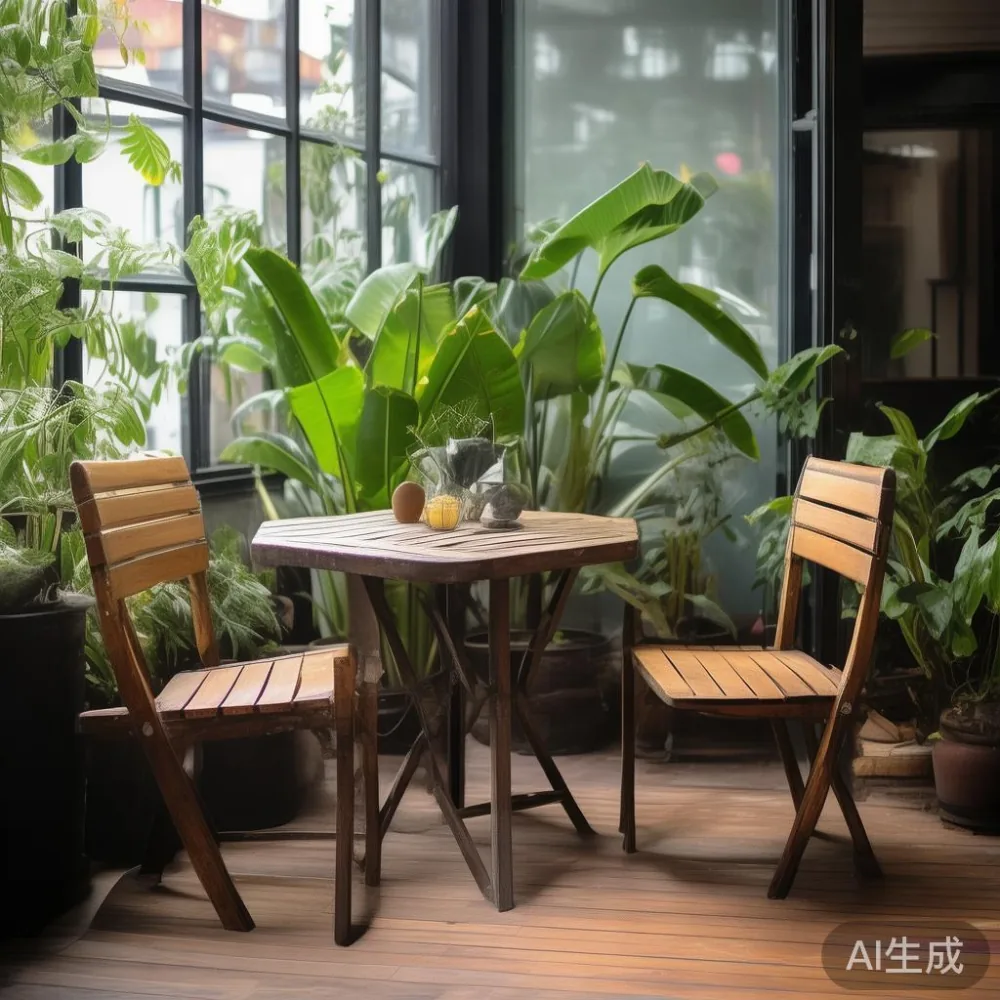
At MIDHILL, we make lacquered solid wood furniture for indoor and sheltered outdoor patio use. Care still matters after delivery: a dining table beside a balcony door may see more moisture than a bed frame in an air-conditioned bedroom. The aim is not to fear Singapore weather, but to establish a measured routine that protects the finish without making the home feel clinical.
This guide applies to lacquered dining tables, cabinets, bedside pieces, and seating. It also covers marble table care where a stone top shares the same humid setting. Always confirm whether a product is lacquered before using water, oil, wax, or a household cleaner.
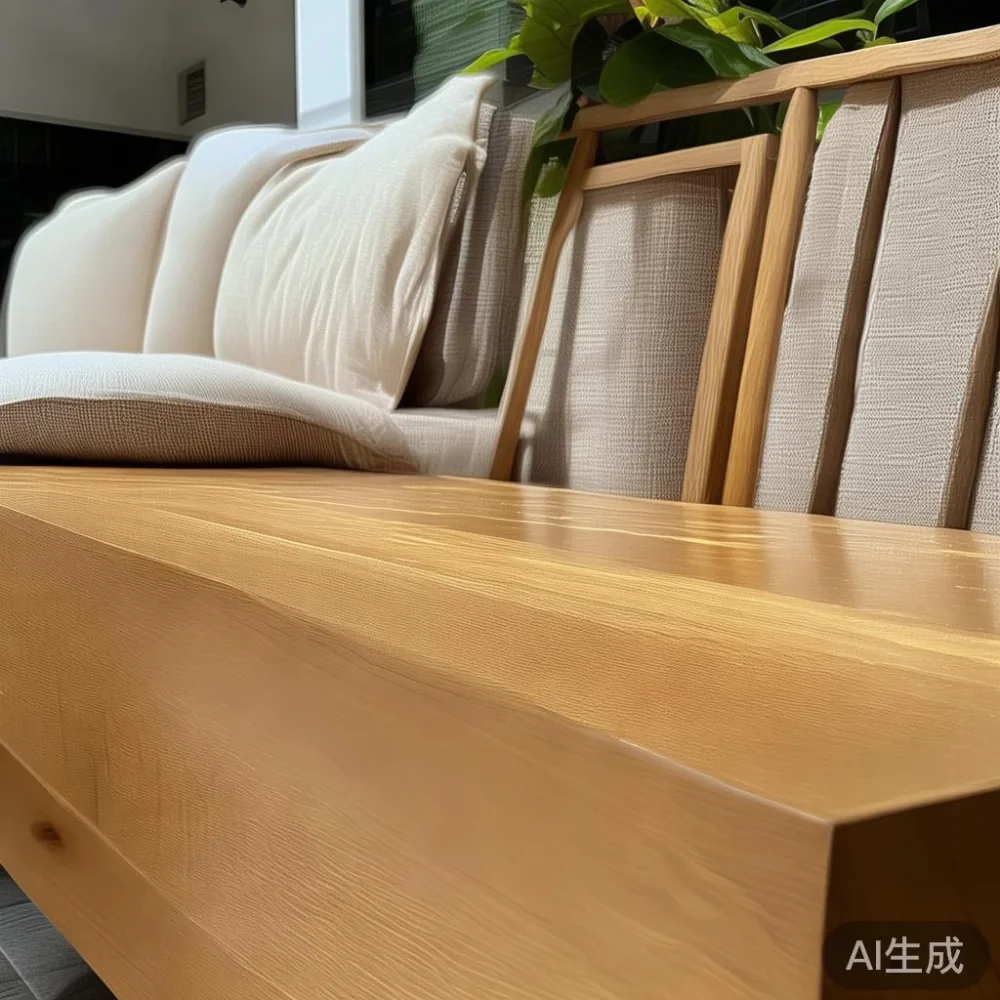
What makes tropical lacquer care different?
Three stresses work together in Singapore: water vapour, temperature movement, and sunlight. A resin finish may feel smooth and glass-like, yet microscopic expansion and contraction can produce clouding, hazing, sticky patches, or fine checking over time. Salt carried by sea air can also settle on a film of moisture and become an abrasive layer.
For a typical HDB flat in Tampines, Bedok, or Punggol, aim for about 40–60% indoor relative humidity where this can be achieved comfortably. Air-conditioning may lower humidity temporarily, while a humid afternoon pushes it higher. Use a hygrometer costing approximately SGD 20–SGD 45, position it near the furniture for 7 days, and record readings at about 8 a.m., 2 p.m., and 9 p.m. rather than relying on a single number.
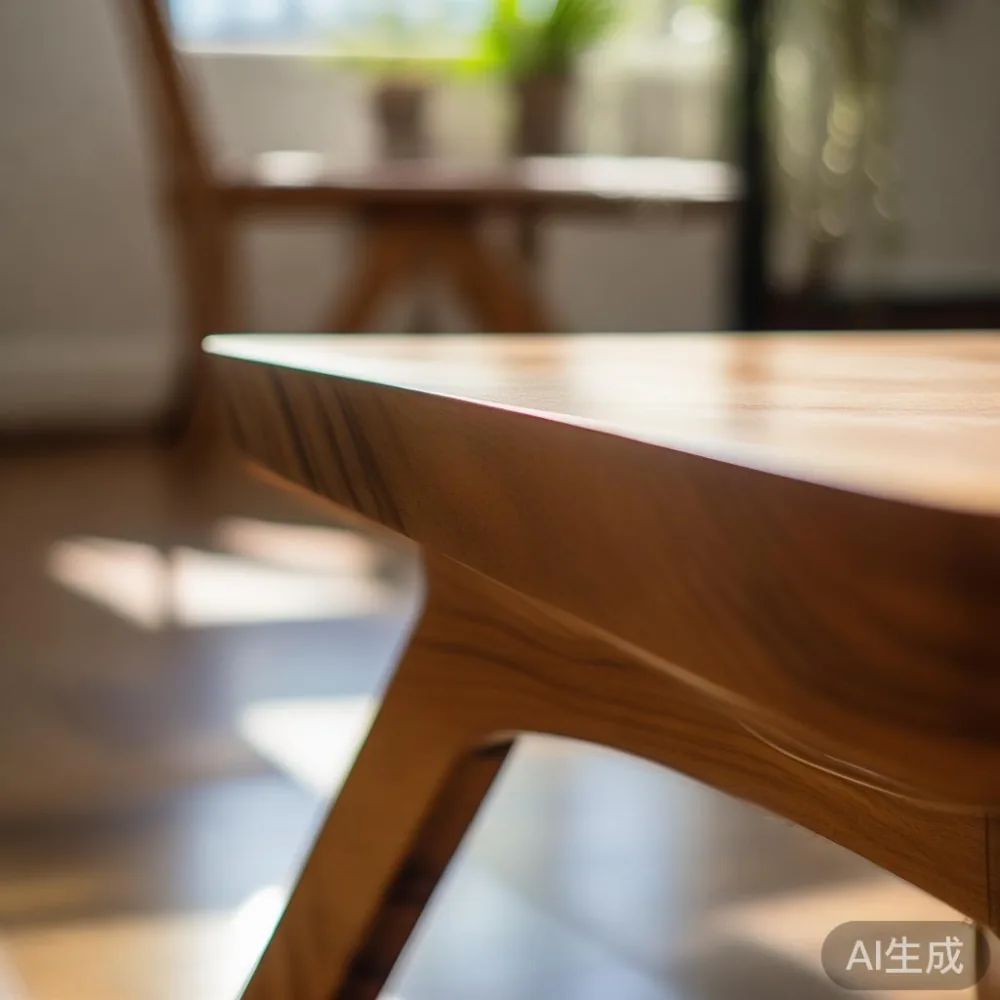
Keep lacquered furniture at least 30 cm from an open balcony threshold, 60 cm from a west-facing window, and 50 cm above a wet floor. Do not place it against an exterior wall that stays cool and damp. If an outdoor patio arrangement is unavoidable, use a covered area, keep runoff away from the legs, and distinguish a product approved for outdoor use from one intended only for sheltered conditions.
Condensation is not limited to homes directly facing the sea. A cold drink placed on a lacquered top can create a wet ring in under 1 minute. A warm pot may leave a print that develops over 2–3 hours. Manage small spills immediately, but use a soft cloth rather than scrubbing a mark repeatedly.
How should I clean a lacquered surface?
Start with a dry microfibre cloth, approximately 20 cm square. Vacuum or brush away grit before damp cleaning because particles dragged across lacquer can create hairlines. For routine care, lightly dampen the cloth with plain water and wring it until no droplet forms.
Wipe once in the direction of the grain, then wipe again with a clean section of cloth. Use about 2–5 ml of mild, pH-neutral dish soap in a 1-litre bucket only when a dirty film remains. Avoid bleach, ammonia, alcohol, solvent, abrasive powder, and polish containing silicone unless the furniture maker confirms compatibility.
Never soak an edge, joint, or upholstered section. Do not run water into seams beneath a lacquered panel. Lacquer generally resists a short, controlled wipe, but prolonged exposure can cause swelling or loss of gloss. For spills, remove liquid within 5 minutes. For sticky residue, test a barely damp cloth on a 5 cm x 5 cm area hidden below the table for 24 hours before treating the whole section.
Clean lacquered dining tables every 1–2 weeks during heavy use and every 2–4 weeks in quieter periods. Wipe balcony-facing surfaces every 7 days. Avoid placing damp shopping bags, wet towels, paint tools, or plants with saucers directly on the finish. Coasters should have a cork or soft-felt underside and measure at least 2 cm wider than the object’s base.
How hot and wet should the storage area be?
For lacquered solid wood, stable indoor conditions are easier to maintain than repeated swings. Keep the temperature near 23–27°C if practical, avoid direct air-conditioner vents, and limit rapid surface changes greater than about 8°C. Do not move a piece from an air-conditioned flat into a hot corridor immediately; leave it in the lift lobby or room for 30–60 minutes when possible.
When moving furniture, measure the route before buying or building it. A common HDB lift door may be about 90 cm wide with a lift car around 107 cm wide and 140 cm deep, though block-specific dimensions vary. A corridor width of roughly 110–150 cm can still make turns difficult for a 180 cm dining table. Elevators normally permit large goods only during designated moving periods, and building management may charge a booking fee or insurance deposit.
Wrap the furniture in 5–8 layers of protective blanket and add corner protection up to 3 mm thick. Carry panels vertically only when the maker permits it; never twist a lacquered component more than a few degrees. A 40 kg side table needs at least 2 trained handlers. Set the price aside as part of the original budget: a service lift booking and 2 hours of paid moving time can add approximately SGD 80–SGD 250.
For storage, maintain clearance beneath cabinets and wardrobes. A Modern light luxury wardrobe should stand according to its installation instructions, usually with wall fixings and suitable spacers, not tightly wedged against a damp wall. Allow about 5 cm at floor level if the maker specifies it, and keep corridor doors or sliding panels from striking the lacquer during use.
How should sunlight and condensation be managed?
UV exposure can fade pigments and weaken topcoats even if the surface feels comfortable. Measure illuminance with a simple meter around SGD 25–SGD 80, or place a light-sensor data logger near the piece for 7 days. Where direct sun exceeds roughly 10,000 lux for more than 60 minutes per day, add a curtain, blind, or UV film that blocks at least 80% of UV wavelengths.
Do not use a hot halogen work light 10 cm above a lacquered surface. Keep table lamps and portable heaters at least 30 cm away. Open balcony doors during a shower only if the dining table is more than 60 cm inside and the finish is not approved for wet exposure. A draught from an open door can lower a panel’s temperature quickly, increasing condensation risk.
After rain, wipe visible moisture from nearby frames within 15 minutes. Check the underside of balcony-facing cabinets every month. If the coating appears dull for 2 days after wiping with a clean cloth, moisture may be trapped below it. Do not apply polish automatically; allow the area to dry naturally in moving air and ask the maker whether the finish can be restored.
For a sheltered outdoor patio, add a canopy with at least 90% rain coverage. Maintain a 10 cm gap between a wall and the furniture for airflow. A drainage slope of about 1:80 can direct water away, but furniture should never stand in a puddle. Confirm product-specific instructions before treating a lacquered solid wood sofa as outdoor furniture; many upholstered models are made for covered areas only.
When is polishing or touch-up appropriate?
Polish is optional, not a weekly requirement. It can temporarily improve gloss but may leave a film that attracts dust, and incompatible products can soften the lacquer. Use only a maker-approved product, apply a quantity the size of a 5 SGD coin to a 20 cm x 20 cm cloth, and test it on a concealed 5 cm x 5 cm area for 7 days.
Small marks are not automatically repairable with a coloured pen. If a scrape exposes wood or the mark can be felt with a fingernail, photograph it in daylight and request maker guidance. A solid wood sofa, bed frame, wardrobe, or nightstand may need sanding, recolouring, and a new clear coat rather than a cosmetic repair.
Marble requires a different routine from lacquer. Neutralise acidic spills quickly and wipe porcelain and stone surfaces with a soft cloth. Never mix bleach with acidic bathroom cleaners; the reaction can release harmful gas. A marble table should use stable supports and coasters, and its underside needs adequate ventilation. If a dining table combines a lacquered timber base with a marble top, follow the stricter stone-care instructions for the top while protecting the wood from standing water.
Consumers comparing a European bed vs Japandi bed often focus on profile and material, yet the care zone matters too: keep both away from an open balcony threshold. Searches for a Japanese sofa vs Japandi sofa can offer useful dimensions, but verify seat material, frame construction, and finish before any purchase. The popular phrase best Coastal sofa for 2026 describes a style preference rather than a care classification, so a coastal palette should never be treated as permission for constant sun and salt exposure.
What should a real care schedule look like?
Last month, I visited a furnished condo near Bedok and measured the humidity beside an east-facing dining table for 7 days. The readings ranged from 58% to 79%, and a west-facing balcony cabinet reached 36°C during the afternoon. Fine dust had already settled along the lacquered table edge. A dry microfibre wipe removed it in about 2 minutes, while a damp cloth left a temporary streak that needed a second dry pass.
I then placed the cloth 5 cm above the tabletop to check airflow. A thin, clean towel lifted away dust without leaving fibres. The useful discovery was not a miraculous cleaner but the need to separate daily dust control from occasional washing. The resident also kept a 60 cm gap from the sliding balcony door, which reduced condensation after evening rain.
A practical weekly plan is straightforward: check for spills every day; wipe high-touch surfaces every 7 days; inspect balcony edges every 14 days; and clean more often if salt, cooking vapour, or visible dust accumulates. Every month, check legs, undersides, door runners, and wall contact points. Twice a year, inspect the finish under daylight and photograph any change so deterioration can be tracked over a 12-month period.
For families with children, keep coasters and felt pads on at least 80% of table settings. Assign one 10-minute cleaning session after dinner rather than doing an aggressive clean late at night. A small tray sized around 40 cm x 30 cm can collect craft crumbs and damp utensils before they reach the lacquer.
Style decisions can remain practical within compact homes. A Scandinavian for guest room setup needs only 2–3 items that work beyond one visual style, and each lacquered nightstand should have closed storage for humidity-sensitive objects. A dining table for 6 people needs approximately 60 cm per place setting, so 360 cm of edge length is a sensible starting point before adding chairs.
A MIDHILL coffee table review should discuss clearances and finish care, not appearance alone. Leave at least 45 cm between a coffee table and a solid wood sofa where people pass frequently, and 35–45 cm where legs are shared. For a marble-topped coffee table, inspect fixings every 6 months because stone adds considerable weight; a 120 cm x 60 cm top can weigh roughly 55–90 kg depending on its thickness and composition.
How should I handle long-term maintenance?
Keep the purchase documents, finish specification, care instructions, and dated photographs in a file or cloud folder. Note the delivery date, room conditions, and any existing marks. A 10-year structural warranty addresses structural concerns, but surface care instructions still determine how lacquer ages.
Allow newly delivered furniture to acclimatise before tightening fittings or applying accessories. Solid wood may move across seasons, so review fixings after about 30 days and every 12 months thereafter. Keep invoices and product dimensions for delivery, returns, or future resale.
Singapore prices include GST, so compare the displayed amount rather than an overseas figure converted later. For example, a lacquered dining table at SGD 1,880 includes 9% GST; the pre-tax calculation is SGD 1,725.69. Free delivery over US$350 does not remove the need to plan a local Singapore move, check lift booking rules, and measure access through Tampines, Bedok, and Punggol homes.
A return window of 14 days can help identify transport damage, but furniture must be checked as soon as it arrives. Photograph packaging, corners, joints, and the finished surfaces before assembly. Keep protective materials for at least 14 days if return logistics permit, then store them flat, clean, and dry for future care.
The central principle is controlled exposure: keep water away from lacquer, moderate UV, prevent heat buildup, wipe gently, and inspect small changes before they become larger. These habits suit French light luxury, American light luxury, or post-modern light luxury interiors because restraint protects the materials while the furniture continues to shape the room cleanly.