The Art of Warm Minimalism: Matching Your Outdoor Patio to Your Singapore Home
In the context of Singapore's HDB flats and condominiums, from the Tampines estates to the modern corridors of Punggol, creating a living space that feels both open and intimate is a design challenge. The city's high-density living means our homes are often sanctuaries from the busy world outside. One of the most effective ways to achieve this balance is through a design philosophy known as warm minimalism. This approach strips away the non-important, focusing on clean lines, a neutral colour palette, and natural materials to create a sense of calm. However, it avoids the starkness of pure minimalism by incorporating textures, soft curves, and organic forms that bring a touch of warmth and comfort. The principles of warm minimalism don't stop at the front door; they extend smoothly to your outdoor patio, creating a harmonious transition from your interior sanctuary to the open air.
What is Warm Minimalism and Why Does it Work in Singapore?
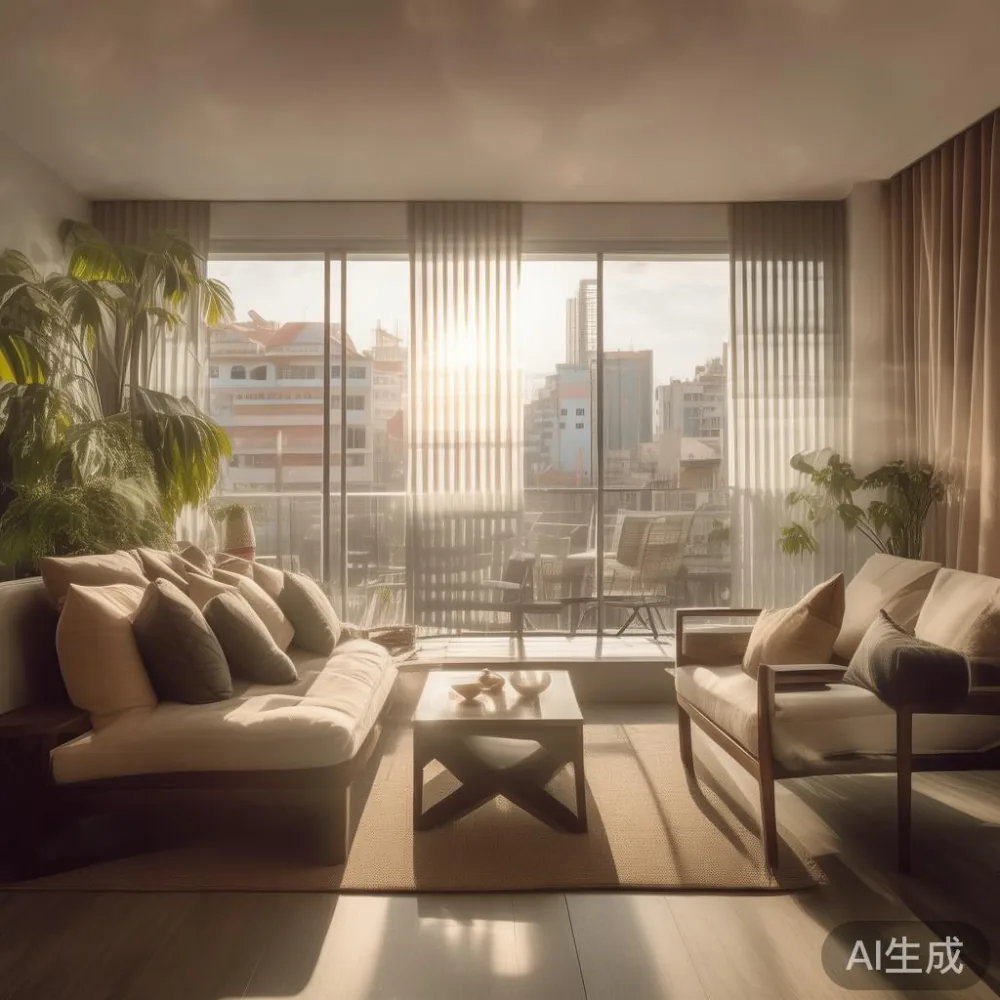
Warm minimalism is more than just an aesthetic; it's a mindset. It’s about curating a space that feels uncluttered and peaceful, yet inviting and lived-in. It rejects the cold, impersonal feel of stark, minimalist interiors and instead embraces a softer, more human-centric design. This style is particularly well-suited for Singaporean homes for several practical reasons. Our apartments, whether a 90-square-metre unit in Bedok or a compact 60-square-metre flat in a new development, often have limited space. Warm minimalism’s emphasis on functionality and the elimination of unnecessary items makes small spaces feel larger and more breathable. Also, the use of natural materials like solid wood and stone helps to ground the space, providing a sense of calm that is much needed in our fast-paced urban environment.
The colour palette is typically dominated by whites, beiges, greys, and off-whites, which reflect light and make rooms feel more expansive. Accents are introduced through natural wood tones, soft textiles, and occasionally, a single bold colour or a metallic finish. The key is restraint. Think of a light grey luxury sofa as the anchor of a living room—not a statement piece, but a sophisticated, understated foundation that allows other elements to shine. This philosophy creates a backdrop that is both sophisticated and welcoming, perfect for relaxing after a long day or for entertaining guests in your outdoor patio area.
How to Match Your Outdoor Patio to Your Interior Design?
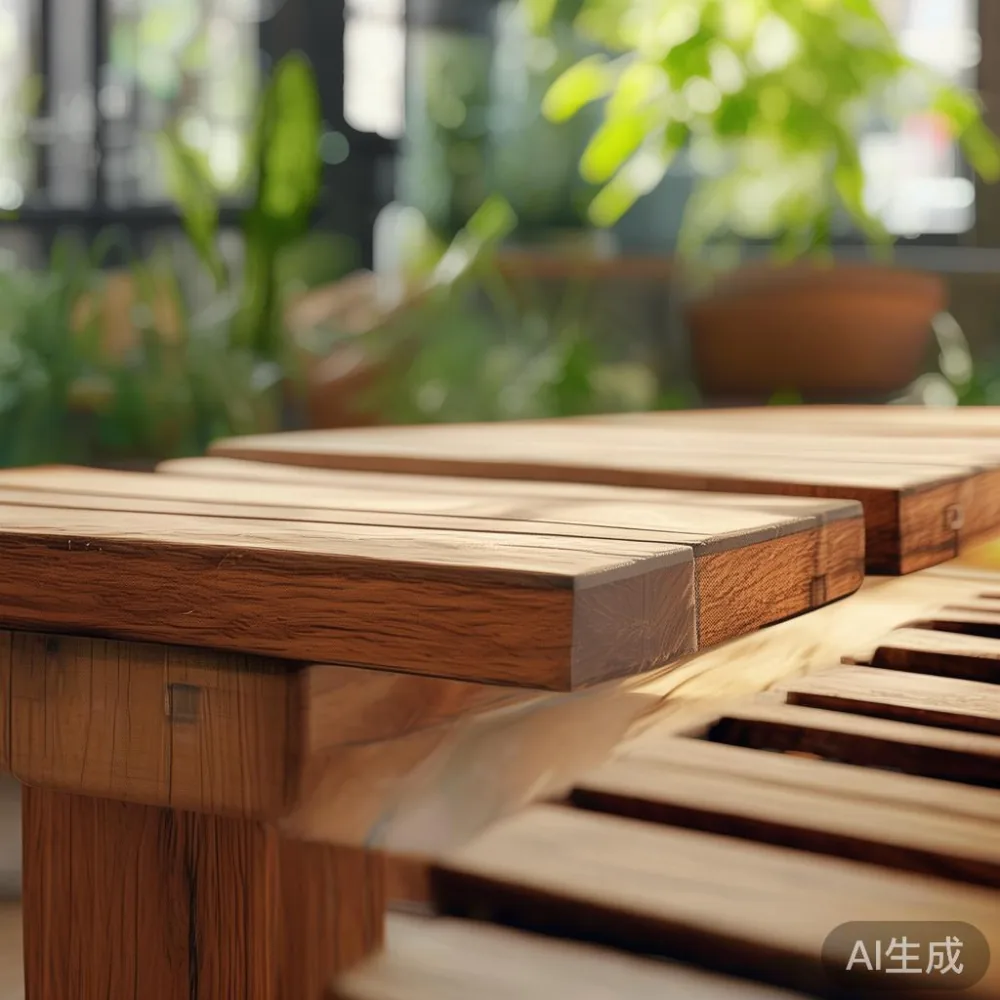
The goal is to create a visual and experiential flow between your indoor and outdoor living areas. Your outdoor patio should feel like a natural extension of your home, not an afterthought. The most effective way to achieve this is by echoing the materials, colours, and vibe of your interior design in your outdoor space. If your living room features a solid wood coffee table, consider a matching solid wood dining table for your patio. If your colour scheme is a calm palette of cream and light wood, carry those same tones into your outdoor furniture and decor.
Think of your outdoor patio as an 'outside room'. The same principles of furniture arrangement, lighting, and comfort apply. A well-designed outdoor patio becomes a smooth transition, blurring the lines between indoors and outdoors. This is especially valuable in Singapore's climate, where being able to enjoy the fresh air without feeling disconnected from your home is a luxury. When the materials and colours align, the eye moves smoothly from the cool marble table in your dining area to a similarly textured stone planter on your patio, creating a cohesive and intentional living environment.
Can I Achieve This Look Without a Massive Budget?
A common misconception is that achieving a sophisticated, light-luxury look requires a huge budget. This is far from the truth. The secret lies in investing in key, high-quality pieces and being strategic with the rest. For instance, instead of filling a room with many cheap items, focus on acquiring one or two signature pieces that will define the space. This approach allows you to create a sense of quality and intentionality without breaking the bank. It's about choosing items that are timeless and well-made, ensuring they will last for years to come.
When searching for items, you might be surprised to find affordable options that embody this aesthetic. For example, a search for cheap Italian light luxury furniture can yield excellent results, as many brands offer accessible pieces inspired by Italian design principles of clean lines and elegant simplicity. The key is to look for furniture that captures the spirit of the style without the exorbitant price tag. A well-constructed sofa with clean lines in a neutral fabric can provide the same sophisticated feel as a more expensive designer piece. It’s about smart shopping and prioritising quality and design over brand names and high costs.
What Materials are Best for a Warm Minimalist Outdoor Patio?
The choice of materials is fundamental to achieving a warm minimalist aesthetic, both indoors and out. You want to select materials that are durable, weather-resistant, and visually align with your interior design. Solid wood is an excellent choice for outdoor furniture, provided it is treated for the elements. Teak, acacia, and eucalyptus are popular options that develop a beautiful, silvery patina over time, adding to their character. A solid wood sofa or dining table on your patio can create a direct material link to a similar piece inside, strengthening the design continuity.
Alongside wood, natural stone and concrete are fantastic materials for outdoor patios. A marble table top, for instance, can be used outdoors on a covered patio, its cool, elegant surface complementing the warmth of a wooden base. Wicker or rattan furniture, with its natural texture and lightweight feel, also fits perfectly within this style. It adds a layer of texture without overwhelming the space. The idea is to use materials that feel authentic and connected to nature, which is the core of bringing warmth into a minimalist setting.
How to Style a Light Luxury Bed in a Small Bedroom?
Applying warm minimalism to the bedroom, especially in a Singaporean context where space is often at a premium, requires a thoughtful approach. The bed is the central piece of furniture, so it sets the tone for the entire room. When considering how to style light luxury bed in bedroom, the focus should be on creating a sense of calm and order. A low-profile bed frame with simple, clean lines is ideal. A platform bed made of light-coloured solid wood, for example, can make a room feel more spacious and airy.
Keep the colour palette simple. Use a neutral-toned duvet cover, perhaps in a soft linen or cotton, and layer it with a couple of textured throws in complementary shades like cream, beige, or light grey. The nightstands should be simple and functional. A pair of slender, tapered-leg nightstands made of the same light wood as the bed frame would create a cohesive look. Avoid cluttering the surfaces; a single lamp and perhaps a small, potted plant are all that's needed. The goal is to create a serene, uncluttered environment that promotes rest and relaxation.
How to Style a European Light Luxury Wardrobe in an Apartment?
Storage is a critical consideration in any Singaporean home, and the wardrobe is often the largest piece of furniture in a bedroom. A bulky, dark wardrobe can dominate a small space and disrupt a minimalist aesthetic. This is where a how to style European light luxury wardrobe in apartment approach becomes invaluable. European-style wardrobes often feature handle-less designs, using push-to-open mechanisms or integrated finger pulls. This creates a sleek, unbroken facade that blends smoothly with the walls.
Opt for a wardrobe in a light colour, such as matte white, light grey, or a very pale wood finish. This will reflect light and make the room feel larger. Consider a wardrobe with European light luxury with storage solutions that maximise space without adding visual clutter. Internal organisers for clothes, shoes, and accessories keep everything tidy and out of sight. The integration of a full-length mirror on one of the doors is also a clever trick, as it adds functionality while creating an illusion of more space. This thoughtful approach ensures your storage is both highly functional and aesthetically pleasing.
Real-World Experience: Creating a Cohesive Home in Tampines
Last month, I visited the Tampines home of my colleague, Sarah, a graphic designer who has perfectly embodied the principles of warm minimalism. Her 110-square-metre, four-room HDB flat is a masterclass in the style. The living area is bright and open, anchored by a light grey luxury sofa with clean, angular lines. The sofa faces a low-slung solid wood coffee table, and the colour scheme is a soothing mix of white walls, light oak flooring, and soft grey accents. The space feels calm and uncluttered, yet incredibly inviting.
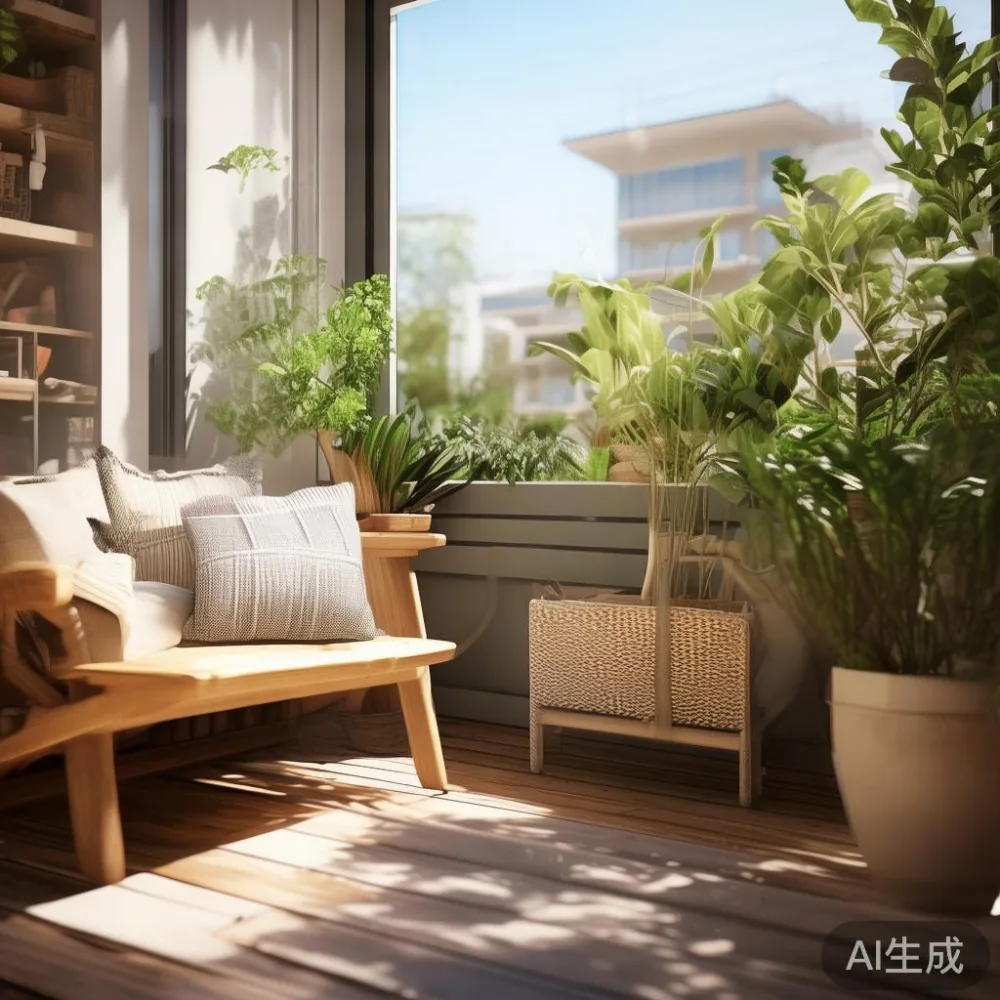
What struck me most was how she carried this theme onto her balcony, which she had transformed into a beautiful outdoor patio. The balcony floor featured the same light oak decking as her indoor flooring, creating a stunning visual flow. She had placed a small, round solid wood dining table and two matching chairs on the balcony, perfect for her morning coffee. The table top was a cool, light grey composite that echoed the tones of her indoor sofa. Sarah explained that this cohesion was intentional. 'My balcony is my favourite room,' she said. 'It’s where I read and relax. By making it feel like an extension of my living room, it just feels more like home.' This practical example shows how a thoughtful approach to furniture and material selection can create a truly harmonious living environment, both indoors and in your outdoor patio.
How to Style a Japandi Bed in a Room?
For those who appreciate a blend of cultures, the Japandi style offers a beautiful interpretation of warm minimalism. Japandi is a fusion of Japanese minimalism and Scandinavian design, characterised by functionality, natural materials, and a neutral colour palette. When figuring out how to style Japandi bed in room, the focus is on simplicity and craftsmanship. A low-profile platform bed made of light-coloured wood, such as ash or light oak, is a quintessential Japandi piece. The lines are simple and unadorned, with no elaborate carvings or details.
Bedding should be minimal and high-quality. Think of a simple, high-thread-count cotton duvet in a solid colour like white, beige, or charcoal. Layering with a couple of textured blankets or a throw made of natural fibres like linen or wool adds depth and warmth. The nightstands should be functional and understated. A simple cube or a small table with tapered legs made of the same wood as the bed would be a perfect choice. The feeling one should get is of quiet, serene, and unpretentious luxury—a space designed for rest and contemplation.
MIDHILL Furniture: A Partner in Your Design Journey
When undertaking a home design project, especially one that requires careful coordination between indoor and outdoor spaces, having a reliable furniture partner is invaluable. This is where a brand with a strong commitment to quality and customer service can make a significant difference. For instance, a company like MIDHILL, with its decade-long experience since 2008, understands the nuances of creating furniture that is both beautiful and built to last. Their 10-year structural warranty and lifetime refinishing promise offer peace of mind, knowing that your investment is protected for years to come.
For Singaporean homeowners, practical considerations are paramount. A brand that offers free shipping on orders over SGD 1,000 and a 14-day return policy simplifies the purchasing process. This flexibility is important when you're trying to perfectly match a piece for your outdoor patio with your interior decor. It allows you to order with confidence, knowing you can return an item if it doesn't quite fit the vision. This customer-centric approach ensures that the journey of furnishing your home is as smooth and enjoyable as the final result.