The True Cost of Craftsmanship: Unpacking Solid Wood Patio Furniture Pricing
Walking through a showroom in Singapore, the price difference between a simple wooden bench and a designer outdoor patio set can be staggering. A small stool might cost SGD 150, while a full dining ensemble could easily surpass SGD 5,000. This disparity often leaves homeowners wondering what justifies the cost. Is it just the name on the tag, or is there a tangible, logical reason for the variation? For those living in HDB flats in Tampines or condos in Punggol with limited balcony space, or for families in Bedok planning a backyard renovation, understanding this is key to making a wise investment. The answer lies not in a single factor, but in a complex interplay of material, construction, design, and the very specific demands of an outdoor environment.
Why is Teak So Expensive Compared to Other Woods?
The single most significant factor in the price of any solid wood furniture, including your outdoor patio pieces, is the wood itself. Not all wood is created equal, and the properties of a particular species directly influence its cost. Take teak, for example. It is the undisputed gold standard for outdoor furniture, and for good reason. This dense, tropical hardwood is naturally rich in oils and rubber. These compounds make it exceptionally resistant to water, rot, and insect damage without needing any chemical treatment. A teak outdoor patio table can withstand the relentless humidity and sudden downpours of a Singaporean year for decades with minimal upkeep. Compare this to a softer wood like pine, which is susceptible to warping, cracking, and insect infestation when left outdoors. A pine bench might be cheap initially, but it will likely need replacement in 3-5 years, whereas a well-made teak piece can last for 50 years or more. This longevity is a primary driver of teak's premium price, often ranging from SGD 800 to over SGD 3,000 for a dining table, depending on size and design.
The origin and sustainability of the wood also play a huge role. Genuine plantation-grown teak, primarily from Southeast Asia, is more expensive than wood from unsustainable sources. Responsible suppliers, like those who work with established brands, can trace their timber, ensuring it is harvested legally and ethically. This adds a layer of cost but provides peace of mind. Other popular outdoor woods like Shorea or Eucalyptus offer a middle ground. Shorea, for instance, is a close relative of teak and shares many of its weather-resistant qualities, often at a slightly lower price point of around SGD 600 to SGD 2,500 for a dining set. Eucalyptus is also durable but denser and heavier, making shipping and handling more expensive, which is factored into the final retail price.
What's the Real Difference Between Hand-Carved and Machine-Made?
If you were to pick up two chairs that look identical, one priced at SGD 450 and the other at SGD 1,200, the construction method is likely the culprit. The quality of craftsmanship is a non-negotiable component of solid wood furniture pricing. Mass-produced furniture, often found in large retail chains, relies on automated machinery. A machine can cut, shape, and drill hundreds of pieces a day with incredible speed. This efficiency lowers labour costs, but it comes at the expense of nuance. Joints are often simple butt joints or rely heavily on staples and screws for structural integrity. While functional, these pieces lack the refinement and durability of their handcrafted counterparts.
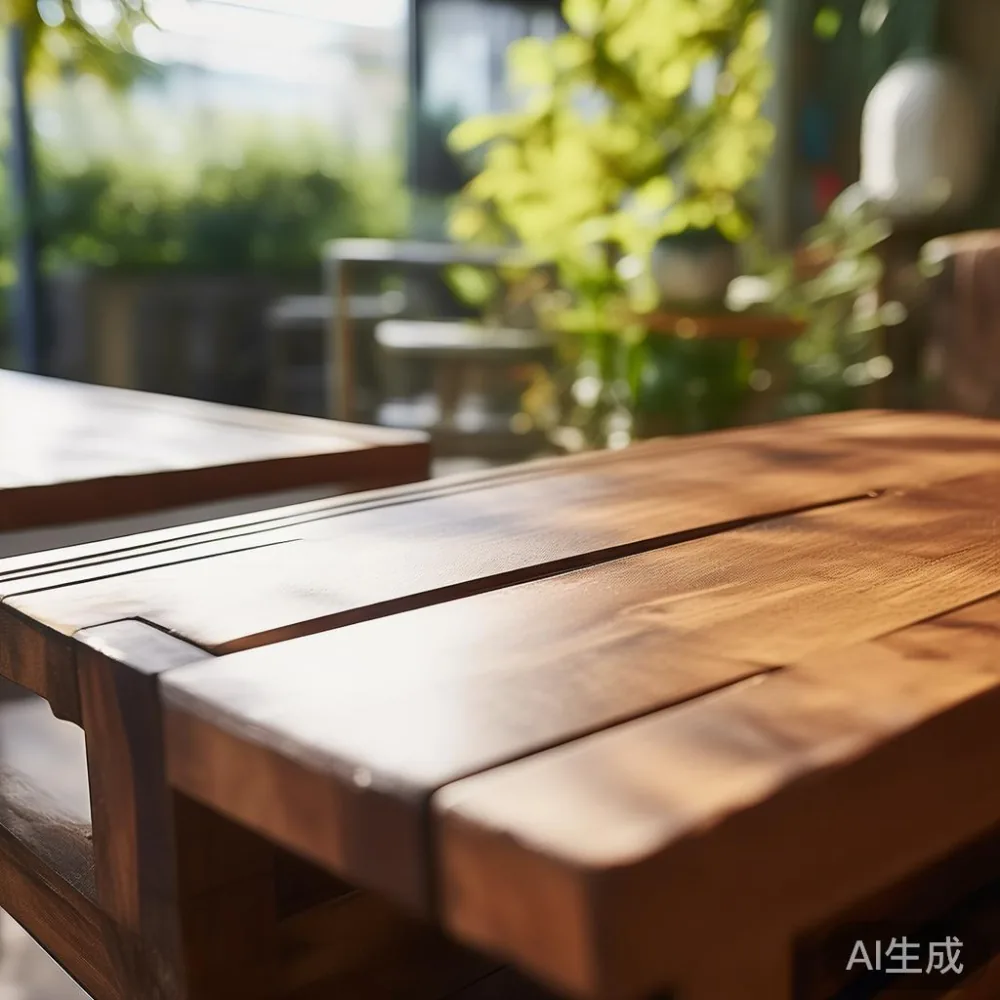
Conversely, furniture built by skilled artisans involves a meticulous, labour-intensive process. Each piece of wood is selected, hand-planed, and sanded to a perfectly smooth finish. Joinery is the hallmark of quality. Instead of nails, a master craftsman will use traditional methods like mortise and tenon joints or dovetail joints. These interlocking wooden connections create a bond that is actually stronger than the wood itself, distributing stress evenly across the frame. Last month, I visited a workshop in Foshan to see this process firsthand. My colleague pointed out a solid wood sofa frame where every single joint was hand-cut and fitted. He explained that this level of detail prevents the frame from ever loosening or wobbling, even after years of use. This kind of work takes time—often 40-60 hours to build a single dining table—and skilled labour is expensive. This investment in time and expertise is what you are paying for when you choose a higher-priced item, ensuring it not only looks beautiful but will remain structurally sound for a lifetime.
How Does Design and Branding Affect the Price?
Price is also influenced by the design philosophy behind the furniture. A simple, functional design will always be less expensive than one that incorporates complex aesthetics. Consider the difference between a basic Adirondack chair and a piece of luxury French provincial furniture designed for the outdoors. The Adirondack is defined by its clean lines and practical form. The French provincial piece, however, might feature intricate hand-carved details, elegant curves, and a specific finish that mimics the grand style of 18th-century France. This level of artistic detail requires a master carver and significantly increases both production time and cost.
Brands also position themselves within a market, and this positioning directly impacts pricing. A brand focusing on a minimalist, Scandinavian aesthetic will price its pieces differently from one embracing a post-modern light luxury style. The post-modern approach might favour bold shapes, mixed materials like marble inlays on a coffee table, and a more experimental colour palette, all of which add complexity and cost. Also, a brand with a reputation for quality, like one established in 2008 with a 10-year structural warranty, can command a higher price. This isn't just for the name; it's for the promise of reliability and the assurance that if something goes wrong, there is a support system in place. This peace of mind is a valuable part of the product's value proposition.
Why is the Warranty and Shipping Policy So Important for the Price?
When you see a piece of solid wood furniture with a 10-year structural warranty, you should understand that this isn't a marketing gimmick; it's a financial commitment from the manufacturer. A long warranty indicates the company's extreme confidence in the durability of its products. To offer such a guarantee, a manufacturer must use only the highest grades of wood, the most solid joinery techniques, and the best possible finishes. They are in effect betting that their furniture will not fail. If a piece does have a structural defect, the cost of repair or replacement falls on them. This potential future cost is factored into the initial price of the item. A brand that offers only a one-year warranty is taking on far less risk, and their products are often priced lower as a result.
Shipping and logistics are another hidden cost driver. A single solid wood dining table can weigh between 40 kg and 80 kg and measure up to 300 cm in length. Shipping such a bulky, heavy item internationally is a complex and expensive operation. It requires specialised freight, careful handling to prevent damage, and often involves multiple modes of transport. A company that offers free shipping over a certain threshold, like SGD 350, is absorbing a significant portion of this cost for its customers. This is a value-add that simplifies the purchasing process. For customers in Singapore, this also means working through local challenges like fitting a large item through a standard HDB lift or into a condo corridor in Tampines, which is typically about 120 cm wide. A reliable service will include delivery and placement, ensuring the new outdoor patio set arrives without a scratch. This convenience is part of the package and contributes to the final price.
Is a Cheaper Outdoor Patio Set Really a Bargain?
This is the question every smart shopper should ask themselves. It's tempting to opt for the lowest-priced option available, especially when dealing with GST and other costs in Singapore. However, a bargain is only a bargain if it serves its purpose effectively over time. A poorly constructed outdoor patio set made from inferior wood might seem like a smart financial decision today. You might pay SGD 800 for a dining set instead of SGD 2,500. But what happens in two years? The wood begins to crack from exposure to the sun. The paint or veneer starts to peel. The joints loosen, and the chairs become wobbly and unsafe. Suddenly, you are faced with the choice of either repairing the set, which can be costly and difficult, or replacing it entirely.
When you calculate the total cost of ownership, the cheaper option often becomes the more expensive one. That SGD 800 set that needs replacement after 5 years has actually cost you SGD 1,600 over a decade. The higher-quality set, while costing more upfront, might still look and function perfectly after 15 years, meaning its effective cost per year is significantly lower. This is the principle of value investing applied to furniture. It's about looking beyond the initial price tag and considering longevity, performance, and the cost of potential future replacements. A well-made piece of solid wood furniture is an investment in your home's comfort and value. It's about choosing a piece that can withstand the elements, provide enjoyment for your family for years to come, and ultimately, prove to be the more economical choice in the long run.